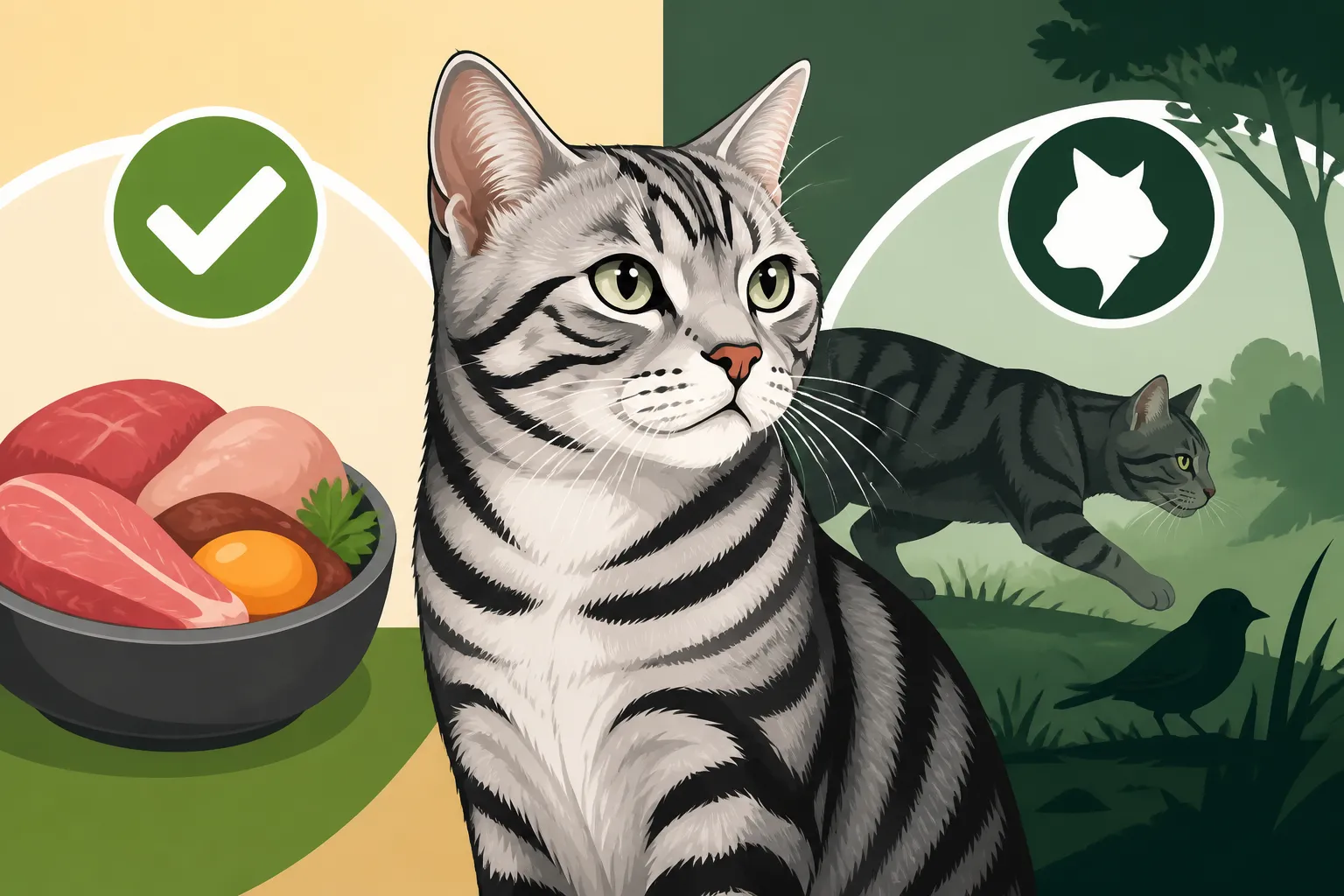
Whether Raw Feeding Suits an American Shorthair With a Hunting Past
It's completely natural to look at your sturdy, self-possessed American Shorthair and think about their ancestors – those intrepid, no-nonsense working cats who earned their keep as master mousers on farms and ships. This connection often leads many of us to wonder if a raw diet, one that seemingly mimics what their forebears would have hunted and eaten, is truly the best fit for our beloved modern-day companion. This guide dives deep into whether raw feeding truly suits an American Shorthair with that undeniable hunting past, exploring the benefits, challenges, and practical considerations for pet parents like you.
The American Shorthair's Ancestral Diet: What Did They Really Eat?
When we talk about an American Shorthair's "hunting past," we're not just speaking metaphorically. These cats were bred for function, for keeping pests in check, and their very existence was predicated on their ability to hunt. So, it stands to reason that their digestive systems evolved to handle a diet composed almost entirely of fresh prey. But what exactly did that entail, and how does it compare to a modern raw diet?
From Barn Cats to Beloved Pets: A Dietary Evolution
Think back to the earliest days of the American Shorthair's lineage. These were not pampered house cats enjoying a bowl of perfectly balanced kibble. They were the ultimate working animals, riding the high seas on ships to keep rodent populations down and protecting grain stores on sprawling farms. Their diet consisted primarily of whatever small prey they could catch: mice, rats, birds, insects. This wasn't just meat; it included bones, organs, fur, and feathers – a complete nutritional package in its natural form. There was no cooking, no processing, and certainly no carefully formulated dry biscuits. The Mayflower Cats Behind the American Shorthair certainly weren't getting their nutrition from a bag! This rigorous lifestyle selected for cats with robust health and efficient digestive systems capable of extracting maximum nutrition from their kills. The sheer physical activity involved in hunting and patrolling meant they burned a tremendous amount of calories, rarely carrying excess weight.
Today, our American Shorthairs are typically indoor companions, often quite content to watch birds from a window rather than chase them. While they retain that strong prey drive – you've probably seen your cat "stalk" a toy or pounce on a dust bunny – their caloric needs are vastly different from a barn cat hunting all day. This shift from an active, outdoor hunter to a mostly sedentary indoor pet is a critical factor when considering diet. It's a fundamental change that often leads to problems like obesity if not managed carefully, as their innate appetite can easily outstrip their energy expenditure now that Ending the Mousing Job Made the American Shorthair Heavy.
Mimicking the Hunt: What Does "Raw" Actually Mean for a Cat?
So, if their ancestors ate whole prey, what does "raw feeding" look like for our cats today? It's an attempt to replicate that ancestral diet using commercially available or homemade ingredients. Generally, a raw diet for cats consists of raw muscle meat, organs (like liver, heart, and kidney), and bones. It aims to provide nutrition in its most natural, unprocessed state. The idea is that cooking can degrade certain nutrients, and processed foods often contain fillers, artificial ingredients, and carbohydrates that aren't ideal for obligate carnivores like cats.
There are a few main approaches to raw feeding. One is the Prey Model Raw (PMR) diet, which aims to mimic the nutritional ratios of a whole prey animal – typically around 80% muscle meat, 10% bone, and 10% organ meat (with half of that being liver). Another is the Biologically Appropriate Raw Food (BARF) diet, which might include a small percentage of vegetables or fruits, though this is less common for obligate carnivores like cats than for dogs. Then there are commercially prepared raw diets, which take a lot of the guesswork out of balancing the nutrients. These can be found frozen or freeze-dried, often from reputable brands you might see on platforms like Chewy or specific raw food retailers. The goal, regardless of the method, is to provide a diet free from grains, excessive carbohydrates, and artificial additives, focusing on high-quality animal proteins that an American Shorthair's digestive system is naturally designed to process.
The Potential Benefits of Raw Feeding for Your American Shorthair
Considering the American Shorthair's robust, utilitarian background, it's not surprising that many owners are drawn to raw feeding for its perceived benefits in supporting their cat's natural physiology. There are several compelling arguments for why a raw diet might genuinely suit an American Shorthair's inherent characteristics.
Supporting That Muscular American Shorthair Build
The American Shorthair is renowned for its strong, well-muscled physique. This isn't a delicate breed; it's a powerful, capable cat built for a working life. A diet rich in high-quality animal protein, characteristic of raw feeding, naturally supports this kind of musculature. When you think about Which Food Suits an American Shorthair Built for Muscle, it's hard to argue against a diet primarily composed of meat.
Cats, as obligate carnivores, get their energy and essential amino acids directly from animal protein. Unlike omnivores, they can't efficiently convert plant-based proteins into the forms they need. Raw meat, organs, and bone provide these vital building blocks in a highly bioavailable form, meaning the cat's body can easily absorb and utilize them. Owners who switch to raw often report seeing a noticeable improvement in their American Shorthair's muscle tone and overall physical condition. Their coats might become glossier, and their energy levels can stabilize without the sugar spikes often associated with carb-heavy kibble. This isn't just about aesthetics; a strong, lean body contributes significantly to their overall health and longevity, helping to ward off common issues like joint strain later in life.
Hydration and Digestion: Closer to Nature's Plan
One of the most significant advantages of a raw diet, especially compared to dry kibble, is its high moisture content. Wild prey is naturally about 70-75% water, and a properly prepared raw diet mirrors this. Cats, stemming from desert ancestors, have a low thirst drive and often don't drink enough water independently, especially when eating dry food. This chronic mild dehydration can contribute to various health issues over time, particularly urinary tract problems and kidney disease, which are unfortunately common in domestic cats. How Much Water an American Shorthair Should Drink is often more than they'll get from a bowl alone.
By consuming a moisture-rich raw diet, your American Shorthair gets a substantial portion of its daily water intake directly from its food. This continuous, passive hydration is far more effective than trying to encourage a reluctant cat to drink from a bowl or fountain. Improved hydration supports healthy kidney function, helps flush the urinary system, and aids in overall digestion. Furthermore, raw diets, being less processed, often contain natural enzymes that can assist in digestion. Many owners observe that their cats have smaller, less odorous stools on a raw diet, which can be an indicator of more efficient nutrient absorption and less waste. This efficiency is precisely what their ancestral digestive system was designed for.
The Mental Stimulation of a "Wilder" Mealtime
For a breed like the American Shorthair, whose instincts are deeply rooted in hunting, mealtime can be more than just sustenance; it can be an opportunity for enrichment. While a bowl of kibble is quickly devoured, a raw meal, especially if it involves slightly larger chunks or varied textures, can engage their senses and fulfill a part of that innate prey drive.
Imagine your American Shorthair tackling a piece of raw chicken neck – it requires chewing, tearing, and a certain amount of engagement that kibble simply can't provide. This "work" for their food can be mentally stimulating, preventing boredom and potentially reducing behavioral issues that can stem from a lack of environmental enrichment. It taps into their natural instincts for The American Shorthair Still Hunts, Whether You Want It To or Not, even if the "prey" is pre-prepared. This mental engagement, combined with the superior nutrition, can lead to a more satisfied and well-adjusted cat. It's a small way to honor their heritage and provide a closer approximation to the varied and stimulating mealtimes their wild ancestors experienced.
Navigating the Realities and Risks of Raw Diets
While the allure of feeding an American Shorthair a diet that echoes its hunting past is strong, it's crucial to approach raw feeding with a realistic understanding of its complexities and potential downsides. This isn't just about throwing meat in a bowl; it requires careful planning and a commitment to safety and nutritional balance.
Safety First: Bacterial Concerns and Handling Raw Meat
One of the most significant concerns with raw feeding is the potential for bacterial contamination. Raw meat, regardless of how fresh or high-quality it is, can harbor bacteria like Salmonella, E. coli, and Listeria. These pathogens can pose risks not only to your cat but also to the human members of your household, particularly children, the elderly, or those with compromised immune systems. It's a genuine worry, and ignoring it would be irresponsible.
To mitigate these risks, impeccable hygiene is paramount. This means thorough handwashing before and after handling raw food, sanitizing all surfaces, bowls, and utensils that come into contact with the raw ingredients, and storing raw food properly in a dedicated area of your refrigerator or freezer. Cross-contamination is a real threat in any kitchen, and it's amplified when dealing with raw meat. For your American Shorthair, while their digestive tracts are generally more acidic and designed to handle bacteria better than humans, they can still get sick, and they can certainly shed bacteria in their stool, posing a risk to anyone cleaning the litter box. This isn't to say raw feeding is impossible, but it demands a level of diligence that goes beyond simply scooping kibble into a bowl. How Much Water an American Shorthair Should Drink might become a less pressing concern if your cat gets sick from contaminated food.
Ensuring Nutritional Completeness: It's More Than Just Meat
The idea that a raw diet is simply "meat" is a common misconception, and it's a dangerous one. Cats require a precise balance of nutrients, including specific vitamins, minerals, and amino acids, to thrive. While whole prey naturally provides this balance, simply feeding cuts of muscle meat from the grocery store will inevitably lead to deficiencies over time. For example, plain muscle meat lacks sufficient calcium (found in bones) and certain vitamins (found in organs). An imbalanced diet can lead to severe health problems, including skeletal issues, organ damage, and metabolic imbalances.
Crafting a nutritionally complete homemade raw diet requires extensive research, understanding of feline nutritional needs, and often, the use of supplements to ensure all bases are covered. This isn't a task to be taken lightly. Many well-intentioned owners inadvertently create deficiencies by not understanding the complex ratios of muscle meat, organs, and bone, or by omitting critical supplements like taurine, an amino acid vital for feline heart and eye health. This is where commercially prepared raw diets can offer a significant advantage, as reputable brands have already done the legwork to ensure nutritional completeness, often adhering to AAFCO standards. If you choose to go the DIY route, remember that you are effectively becoming your cat's nutritionist, and the consequences of getting it wrong can be dire.
The Practicalities: Cost, Convenience, and Vet Perspectives
Let's be realistic: raw feeding isn't for everyone. It comes with practical considerations that can be deal-breakers for some households.
- Cost: Raw meat and organs, especially high-quality, human-grade varieties, tend to be significantly more expensive than commercial kibble or even many wet foods. If you're buying organic or specific cuts, the costs can quickly add up. For an American Shorthair, which is a fairly substantial cat, How Much a Working Framed American Shorthair Should Eat can translate to a considerable monthly food bill.
- Convenience: Preparing raw meals can be time-consuming. It involves sourcing ingredients, weighing them, grinding (if you don't buy pre-ground), and portioning. Storage also becomes an issue – you'll need ample freezer space. Even with commercial raw diets, you'll need freezer space and often need to remember to thaw meals in advance. This is a far cry from simply pouring kibble.
- Vet Perspectives: It's important to understand that the veterinary community has varied opinions on raw feeding. While some vets are supportive and educated in raw nutrition, many express strong reservations due to the bacterial risks and the challenges of ensuring nutritional balance. Some may actively advise against it, citing cases of nutrient deficiencies or bacterial infections they've seen in practice. It's crucial to have an open and honest conversation with your veterinarian about your feeding choices, as they are your primary partner in your American Shorthair's health journey. Their expertise can help you navigate the complexities and ensure your cat remains healthy.
Here's a quick look at the major considerations:
| Feature | Potential Benefits for American Shorthair | Potential Challenges & Risks |
|---|---|---|
| Nutrient Profile | High protein, species-appropriate | Risk of imbalance if DIY |
| Hydration | Excellent moisture content | No direct challenge |
| Digestion | Potentially easier to digest, smaller stools | Bacterial risk from pathogens |
| Musculature | Supports strong, lean build | Requires careful protein sourcing |
| Dental Health | Chewing on raw bone can help clean teeth | Risk of choking/tooth fracture |
| Engagement | Mimics hunting, mental stimulation | Can be messy and time-consuming |
| Cost | No direct benefit | Generally more expensive |
| Safety | Natural, unprocessed | Bacterial contamination, human risk |
| Vet Approval | Varied, some support, some advise against | Requires an informed vet dialogue |
Is Raw Feeding Right for Your Specific American Shorthair?
After weighing the historical context, potential benefits, and very real challenges, the ultimate question remains: is raw feeding the right choice for your American Shorthair? The answer isn't universal, and it depends heavily on your individual circumstances, commitment, and your cat's specific health needs.
Consulting Your Vet: An Absolute Must
Before making any significant dietary changes, especially something as impactful as switching to a raw diet, you must have a thorough discussion with your veterinarian. This isn't optional; it's essential for your American Shorthair's safety and well-being. Your vet knows your cat's medical history, any underlying conditions, and can provide guidance tailored to your specific situation. They can also help you understand the specific bacterial risks, especially if there are immunocompromised individuals in your home.
Be prepared for an open and honest conversation. Some vets are well-versed in raw feeding and can offer practical advice on how to do it safely and effectively. Others may express concerns, which are often rooted in a desire to protect your pet from potential harm or nutritional deficiencies. Listen to their feedback, ask questions, and work with them to create a dietary plan that is both beneficial and safe. If your current vet is strongly against it and you feel a raw diet is the best path, consider seeking out a holistic or integrative vet who has more experience with alternative feeding methods. Remember that your vet is there to ensure Why an American Shorthair Costs a Vet Less Than a Persian by keeping them healthy, not to judge your choices.
Homemade vs. Commercial Raw Options
If you decide to move forward with raw feeding, you'll need to choose between a homemade diet or a commercially prepared one. Each has its pros and cons, especially for an American Shorthair owner.
- Homemade Raw Diets: This route offers the most control over ingredients, allowing you to select specific protein sources and avoid any allergens your cat might have. However, it requires a significant time commitment, extensive research to ensure nutritional balance, and an understanding of appropriate ratios of muscle meat, organ, and bone. You'll need reliable sources for human-grade meats and potentially supplements. Many people start with a recipe from a reputable feline nutritionist. Remember that What an American Shorthair Kitten Should Eat is different from an adult, further complicating homemade diets.
- Commercial Raw Diets: These options, often found frozen or freeze-dried, take much of the guesswork out of balancing nutrients. They are typically formulated to be nutritionally complete and come in convenient portions. Pre-portioned commercial options can be a great starting point. The downside is often the higher cost and less control over individual ingredients, though reputable brands are transparent about their sourcing. This is generally the recommended starting point for most owners, as it significantly reduces the risk of nutritional imbalances.
Gradual Transitions and Monitoring Your Cat's Health
Regardless of the path you choose, a sudden switch to a raw diet is rarely a good idea. Cats have sensitive digestive systems, and abrupt changes can lead to upset stomachs, vomiting, or diarrhea. A gradual transition, mixing increasing amounts of raw food with decreasing amounts of their old food over several days or even weeks, is usually best. This allows their digestive system to adapt slowly.
Once on a raw diet, vigilant monitoring of your American Shorthair's health is critical. Pay close attention to:
- Energy levels and activity: Are they bright and playful, or lethargic?
- Coat condition: Is it shiny and smooth, or dull?
- Stool quality: Are stools firm and well-formed, or soft/diarrhea?
- Weight: Is your American Shorthair maintaining a healthy weight? You might be surprised at Why a Neutered American Shorthair Puts On Weight Faster on even the best diets if portions aren't managed.
- Appetite and thirst: Are they eating and drinking normally?
Regular vet check-ups are also crucial to ensure no subtle deficiencies are developing. Blood work can sometimes reveal early indicators of nutritional issues. By approaching raw feeding with careful research, professional guidance, and consistent monitoring, you can provide a diet that aligns with your American Shorthair's ancestral hunting past while ensuring their modern-day health and happiness.
Disclaimer
This article is for general informational purposes only and does not constitute professional advice. Laws, prices and regulations vary by location and change over time. Consult a qualified professional for guidance on your specific situation.