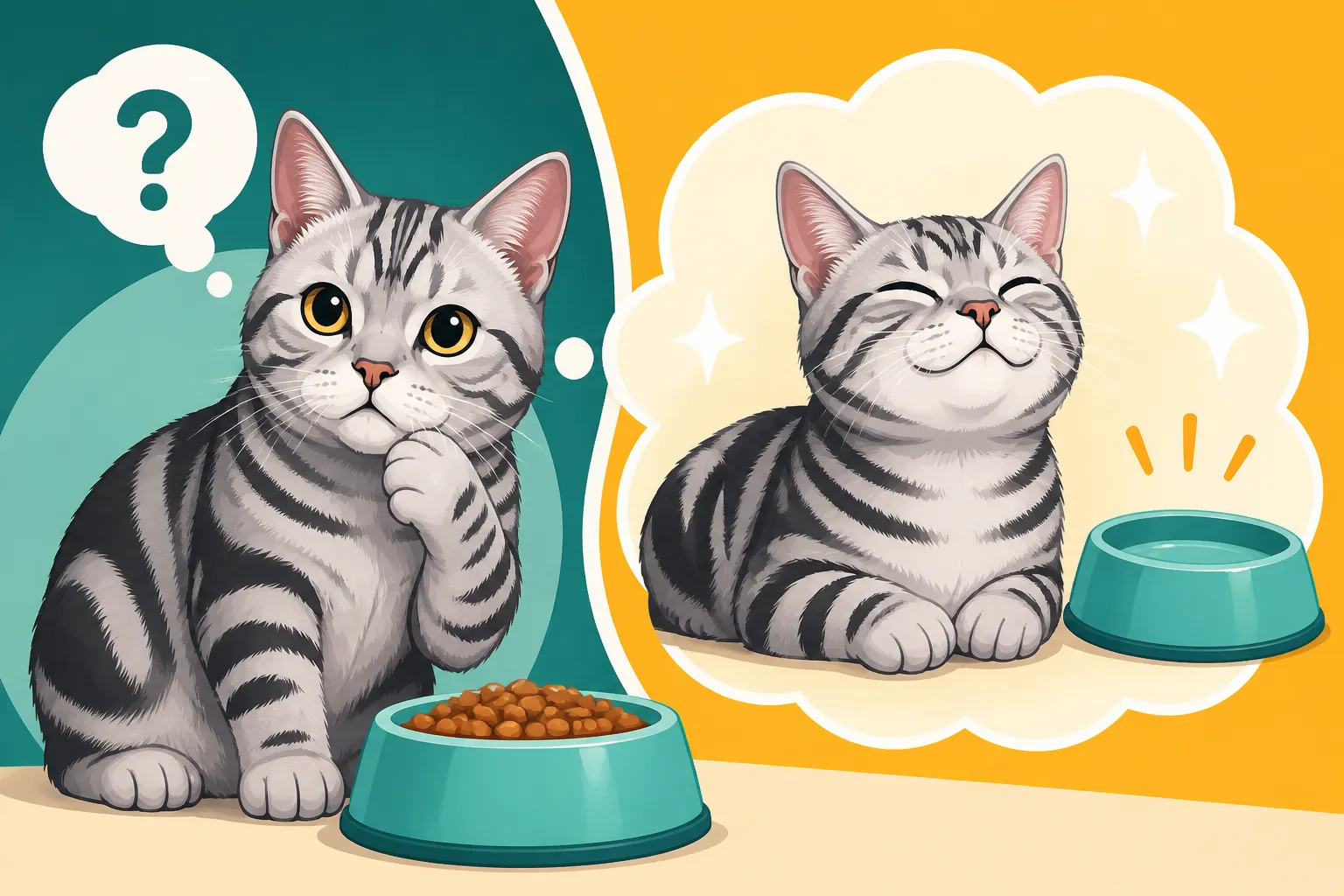
Whether an American Shorthair Knows When It Is Full
It’s a universal truth for many cat owners: you put down a fresh bowl of food, and within moments, it’s devoured. Then, almost immediately, your feline friend is looking up at you with those wide, innocent eyes, as if they haven’t eaten in days. If you own an American Shorthair, this scene might be an even more frequent occurrence, leaving you wondering if they ever truly feel satisfied. This guide delves into the fascinating world of your American Shorthair’s appetite, exploring why they often seem perpetually hungry and how you can manage their feeding to ensure they're healthy, happy, and not constantly begging for more.
The American Shorthair's Historical Appetite: A Working Legacy
To understand why your American Shorthair seems to possess a bottomless pit for a stomach, we need to take a trip back in time and look at their ancestors. These weren't pampered housecats but rugged, working animals whose very survival depended on their ability to hunt and eat.
Why Their Ancestors Never Felt "Full"
Imagine a cat aboard a ship, tasked with keeping rats and mice at bay. Or picture one patrolling a barn, a crucial part of pest control on a busy farm. These cats, the progenitors of our beloved American Shorthairs, lived lives where food security was far from guaranteed. They didn't have a bowl of kibble appearing twice a day like clockwork. Their meals were earned through constant vigilance, stalking, and successful catches.
In such an environment, an instinct to feel "full" and stop eating would have been a distinct disadvantage. If a cat caught a mouse, they ate it, because who knew when the next meal would come? Their bodies were programmed to maximize caloric intake when food was available, storing energy for times of scarcity. This biological imperative meant that the sensation of a distended stomach was less about "I've had enough" and more about "I've eaten what I could, for now." This strong drive to hunt and eat lingered, even as their circumstances changed drastically.
The Shift from Hunter to Housecat
Fast forward to today, and most American Shorthairs live lives of luxury, far removed from the harsh realities of their seafaring and barn-dwelling ancestors. They are indoor companions, cherished family members whose primary job is to look cute and occasionally chase a laser pointer. Yet, that deep-seated genetic programming for hunting and eating persists. The problem arises because their environment has changed dramatically, but their internal drives haven't quite caught up.
When food is readily available in a bowl, often free-fed throughout the day, the challenge of the "hunt" is removed. There's no effort, no stalking, no chase. For a cat whose history is steeped in earning its meals, this sudden abundance without effort can lead to a disconnect. They may eat, and eat, and still not feel the psychological satisfaction that comes from a successful hunt, even if their stomach is physically full. This is a primary reason why Why an American Shorthair's Appetite Outlasted Its Job is such a common complaint among owners; the mental and physical components of satiety are not being met by simply eating from a bowl.
Understanding Satiety in Cats: More Complex Than We Think
It's tempting to think of satiety as a simple switch: stomach full, cat stops eating. But for felines, and especially a breed with such a strong working background as the American Shorthair, it's a much more nuanced process involving biology, behavior, and environment.
The Biology of "Fullness" in Felines
Cats, by nature, are designed to eat many small meals throughout the day. Their wild ancestors would catch numerous small prey items—a mouse here, a bird there—rather than a single large feast. This is reflected in their digestive system; their stomachs are relatively small, meaning they fill up quickly. However, this physical distension doesn't always translate to a feeling of lasting satisfaction. Hormones like leptin (which signals fullness) and ghrelin (which signals hunger) play roles, as do various neurotransmitters in the brain. But these signals can be overridden or influenced by other factors.
For instance, the type of food can make a difference. High-protein, high-moisture foods, often found in wet food diets, tend to be more satiating than dry kibble, which is often higher in carbohydrates and less dense in nutrients that signal the brain for fullness. Considering How Many Calories a Working Framed American Shorthair Needs a Day is crucial here; simply filling their stomach isn't enough if the nutritional density isn't adequate to meet their metabolic needs and signal true satiety. A cat that's not getting enough of the right nutrients might feel a superficial fullness but still crave more.
The Difference Between Physical Fullness and Behavioral Satiety
This is where the distinction between physiological fullness and psychological or behavioral satiety becomes critical. An American Shorthair might have a belly full of food, but if they haven't engaged in the behaviors associated with acquiring that food—the hunt, the chase, the capture—they might still feel a restless energy or a sense of incompleteness. This can manifest as continued begging, pawing at the food bowl, or even destructive behaviors born out of boredom.
Think of it this way: if a human is handed a perfectly plated meal, they might eat it, but if they spent hours preparing it, gathering ingredients, and cooking, the satisfaction is different, deeper. For an American Shorthair, the instinct to "work" for food is incredibly strong. When this instinct isn't fulfilled, they may seek out food as a means to alleviate boredom, stress, or simply to complete that missing part of their ingrained routine. This isn't necessarily true hunger, but a drive to perform the action that historically led to sustenance. Therefore, understanding your American Shorthair's behavior and recognizing these nuanced cues is just as important as monitoring their physical intake.
Practical Strategies for Managing an American Shorthair's Appetite
Since our beloved American Shorthairs might not have a strong internal "off" switch when it comes to food, it falls to us, their human companions, to manage their intake and satisfy their inherent needs.
Portion Control and Scheduled Feeding
One of the most effective ways to manage your American Shorthair’s seemingly endless appetite is to take control of their food portions and stick to a strict feeding schedule. Free-feeding, where a bowl of kibble is left out all day, might seem convenient, but it can be detrimental to a breed with a strong eating instinct. It doesn't allow them to experience the natural rhythm of feast and famine (on a micro-level) that their ancestors would have.
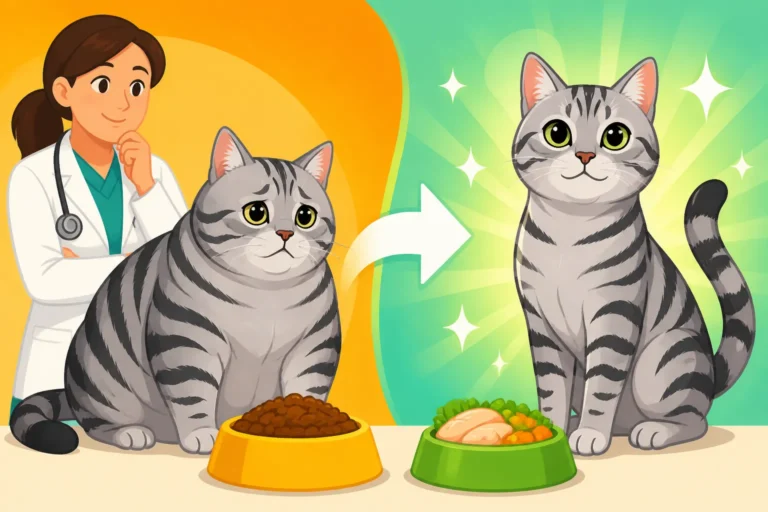
Instead, measure out your cat's food carefully using a proper measuring cup. Consult with your veterinarian to determine the ideal caloric intake for your American Shorthair based on their age, weight, and activity level. Then, divide that daily amount into two or three smaller meals. Feeding at consistent times helps regulate their metabolism and expectations. For example, a morning meal, an afternoon meal, and an evening meal can work wonders. This method ensures your cat gets the necessary nutrients without overeating, and it helps you understand How Much to Put Down for an American Shorthair at Each Meal. You can find a wide variety of portion-controlled bowls and automatic feeders on sites like Chewy, which can be immensely helpful in maintaining consistency even when you’re not home.
Enriching Mealtime to Mimic the Hunt
Remember that behavioral satiety we talked about? This is where it comes into play. Simply placing food in a bowl does little to engage your American Shorthair's innate hunting drive. To truly satisfy them, you need to make them "work" for their meals again, even if it’s in a simulated environment.
Puzzle feeders are fantastic tools for this. These devices require your cat to use their paws, nose, or problem-solving skills to extract kibble or treats. It slows down their eating, prevents scarfing, and provides crucial mental stimulation. You can even create DIY food puzzles using toilet paper rolls or small boxes. Another great strategy is to hide small portions of their measured meal around the house. Scatter a few pieces of kibble on cat trees, under rugs, or in different rooms. This encourages them to "forage" and "patrol" their territory for food, much like their ancestors would have done. This method directly addresses Making an American Shorthair Work for Its Dinner Again and can significantly reduce begging behaviors. Sites like Amazon offer an extensive range of innovative puzzle feeders and interactive toys designed to challenge your clever feline.
Choosing the Right Diet for Satiety
The nutritional content of your American Shorthair’s food can also play a significant role in their feeling of fullness. Not all cat foods are created equal, and some formulations are better at promoting satiety than others. Look for high-quality cat foods that are rich in animal-based protein. Protein is essential for maintaining their muscular build, and it also helps cats feel fuller for longer. Low-quality fillers and excessive carbohydrates can lead to a quick energy spike followed by a crash, leaving your cat feeling hungry again sooner.
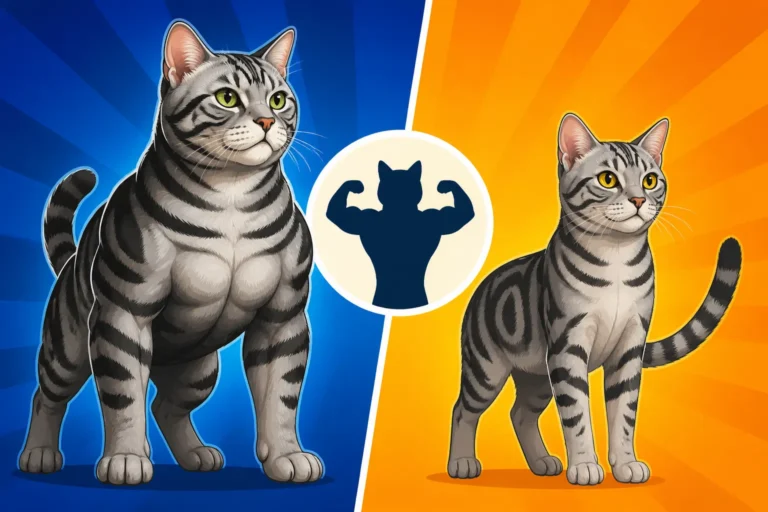
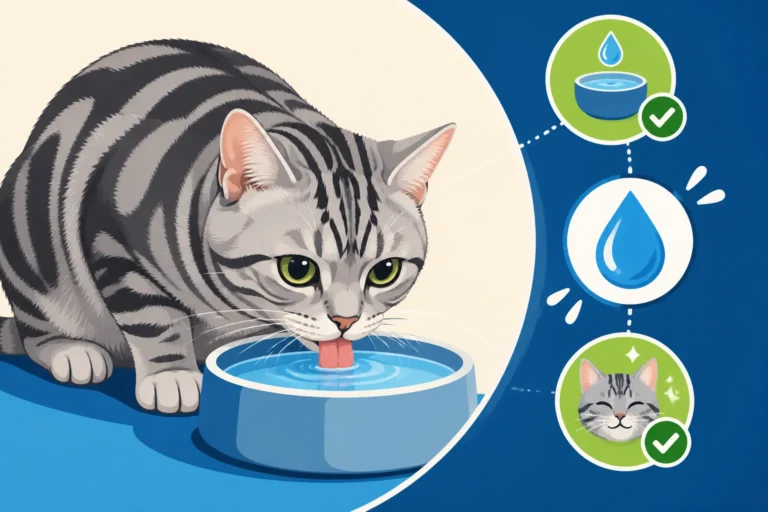
Consider incorporating wet food into their diet. Wet food has a higher moisture content, which can contribute to a feeling of fullness and also helps with hydration, supporting urinary tract health. If you're looking into fresh food options, nutritionally balanced, human-grade meals rich in protein and moisture can help cats feel more satisfied after eating. Discussing Which Protein Level Keeps an American Shorthair Muscular with your vet can help you select the best diet tailored to your individual cat's needs. A diet that truly nourishes them at a cellular level will make a huge difference in their perceived satiety.
Monitoring Weight and Health Cues
Even with the best feeding strategies, it's vital to regularly monitor your American Shorthair’s weight and overall health. Because they are a naturally muscular and substantial breed, it can sometimes be difficult to discern if they are carrying too much weight. Their sturdy frame can hide a few extra pounds more easily than a more svelte breed.
You should be able to feel your cat's ribs easily without pressing too hard, and they should have a discernible waist when viewed from above. Regularly checking How to Score a Square Built American Shorthair's Body Condition can help you stay on top of any creeping weight gain. Keep track of their weight at home with a baby scale, or ask your vet to weigh them at routine check-ups. A sudden increase in appetite, even if you are controlling portions, could also be a sign of an underlying medical condition, such as hyperthyroidism or diabetes, which should always be investigated by a veterinarian. Understanding What an American Shorthair Should Weigh at Its Frame is a great baseline. Early detection of health changes can make a significant difference in managing their well-being.
When "Never Full" Becomes a Problem
While an American Shorthair’s strong appetite is part of their charm and history, there are times when persistent hunger signals a deeper issue, ranging from behavioral problems to serious health concerns. It’s important to differentiate between a cat being naturally food-motivated and one whose constant hunger is a red flag.
Recognizing Signs of True Hunger vs. Boredom or Anxiety
Sometimes, your American Shorthair's incessant begging isn't about physical hunger but rather an expression of boredom, anxiety, or a need for attention. Cats, especially intelligent and historically active breeds like the American Shorthair, can develop behavioral issues if they're not adequately stimulated. If your cat is well-fed according to their caloric needs but still constantly cries for food, stalks you to the kitchen, or tries to access food storage, it's worth considering other factors.
Do they have enough engaging toys? Are you playing with them enough, simulating the hunt with wand toys and interactive games? A cat that's bored might use food-seeking as a coping mechanism. Similarly, stress or anxiety can manifest in various ways, including overeating or constant food demands. Major changes in the household, new pets, or even a shift in your routine can trigger stress. Observe your cat's overall demeanor: are they also hiding more, over-grooming, or showing other signs of discomfort? It's a puzzle that requires looking at the whole picture, not just the food bowl.
The Risks of Overfeeding and Obesity
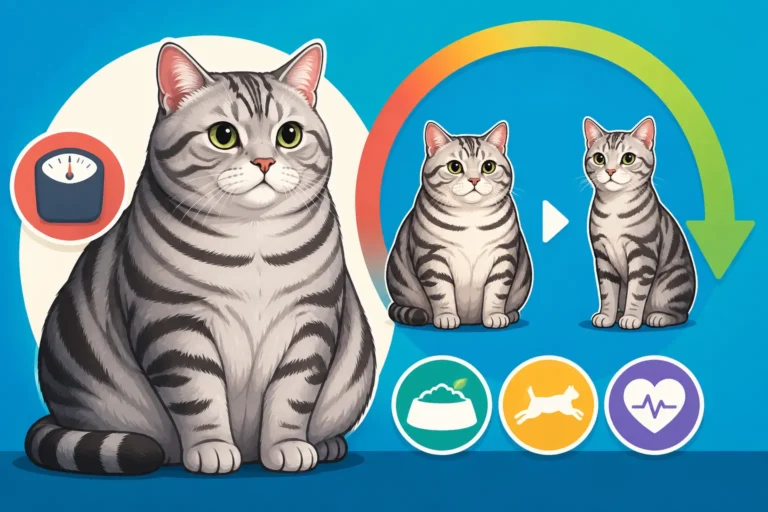
The unfortunate reality of an unchecked appetite in an indoor cat is often weight gain. Obesity is a widespread problem in domestic cats, and while American Shorthairs are generally a robust breed, they are certainly not immune. Their sturdy, broad-chested build can sometimes make it harder to spot excess weight, but the consequences are just as severe.
An overweight American Shorthair is at a significantly higher risk for a host of health problems. This includes conditions like diabetes mellitus, which can require daily insulin injections; joint issues, particularly affecting their hips and knees due to the extra strain; heart disease; and even certain types of cancer. Obesity can also exacerbate existing conditions and significantly reduce their quality of life, making it difficult to jump, play, and groom themselves properly. In fact, How Many Years Extra Weight Takes Off the American Shorthair's Lifespan is a stark reminder of the serious implications of allowing a cat to become obese. If you suspect your American Shorthair is overweight, a trip to the vet is essential. They can help you devise a safe and effective weight-loss plan, often involving a prescription diet and increased activity.
Comparison of Feeding Strategies for American Shorthairs
| Strategy | Description | Benefits | Potential Drawbacks |
|---|---|---|---|
| Free Feeding | Food bowl always available, refilled when empty. | Convenient for owner, cat can eat whenever desired. | High risk of obesity, boredom eating, difficulty monitoring intake, can lead to food aggression in multi-cat homes. |
| Scheduled Meals | Measured portions given at specific times (e.g., 2-3 times/day). | Better weight control, establishes routine, easier to monitor appetite changes, reduces begging over time. | Requires owner presence, cat may vocalize loudly before meal times, less "work" for the cat. |
| Puzzle Feeders | Food placed in devices requiring manipulation to extract. Can be combined with scheduled meals. | Provides mental stimulation, slows eating, mimics hunting, promotes behavioral satiety, reduces boredom. | Can be messy, some cats may get frustrated initially, requires owner setup, not ideal for all food types. |
| Foraging/Hiding | Small portions of food hidden around the house for the cat to find. | Highly engaging, excellent for mimicking hunting, promotes activity, breaks up monotony. | Requires more effort from owner, food might be missed or spoiled, not practical for wet food, can attract pests. |
| Automatic Feeders | Dispenses measured food at programmed times. Combines convenience with portion control. | Maintains consistency, ideal for busy owners, good for scheduled meals, some models offer slow-feed options. | Can be expensive, some cats learn to break into them, potential for mechanical failure, doesn't engage hunting. |
Disclaimer
This article is for general informational purposes only and does not constitute professional advice. Laws, prices and regulations vary by location and change over time. Consult a qualified professional for guidance on your specific situation.