How Fast an American Shorthair’s Coat Dries
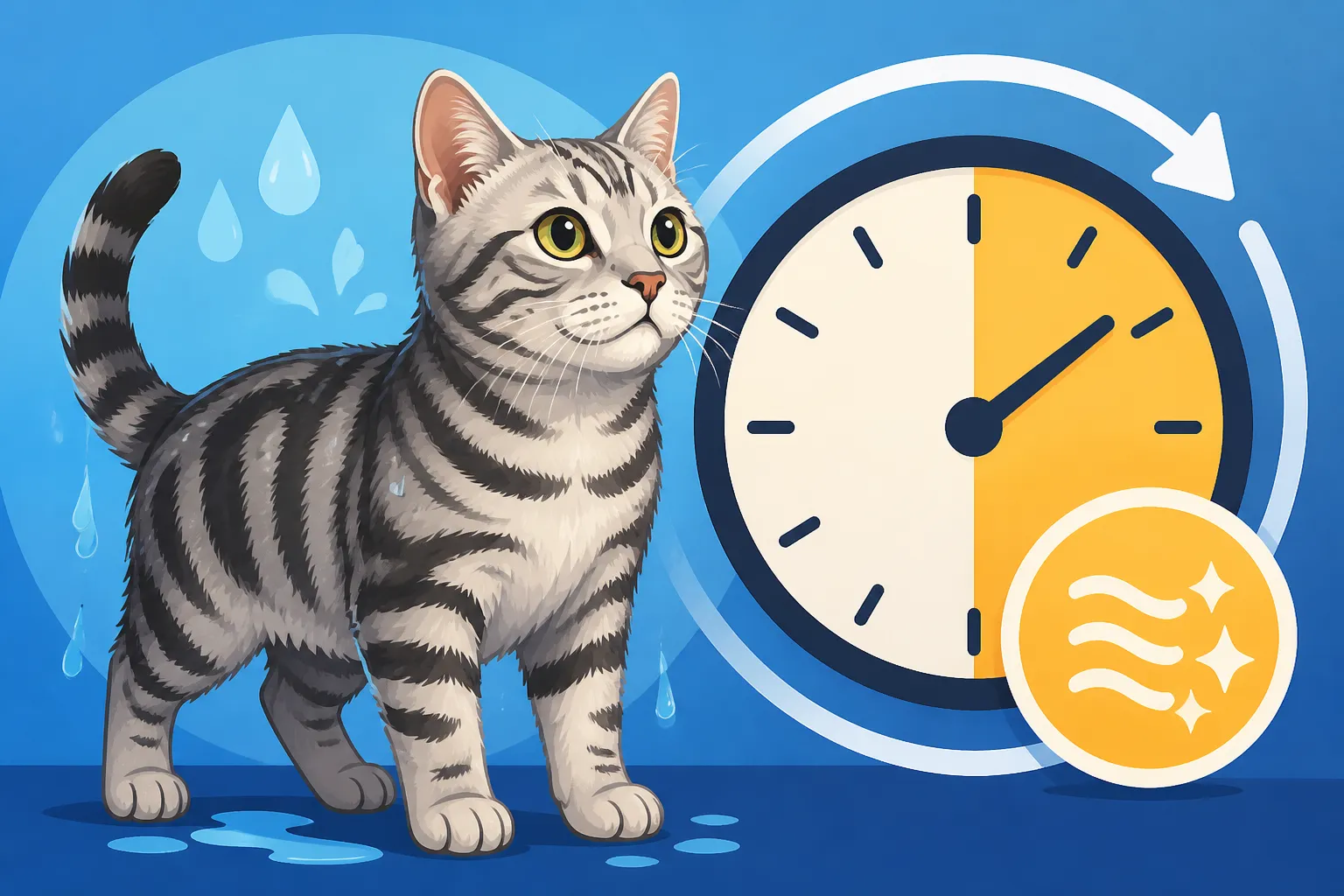
It's a common misconception that because American Shorthair cats have, well, short hair, they'll just air dry in a flash after a bath or an unexpected tumble into the kiddie pool. But many cat owners are left scratching their heads, wondering why their seemingly quick-drying feline friend is still damp hours later, leading to chilly kitties and worried humans. This guide will walk you through exactly how quickly your American Shorthair's coat dries, what factors play a role in that timeline, and how you can help them dry safely and comfortably.
The American Shorthair's Coat: Built for Toughness, Not Always for a Quick Dry
Let's talk about that magnificent American Shorthair coat for a moment. It's not just a simple layer of fur; it's a testament to centuries of working cat heritage, designed for protection, not necessarily for a quick post-bath fluff. This breed's ancestors were ship cats and barn cats, needing to withstand various weather conditions, which meant their coat had to be robust.
The Guard Hairs and Undercoat: Understanding the Layers
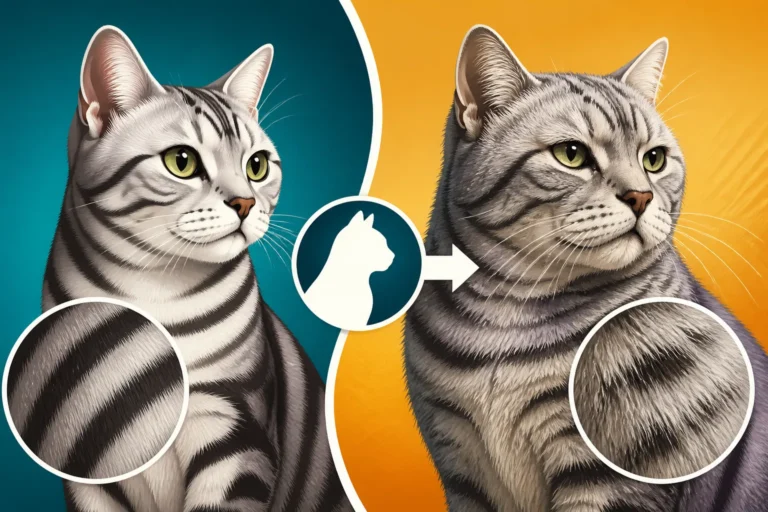
An American Shorthair possesses a dense, resilient coat. It's often described as hard or firm to the touch, not soft and plush like some other breeds. This isn't a design flaw; it's a feature. The outer layer consists of guard hairs that are coarse and sturdy, acting like a natural shield against moisture and cold. Underneath this protective layer lies a softer, insulating undercoat. While not as thick as, say, a Maine Coon's, this undercoat still serves a crucial purpose: trapping air to provide warmth.
When your American Shorthair gets wet, water has to penetrate these guard hairs first to reach the undercoat. While the guard hairs offer some initial resistance, once saturated, the dense undercoat tends to hold onto moisture. This layered design means that while surface water might seem to evaporate quickly, the deeper layers can remain damp for quite some time. It's a bit like how a quality waterproof jacket beads water on the outside, but if it gets soaked through, it takes ages to dry completely. The American Shorthair's Coat Was Built for Weather, Not a Judge gives you more insight into this functional design.
Water Repellency: What Makes It Work (and Where It Fails)
The natural oils in an American Shorthair's coat contribute to a degree of water repellency. These oils help water bead up and roll off, much like how a duck's feathers work. This is why a light drizzle or a splash from the sink might not soak them to the skin. Their short, thick coat is designed to shed minor moisture efficiently, preventing it from reaching their skin and chilling them. Whether Rain Runs Off an American Shorthair delves deeper into this fascinating characteristic.
However, this natural defense has its limits. If your American Shorthair takes a full-on bath or gets truly drenched, the water will eventually saturate the coat, moving past the guard hairs and into the dense undercoat. At this point, the natural repellency is overwhelmed, and the coat will hold a significant amount of water. This is where the drying process truly begins, and it's often slower than owners anticipate because of that very density and the insulating properties that were initially protective.
Variables That Influence Your American Shorthair's Drying Time
There's no single answer to "how fast" because several factors come into play, from the environment to the cat itself. Understanding these variables can help you estimate a more realistic drying time and assist your feline friend effectively.
Environmental Factors: Airflow and Humidity
Just like your laundry, how quickly your cat dries depends heavily on the air around them. A stuffy, humid bathroom with no air circulation will prolong drying time significantly. Imagine trying to dry a towel in a damp basement versus hanging it outside on a breezy, sunny day. It’s the same principle for your cat.
Good airflow is paramount. A well-ventilated room, perhaps with an open window (if safe and not too cold) or a gentle fan set on a low, quiet setting, can dramatically speed things up. The less humid the environment, the more readily moisture can evaporate from your cat's fur. This is also why an outdoor American Shorthair might seem to dry faster after a short rain shower – the open air and natural breeze are doing their job. However, we all know the risks an outdoor cat faces, so indoor drying is almost always preferred. The Risks an Outdoor American Shorthair Takes That an Indoor One Does Not explores some of these hazards.
Coat Condition and Saturation: More Than Just "Wet"
The state of your cat's coat and how wet it got also dictate drying time. A cat with a perfectly clean, healthy coat will generally dry faster than one with a greasy or dirty coat, as dirt and oils can trap moisture. Similarly, a cat that merely got its paws wet will dry much quicker than one that's had a full, head-to-tail bath. The degree of saturation is key.
Consider also your cat's seasonal coat. Why an American Shorthair's Coat Thickens for Winter means they'll have a denser undercoat in colder months. This thicker winter coat will naturally hold more water and take longer to dry than their thinner summer coat. If you've just given them a bath, you've completely saturated both the guard hairs and the undercoat, meaning you're in for a longer drying period. This is also why we usually only bathe them when absolutely necessary, as their self-grooming is usually sufficient. Why an American Shorthair Rarely Needs a Bath explains more about this.
The Cat's Own Grooming Habits
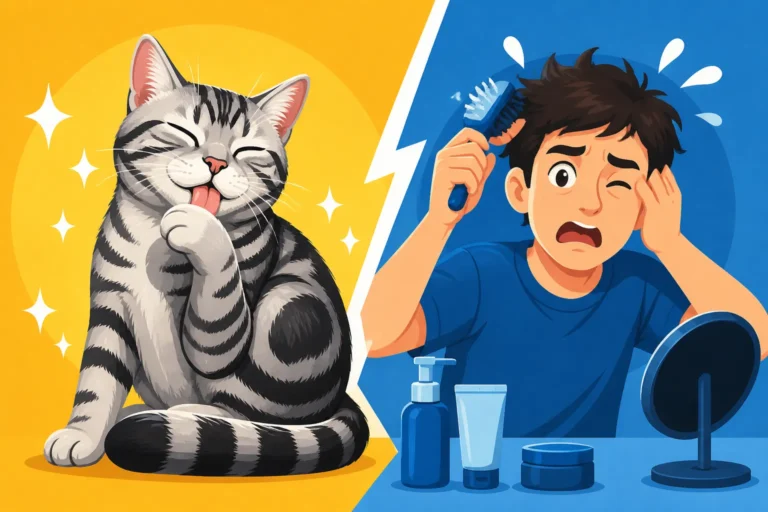
While we might be focused on towel-drying or air-drying, let's not forget the expert groomer living right under our roof: the cat itself! An American Shorthair spends a significant portion of its day grooming, and this isn't just for cleanliness; it also aids in drying. How Much Time an American Shorthair Spends Grooming Itself highlights just how much effort they put in.
When wet, a cat will immediately begin to lick and groom its fur. This action helps to wring out water from the coat, much like a natural towel, and redistributes the fur, allowing for better air circulation. Younger, healthier cats who can easily reach all parts of their body will dry themselves more efficiently than older cats or those with mobility issues. An older American Shorthair, for instance, might struggle to groom its back effectively, leaving damp spots that take longer to dry and could lead to skin irritation. When an Old American Shorthair Needs Help Grooming details what happens when self-grooming becomes a challenge.
Practical Tips for Drying Your American Shorthair Safely and Efficiently
Since your American Shorthair's coat isn't always a "shake and go" affair, having a plan for effective and safe drying is crucial, especially after a full bath.
Gentle Towel Techniques: Blot, Don't Rub
The first and most critical step after any wetting incident is gentle towel drying. Resist the urge to vigorously rub your cat's fur. Rubbing can actually tangle the hairs, especially the undercoat, and can even cause skin irritation. While American Shorthairs are less prone to matting than long-haired breeds, aggressive rubbing can still create discomfort and prolong the drying process by pushing water deeper into the fur rather than absorbing it.
Instead, use a soft, highly absorbent towel – microfibre pet towels work wonderfully for this, and you can find excellent options on Chewy or Amazon. Gently blot and squeeze sections of your cat's fur. Start from the head and work your way down to the tail, paying special attention to the belly and legs, which tend to hold water. You'll likely need several towels if your cat is thoroughly soaked. The goal is to remove as much standing water as possible before air drying or using any other methods. This initial blotting significantly cuts down the overall drying time and makes the subsequent steps much more effective.
The Role of Air Drying and Safe Heat
After a good towel-down, air drying is often the safest and most comfortable option for most American Shorthairs. As mentioned, ensure they are in a warm, draft-free room with good air circulation. You can place their bed or a favorite blanket in a sunny spot, or in a room with a gentle fan providing indirect airflow. Make sure the fan isn't blowing directly onto them, as this can be startling or create a chill.
If your cat tolerates it, a pet-specific blow dryer on the lowest heat and lowest speed setting can be used, but extreme caution is advised. Many cats find the noise and sensation distressing. Never use a human hairdryer, as these often get too hot and can burn your cat's sensitive skin. Always keep the dryer moving and hold it at a safe distance. If your cat shows any signs of stress – flattened ears, tail swishing, trying to escape – stop immediately. Their comfort and safety always come first. The natural ruggedness of their coat means they can handle a bit of chill, but comfort is still key. How Well an American Shorthair Handles Cold can give you a better idea of their resilience, but a wet cat is still vulnerable to chills.
| Drying Method | Pros | Cons | Estimated Effectiveness (Post-Blotting) |
|---|---|---|---|
| Gentle Towel Blotting | Removes bulk water, no stress, universally safe | Requires multiple towels, doesn't fully dry | High |
| Air Drying (Passive) | No stress, natural, cost-free | Slow, requires warm, well-ventilated space, risk of chill if very cold or humid | Moderate |
| Air Drying (Fan-Assisted) | Faster than passive air, gentle | Some cats dislike fan noise/breeze, requires fan placement | Moderate to High |
| Pet Blow Dryer (Low Heat) | Fastest method for thorough drying | Many cats are stressed by noise/sensation, risk of overheating if not careful, specialized equipment needed | High |
Post-Bath Comfort and Health Considerations
Once your American Shorthair is mostly dry, it’s important to ensure they are fully warm and comfortable. Provide a cozy, clean bed or a soft blanket where they can finish drying and relax. Keep them indoors, away from drafts, until their fur is completely dry to the touch, right down to the skin. This can sometimes take several hours, especially if they have a particularly dense coat or if the air is humid.
Proper drying isn't just about comfort; it's a health consideration. Leaving a cat damp for too long can lead to chills, especially in cooler weather, potentially impacting their respiratory health. More subtly, prolonged dampness can create an environment conducive to skin issues or fungal growth, though this is less common with the American Shorthair's robust coat than with breeds prone to matting. Always monitor your cat for any signs of discomfort or skin irritation after a bath. If their skin seems flaky or red, or if they continue to shiver, a quick call to your vet is a good idea. By taking the time to dry your American Shorthair properly, you're not just being a good owner; you're actively contributing to their overall well-being and happiness.
Beyond Convenience: Why Proper Drying is Crucial for Your American Shorthair's Well-being
It might seem like a minor detail, but ensuring your American Shorthair is thoroughly and correctly dried after getting wet is more than just good practice; it's a vital part of responsible pet care that impacts their health and comfort.
Preventing Chills and Respiratory Issues
Remember that functional, weather-resistant coat? It’s fantastic for keeping them warm in cold climates when dry, but once saturated, it loses much of its insulating properties. A wet coat against their skin in a cool environment can quickly lead to a drop in body temperature. Cats, while hardy, are susceptible to chills and can become hypothermic if left damp in cold conditions for too long. For a breed like the American Shorthair, which typically has a robust immune system and general good health, this isn't usually a life-threatening emergency after a routine bath, but it certainly causes discomfort and stress.
More concerningly, prolonged dampness can exacerbate or even trigger respiratory issues, particularly in older cats or those with underlying sensitivities. Just like humans, a cold, damp environment can make them more vulnerable to upper respiratory infections. While The American Shorthair Is the Control Group of Cat Breeding due to its generally healthy nature, no cat is immune to the effects of being cold and wet for extended periods. Ensuring they are thoroughly dried minimizes this risk, keeping their body temperature regulated and their respiratory system happy.
Skin Health and Coat Integrity
Even with their low-maintenance grooming needs, leaving an American Shorthair's coat damp for extended periods can pose risks to their skin and fur. While they rarely get mats, persistent dampness can lead to skin irritation or even dermatological issues. The natural oils that contribute to their coat's water repellency can also become unbalanced if the skin is constantly wet, potentially leading to dryness or flakiness.
Furthermore, a perpetually damp coat can be an inviting environment for certain types of bacteria or fungi, which thrive in moist conditions. While a quick-drying coat helps prevent these issues, taking proactive steps to dry them completely, especially after a bath using a suitable shampoo (like those recommended in Which Shampoo Suits an American Shorthair), maintains optimal skin and coat health. It keeps their fur looking shiny, feeling clean, and most importantly, keeps their skin healthy beneath that dense, protective layer.
The Comfort Factor: A Happy, Dry Cat
Ultimately, a dry cat is a comfortable cat. No one likes feeling cold and clammy, and your American Shorthair is no different. The stress of being wet, especially if they're not keen on baths, is only compounded by feeling cold afterwards. Taking the time to ensure they are warm and dry reaffirms your role as their caregiver and helps to build trust.
When your American Shorthair is dry, they are free to resume their normal activities – patrolling their territory, finding a sunny spot for a nap, or engaging in a bit of playful pouncing. A damp cat will often huddle, shiver, or become withdrawn, which isn't fair to their naturally How Undemanding an American Shorthair Really Is and easygoing temperament. By mastering the art of safe and efficient drying, you're not just doing a chore; you're ensuring your American Shorthair remains the calm, content, and healthy companion you love.
Disclaimer
This article is for general informational purposes only and does not constitute professional advice. Laws, prices and regulations vary by location and change over time. Consult a qualified professional for guidance on your specific situation.