Why an American Shorthair Should Never Be Shaved
Many American Shorthair owners wonder if shaving their beloved feline companion is a good idea, especially when the weather heats up or shedding seems to be everywhere. It's a common thought, fueled by the desire to keep our pets comfortable and our homes cleaner, but the truth is, shaving an American Shorthair does more harm than good. This guide is here to walk you through why your American Shorthair's coat is perfect just the way it is and offer far better ways to manage shedding and keep them cool and healthy without resorting to the clippers.
Understanding the American Shorthair's Unique Coat
Our American Shorthairs are magnificent creatures, and a huge part of their charm, and indeed their historical resilience, lies in their beautifully adapted coat. It's not just a pretty covering; it's a sophisticated system designed by nature for protection and comfort.
The Natural Design: More Than Just Fur
Think of your American Shorthair's coat as a carefully engineered piece of natural armor. It’s a double coat, which means it has two distinct layers working in harmony. You've got the tough, slightly stiff outer layer, made up of what we call "guard hairs." These guard hairs are water-resistant and act like a protective shield against rain, minor abrasions, and even insects. They're what give the coat its structure and that distinctive, slightly coarse feel that is so characteristic of the breed. This isn't a fluffy show coat designed purely for aesthetics; it's a working coat. The American Shorthair's Coat Was Built for Weather, Not a Judge.
Beneath those sturdy guard hairs lies the softer, denser undercoat. This fluffy layer is all about insulation. It traps air close to the body, creating a thermal barrier that keeps your cat warm when it's chilly and surprisingly, also helps keep them cool when it's hot. This combination of protective outer layer and insulating underlayer means the American Shorthair is well-equipped to handle a range of environmental conditions, much like their ancestors who sailed the seas and patrolled the barns of early America. Messing with this natural design can throw their whole system out of whack.
Seasonal Changes and Natural Regulation
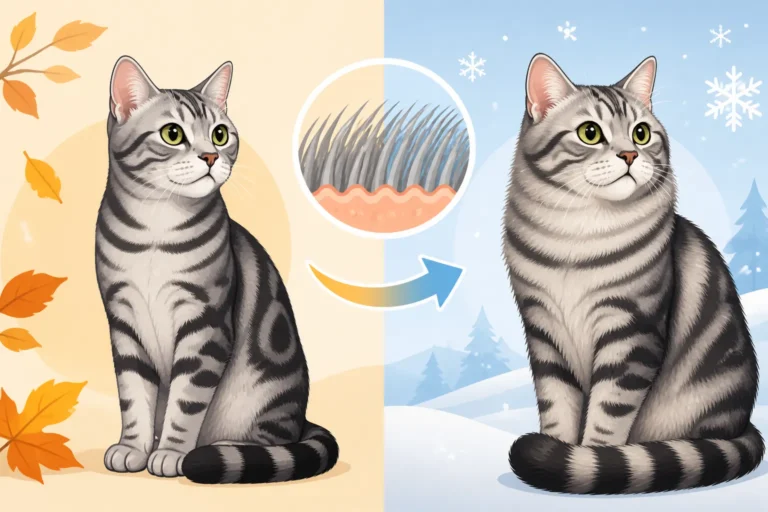
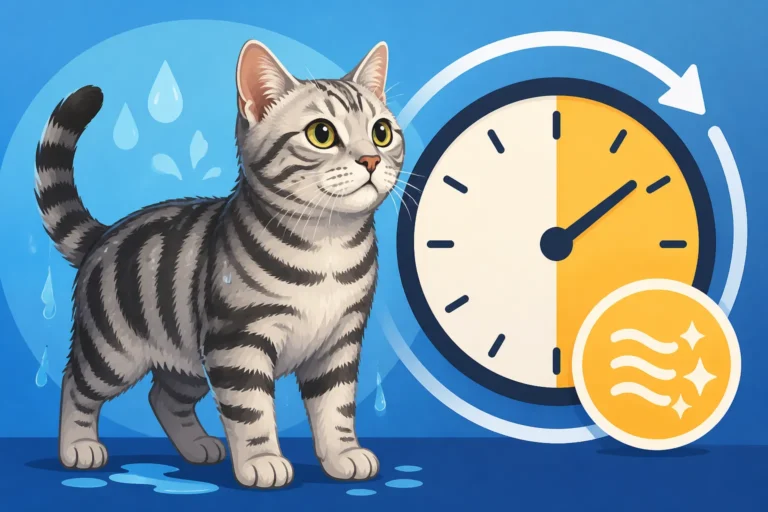
One of the most remarkable things about an American Shorthair's coat is its ability to adapt to the seasons. You've probably noticed it yourself – that extra fluffiness in winter, followed by the "fur-nado" that can happen in spring. This is completely normal and an essential part of their natural self-regulation. As the days get shorter and temperatures drop, their undercoat naturally thickens to provide more warmth. Why an American Shorthair's Coat Thickens for Winter. It’s their internal thermostat kicking in, preparing them for colder weather.
Then, when spring rolls around and the sun starts to linger longer, that thick winter undercoat begins to shed out. How an American Shorthair's Coat Thins Toward Summer. This natural shedding process is how they lighten their load, allowing cooler air to circulate closer to their skin. It’s literally their way of "taking off a sweater." The shedding might seem like a nuisance to us, leading to thoughts of shaving it all off, but it’s a vital part of how they stay comfortable and healthy. This natural cycle means their coat is constantly adjusting to provide optimal insulation and protection without any human intervention.
Why Shaving Harms, Not Helps, Your American Shorthair
It’s completely understandable why you might consider shaving your American Shorthair. Visions of less shedding, a cooler cat in summer, and perhaps even a pristine house dance in your head. However, the reality is that shaving a cat like an American Shorthair can lead to a host of problems that often outweigh any perceived benefits.
Disrupting Natural Temperature Regulation
The biggest misconception about shaving a cat for summer is that it will make them cooler. In truth, it often does the exact opposite. Their double coat isn't just for keeping warm; it's a sophisticated insulating system for all temperatures. The dense undercoat and the guard hairs create a layer that prevents external heat from reaching their skin, much like the insulation in your home keeps it cool in summer and warm in winter. When you shave this off, you remove that natural barrier.
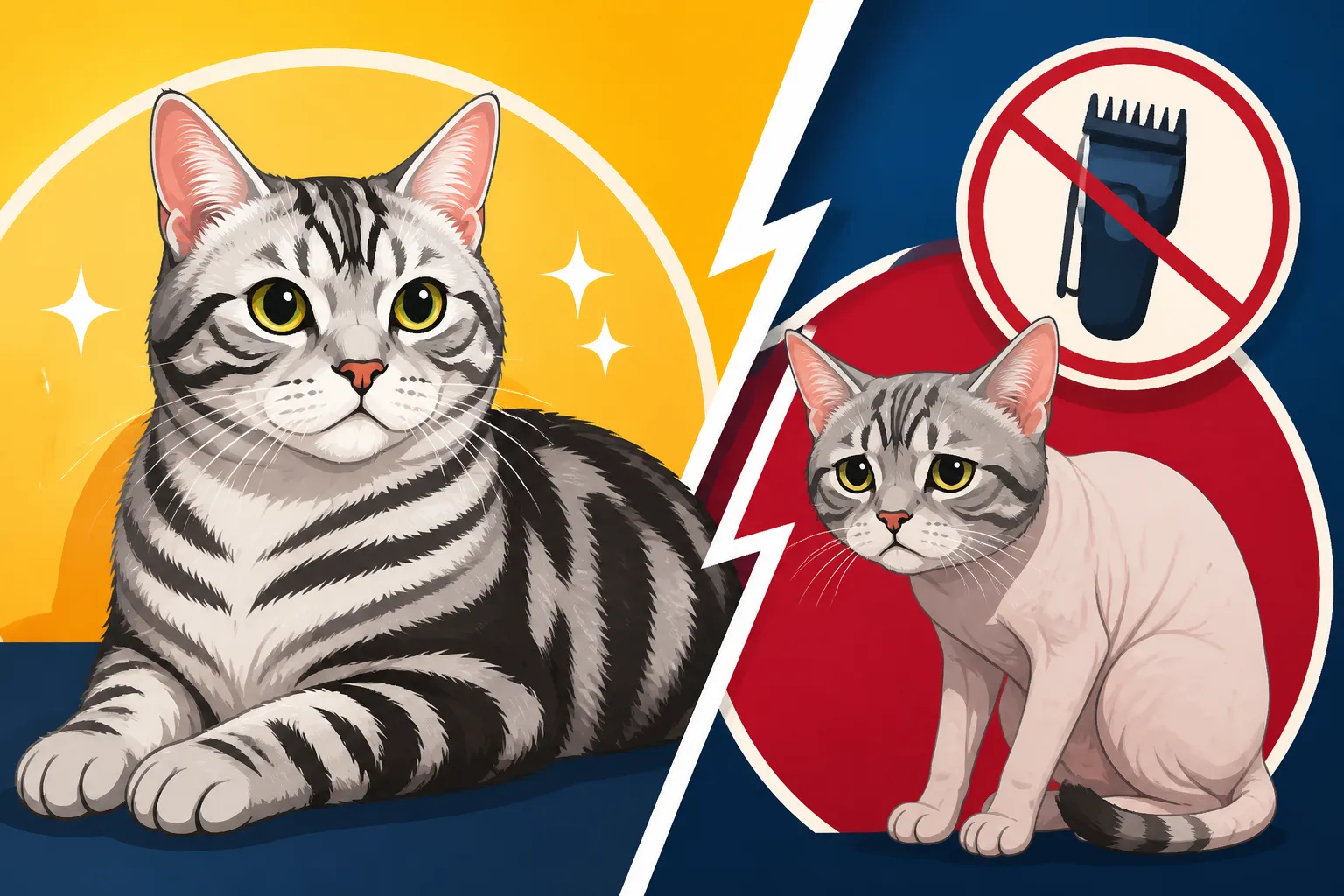
Suddenly, your American Shorthair's delicate skin is exposed directly to the sun's rays, making them much more prone to sunburn. Just like humans, cats can get skin cancer, and a shaved coat offers no protection. Furthermore, without the insulating layer, their body has to work harder to regulate its temperature, which can actually increase their risk of overheating. Imagine taking off a thick jacket in winter, only to find yourself colder because you've removed the air pocket that was keeping you warm. It’s a similar principle. They lose their natural AC and their sunblock.
Damaging the Coat's Structure and Growth
Shaving an American Shorthair can do more than just make them uncomfortable in the short term; it can permanently damage their beautiful coat. The process of shaving can be traumatic for the hair follicles. When the coat grows back, it might not be the same. You might notice that the new growth is patchy, uneven, or significantly coarser than before. This is because shaving can disrupt the natural growth cycle of the different hair types (guard hairs and undercoat).
Sometimes, cats develop what's known as "clipper alopecia," where the fur in the shaved areas either doesn't grow back at all or grows back very slowly and thinly. This can leave them with permanent bald spots or a perpetually scruffy appearance. Even if it does grow back, the delicate balance between the guard hairs and the undercoat can be compromised, leading to a coat that is less effective at providing insulation and protection. Over time, an American Shorthair's coat can coarsen naturally with age, but shaving can accelerate or exacerbate this textural change (see Whether an American Shorthair's Coat Coarsens With Age).
Skin Irritation and Protection Loss
Beyond the coat itself, shaving can directly impact your American Shorthair's skin health. The blades of clippers, even in skilled hands, can cause nicks, cuts, and clipper burn, which are not only painful but can also lead to infections. Cats have very thin, delicate skin, and it's easily traumatized.
Once shaved, their skin is left exposed and vulnerable. It no longer has the protection of the guard hairs against environmental irritants like pollen, dust, or even harsh cleaning products in the home. It also removes a layer of defense against minor scratches and scrapes, making them more susceptible to skin infections. And for cats that enjoy a bit of outdoor supervised time, removing that protective layer means they are far more exposed to parasites like fleas and ticks, and environmental debris. What an Outdoor American Shorthair Brings Home in Its Coat. Their natural defense system against the world is literally stripped away.
Effective and Safe Alternatives to Shaving
You love your American Shorthair, and you want what's best for them, whether it's managing shedding or ensuring they're cool and comfortable. Thankfully, there are many effective and safe alternatives to shaving that support their natural health and well-being without compromising their coat.
Regular Grooming for Shedding and Health
The absolute best way to manage shedding and maintain a healthy coat for your American Shorthair is through consistent, regular grooming. Their short, dense coat is actually quite low-maintenance compared to some long-haired breeds, but it still benefits immensely from your help. While it might feel like your cat needs constant attention during peak shedding season, the truth is, a little regular effort goes a long way. How Little Combing an American Shorthair Actually Needs.
Aim for a good brushing session a few times a week, especially during spring and fall shedding periods. A high-quality deshedding tool can work wonders to remove loose undercoat without damaging the guard hairs. Look for tools designed for short-haired breeds. A simple metal comb with both wide and narrow teeth is also excellent for getting through the coat. Many owners find great options on platforms like Chewy or Amazon, where you can read reviews to find the best fit for your cat. Don't forget that brushing isn't just about removing hair; it also distributes natural oils, which keeps their skin healthy and their coat shiny. It's a wonderful bonding experience too! How Often an American Shorthair Should Actually Be Combed. If you encounter a mat, which is rare for American Shorthairs but can happen with neglect or if they're overweight, try to gently tease it out with your fingers or the wide-toothed comb. Never cut a mat with scissors close to the skin, as it's incredibly easy to accidentally cut your cat. For stubborn mats, a professional groomer or vet can shave just that small area safely. Why an American Shorthair Almost Never Mats.
Managing Heat and Hydration
Keeping your American Shorthair comfortable in warmer weather is all about providing options for cooling down and ensuring they stay hydrated, not shaving their coat. Their coat actually helps prevent heat from reaching their skin.
Here are some tried-and-true methods:
- Provide Cool Resting Spots: Make sure your cat has access to cooler areas of the house. Tile floors, shaded spots, or even a damp towel can be inviting. Some cats enjoy lying on cooling mats designed for pets.
- Encourage Hydration: Always have fresh water available in multiple locations. Many cats prefer drinking from wide, shallow bowls or even running water, so a pet fountain can be a great investment. Proper hydration helps their internal systems run smoothly, including temperature regulation.
- Air Circulation: Ensure good airflow in your home with fans or air conditioning, if available. Just be mindful not to create drafts that are too strong or direct.
- Offer "Work for Food" Options: Instead of free-feeding, which can lead to weight gain (and difficulty grooming themselves), consider using puzzle feeders. These not only provide mental enrichment but also slow down eating and can be a less strenuous way for your cat to "hunt" for their food compared to high-energy play in hot weather. You can find many interactive feeders on Chewy or Amazon.
- Avoid Peak Heat: If your American Shorthair enjoys supervised outdoor time, schedule it for the cooler parts of the day – early morning or late evening.
Addressing Mats and Skin Issues Safely
While American Shorthairs are generally low-maintenance in the grooming department, issues can arise. Sometimes, an older or overweight cat might struggle to groom hard-to-reach areas, leading to mats, particularly around the hindquarters or under the legs. Rather than a full shave, addressing these specific issues is key.
If you find a mat, your first instinct might be to grab scissors, but this is incredibly risky. A cat's skin is very thin and can be pulled up into a mat, making it easy to accidentally cut them. Instead, try to work the mat apart with your fingers, applying a little cornstarch or detangling spray (made for pets) to help. Use a wide-toothed comb to gently tease from the outer edges of the mat inwards. If the mat is large, tight, or close to the skin, it's always best to consult your veterinarian or a professional groomer. They have specialized tools and training to safely remove mats without causing injury or undue stress to your cat. They can perform a "spot shave" or "sanitary trim" if absolutely necessary, targeting only the problem areas, which is very different from a full body shave.
Common Misconceptions and What to Do Instead
There are a few persistent myths surrounding cat shaving that lead well-meaning owners to consider it. Let's debunk these and provide actionable, cat-friendly solutions.
The Myth of Shaving for Allergies
One of the most common reasons people consider shaving their cat is to alleviate human allergies. The thought is, "less hair, less dander, fewer sneezes!" Unfortunately, this is a widespread misconception. The truth is that most cat allergies aren't caused by the hair itself, but by specific proteins found in a cat's saliva, urine, and dander (dead skin flakes). These proteins stick to the hair, but they also get everywhere else. Shaving your American Shorthair doesn't stop them from producing these allergenic proteins, nor does it significantly reduce the amount of dander they shed. How Much an American Shorthair Sets Off Allergies.
Instead of shaving, focus on strategies that genuinely reduce allergen load in your home:
- Frequent Brushing: Regular brushing removes loose hair and dander before it can spread throughout your home. Do this daily if possible, and ideally, have a non-allergic person do the brushing.
- Bathing: Some allergic individuals find that regular bathing (once a month or so) with a cat-specific shampoo can help wash away dander and allergens. Just be aware that most American Shorthairs aren't huge fans of baths, and it should be done with care to avoid drying out their skin.
- Air Purifiers: High-efficiency particulate air (HEPA) filters in air purifiers can trap airborne allergens.
- Environmental Cleaning: Regularly vacuuming with a HEPA-filter vacuum, washing bedding, and cleaning surfaces can significantly reduce allergens.
- Designated "Cat-Free" Zones: Designate certain areas, like the bedroom, as cat-free zones to give allergy sufferers a respite.
When a Vet Might Recommend a Partial Shave
While a full-body shave is generally not recommended for an American Shorthair, there are absolutely legitimate, medically necessary reasons why a veterinarian might recommend a partial shave. These situations are vastly different from an owner's decision to shave for convenience or perceived cooling.
A vet might shave a specific area for:
- Surgery: To create a sterile field for an incision.
- Wound Care: To clean and treat a wound effectively, preventing hair from contaminating it.
- Severe Matting: If mats are so severe and tight that they are causing pain, pulling on the skin, or restricting movement, a vet will safely remove them. This is usually done under sedation to minimize stress and prevent injury to the cat.
- Diagnostic Procedures: To get a clear ultrasound image or to take a skin biopsy.
- Application of Medication: To allow topical medications to reach the skin directly.
In these cases, the shaving is precise, limited to the necessary area, and performed by a professional. It's done to prioritize your cat's health and safety, not as a general grooming practice. If your vet suggests a shave, it's for a very good reason, and it will be as minimal and stress-free as possible.
Investing in Proper Care for a Lifetime
The American Shorthair is a wonderfully robust and relatively low-maintenance breed, a testament to their working origins. They're designed to take care of themselves, and their natural coat is a big part of that. Providing proper, consistent care for your American Shorthair isn't complicated, but it does require understanding their natural needs rather than imposing human preferences.
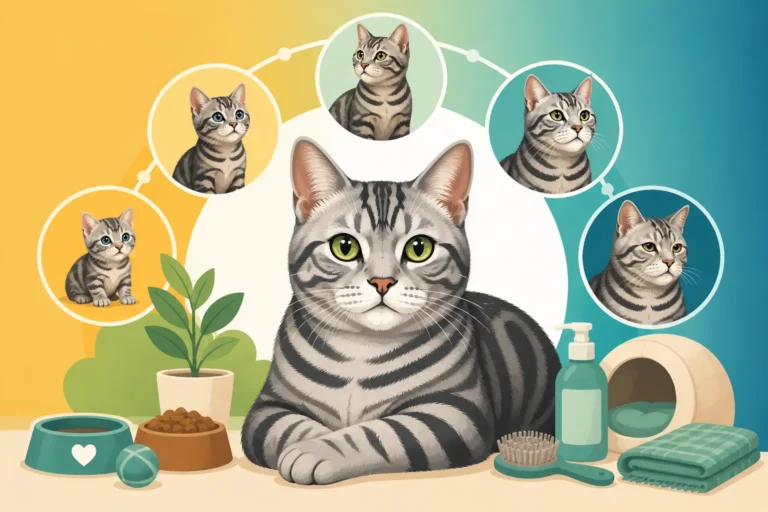
By focusing on regular brushing, a high-quality diet, ensuring access to fresh water, and engaging them in appropriate play, you're investing in their long-term health and happiness. These simple, consistent efforts support their natural coat health, help them manage shedding, and keep them comfortable in all seasons. They don't need fancy haircuts or extreme measures; they thrive on thoughtful, everyday care that respects their inherent design. This kind of care truly pays off over their long lifespan, ensuring they stay healthy and happy for many years. What Twenty Years of American Shorthair Care Looks Like.
It's clear that while the thought of shaving an American Shorthair might seem appealing for various reasons, it’s a decision that can lead to more problems than solutions. Their coat is a marvel of natural design, perfectly adapted to protect and regulate their body temperature. Trust in their natural biology, and support it with consistent, gentle care. Your American Shorthair will thank you for it with a healthy, beautiful coat and a happy disposition.
| Aspect of Coat | Natural State (Healthy American Shorthair) | Effects of Shaving |
|---|---|---|
| Primary Function | Protection from elements, insulation (heat/cold), self-grooming aid | Loss of protection, impaired insulation, increased grooming difficulty post-shave |
| Temperature Regulation | Double coat traps air for insulation, prevents overheating/cooling | Direct exposure to sun/cold, increased risk of sunburn and heatstroke/hypothermia |
| Skin Protection | Barrier against scratches, parasites, UV radiation, allergens | Exposed, sensitive skin; increased risk of cuts, nicks, infections, sunburn |
| Coat Texture | Dense, coarse guard hairs over soft undercoat, prevents matting | Can lead to coarse, patchy, uneven regrowth; potential permanent damage to follicles |
| Shedding Management | Natural shedding cycle managed with regular brushing | Does not stop dander/allergens; temporarily reduces hair but can lead to worse regrowth |
| Grooming Needs | Minimal, self-grooming with owner's brushing support | May struggle to groom after regrowth, leading to matting if texture changes |
Disclaimer
This article is for general informational purposes only and does not constitute professional advice. Laws, prices and regulations vary by location and change over time. Consult a qualified professional for guidance on your specific situation.