How Dense an American Shorthair’s Coat Is
When you picture an American Shorthair, you might just see a "shorthaired cat," perhaps a tabby, and assume their coat is just, well, short and simple. But that couldn't be further from the truth! Their coat, far from being just a basic layer of fur, is a marvel of natural engineering, packed with a density that speaks volumes about their lineage as working cats built to thrive in various conditions. This guide will delve deep into the remarkable density of the American Shorthair's coat, explaining what makes it so unique, how it functions, and what you, as an owner, need to know to appreciate and care for this resilient feature.
Understanding the American Shorthair's Coat Structure
The American Shorthair's coat isn't just a single layer of fur; it's a meticulously designed system, honed over centuries of outdoor living and practical work. This isn't a coat bred for delicate aesthetics or extreme fluff, but for pure, unadulterated utility.
The Double-Layered Defense: Guard Hairs and Undercoat
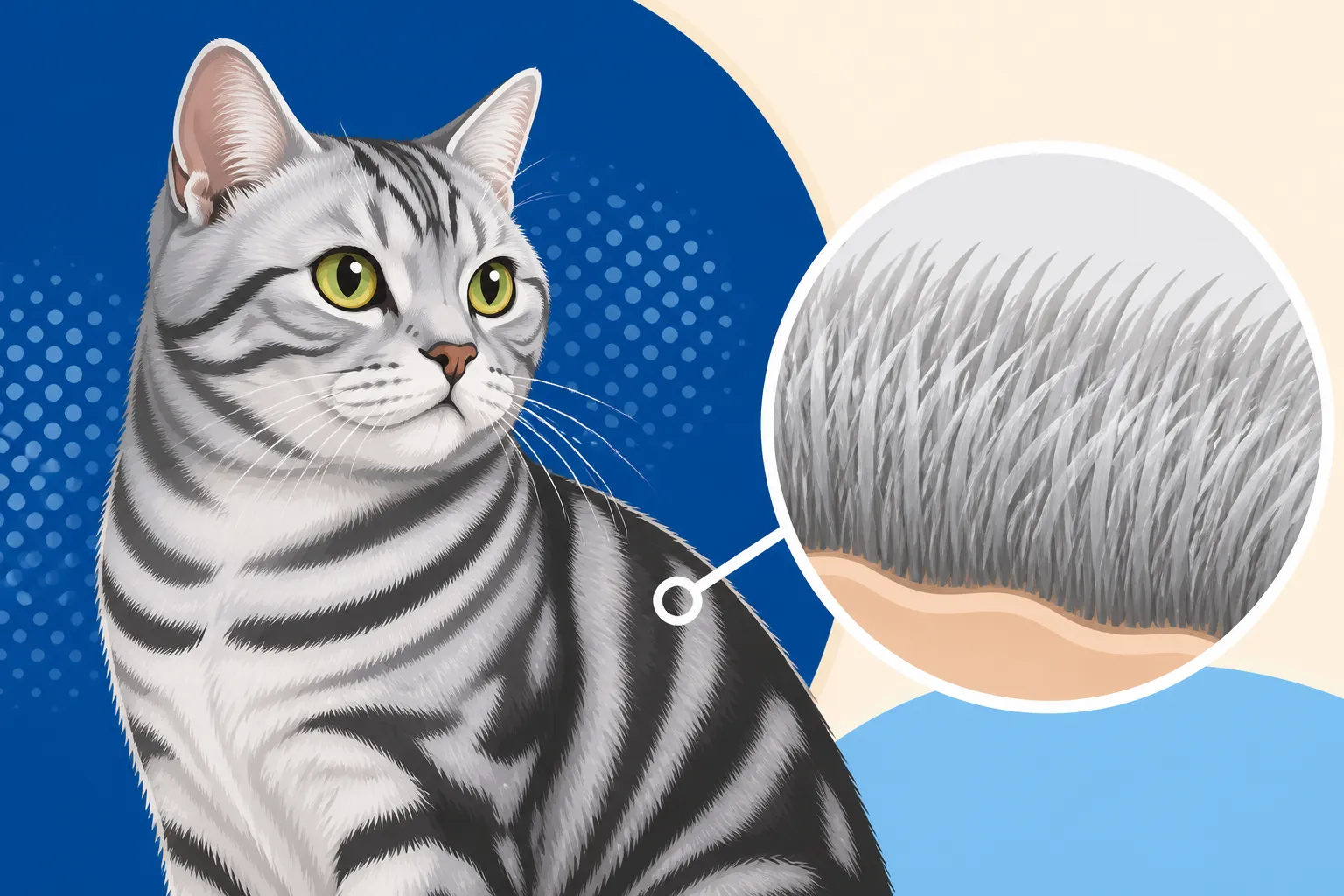
At the heart of the American Shorthair's coat density is its double-layered structure. Many people overlook this crucial detail, assuming a short coat means a simple coat. However, a peek beneath the surface reveals a sophisticated design.
First, you have the guard hairs. These are the longer, coarser hairs that you see and feel on the surface. They are quite stiff to the touch, and this isn't a flaw; it's a feature. These guard hairs act like a protective shield, designed to repel water and dirt, keeping the elements away from the cat's skin. Think of them as the outer armor, providing the first line of defense against rain, snow, or even thorny bushes when their ancestors were out patrolling barns and fields. The American Shorthair's Coat Was Built for Weather, Not a Judge delves deeper into this utilitarian aspect.
Beneath this protective layer lies the undercoat, a dense, softer, and much finer layer of fur. This is where a significant part of the "density" comes from. The undercoat is primarily responsible for insulation, trapping a layer of air close to the cat's body to keep them warm in cold weather and, perhaps surprisingly, helping to regulate their temperature in warmer climates by preventing direct sun exposure. It's truly a testament to natural selection, ensuring these cats could perform their duties in a wide range of North American environments. If you've ever wondered Whether an American Shorthair Carries an Undercoat, the answer is a resounding yes, and it's essential to their well-being. This undercoat contributes significantly to the feeling of robustness when you run your hand over their fur.
Why the American Shorthair's Coat is Built for All Seasons
The history of the American Shorthair is intrinsically linked to its coat's capabilities. These cats weren't pampered pets from the outset; they were hardy working animals brought to the New World on ships to manage rodent populations. This meant they faced everything from harsh New England winters to humid Southern summers. Their coat evolved to be a versatile tool, capable of adapting to these extremes.
The density isn't just about the sheer number of hairs; it's about their quality and arrangement. The guard hairs are straight and tough, preventing matting and tangles, which would be a huge hindrance for an active working cat. The undercoat, while dense, is also designed to shed efficiently when the seasons change. This allows them to bulk up their insulation for winter and thin it out for summer, a natural cycle that kept them comfortable and effective year-round. Why an American Shorthair's Coat Thickens for Winter further explores this seasonal adaptation. It’s a low-maintenance, high-performance coat that reflects their independent, self-sufficient nature.
The Practical Implications of a Dense Coat
Understanding the density of your American Shorthair's coat isn't just an academic exercise; it has real-world implications for their comfort, health, and the care you provide.
Insulation Against the Elements
The dense, double-layered coat of the American Shorthair provides exceptional insulation. In colder months, the thick undercoat acts like a built-in down jacket, trapping warmth close to their body. This is why you often see them quite content even when temperatures drop, assuming they have adequate shelter. How Well an American Shorthair Handles Cold highlights their impressive resilience. This same insulation also helps in warmer weather by preventing direct heat from reaching their skin, keeping them cooler than you might expect. It's a testament to evolutionary design: a coat that can handle diverse climates without human intervention.
However, while their coat is naturally robust, it's still our responsibility to ensure they're not pushed to extremes. Even a cat with a fantastic natural coat shouldn't be left outdoors in severe weather without protection. Their coat is an aid, not a magic shield against all conditions.
Shedding: What to Expect from a Dense Coat
Given their dense undercoat, it's natural to assume American Shorthairs shed a lot, and you wouldn't be wrong. They definitely do, particularly during seasonal changes. This isn't a constant, overwhelming flurry of fur, but rather distinct periods of heavier shedding.
The most noticeable shedding occurs twice a year, typically in spring as they shed their thicker winter coat to prepare for warmer temperatures, and again in the fall as they grow in a new, denser undercoat for winter. During these times, you'll definitely find more fur around the house, on your furniture, and perhaps even on your clothes. An American Shorthair Sheds Twice a Year and Asks Nothing Else provides a detailed look into this process. Regular grooming during these periods is not just for tidiness, but also for your cat's comfort, helping them get rid of dead hair and preventing hairballs. Don't be surprised if your casual petting session during peak shedding turns into an impromptu grooming session, leaving a cloud of fine undercoat on your lap.
Grooming a Robust, Dense Coat
While the American Shorthair's coat is remarkably self-sufficient, a little help from you can go a long way, especially given its density. The good news is, they generally don't require extensive grooming sessions like some long-haired breeds. Their short, dense fur means matting is incredibly rare, almost unheard of, unless they become severely overweight and can't reach certain areas. Why an American Shorthair Almost Never Mats explains this further.
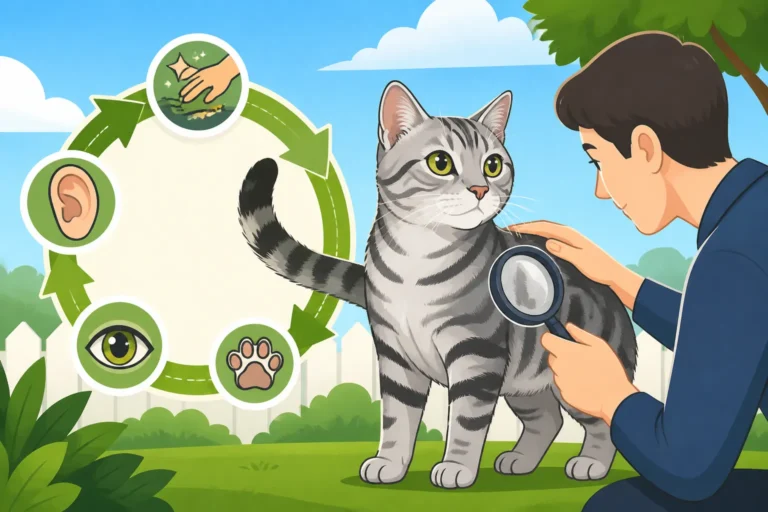
The primary goal of grooming an American Shorthair is to manage shedding and keep their skin healthy. A weekly brush is usually sufficient, increasing to 2-3 times a week during those heavier shedding seasons. A good quality slicker brush or a deshedding tool can work wonders. When shopping online, you'll find brands like Chewy and Amazon offer a wide array of options specifically designed for shorthaired breeds with dense undercoats. Look for tools that can reach through the guard hairs to gently remove loose undercoat without irritating their skin.
A metal comb can also be very effective for checking for any tangles (though rare) and ensuring the coat is smooth. Brushing also distributes natural oils, keeping their coat shiny and healthy. Beyond brushing, an American Shorthair rarely needs a bath, as their coat is designed to be self-cleaning. Over-bathing can strip natural oils, so stick to spot cleaning if absolutely necessary, or consult your vet for advice on bathing if there's a specific issue.
| Coat Feature | Description | Implication for Owner |
|---|---|---|
| Guard Hairs | Outer layer, coarse, water-resistant, protective. | Minimal matting, repels dirt, gives a firm feel. |
| Undercoat | Inner layer, dense, soft, fine, insulating. | Provides warmth in winter, aids cooling in summer. Contributes heavily to seasonal shedding. |
| Overall Density | High, due to abundant undercoat and closely packed guard hairs. | Excellent natural insulation, robust appearance. |
| Texture | Firm, resilient, not plush or fluffy. Often described as "hard." | Low maintenance for tangles. Requires specific brushes for undercoat removal. |
| Shedding Pattern | Seasonal, heaviest in spring and fall. | Regular brushing is crucial during these times to manage loose fur and prevent hairballs. |
Debunking Myths About American Shorthair Coat Density
There are a few misconceptions floating around about the American Shorthair's coat, especially concerning its density and texture. Let's clear those up!
Density vs. Softness: The "Hard" Coat Feel
One common reaction people have when petting an American Shorthair for the first time is noticing that their coat isn't as plush or soft as, say, a British Shorthair's. Instead, it feels quite firm, almost "hard" to the touch. This isn't a sign of poor coat health; it's a defining characteristic of the breed, directly related to its density and purpose.
The "hardness" comes from the robust nature of those guard hairs, which are meant to be durable and protective. They stand slightly away from the body, creating that resilient feel. This texture, combined with the dense undercoat beneath, is what makes their coat so effective at weatherproofing and protection. It's a working coat, not a luxury coat. What Makes an American Shorthair's Coat Hard Rather Than Soft explains the functional reasons behind this distinct texture. If you're expecting a cloud-like softness, you might be surprised, but once you understand the utility of this coat, you'll appreciate its unique qualities.
Comparing Density: American Shorthair vs. Other Breeds
It's helpful to compare the American Shorthair's coat density to other breeds to truly understand its characteristics.
When placed next to a Domestic Shorthair (often called a "moggy" or "alley cat"), the differences can be subtle but significant. While many Domestic Shorthairs also have a double coat, its density and uniformity can vary wildly depending on their genetic mix. An American Shorthair, however, has a consistently dense and structured coat as dictated by its breed standard, reflecting centuries of selective breeding for utility. The guard hairs are more consistently firm, and the undercoat reliably thick.
The contrast becomes even clearer when compared to a British Shorthair. British Shorthairs are famous for their incredibly plush, dense, and soft coats, often described as feeling like velvet or a thick rug. This is a very different kind of density, prioritizing softness and bulk. The British Shorthair's coat stands out from its body, contributing to its round, teddy-bear appearance. In contrast, the American Shorthair's coat lies closer to the body, maintaining a sleek, muscular outline despite its underlying density. How an American Shorthair's Coat Differs From a British Shorthair's Plush delves into these distinctions. The American Shorthair's density is about resilience and waterproofing, while the British Shorthair's is about luxurious softness.
Maintaining Coat Health for Optimal Density and Function
A healthy coat isn't just about aesthetics; it's a reflection of your cat's overall well-being. For an American Shorthair, maintaining the integrity and density of their coat ensures it can continue to perform its natural protective functions.
Nutrition's Role in a Healthy, Dense Coat
What your American Shorthair eats plays a huge role in the health, shine, and even density of their coat. A poor diet can lead to a dull, brittle coat, excessive shedding, and even skin issues. A high-quality diet rich in essential fatty acids, particularly Omega-3 and Omega-6, is crucial. These nutrients contribute to skin hydration and a healthy, strong hair follicle, which in turn supports a dense, resilient coat.
Look for cat foods that list real meat as the first ingredient and contain a good balance of vitamins and minerals. Some premium brands focus on ingredients that support skin and coat health. Fresh, human-grade cat food can be an excellent option for promoting optimal coat condition due to its high-quality protein and fat content. If you're feeding kibble, ensure it's a reputable brand. Supplements, such as fish oil, can also be beneficial, but always consult your veterinarian before adding anything new to your cat's diet. A well-nourished American Shorthair will naturally have a healthier, denser coat that sheds less excessively and has a better sheen. Which Food Suits an American Shorthair Built for Muscle touches on their dietary needs more broadly.
Environmental Factors and Coat Condition
While the American Shorthair's coat is built for adaptability, their living environment can still impact its condition and density.
Indoor vs. Outdoor Living: Traditionally, these cats were outdoor working animals. Today, many American Shorthairs live exclusively indoors, which is generally safer for their overall health and lifespan. However, indoor living with consistent temperatures (thanks to heating and air conditioning) can sometimes alter their natural shedding cycles. Instead of distinct seasonal shedding, some indoor cats might shed a bit more consistently year-round, as their bodies don't get the strong seasonal cues to bulk up or thin out their coats as dramatically. This isn't necessarily a problem, but it might mean slightly more regular light brushing throughout the year. The Risks an Outdoor American Shorthair Takes That an Indoor One Does Not can offer more context on lifestyle choices.
Humidity and Temperature: Extreme changes in humidity or persistent dry air can affect skin health, which then impacts the coat. In very dry environments, you might notice a slight increase in dander or a dullness to the coat. Providing adequate hydration through fresh water and potentially incorporating wet food into their diet can help counteract dry skin issues.
Stress: Just like in humans, stress can manifest in physical ways, including coat health. A stressed cat might over-groom, leading to bald spots, or their coat might appear dull and brittle. Ensuring a stable, enriching environment, consistent routines, and plenty of mental and physical stimulation can help keep your American Shorthair happy and their coat healthy. What an American Shorthair Does Instead of Demanding illustrates their generally placid nature, which often helps mitigate stress, but it's still a factor to consider.
The American Shorthair's dense coat is more than just fur; it's a legacy, a testament to their resilience and practical origins. By understanding its unique structure, respecting its functional purpose, and providing appropriate care, you can ensure your beloved American Shorthair continues to sport a healthy, magnificent coat for years to come.
Disclaimer
This article is for general informational purposes only and does not constitute professional advice. Laws, prices and regulations vary by location and change over time. Consult a qualified professional for guidance on your specific situation.