Whether a British Shorthair Costs More Than an American Shorthair
The decision to bring a new feline family member into your home is always exciting, but it often comes with a heap of questions, especially when you're trying to choose between two wonderful, yet distinctly different, pedigree breeds like the American Shorthair and the British Shorthair. One of the most common dilemmas I hear from prospective owners is trying to figure out if there's a significant difference in how much these lovely cats cost, both upfront and over their many years with you. This guide aims to clear up that confusion, giving you a realistic look at the financial commitments involved with each breed.
Understanding the Initial Investment: Purchase Price Differences
When you first start looking into bringing home a pedigree cat, the initial sticker shock can be quite real. You might be wondering if that hefty price tag is just for the name or if there’s a genuine difference in the cost of an American Shorthair versus a British Shorthair kitten. While both are recognized, reputable breeds, you'll generally find some notable distinctions in their purchase prices.
Why British Shorthairs Often Command a Higher Price
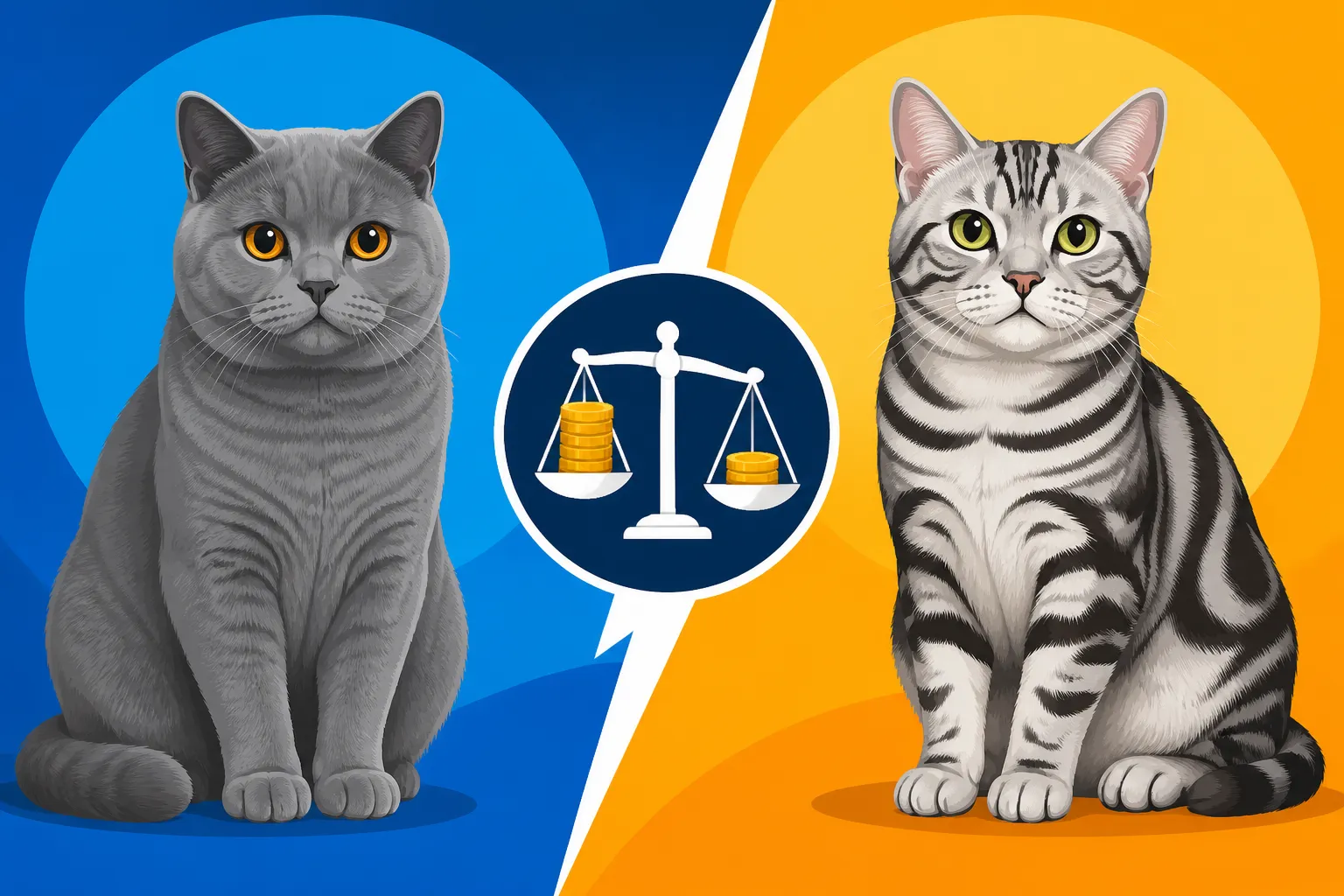
It's a common observation in the cat fancy world that British Shorthair kittens often come with a higher price tag compared to their American Shorthair counterparts. There are a few reasons for this trend. For starters, the British Shorthair has enjoyed a surge in global popularity in recent years, particularly for its distinctive "teddy bear" appearance, dense plush coat, and calm demeanor. This high demand, combined with the often smaller litter sizes (especially compared to some other breeds), can drive prices up. Breeders who are dedicated to maintaining the breed standard, performing extensive health screenings, and ensuring top-tier lineage invest a great deal of time and resources into their breeding programs. This all translates into the initial cost.
Furthermore, the genetic lines for British Shorthairs, particularly those imported from champion European lines, can be more expensive to acquire and maintain. Breeders often travel internationally for specific pairings, and the associated costs for stud fees, travel, and registration within various international cat associations contribute to the final price of the kitten. Many British Shorthair breeders focus heavily on ensuring their cats meet the stringent aesthetic and health standards that buyers expect, which is reflected in their pricing structure. You can often find breeders specializing in particular, highly sought-after colors like the classic blue, which might also influence the price.
The Accessible Entry Point of the American Shorthair
In contrast, the American Shorthair often presents a more accessible entry point for pedigree cat ownership, though this isn't to say they are "cheap" by any means. They are a well-established breed with a long history in North America, often seen as the quintessential "working cat" that evolved naturally before formal breeding programs. This long history and wider availability mean that while reputable breeders still invest heavily in health and temperament, the sheer volume of quality breeders and kittens can sometimes lead to slightly lower prices than their British cousins. You might find that What a Registered American Shorthair Kitten Costs With Papers varies less dramatically across breeders, although exceptional lines or rare markings will always command a premium.
American Shorthairs are celebrated for their robust health, adaptable temperament, and striking, often tabby, patterns. While their popularity is enduring, they haven't experienced the same kind of recent global "boom" in demand that has affected British Shorthair prices. A good American Shorthair breeder will still prioritize health screenings, socialization, and ensuring their kittens go to loving homes. They'll provide all the necessary health paperwork and registration documents, ensuring you're getting a genuine pedigree cat. The difference isn't in the quality of care or dedication from the breeder, but often a reflection of market demand, breed characteristics, and the depth of the available gene pool. It's truly fascinating to look at Why American Shorthair Prices Range So Widely to understand the nuances even within the breed.
Diving Deeper into Ongoing Expenses: Food, Vet Care, and More
Beyond the initial purchase price, the true cost of owning any pet, especially a pedigree cat, lies in the ongoing expenses throughout their life. It's not just about what you pay upfront, but what you'll be spending on their health, nutrition, and well-being for potentially two decades. When comparing the American Shorthair and British Shorthair, some subtle differences in their needs can impact your budget.
Nutritional Needs and Feeding Costs
Both American and British Shorthairs are robust, muscular cats, but their activity levels and predispositions can influence their dietary needs. American Shorthairs, with their heritage as working cats, tend to be quite active and maintain a good musculature. They generally thrive on high-quality, protein-rich food that supports their lean build and energy levels. While they can be prone to weight gain if overfed, particularly indoors, their natural metabolism is geared towards activity. You might find that What Feeding an American Shorthair by Portion Costs a Month is a consistent expense that prioritizes quality ingredients.
British Shorthairs, on the other hand, are known for their somewhat more sedentary lifestyle once they mature. They can be prone to obesity if their diet isn't carefully managed, which means high-quality, balanced nutrition is paramount. Many British Shorthair owners opt for specific formulations designed for less active or indoor cats, or foods that help manage weight. Both breeds require good nutrition to maintain their thick, dense coats and overall health. Investing in quality food from reputable brands, perhaps through convenient online retailers like Chewy, can save you money on vet bills in the long run by preventing diet-related health issues.
Veterinary Care and Insurance Considerations
Generally speaking, both breeds are considered healthy, but like all pedigrees, they have certain predispositions. American Shorthairs are known for their robust health and long lifespans, often only needing routine check-ups and preventative care. However, they can be susceptible to conditions like hypertrophic cardiomyopathy (HCM), a common heart condition in many cat breeds. Regular vet visits are crucial, and sometimes special screenings like heart scans are recommended, especially for breeding cats. Knowing What an American Shorthair HCM Screening Costs can help you budget for potential future diagnostics.
British Shorthairs also generally enjoy good health, but some lines may have a higher predisposition to certain conditions, including HCM and polycystic kidney disease (PKD), though reputable breeders screen rigorously to minimize these risks. Their slightly more "cobby" build can sometimes lead to joint issues later in life if weight isn't managed. Because of these potential genetic predispositions, some owners find the peace of mind of pet insurance invaluable. Providers like Healthy Paws can offer plans that help cover unexpected veterinary costs for accidents, illnesses, and even some emergency procedures. It's often debated Why an American Shorthair Is Cheap to Insure compared to some other breeds, but it's always wise to compare policies for both, considering their specific health profiles.
Grooming, Accessories, and Enrichment
Neither breed requires extensive professional grooming. Both have short, dense coats that are relatively easy to maintain with regular brushing, especially during shedding seasons. American Shorthairs shed twice a year, and a good comb is usually all you need to keep their coat healthy and reduce hairballs. The One Grooming Tool an American Shorthair Owner Buys is usually just a simple brush. British Shorthairs have a plush, dense coat that can benefit from a bit more frequent brushing to prevent matting, especially on their undercoat, but it's still generally a low-maintenance affair.
When it comes to accessories and enrichment, both breeds benefit from sturdy scratching posts, interactive toys, and comfortable resting spots. American Shorthairs, with their strong prey drive and active nature, will appreciate toys that simulate hunting and perhaps even a cat wheel for exercise. British Shorthairs, while generally calmer, still need mental stimulation and a variety of toys to keep them engaged and prevent boredom-related behaviors. Consider puzzle feeders to make mealtime an enriching experience, tapping into their natural instincts. Litter boxes that accommodate their sturdy build are also essential for comfort and hygiene.
Beyond the Basics: Factors Influencing the Price Tag
The base price for an American Shorthair or British Shorthair kitten is just that—a base. Several factors can significantly sway how much you ultimately pay, and understanding these can help you manage your expectations and budget. It's not always about finding the absolute cheapest option, but about understanding the value behind the price.
Breeder Reputation and Health Screening
One of the most critical factors influencing the price of any pedigree cat is the reputation of the breeder and their commitment to health screening. Reputable breeders for both American and British Shorthairs invest heavily in ensuring the health and genetic soundness of their breeding cats. This includes extensive veterinary check-ups, genetic tests for inherited diseases (like HCM in both breeds, and PKD in British Shorthairs), and ensuring their cattery meets high standards of care and cleanliness. These health screenings aren't cheap. For example, What an American Shorthair HCM Screening Costs can be a significant expense for a breeder, which is then factored into the kitten's price.
Breeders who stand behind their kittens with health guarantees, provide comprehensive vaccination records, and offer ongoing support are invaluable. They don't just sell you a kitten; they provide a well-socialized, healthy companion with a documented history. Conversely, "backyard breeders" who don't perform necessary health checks or breed responsibly may offer lower prices, but these savings often come at the risk of future, costly health issues for the kitten, leading to heartache and significant vet bills down the line. It truly pays to How to Find an American Shorthair Breeder Worth Paying For and ask detailed questions about their practices, regardless of the breed you choose.
Pedigree and Show Potential
The lineage and potential for a kitten to do well in the show ring also play a huge role in its price. Kittens from champion bloodlines, where parents and grandparents have achieved titles in cat shows, will naturally be more expensive. This is because these lines represent the pinnacle of the breed standard, with traits that breeders strive to maintain. A kitten with "show potential" – meaning it closely adheres to the breed standard in terms of conformation, coat, and temperament – will command a premium over a "pet quality" kitten from the same litter.
For British Shorthairs, this can be particularly pronounced due to the emphasis on their distinctive round faces, dense coats, and specific color points. For American Shorthairs, the clarity of their tabby markings and their strong, balanced build are highly valued. Most people are looking for a loving companion, not necessarily a show cat, so being clear with breeders about your intentions can sometimes help you find a lovely pet-quality kitten at a slightly lower price than a show-quality one. However, even pet-quality kittens from champion lines will reflect the breeder's investment in those lines.
Color, Pattern, and Rarity
Certain colors or patterns can also influence the price of both American and British Shorthair kittens. For American Shorthairs, the classic silver tabby is incredibly popular and often commands a higher price because it's so iconic and striking. Other colors and patterns might be slightly more accessible. For British Shorthairs, the solid blue color is famously associated with the breed and is often in high demand, leading to higher prices. Rare or novel colors within either breed, if they are accepted by the breed standard, might also fetch a higher price due to their uniqueness.
However, rarity isn't always the only factor. Sometimes, a color or pattern that is less common but still within the breed standard might be priced similarly to a more common color, simply because the overall quality of the kitten (health, temperament, conformation) is excellent. It's worth noting that Which American Shorthair Colors Cost the Most isn't always about the rarest, but often about the most popular and aesthetically pleasing to the general public.
Long-Term Financial Commitments: What to Expect Over Their Lifespan
Bringing a cat into your life is a long-term commitment, and that extends to your finances. While the initial purchase price might seem like the biggest hurdle, the cumulative costs over their entire lifespan are what truly add up. Understanding this full picture helps you budget realistically and ensure you can provide the best care for your feline friend.
Routine Veterinary Care and Preventative Health
Both American and British Shorthairs are known for being long-lived breeds, often reaching into their mid-to-late teens, and sometimes even longer. Over a 15-20 year lifespan, routine veterinary care becomes a significant part of the overall cost. This includes annual check-ups, vaccinations, parasite prevention (flea, tick, and worm treatments), and potentially annual bloodwork as they age. Don't forget the importance of dental care; How Many Dentals an American Shorthair Owner Pays For can be a surprising cost if not budgeted for, as cats often need professional cleanings throughout their lives.
As your cat ages, the need for more frequent vet visits or specialized care might increase. Conditions like arthritis, kidney disease, or hyperthyroidism are common in senior cats of all breeds. Proactive care, often supported by pet insurance plans like those from Healthy Paws, can help manage these expenses. It’s also wise to maintain a separate savings fund for unexpected emergencies, as even generally healthy cats can have accidents or sudden illnesses. The cost of caring for an American Shorthair or British Shorthair in their last five years, when health issues often become more prevalent, can be substantial, making long-term financial planning essential.
Quality of Life: Food, Litter, and Enrichment
Beyond medical care, the day-to-day costs of providing a high quality of life for your cat are continuous. Quality food, as discussed, is a primary expense, but so is cat litter. A large, sturdy cat like an American Shorthair or British Shorthair will require a generously sized litter box and a good amount of high-quality litter. Investing in good litter can reduce odors and make cleanup easier, improving the environment for both you and your cat.
Enrichment items, while not daily purchases, are ongoing needs. Cat trees, scratching posts (which need replacing over time), and a rotation of stimulating toys contribute to their physical and mental well-being. Both breeds, despite their differences in activity, benefit immensely from engaging play and comfortable environments. Products available from retailers like Chewy or specialty pet stores can help keep your cats happy and healthy. Consider puzzle feeders or interactive toys that you can fill with treats to keep them mentally stimulated, especially if they are indoor-only cats.
The Lifetime Cost Comparison
When you sum up all the potential costs – initial purchase, food, litter, routine vet care, potential emergency vet care, insurance premiums, grooming supplies, and enrichment items – the lifetime cost of owning either an American Shorthair or a British Shorthair is substantial. While the British Shorthair might start with a higher purchase price, the ongoing costs often equalize over the long term, depending heavily on individual health, lifestyle, and your choices in care.
Ultimately, both breeds offer incredible companionship and joy. The American Shorthair, with its adaptable, friendly nature and generally robust health, provides a wonderful family pet. The British Shorthair, known for its calm, gentle temperament and distinctive looks, is a truly charming companion. Your decision shouldn't solely rest on which one might initially cost a little less, but rather which breed's personality and needs best align with your lifestyle, and your willingness to commit to their care for their entire, long and happy life. Having a clear picture of the financial commitment, however, empowers you to make an informed decision and prepare for whatever joys and challenges come your way. This is truly what Twenty Years of an American Shorthair, Priced Out aims to convey, giving you a full, realistic perspective on the journey ahead.
Disclaimer
This article is for general informational purposes only and does not constitute professional advice. Laws, prices and regulations vary by location and change over time. Consult a qualified professional for guidance on your specific situation.