Whether the American Shorthair Has a Breed Club
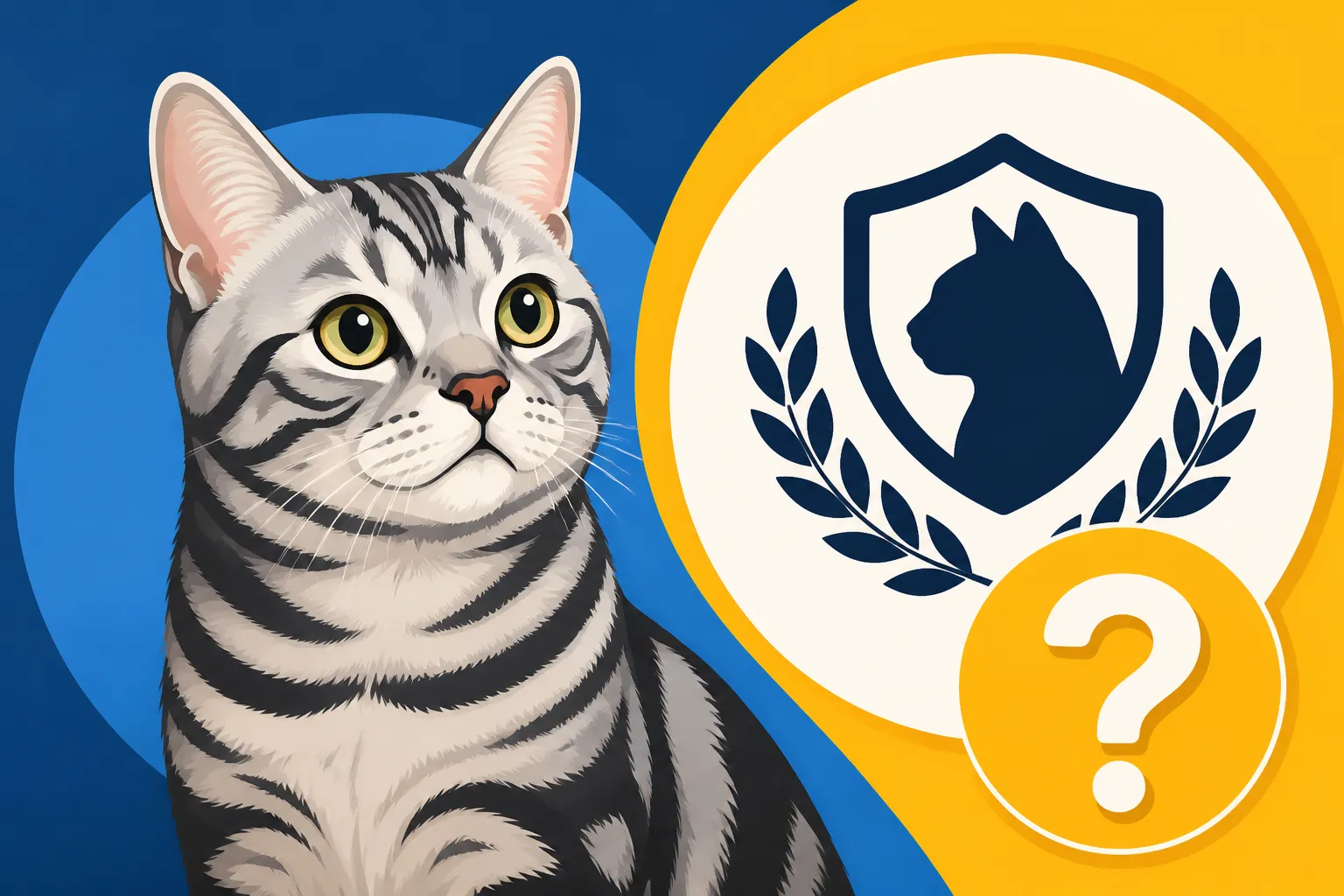
If you’re looking for an American Shorthair breed club, it can be confusing to tell a dedicated club apart from a cat registry, breed council, or breeder group. The short answer is that American Shorthairs have organized breed representation, but the exact structure and activity of a club can vary. This guide explains where to look, what these groups do, and how to check whether a resource is genuinely useful.
Does the American Shorthair have a breed club
Breed clubs, breed councils, and registries are different
People often use “breed club” as a catch-all term for any organization connected with a particular cat breed. In practice, several different kinds of groups may serve American Shorthair owners, and they do not all have the same purpose.
A breed club is generally a member organization focused on the breed. It may share educational material, connect owners and breeders, encourage responsible breeding, or help people learn about showing. A breed council, by contrast, is often a breed-focused group within a larger registry or cat association. A registry maintains breed records and sets or applies registration rules; it is not necessarily a social club for owners.
That distinction matters if you’re trying to solve a particular problem. If you want advice about breed characteristics, a breed council or established club may be helpful. If you need to confirm whether a cat is registered, you’ll need the registry and the cat’s paperwork. If you want to meet local owners, a regional show or a local cat community may be more useful than a national organization.
The American Shorthair is recognized by established cat registries, but recognition by a registry does not automatically mean there is a large network of local clubs with regular meetings in every area. For background on the organizations involved, see Which Registries Recognize the American Shorthair and Which Year the CFA Recognized the American Shorthair.
What “has a breed club” means for an owner
For a prospective owner, the practical answer is that there are breed-specific resources and organized American Shorthair communities to seek out. But you may find that the resource is called a breed council, breeder association, or club rather than one universally known national organization with chapters near you.
That can feel like a non-answer when all you want is a reliable place to ask questions. It doesn’t mean the breed has no community. It means you should look at the group’s actual purpose and current activity instead of relying on its name. Does it publish information about the breed? Does it have a clear connection to a recognized registry or established cat association? Are its events, officers, or member activities described in a way you can verify?
It’s also worth remembering that a club’s membership does not make a particular breeder automatically responsible, reputable, or suitable. Membership can provide a useful connection, but it is only one part of your research. Ask about health screening, how kittens are raised, what documentation comes with a kitten, and whether the breeder is willing to answer questions after the sale. The checklist in Which Questions to Ask an American Shorthair Breeder can help you prepare.
What an American Shorthair breed club can help with
Learning the breed standard and recognizing typical features
One of the most practical roles of a breed-focused organization is helping people understand what the American Shorthair is supposed to look like. The breed has a sturdy, balanced build and a short coat, but a stocky domestic-looking cat is not automatically a pedigreed American Shorthair. A standard describes the desired type for the breed; it is not a shortcut for identifying a cat’s ancestry by appearance alone.
Clubs and breed councils may explain features such as body shape, head proportions, coat patterns, and temperament expectations. This information can be useful if you’re considering a kitten, learning about cat shows, or trying to understand why two cats that look similar may have different breed backgrounds. For a fuller overview, read What the American Shorthair Standard Asks For and How an American Shorthair Differs From a Domestic Shorthair.
A standard is also not a guarantee that every individual cat will match an ideal description. Cats vary, and pet-quality animals may differ from the characteristics emphasized in the show ring. A helpful club should make that distinction clear rather than suggesting that one color, pattern, or appearance is the only “real” American Shorthair.
Finding shows, mentors, and other owners
A breed community can make the cat-show world less intimidating. If you have never attended a show, it can be hard to know what happens there, how cats are presented, or what questions are appropriate to ask. Experienced exhibitors and breed-focused groups may help newcomers understand the process and meet people who know the breed well.
Shows can also be a chance to see American Shorthairs in person and compare their appearance with what you’ve read. That’s more useful than choosing a cat based on a single photograph, especially when online listings use “American Shorthair” loosely. Still, seeing a cat at a show does not prove that a seller is responsible or that a kitten’s pedigree is valid. Ask for registration and health documentation separately.
If your goal is companionship rather than showing, a club may still be useful for learning what ownership is like. Members can discuss everyday topics such as grooming, play, introductions to other pets, or helping a cat settle into a new home. Take personal experiences as helpful perspective, not individualized veterinary advice. A breed group can share observations, but it cannot diagnose your cat or replace a veterinarian.
Getting responsible breeding and health information
A responsible breed organization should encourage good welfare practices, not just promote the breed. It should be comfortable talking about health, genetic diversity, appropriate veterinary care, and the importance of placing kittens in suitable homes. It should also avoid promising that a breed is completely free of health problems.
When evaluating a breeder, look for clear answers and records rather than broad assurances. Ask what health concerns are relevant to the breeder’s lines, what screening has been done, and what the results mean. A paper that says a cat was examined is not necessarily the same thing as a specific test result. The guide What an American Shorthair Breeder Should Have Screened offers a useful starting point for understanding health questions.
A club can point you toward questions and educational resources, but it should not be treated as a substitute for reviewing the individual breeder’s practices. If a breeder uses club membership as their only proof of quality, ask for more information. You should be able to discuss the kitten’s background, veterinary care, contract, and return arrangements without feeling pressured to make a quick decision.
How to find and evaluate American Shorthair club resources
Start with established cat organizations
Begin with well-known registries and cat associations, then look for their American Shorthair breed-specific information. These organizations can help you understand how the breed is described, what registration means, and whether a group is connected to a recognized cat community. Check the organization’s own directory or contact details rather than relying only on a social media profile or a third-party listing.
If you are comparing sources, keep the question you’re trying to answer in mind:
| What you need | Most useful place to start | What to verify |
|---|---|---|
| Breed description and standard | Breed council or recognized cat association | Whether the information reflects the organization’s published standard |
| Registration details | The registry named on the cat’s paperwork | The registered name, breeder details, and applicable documents |
| Breeder referrals | A breed organization or registry directory | The breeder’s practices, health records, and current availability directly |
| Local owner connections | Regional shows or local cat communities | Whether the group is active and welcomes prospective owners |
| Veterinary guidance | Your veterinarian or a veterinary specialist | Advice specific to your cat’s health and history |
A useful organization should be transparent about who runs it, what it does, and how to contact it. If the group claims to be official, look for a clear explanation of its relationship to a registry or association. For example, Whether TICA Recognizes the American Shorthair is a separate question from whether a particular local club is affiliated with TICA.
Check whether the group is active and relevant
A polished website or a large social media following does not necessarily mean a group is active in the way you need. Look for signs of recent and substantive activity: educational updates, show information, clear membership details, or current contact information. If the group has not posted or updated its pages in a long time, send a polite inquiry before assuming it is still operating.
Also check the group’s scope. Some communities focus on exhibition and show standards, while others are centered on breeder networking or general owner education. A group may be legitimate but still not be the right fit for your question. If you’re a new owner trying to understand normal grooming, for instance, you may want practical care resources as well as breed-specific connections. See The American Shorthair's Coat Was Built for Weather, Not a Judge for an example of a breed-focused care topic.
Be cautious with groups that make sweeping promises, discourage you from asking for paperwork, or pressure you to pay a membership fee before explaining what membership includes. A club can charge dues to support its activities, but you should understand the purpose and terms before joining. It is reasonable to ask what members receive and whether the group has events or resources that match your interests.
Use retailers and online communities for the right purpose
Retailers and general pet websites can be handy for everyday supplies, but they are not authorities on pedigree, club affiliation, or breed registration. For example, Chewy can be a practical place to browse routine cat-care products, while questions about a kitten’s pedigree should be answered with registration documents and confirmation from the named registry. Keeping those roles separate helps prevent a product page or casual listing from being mistaken for proof of breed.
Online owner groups can also be useful for hearing how people manage ordinary life with an American Shorthair. You might see discussions about which combs owners like or how they keep a food-motivated cat entertained. Chewy may help with researching supplies mentioned in those conversations, but product recommendations are personal experiences, not endorsements from a breed club or a substitute for veterinary advice.
If you’re comparing feeding options or looking for basic enrichment supplies, retailer listings such as Chewy’s can help you see what is available. For breed identity, health history, or breeder credentials, return to the breeder, veterinarian, registry, or relevant breed organization. That distinction saves time and avoids the frustrating loop of finding lots of confident opinions without the documents or expertise needed to answer your actual question.
Choosing a useful community for your situation
If you are planning to buy an American Shorthair
Use a club or breed council as one research channel, not as a complete vetting system. Ask whether the group offers educational materials or breeder contacts, and then evaluate each breeder individually. You should have the opportunity to ask about health screening, kitten socialization, the parents, registration, and the breeder’s policies for support or rehoming.
Review the paperwork carefully. The registered name and pedigree information should be consistent with the organization named by the breeder. A kitten’s resemblance to the breed standard is not a replacement for documentation. Likewise, a DNA result should not be presented as the sole proof of a registered pedigree. For more on the role of documents, see Whether Papers Are the Only Proof of an American Shorthair.
Give yourself time to compare answers. A thoughtful breeder will not expect you to decide just because a kitten is appealing or because someone says a club is involved. You can also learn what the breed is generally like through The American Shorthair Is the Control Group of Cat Breeding, while remembering that an individual cat’s personality and needs matter more than a broad breed description.
If you already own one
You do not need to join a breed club to be a good American Shorthair owner. Membership can be enjoyable if you want to meet other people, learn about shows, or stay engaged with breed education, but routine care depends on your individual cat. Your veterinarian remains the person to consult about examination schedules, diet changes, symptoms, and treatment.
If you do join a group, look for one that welcomes ordinary pet owners as well as breeders and exhibitors. Ask how discussions are moderated and whether members are encouraged to seek veterinary care when health questions arise. A supportive community can make it easier to share experiences, but it should not shame owners for asking basic questions or imply that every cat behaves identically.
You can also follow breed topics without becoming a member. Read standards, attend a show as a visitor, or contact an organization with a specific question. A community is most helpful when it makes accurate information easier to find and gives you room to decide what level of involvement suits you.
If you cannot find a local club
Not finding a club in your town does not mean you have reached a dead end. Look for a national breed council, online educational resources from established cat organizations, or cat shows within a manageable distance. You can contact organizers before traveling to ask whether American Shorthairs are expected to be shown and whether visitors can speak with exhibitors.
If your main concern is finding a cat, consider shelters and rescue groups as well as breeders. A shelter cat may resemble an American Shorthair, but appearance alone does not establish pedigree. That does not make the cat any less deserving of a home; it simply means the breed label should be used accurately. For perspective on the distinction, see What a Domestic Shorthair Is Next to an American Shorthair.
Ultimately, the most useful “club” is the resource that answers your question honestly. A recognized breed community can help you understand standards and connect with knowledgeable people, while registries verify records, veterinarians advise on health, and responsible breeders provide information about their own cats. Keeping those roles distinct makes it easier to find trustworthy help without expecting one organization to do everything.
Disclaimer
This article is for general informational purposes only and does not constitute professional advice. Laws, prices and regulations vary by location and change over time. Consult a qualified professional for guidance on your specific situation.