How an American Shorthair Differs From an Exotic Shorthair
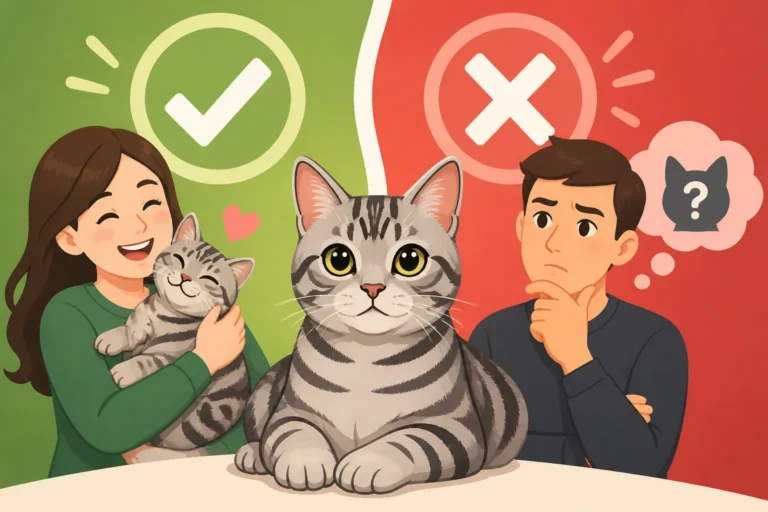
It's easy to look at two shorthaired cats and think they're pretty much the same, especially when one of them is called an "American Shorthair" and the other an "Exotic Shorthair." You might assume it's just a slight variation, maybe a different country of origin, but the truth is, these two breeds, while both charming and popular, have distinct differences in almost every aspect. This guide is here to untangle that confusion, providing a clear comparison so you can appreciate what makes each of these fantastic felines unique.
A Look at Their Ancestry and Breed Development
Understanding where a breed comes from often tells you a lot about its core characteristics. Both the American Shorthair and the Exotic Shorthair have fascinating histories, but their paths to becoming recognized breeds are quite divergent, shaping them into the cats we know today.
The American Shorthair's Working Roots
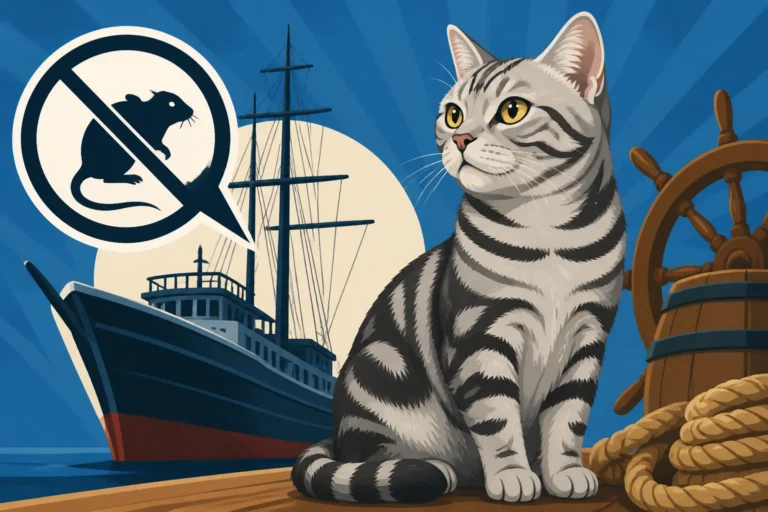
Think of the American Shorthair as the quintessential working cat, a true survivor with a storied past. Their ancestors weren't pampered pets; they were essential members of early American households, ships, and farms. These sturdy felines journeyed across oceans with settlers, earning their keep by keeping rodents in check on ships like those that sailed across the Atlantic. The Mayflower Cats Behind the American Shorthair is a great example of the kind of tales woven into their lineage. They were bred by necessity, selected over centuries for their strength, agility, hunting prowess, and overall good health, rather than specific aesthetic traits. This natural selection created a robust, adaptable cat that was perfectly suited to various climates and tasks.
For generations, these cats were simply known as "Domestic Shorthairs" – a catch-all term for any non-pedigreed cat with a short coat. It wasn't until the early 20th century, specifically 1966, that the breed officially adopted the name "American Shorthair" to distinguish itself from the common house cat and reflect its uniquely American heritage and specific breed standard. This solid background as a competent hunter and resilient companion has deeply ingrained itself into the breed's physical and temperamental makeup, making them a testament to natural adaptability and hardiness. They truly are the embodiment of the American spirit in cat form.
The Exotic Shorthair's Persian Lineage
Now, let's turn our attention to the Exotic Shorthair. While the American Shorthair boasts a history rooted in practicality, the Exotic Shorthair's story is one of deliberate design, primarily stemming from the desire to create a short-haired version of the beloved Persian cat. Imagine a breeder admiring the Persian's luxurious coat and sweet, placid temperament but wishing for less grooming hassle. That's essentially how the Exotic Shorthair came to be!
The breed's development began in the 1950s, primarily through outcrossing American Shorthairs with Persians. The goal was to combine the Persian's distinctive flat face, round head, dense bone structure, and gentle personality with the easy-care coat of a shorthaired cat. This breeding program successfully resulted in a cat that largely resembles a Persian in terms of its body type and facial features, but with a short, dense coat. It's truly fascinating how intentional breeding can sculpt a new breed, borrowing traits from two very different foundational types. Because of this strong Persian influence, the Exotic Shorthair is often referred to as "the lazy person's Persian," a loving nickname that highlights their low-maintenance fur combined with the classic Persian look and personality.
Physical Distinctions: More Than Just a Short Coat
At first glance, both cats are "shorthaired," but that's where many of the superficial similarities end. Dig a little deeper, and you'll find a world of differences in their physical characteristics, all stemming from their unique genetic blueprints and breed standards.
Head Shape and Facial Features
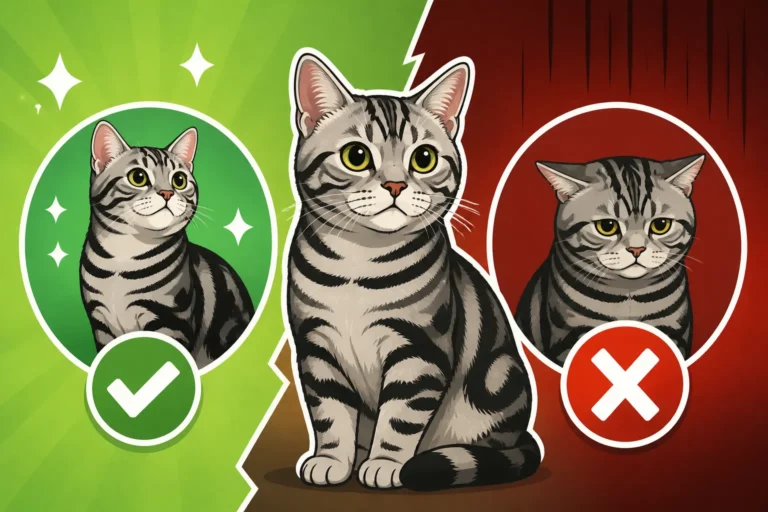
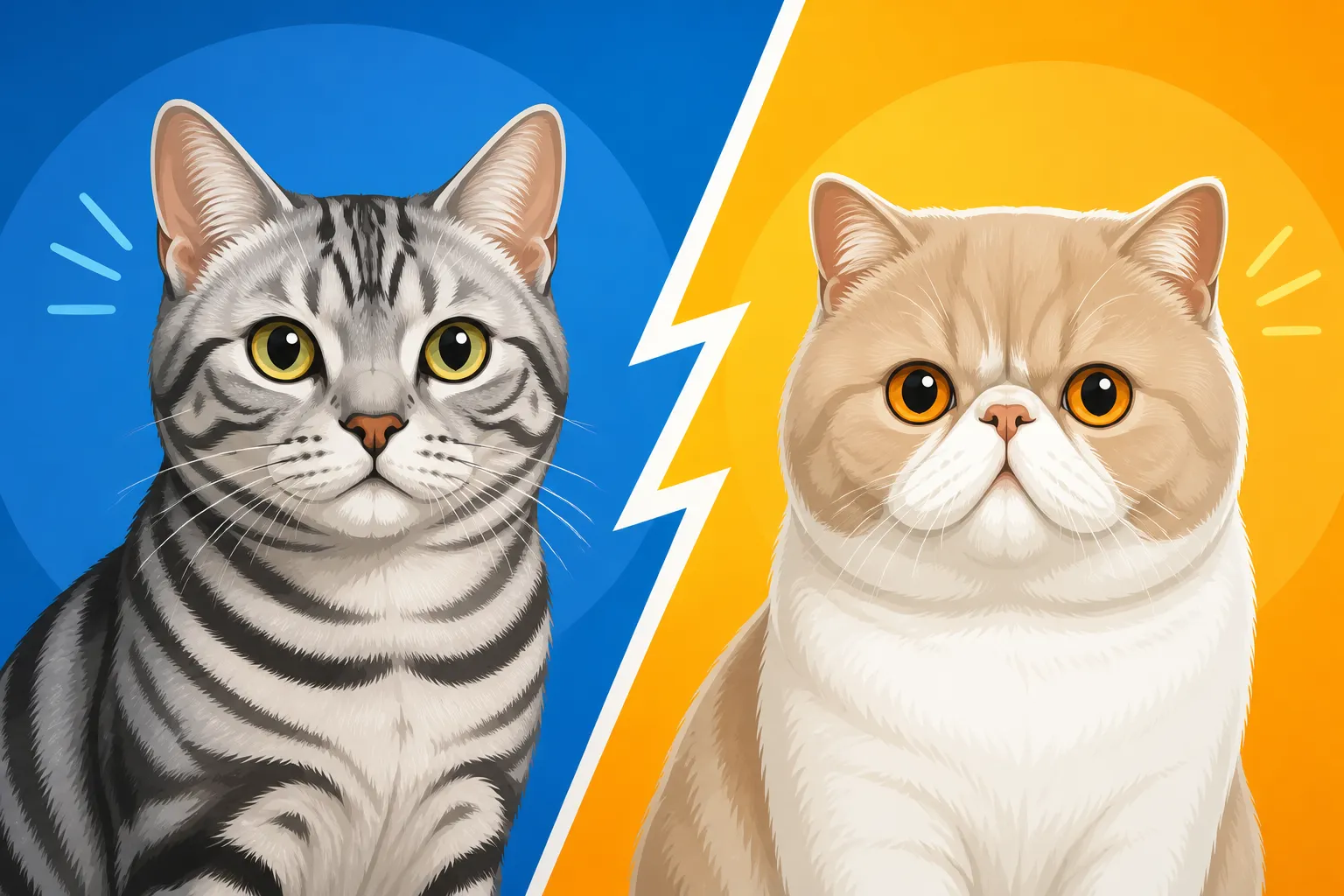
This is arguably the most striking difference between the two breeds. An American Shorthair possesses a classic, moderately rounded head that is in proportion to its body. Their muzzle is well-defined, somewhat square, and their chin is firm. Their eyes are large, wide-set, and slightly slanted upwards, giving them an alert, intelligent, and often watchful expression. They look like the quintessential cat you'd see confidently patrolling a barn or lounging on a porch. The overall impression is one of natural balance and strength, without any exaggerated features. Think of that classic tabby face – that's often an American Shorthair look.
The Exotic Shorthair, on the other hand, inherited its distinctive "peke-face" from its Persian ancestors. Their head is large and round, with a broad skull. The most notable feature is their short, flat nose, which is set between large, round, full cheeks, and often features a "break" or indentation right above it. Their eyes are large, round, and widely spaced, contributing to a sweet, open, and sometimes mournful expression. This flat face, while endearing to many, does come with some unique considerations for breathing and tear drainage, which we'll touch on later. When you see an Exotic, you immediately think of that iconic, almost plush-toy-like face, completely different from the American Shorthair's more traditional feline profile.
Body Build, Size, and Coat Texture
The American Shorthair is a medium to large-sized cat, known for its powerful, well-muscled, and sturdy build. They are often described as having a "square" body, giving them a substantial and robust appearance. Their chests are broad, their legs are strong and of medium length, and their paws are rounded. This physique is a direct legacy of their working heritage, built for agility, strength, and endurance. They typically weigh a good amount, reflecting their solid bone structure and musculature. What an American Shorthair Looks Like by the Standard details these traits. Their coat is short, dense, and firm to the touch, providing protection from the elements, almost like a natural raincoat. It's not soft and plush; rather, it has a slightly coarse, resilient quality.
Contrast this with the Exotic Shorthair. While also medium to large, their build is often described as "cobby" – compact, heavy-boned, and rounded, much like a Persian. They have a massive, short body with broad shoulders and rump, and short, thick legs. This gives them a low-slung, stocky appearance. Their coat, while short, is incredibly dense, thick, and plush, standing off the body. It feels like a thick, soft carpet, a direct result of that Persian genetic influence. Unlike the American Shorthair's firm coat, the Exotic's fur is designed for softness and bulk. Grooming tools available on sites like Chewy can cater to both types, but the needs are vastly different for these two distinct coat textures.
Eye Shape and Color Variations
The American Shorthair's eyes are large, wide-set, and usually a vibrant gold or green, though sometimes copper or blue depending on coat color. They have a distinctly almond or oval shape, giving them an alert and intelligent gaze. Their eye color often complements their coat, creating a harmonious and striking look. This breed comes in a vast array of colors and patterns, over 80 variations in total! From classic silver tabbies to solid blacks, whites, blues, calicos, and bi-colors, there's an American Shorthair for every preference. The silver tabby, in particular, is iconic and often what people picture when they think of the breed.
Exotic Shorthairs, following their Persian heritage, have large, round eyes that are widely set, contributing to their sweet and innocent expression. Their eye colors are typically brilliant copper, blue, or green, and they are always complementary to their coat color. For instance, white Exotics may have blue eyes, while silver or chinchilla Exotics will have green. They, too, boast a wide range of coat colors and patterns, mirroring the diversity found in Persians. You'll find solid colors, tabbies, bi-colors, calicos, and more, all with that characteristic plush coat and round, expressive eyes. The emphasis is less on sharpness and more on softness and roundness in their facial features, including their eyes.
Temperament and Personality Differences
Beyond their looks, the way these cats behave and interact with their families is another area where they truly diverge. Their ancestral roles and breeding goals have profoundly shaped their individual temperaments.
The American Shorthair's Independent and Active Nature
If you're looking for a companion that embodies quiet confidence and a balanced demeanor, the American Shorthair might be your ideal match. They are known for being exceptionally good-natured, adaptable, and generally easy-going, but they retain a strong sense of independence. These cats were bred to be self-sufficient, capable of handling their own business, and that trait persists today. While they love their families, they aren't overly demanding lap cats. They enjoy being near you, often sitting beside you on the sofa rather than directly on your lap, observing the household activity with a calm, watchful eye. Why an American Shorthair Was Never Bred to Need You perfectly encapsulates this self-reliant spirit.
Their heritage as hunters means they are still quite active and intelligent. They love to play, stalk toys, and engage in "hunting" games, even if their prey is just a crinkly ball or a feather wand. Providing ample opportunities for play and mental stimulation is important to keep them happy and prevent boredom. They are curious and enjoy exploring their territory, whether that's a sprawling house or a cozy apartment. They tend to be very tolerant, making them excellent family pets that handle the hustle and bustle of children and other pets with grace. Their vocalizations are usually soft chirps or trills, not loud demands. The American Shorthair Still Hunts, Whether You Want It To or Not highlights their natural instincts that remain strong even in a domestic setting.
The Exotic Shorthair's Gentle and Laid-Back Demeanor
In stark contrast, the Exotic Shorthair inherits the famously sweet, gentle, and extremely placid nature of the Persian. These are true lap cats, known for their affectionate and devoted personalities. They thrive on companionship and prefer to be close to their human family, following them from room to room or curling up for a long nap on a warm lap. They are less about independent exploration and more about quiet cuddling. Their temperament makes them wonderful companions for those seeking a calm, loving, and undemanding presence in their home.
Exotics are not known for being overly vocal; they tend to be quiet, expressing their needs with soft meows or gentle purrs. Their energy levels are generally lower than that of the American Shorthair, making them perfect for apartment living or for individuals who prefer a more sedate pet. They are playful, but their play sessions are often less intense and shorter-lived. They are incredibly patient and tolerant, which also makes them fantastic with children and other gentle pets. If you're looking for a furry shadow that will happily snooze by your side, the Exotic Shorthair will likely fulfill that role beautifully.
Grooming and Care Requirements
While both are "shorthaired," the specific structure and density of their coats, along with their genetic predispositions, mean their care routines diverge significantly. This is where the "shorthair" moniker can be quite misleading!
Coat Maintenance and Shedding
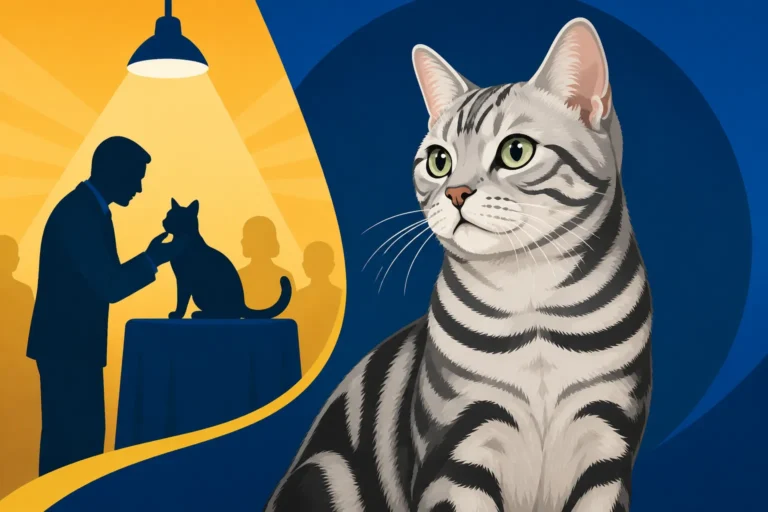
The American Shorthair's coat, though short and dense, is relatively low-maintenance. It's a "hard" coat, meaning it's firm and resilient, designed to shed water and protect the cat. It does shed, particularly twice a year during seasonal changes (spring and fall), when they "blow" their undercoat to adapt to warmer or cooler weather. The American Shorthair's Coat Was Built for Weather, Not a Judge explains this practicality well. During these heavy shedding periods, a weekly brushing with a good quality slicker brush or a rubber grooming tool will help remove loose hair and keep their coat healthy. Outside of these times, occasional brushing is usually sufficient to minimize shedding around the house and keep their skin healthy. They are excellent self-groomers, thanks to their robust build and flexible spines, able to reach almost every spot. Finding the right brush on a site like Chewy can make all the difference during shedding season.
The Exotic Shorthair, despite its short coat, requires more consistent grooming than its American counterpart due to its Persian ancestry. Their fur is dense and plush, with a thick undercoat that can easily mat or tangle if not brushed regularly. While it won't develop the extreme matting a long-haired Persian would, it still needs attention. Daily or every-other-day brushing is often recommended to remove loose hair, prevent tangles, and reduce shedding. This regular routine is crucial to maintain the plush texture and prevent skin issues. Beyond the coat, the Exotic's flat face also necessitates daily cleaning of their facial folds and tear stains, which can accumulate due to their unique facial structure. Ignoring this can lead to skin irritation or infections around their eyes and nose.
Health Considerations and Lifespan
Generally, American Shorthairs are celebrated for their robust health and longevity, a direct benefit of their diverse gene pool and natural selection. They are considered one of the healthiest purebred cats, with a lifespan often reaching 15 to 20 years with proper care. While they are generally hardy, like any breed, they can be prone to certain conditions, though less frequently than some highly-bred cats. Hypertrophic Cardiomyopathy (HCM) is one inherited heart condition that can occur, so responsible breeders screen for it. HCM Is the One Inherited Disease the American Shorthair Kept explores this specific concern. Regular veterinary check-ups, a balanced diet, and an active lifestyle are usually enough to keep an American Shorthair thriving for many years.
Exotic Shorthairs, unfortunately, carry some of the same health predispositions as Persians, largely due to their brachycephalic (flat-faced) head structure. This can lead to breathing difficulties, particularly in hot weather or during stress, and dental problems where teeth can become crowded. Their large, round eyes can also be prone to excessive tearing and epiphora, requiring regular cleaning to prevent skin irritation. Polycystic Kidney Disease (PKD) is another inherited condition that was once prevalent in Persians and, by extension, Exotics, though responsible breeders now screen extensively to eliminate it. Their average lifespan is typically 12 to 15 years. Due to these potential issues, finding a reputable breeder who screens their cats is paramount, and regular veterinary care is essential to manage any potential health challenges. Products for tear stain cleaning or specialized dental care are often found on pet supply websites like Chewy.
Exercise Needs and Enrichment
American Shorthairs, with their hunting lineage, possess moderate to high energy levels. They thrive on interactive play that simulates hunting, like chasing a wand toy or pouncing on a kicker toy. They are agile and enjoy climbing, so cat trees and vertical spaces are greatly appreciated. Daily play sessions are important to keep them mentally stimulated and physically fit. Without enough enrichment, an intelligent American Shorthair can become bored, which might manifest as destructive behaviors. Puzzle feeders can also be an excellent way to engage their natural problem-solving skills, making them "work" for their food just like their ancestors did. How Much of a Working Cat's Energy the American Shorthair Kept elaborates on these needs.
Exotic Shorthairs are typically much lower energy. Their idea of a good time often involves a short burst of play followed by a long, comfortable nap. They enjoy gentle play with toys, but they are not generally known for daring acrobatics or extended hunting sessions. While they appreciate scratching posts and a comfy spot to observe, towering cat trees aren't usually a priority for them. Their enrichment needs focus more on companionship and comfort. Gentle, interactive play is beneficial, but the intensity and duration will be much less than what an American Shorthair requires. A soft bed in a sunny spot and plenty of cuddles are often all an Exotic needs to feel content.
Living with Each Breed: Which One Fits Your Home?
Deciding which breed is right for you often comes down to lifestyle, family dynamics, and your expectations for a feline companion. Both the American Shorthair and the Exotic Shorthair make wonderful pets, but they bring very different energies to a household.
Compatibility with Families and Other Pets
The American Shorthair's adaptable and tolerant nature makes them an excellent choice for a wide variety of households. They tend to get along well with respectful children, often engaging in play or simply tolerating their presence with good humor. Their calm disposition means they're not easily spooked by household noise or activity. They also generally coexist peacefully with other pets, including dogs and other cats, as long as proper introductions are made. Their independent streak means they won't typically demand constant attention, making them suitable for busy families where everyone has their own schedule. Why an American Shorthair Fits Any Household showcases their versatility. They're happy to entertain themselves and then join in for some affection when you're available.
The Exotic Shorthair, with its docile and affectionate personality, is also a fantastic family pet, particularly for those seeking a more subdued and cuddly companion. They are incredibly patient and sweet with children, often enjoying gentle interaction. Their low-key nature means they aren't easily stressed by changes or noise, though they do thrive on routine and presence. They generally get along wonderfully with other quiet, gentle pets, enjoying the companionship. However, they are less independent than American Shorthairs and can become lonely if left alone for extended periods without enough human interaction. If you're looking for a cat that will be a constant, loving presence by your side, the Exotic Shorthair fits the bill perfectly.
Adaptability to Different Environments
American Shorthairs are incredibly versatile and can adapt to various living situations, from spacious homes with access to a safe outdoor enclosure (like a catio) to smaller apartments. As long as their needs for mental and physical stimulation are met, they are content. They enjoy having territory to patrol and observe, so window perches and cat trees are a must. Their robust health means they handle different climates reasonably well, though indoor life is always safest. How an American Shorthair Handles Household Noise illustrates their ability to roll with the punches of daily life. They truly are "easy keepers" in terms of their adaptability to their surroundings, as long as they have their basic needs and some enrichment covered.
Exotic Shorthairs are particularly well-suited to indoor-only living and apartment life due to their lower energy levels and affectionate nature. Their primary need is for companionship and a comfortable, stable environment. They are generally not keen on extensive outdoor adventures and are happier lounging in a sunny spot or cuddling with their people. Given their brachycephalic facial structure, it's also safer for them to remain indoors where temperatures are regulated, protecting them from extreme heat or cold that could exacerbate potential breathing issues. They are less perturbed by changes in routine than some breeds, but their love of comfort means they will always seek out the softest bed or the warmest lap.
Here’s a quick overview of the key differences:
| Feature | American Shorthair | Exotic Shorthair |
|---|---|---|
| Origin | Natural breed, working cat ancestry (North America) | Developed from Persian x American Shorthair crosses |
| Head Shape | Moderately rounded, distinct muzzle, firm chin | Large, round, flat face ("peke-face"), short nose |
| Body Build | Medium to large, sturdy, well-muscled, "square" | Medium to large, "cobby," heavy-boned, rounded |
| Coat Texture | Short, dense, firm/hard, protective | Short, very dense, plush, soft, stands off body |
| Grooming Need | Low to moderate (weekly brush, more during shedding) | Moderate to high (daily brushing, facial cleaning) |
| Eyes | Large, wide-set, almond/oval shape, alert expression | Large, round, wide-set, sweet/innocent expression |
| Temperament | Independent, adaptable, playful, calm, intelligent | Affectionate, docile, gentle, quiet, very placid |
| Energy Level | Moderate to high, enjoys interactive play | Low, enjoys lounging and gentle play |
| Vocalizations | Quiet, chirps, trills | Very quiet, soft meows |
| Health | Generally very robust, long-lived (15-20+ years) | Brachycephalic issues (breathing, eyes), PKD (screened), average lifespan (12-15 years) |
Choosing between an American Shorthair and an Exotic Shorthair ultimately comes down to what you're looking for in a feline companion. If you value independence, an active spirit, and a resilient, historically significant cat with relatively easy grooming, the American Shorthair is a fantastic choice. If you dream of a cuddly, gentle, laid-back lap cat with a distinctively sweet face and don't mind a bit more dedication to grooming and potential health considerations, then the Exotic Shorthair might steal your heart. Both breeds offer immense love and joy, just in their own wonderfully unique ways!
Disclaimer
This article is for general informational purposes only and does not constitute professional advice. Laws, prices and regulations vary by location and change over time. Consult a qualified professional for guidance on your specific situation.