What a Domestic Shorthair Is Next to an American Shorthair
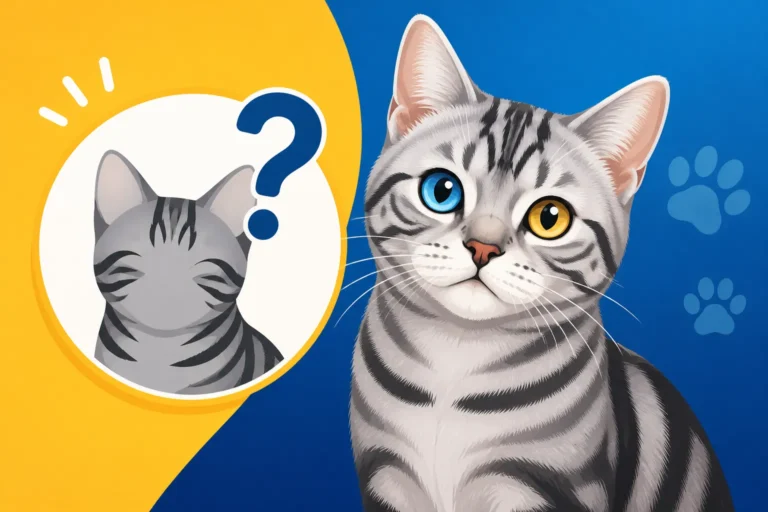
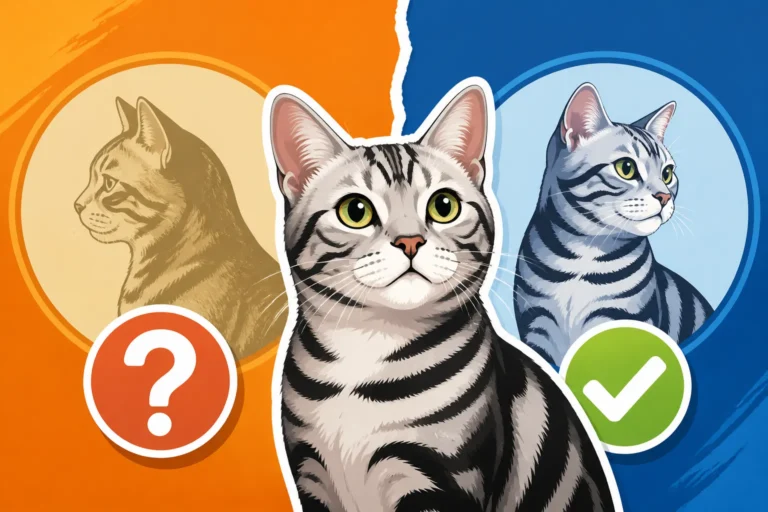
It's incredibly common for people to look at a sturdy, good-natured tabby cat and wonder if they have an American Shorthair. The truth is, while many beloved household cats might look like an American Shorthair, there's a world of difference between a "Domestic Shorthair" and a pedigreed American Shorthair, and understanding this distinction is key to appreciating both types of feline companions. This guide will meticulously break down these differences, from their origins and physical characteristics to their temperaments and what it means for you as an owner.
Understanding the "Domestic Shorthair" Label
When you hear the term "Domestic Shorthair," it's not actually referring to a specific breed. This is where a lot of the confusion begins for cat lovers. Many people assume it's just a fancier way of saying "mixed breed," and while that's essentially true, it's more accurate to think of it as a classification.
More of a Description Than a Breed
A Domestic Shorthair, often abbreviated as DSH, is simply a cat of no particular breed whose coat is short. It’s a generic term, much like "mixed breed dog" or "mutt." These cats are the charming, everyday felines you see in shelters, wandering your neighborhood, or curled up on your friend's sofa. Their ancestry is typically unknown, a beautiful tapestry woven from generations of natural selection and happy accidents. They are truly the everycat, a testament to feline resilience and adaptability.
When a shelter or a vet clinic uses the term "Domestic Shorthair," they're not identifying a breed with a specific lineage or set of characteristics. Instead, they are providing a basic description: this cat is domestic, meaning it's a companion animal living with humans, and its fur is short. That's it. This descriptive term helps categorize them for record-keeping, especially when a cat doesn't have a known pedigree or isn't a recognized breed.
The Vast Gene Pool and Varied Appearance
Because Domestic Shorthairs come from an essentially open gene pool, their physical appearances can be incredibly diverse. You'll find them in every color imaginable – black, white, red, cream, blue, brown – and in countless patterns like tabby (classic, mackerel, ticked, spotted), calico, tortie, bicolor, and solid. Their eye colors can range from green, gold, and copper to blue or even odd-eyed. Some might be sleek and slender, others stocky and robust. Their faces can be round, wedge-shaped, or somewhere in between.
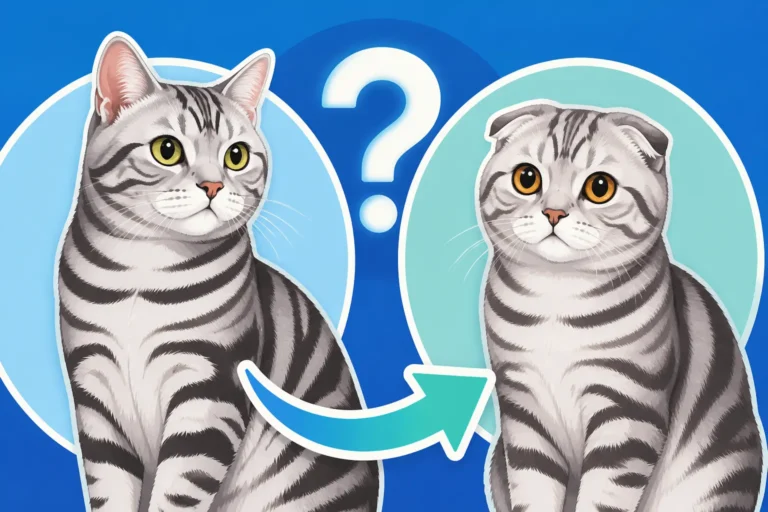
This incredible variation is one of the most charming aspects of the Domestic Shorthair. It means every DSH is truly unique, a one-of-a-kind furry individual. You might encounter a DSH that looks remarkably similar to a specific breed, perhaps with a chunky build resembling a British Shorthair or the distinctive tabby markings often associated with the American Shorthair. This visual overlap is precisely what leads many owners to mistakenly believe their beloved mixed-breed cat is a pedigreed cat, or vice versa, especially given how common tabby patterns are.
The Lack of a Breed Standard
The most fundamental difference when discussing a Domestic Shorthair is the complete absence of a breed standard. A breed standard is a detailed written description of the ideal specimen of a particular breed, covering everything from head shape and ear set to coat texture, color, and body proportion. It’s the blueprint that breeders work towards and judges use in cat shows. For a Domestic Shorthair, no such standard exists.
Since there's no standard, there's no expectation of specific traits being passed down reliably. A DSH kitten's appearance or temperament can be a delightful surprise. This isn't a bad thing at all; it simply means their development is less predictable than that of a pedigreed cat where generations of selective breeding aim for consistency. This lack of a standard also means that a Domestic Shorthair cannot be registered with a cat fancy association like the CFA (Cat Fanciers' Association) as an American Shorthair, because they do not meet the documented criteria of the breed.
The American Shorthair: A Carefully Bred Pedigree
In stark contrast to the descriptive "Domestic Shorthair," the American Shorthair is a recognized, pedigreed breed with a rich history, a defined standard, and a lineage tracked by reputable associations. This isn't just a cat that happens to have a short coat; it's a cat whose appearance, temperament, and health are the result of intentional, selective breeding.
A History Steeped in Purpose and Recognition
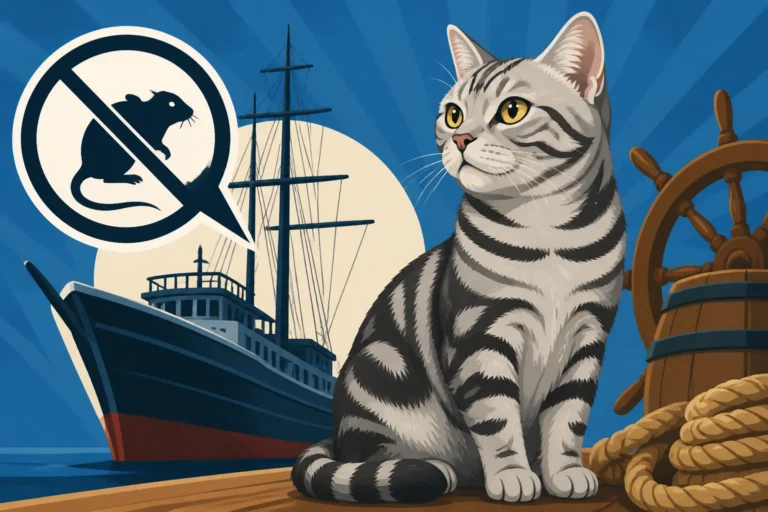
The ancestors of the American Shorthair were working cats, brought to North America by European settlers on ships to protect valuable cargo from rodents. They were hardy, adaptable, and excellent hunters. Over centuries, these cats thrived and developed into the robust, native shorthaired cats of America. As cat fancy began to gain popularity in the late 19th and early 20th centuries, some enthusiasts recognized the beauty and utility of these native cats and sought to preserve their type through selective breeding. This history is fascinating, and you can learn more about it in articles like The Mayflower Cats Behind the American Shorthair.
The breed was initially known as the "Domestic Shorthair" (which, confusingly, adds to the modern mix-up) or "Shorthair" until 1966, when its name was officially changed to "American Shorthair" to distinguish it from non-pedigreed cats and to celebrate its American heritage. This intentional renaming was a crucial step in defining the breed. For more on this pivotal moment, check out The Rename That Separated the American Shorthair From the Alley Cat. Breeders worked diligently to refine and maintain specific characteristics, focusing on health, conformation, and a balanced temperament that reflected their working past.
The Strict Standards of Appearance
Unlike the varied look of a DSH, an American Shorthair is bred to conform to a detailed breed standard. This standard dictates everything from the shape of their head and eyes to the length of their legs, the texture of their coat, and even the type of musculature they should possess. They are typically medium to large cats, well-muscled and powerfully built, reflecting their heritage as working cats. Their heads are usually large with full cheeks, and their eyes are wide-set and rounded.
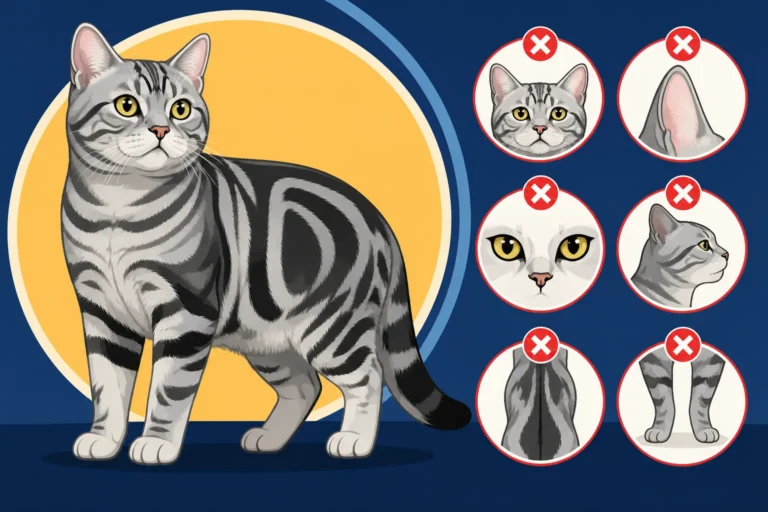
The coat is short, dense, and even, providing protection from the elements, and comes in over 80 recognized colors and patterns. The classic silver tabby, with its distinctive "bullseye" or "butterfly" markings on the side, is perhaps the most iconic and recognizable pattern. This striking appearance is often what draws people to the breed. If you've ever seen a cat food commercial featuring a beautiful, calm tabby, chances are it was an American Shorthair. Their conformity to this standard means that if you see a truly pedigreed American Shorthair kitten, you have a very good idea of what it will look like and how it will develop as an adult. Dive deeper into these specifics with What an American Shorthair Looks Like by the Standard.
Predictable Temperament and Health Traits
One of the significant advantages of a pedigreed American Shorthair is the predictability of its temperament. Generations of selective breeding have resulted in a generally even-tempered, docile, and adaptable cat. They are known for being affectionate without being overly demanding, playful but not hyperactive, and typically get along well with children and other pets. They often retain a quiet, observant nature, a nod to their independent, mousing ancestors. You can read more about their behavioral traits in An American Shorthair Asks You for Almost Nothing.
Health is another area where a pedigreed cat offers more predictability. While no breed is entirely free of health issues, responsible American Shorthair breeders screen their breeding cats for known genetic conditions. For the American Shorthair, the primary concern is hypertrophic cardiomyopathy (HCM), a form of heart disease. Reputable breeders will provide health clearances, particularly echocardiogram results, for their breeding stock. This reduces the risk of inherited diseases, giving owners a better expectation of their cat's long-term health. The breed is generally known for its robust health and longevity, often living 15-20 years. Why the American Shorthair Is Used as a Health Benchmark explores this further.
Side-by-Side: Visual and Physical Distinctions
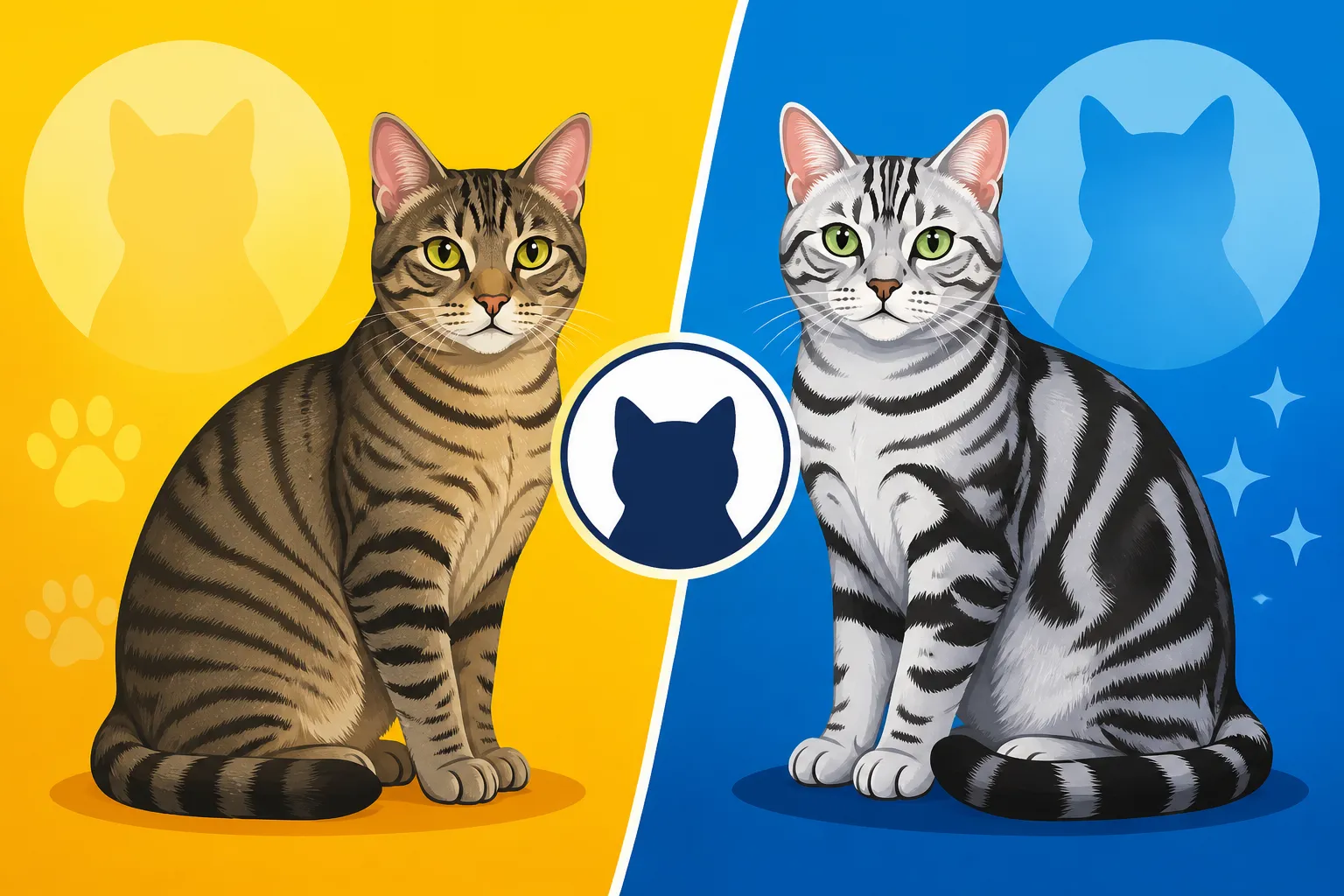
While many Domestic Shorthairs can bear a striking resemblance to American Shorthairs, especially if they have tabby markings, a trained eye can spot the differences based on the breed standard. It's not just about having a short coat and a tabby pattern; it's about the specific structure and quality of those features.
Coat Texture and Color Patterns
The American Shorthair's coat is distinct. It's described as hard, dense, and even, providing natural protection against weather. It feels firm to the touch, not soft or fluffy. This density is a direct result of its working cat lineage, offering insulation and shedding water. While a Domestic Shorthair can have a dense coat, it might also be soft, coarse, or uneven. The specific patterns, especially the classic tabby, are very clearly defined in the American Shorthair standard. The 'bullseye' pattern on the sides, the unbroken necklaces on the neck, and the distinct 'M' on the forehead are all hallmark features of a pedigreed tabby American Shorthair.
A Domestic Shorthair, even one with a beautiful tabby pattern, might have less defined markings, or a coat that's softer or thinner than the American Shorthair standard calls for. For instance, you might see a DSH with a "patched" tabby where the colors aren't as crisp, or a mackerel tabby with more delicate stripes rather than the bold, unbroken lines preferred in the American Shorthair. The range of colors and patterns is technically broader for a DSH simply because there are no restrictions on what combinations can appear in a non-pedigreed cat.
Body Type and Musculature
This is one of the most significant distinguishing features. The American Shorthair is a medium-to-large cat with a powerful, muscular build. They are often described as "cobby" or "square-built," with a broad chest and strong, well-proportioned legs. Their body has a certain heft and solidness that is consistent across the breed. This robust physique is a legacy of their tough, outdoor working lives, built for agility, strength, and endurance.
A Domestic Shorthair, by contrast, can come in any body type. You might find a lean, agile DSH, a delicate and petite one, or even one that is quite stocky. While some DSH cats might coincidentally have a muscular build, it won't be consistently present throughout an identifiable lineage, nor will it conform to the precise proportions outlined in a breed standard. A DSH might have longer legs, a more slender torso, or a less defined musculature, simply because their genetics are a random mix rather than selectively refined.
Head Shape, Eyes, and Ears
The American Shorthair's head is characteristic: large, with full, rounded cheeks and a distinctly square muzzle. Their ears are medium-sized, slightly rounded at the tips, and set moderately apart. Their eyes are large, wide-set, and typically round, with a clear, alert expression. The color of their eyes is usually specific to their coat color – for instance, green or gold eyes for silver tabbies. These facial features combine to create a look of genial intelligence and calm alertness.
A Domestic Shorthair will exhibit a huge variety in head shape, eye placement, and ear set. Their heads could be more triangular, their muzzles pointed or very rounded. Ears might be large and pointed, or small and close-set. Eye shapes can range from almond to truly round, and their placement can vary widely. While a DSH might have one or two of these features, it's highly unlikely they will possess the complete combination of traits that defines the American Shorthair's distinctive face.
Here's a quick comparison table:
| Feature | Domestic Shorthair (DSH) | American Shorthair (ASH) |
|---|---|---|
| Origin | Unspecified, mixed ancestry | Descendant of European working cats, selectively bred in North America |
| Breed Status | Not a breed, a descriptive term | Recognized, pedigreed breed with a registry |
| Gene Pool | Vast, open, highly diverse | Closed, carefully managed to maintain breed standards |
| Appearance | Highly variable in size, color, pattern, body type | Conforms to a strict breed standard, predictable appearance |
| Coat Texture | Variable (soft, coarse, dense, thin) | Short, dense, hard, even, weather-resistant |
| Body Type | Any, often lean or average | Medium to large, powerful, muscular, cobby/square-built |
| Head Shape | Variable (wedge, round, triangular) | Large, round with full cheeks, square muzzle |
| Temperament | Highly variable, depends on individual and upbringing | Predictably docile, adaptable, affectionate, playful |
| Health | Variable, potential for unknown genetic issues | Generally robust, reputable breeders screen for HCM |
| Registration | Cannot be registered as a breed | Registered with cat fancy associations (e.g., CFA, TICA) |
| Cost | Often free or low adoption fee | Significant purchase price from a breeder |
Beyond Looks: Behavioral and Temperamental Differences
While physical traits are often the first thing we notice, the consistency in temperament and behavior is another major differentiator between a pedigreed American Shorthair and a Domestic Shorthair. This predictability is a cornerstone of responsible breed development.
The American Shorthair's Consistent Demeanor
One of the American Shorthair's most cherished traits is its famously laid-back and adaptable personality. They are known for being affectionate companions without being overly clingy or demanding. They enjoy human company but are often content to entertain themselves or simply nap nearby. This makes them excellent family pets, tolerant of children and often getting along well with other animals, including dogs. Their intelligence is apparent in their observational nature and quiet curiosity.
Their history as independent working cats means they are self-sufficient and not prone to panic when left alone for reasonable periods. They possess a natural prey drive, which means they enjoy interactive play that simulates hunting, but they are not typically destructive when properly enriched. This consistent, predictable nature is a direct result of generations of selective breeding, where desirable temperamental traits were prioritized alongside physical ones. When you bring home a properly bred American Shorthair kitten, you have a solid expectation of the kind of personality it will develop. This makes them a great choice for first-time cat owners, as detailed in Why an American Shorthair Suits a First Time Owner.
The Spectrum of Domestic Shorthair Personalities
On the other hand, the temperament of a Domestic Shorthair is as varied as their appearance. Since their genetic makeup is unknown, their personality is a product of their unique genetic lottery, early life experiences, and environment. You might find a DSH that is incredibly outgoing and social, one that is shy and reserved, a lap cat, or a fiercely independent explorer. Many DSH cats are wonderful, loving companions, but their specific traits aren't guaranteed or predictable based on their "classification."
This isn't a flaw; it's simply the nature of non-pedigreed animals. It means that adopting a Domestic Shorthair can be a delightful adventure into the unknown, a process of discovering a unique personality. If you're looking for a specific temperament, you'd rely more on observations of the individual cat's behavior at the shelter or foster home rather than on expectations associated with a breed. For example, some Domestic Shorthairs might be incredibly vocal, while others are very quiet – a trait often seen in the generally quiet American Shorthair.
Instincts and Adaptability in Both
Both Domestic Shorthairs and American Shorthairs share fundamental feline instincts. Both are natural hunters, regardless of whether they have a pedigree. An indoor American Shorthair will still have that ingrained drive, often expressed through play with toys. The American Shorthair Still Hunts, Whether You Want It To or Not dives deep into this. Similarly, a Domestic Shorthair will also exhibit these natural behaviors.
Adaptability is another shared trait. Cats, in general, are incredibly adaptable creatures, and both DSH and American Shorthairs can adjust to various living situations, whether a bustling family home or a quieter single-person household. However, the American Shorthair's predictable adaptability, stemming from its long history of living alongside humans in various environments, often gives owners more confidence in how it will integrate into a new home. A DSH's adaptability will depend more on its individual personality and past experiences.
Why the Confusion Lingers: History, Marketing, and Misconceptions
The overlap in appearance and the historical naming conventions have deeply cemented the confusion between Domestic Shorthairs and American Shorthairs. It's not just a casual misunderstanding; it's a deeply ingrained misconception that takes effort to untangle.
The Name Change and Its Impact
As we touched upon earlier, the American Shorthair was originally called the "Domestic Shorthair" by cat fancy associations. This was done to register and show these native American cats, differentiating them from the longhaired breeds. However, as the number of non-pedigreed short-haired cats grew exponentially, the original name became a source of significant confusion. How could a pedigreed cat share the exact same name as literally any random cat with a short coat?
In 1966, the Cat Fanciers' Association (CFA) officially changed the breed's name to "American Shorthair." This move was vital for the breed's identity, carving out its distinct place in the world of pedigreed cats. However, the legacy of the old name continues to cause confusion. Many people still remember or hear the term "Domestic Shorthair" and associate it with the pedigreed breed, not realizing it has evolved to become a blanket term for non-pedigreed cats. This historical overlap is a key reason why people often ask, "Is my cat an American Shorthair?" when they simply have a lovely mixed-breed tabby.
The "Looks Like My Cat" Phenomenon
The most common reason for confusion is simply visual resemblance. Many Domestic Shorthairs, particularly those with a classic or mackerel tabby pattern, share superficial similarities with the American Shorthair. They might have a similar stocky build, a round face, or even those distinctive tabby markings. It’s natural for an owner to see a picture of a beautiful pedigreed American Shorthair and think, "Wow, that looks just like Fluffy!"
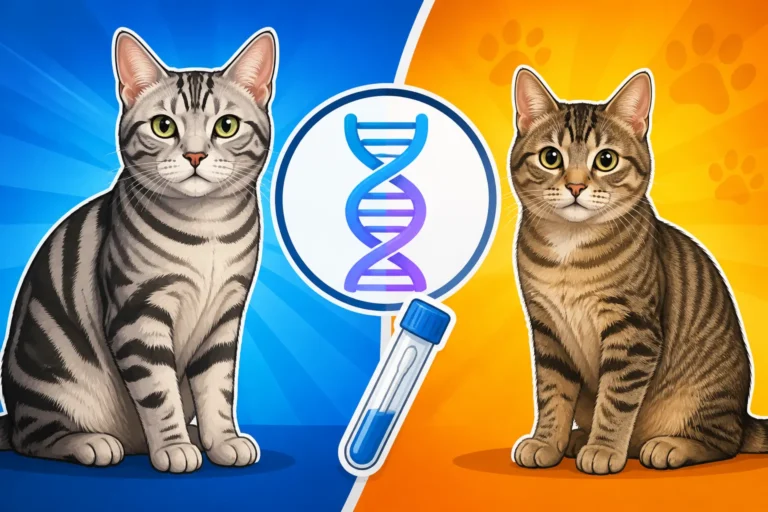
However, as we've discussed, "looks like" isn't the same as "is." Without a verifiable pedigree from a recognized cat registry, that cat is, by definition, a Domestic Shorthair. The subtle nuances of the American Shorthair's breed standard – the precise set of the ears, the specific breadth of the skull, the exact texture of the coat – are often what truly differentiate it, even from a very similar-looking DSH. It's these minute details, honed over generations of breeding, that define the American Shorthair as a distinct pedigree. You might find a fantastic selection of toys and other items for both types of cats at retailers like Chewy, proving that all cats are loved, pedigree or not.
The Role of Responsible Breeding
Responsible American Shorthair breeders play a crucial role in clarifying this distinction. They adhere to the breed standard, maintain meticulous pedigree records, and register their kittens with associations like the CFA. They will provide health guarantees, vaccination records, and often a contract that outlines expectations for the new owner. These breeders are passionate about preserving the integrity and health of the American Shorthair breed.
On the flip side, the vast majority of Domestic Shorthairs come from accidental litters or unknown backgrounds. While they make wonderful pets, there is no breeder to provide documentation or guarantee specific traits. This is not a judgment on the value of either cat; it's simply a statement of fact regarding their origins and how they are classified. When considering acquiring a cat, understanding this difference helps manage expectations regarding predictability of traits, health screening, and even cost. Check out What an American Shorthair Breeder Should Have Screened for more on what goes into responsible breeding.
Practical Implications for Owners and Prospective Owners
Understanding the difference between a Domestic Shorthair and an American Shorthair isn't just about cat trivia; it has real, practical implications for owners, especially when it comes to things like documentation, health, and even expenses.
Registration and Pedigree Documentation
If you acquire a pedigreed American Shorthair from a reputable breeder, your cat will come with a pedigree certificate and registration papers from a recognized cat association, such as the CFA or TICA. These documents trace your cat's lineage back several generations, proving its purebred status. This is the definitive proof that your cat is an American Shorthair, not just a cat that looks like one. These papers are a testament to the breeder's dedication to the breed standard and responsible breeding practices.
A Domestic Shorthair, by its very definition, does not have a pedigree or registration papers. Even if your DSH looks exactly like an American Shorthair, without that verifiable documentation, it simply isn't considered one in the cat fancy world. This doesn't diminish their value as a beloved family member one bit, but it does mean they can't be shown in pedigreed classes or used in a registered breeding program. This is explored further in What an American Shorthair Pedigree Guarantees.
Health Screening and Predictability
For American Shorthairs, responsible breeders make an effort to screen their breeding animals for genetic health conditions that are known to occur in the breed, such as Hypertrophic Cardiomyopathy (HCM). They will provide proof of these screenings, offering some assurance of the kitten's genetic health. While no screening is foolproof, it significantly reduces the risk of inheriting certain diseases. This proactive approach to health is a major benefit of choosing a pedigreed cat from a reputable source. You can generally expect fewer surprises regarding inherited conditions.
With a Domestic Shorthair, the genetic health history is usually unknown. While many DSH cats are incredibly healthy and live long lives, there's no way to screen for potential inherited conditions from unknown ancestors. This means that any health issues that arise are often unexpected. Owners might discover conditions like heart disease or hip dysplasia later in life, without any prior indication through parental screening. This isn't a strike against DSH cats, but it does mean that their health trajectory can be less predictable. Regardless of origin, finding quality food and litter from places like Chewy is essential for any cat's well-being.
Cost and Insurance Considerations
The initial cost of an American Shorthair kitten from a reputable breeder will be significantly higher than adopting a Domestic Shorthair from a shelter or rescue. The price reflects the breeder's investment in health testing, quality care for the breeding cats and kittens, registration fees, and the dedication to maintaining the breed standard. This upfront cost is often seen as an investment in a cat with predictable traits and health. See What a Pedigree American Shorthair Costs Against a Free Tabby for a detailed breakdown.
Conversely, Domestic Shorthairs are typically available for a much lower adoption fee from shelters, which usually covers initial vaccinations, spay/neuter surgery, and microchipping. While the purchase price is lower, it's important to remember that all cats require ongoing care, food, veterinary visits, and enrichment. In terms of pet insurance, the American Shorthair is often considered a lower-risk breed due to its generally robust health and limited number of inherited conditions, which might sometimes be reflected in slightly lower premiums compared to some other pedigreed breeds. Insuring the American Shorthair, the Cheapest Pedigree to Keep offers more insights into this aspect. However, always remember that individual factors and the specific policy will dictate the actual cost.
Disclaimer
This article is for general informational purposes only and does not constitute professional advice. Laws, prices and regulations vary by location and change over time. Consult a qualified professional for guidance on your specific situation.