Why an American Shorthair’s Eyes Stay Clear
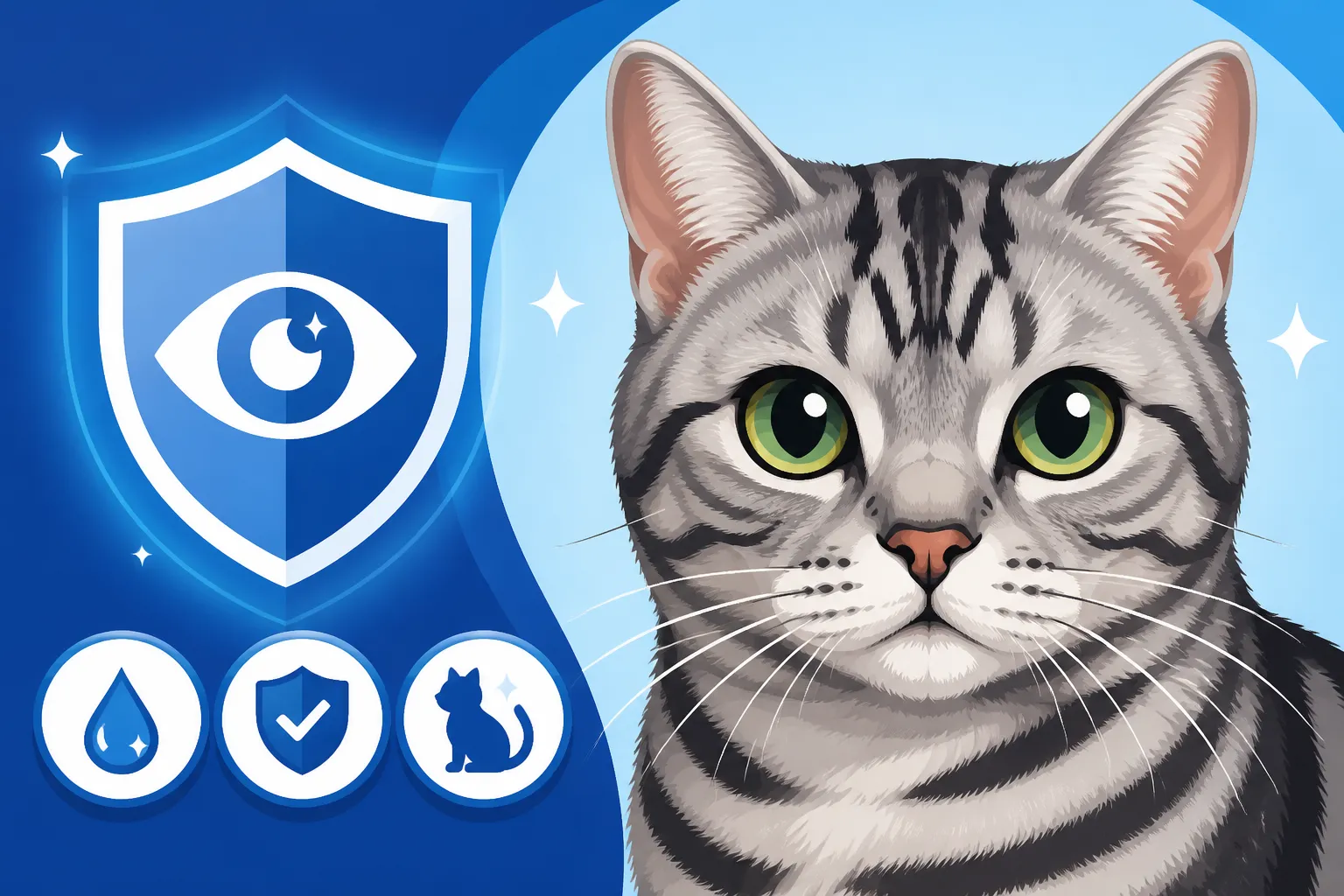
It’s a common worry among cat owners: keeping those precious peepers healthy and clear. We all want our feline friends to have bright, sparkling eyes, free from redness, discharge, or irritation. The good news for those of us who share our homes with an American Shorthair is that this wonderful breed generally enjoys remarkably robust eye health, often bypassing many of the common optical woes seen in other pedigrees. This guide will delve into the natural advantages that contribute to their clear eyes, what sets them apart, and how you can continue to support their excellent vision throughout their lives.
The American Shorthair's Natural Heritage and Robust Eye Health
When you look at an American Shorthair, you're seeing centuries of natural selection at work. These cats weren't bred for extreme features, but for function and survival, which is a massive advantage when it comes to their overall health, including their eyes. Their eyes are perfectly proportioned to their head, set wide apart and with a gentle, rounded shape that avoids many of the structural issues that plague other breeds.
Built for the Job, Not for Show Extremes
Think about the ancestors of the American Shorthair, the "working cats" that came over on ships to the New World. Their primary job was pest control. For that, they needed sharp senses, agility, and a sturdy build, not exaggerated features that might hinder their ability to see or hunt. Their eyes developed to be highly functional: clear, alert, and protected within a well-proportioned skull. Unlike some breeds with flattened faces or excessively bulging eyes, the American Shorthair's facial structure provides natural protection for their eyeballs, reducing exposure to irritants and physical trauma.
This lack of extreme features means less opportunity for genetic predispositions to certain eye conditions. Their broad, rounded head and well-set eyes are a hallmark of their utilitarian past. There's no excessive skin folding around the eyes to trap moisture or debris, and no overly short snout to cause tear duct issues. This simple, natural design is a key reason What an American Shorthair With No Designer Defect Gets Instead is such excellent general health, including their vision.
A Wide Gene Pool as Protection
Another factor contributing to the American Shorthair's excellent eye health is its historically wide and open gene pool. For many years, these cats were simply valued for their mousing abilities, and breeding was less about specific aesthetic traits and more about robust health and temperament. This meant a broader genetic diversity compared to some more intensely bred pedigrees. A diverse gene pool helps to dilute the incidence of inherited diseases, including those that affect the eyes. While no breed is entirely free from all genetic predispositions, the American Shorthair benefits from this less restrictive breeding history.
This means that while some breeds might carry specific genes for conditions like progressive retinal atrophy or other inherited eye disorders, these are exceedingly rare, if present at all, in the American Shorthair. Their foundation stock was essentially the healthy, working cats of North America, chosen by nature for their resilience. This contrasts sharply with breeds that may have been developed from a very small number of individuals, leading to a higher concentration of certain genetic vulnerabilities. This genetic robustness contributes to why How Wide the American Shorthair's Gene Pool Really Is has served them so well in maintaining overall health.
Common Eye Issues That Often Bypass the American Shorthair
It’s often easier to understand a breed’s strengths by looking at the problems they don’t typically have. Many of the frustrating, chronic eye conditions that frequently send other cat owners to the vet are much less common in the American Shorthair. This can be a huge relief for owners, both in terms of worry and potential veterinary bills. Why an American Shorthair Costs a Vet Less Than a Persian is often because they simply encounter fewer of these breed-specific health challenges.
The Absence of "Designer" Eye Troubles
Some popular breeds, known for their distinctive looks, unfortunately, come with a higher risk of specific eye problems directly linked to those very features. For instance:
- Entropion and Ectropion: These conditions involve the eyelids rolling inward (entropion) or outward (ectropion), causing irritation, pain, and potential damage to the cornea. They are often seen in breeds with loose facial skin or specific head shapes. The American Shorthair’s firm, well-fitting eyelids and balanced facial structure mean these issues are rarely a concern.
- Brachycephalic Ocular Syndrome: This mouthful refers to a collection of eye problems common in flat-faced breeds (brachycephalic breeds) like Persians or Himalayans. These can include shallow eye sockets, inability to close eyelids fully, tear duct blockages leading to chronic tearing and staining, and even corneal ulcers. The American Shorthair’s moderate muzzle and well-defined nose ensure proper tear drainage and eye protection, saving them from these pervasive problems.
- Cherry Eye (Nictitating Membrane Prolapse): While less common in cats than dogs, some cat breeds with specific facial anatomies can be predisposed to the third eyelid prolapsing. Again, the American Shorthair’s balanced structure typically keeps this delicate membrane where it belongs.
These are just a few examples of conditions that can be a constant source of discomfort for affected cats and ongoing management for their owners. It's truly a testament to the American Shorthair's sensible conformation that they largely escape these "designer" eye troubles.
Minimal Tear Staining and Secretions
One of the most visually obvious signs of good eye health in an American Shorthair is the lack of tear staining. Many cat owners grapple with reddish-brown streaks under their cat’s eyes, particularly in lighter-colored breeds or those with flat faces. This staining is caused by porphyrins (pigments in tears) or yeast growth in perpetually damp fur, often a symptom of poor tear drainage or excessive tearing.
Because the American Shorthair has a functional, clear tear duct system and eyes that don't constantly weep due to structural issues, you'll rarely see significant tear staining. Their eyes produce just enough lubrication to keep the surface healthy without overflowing. You might occasionally notice a tiny bit of clear discharge in the corner of their eyes, especially after a long nap, which is perfectly normal and easily wiped away. If you do notice persistent or colored discharge, or if their eyes seem constantly watery, it’s always worth a quick check with your vet. For routine cleaning of those rare instances, gentle, cat-specific eye wipes found on platforms like Chewy or Amazon can be helpful, but generally, their self-grooming takes care of most needs.
Maintaining Your American Shorthair's Naturally Clear Eyes
While American Shorthairs are champions of good eye health, that doesn't mean we, as their devoted caregivers, can completely ignore their peepers. Even the most robust cat benefits from attentive care. Being proactive and knowing what to look for can ensure any potential, albeit rare, issue is caught early. How Regularly a Healthy American Shorthair Still Needs Checking extends to their eyes too.
Routine Checks and Early Detection
Even with their excellent genetics, routine observation is your best tool. Make it a habit to glance at your American Shorthair's eyes daily. Look for:
- Clarity: The whites of their eyes (sclera) should be white, not red or yellow. The cornea (the clear surface) should be free from cloudiness or scratches.
- Brightness: Their eyes should look alert and bright, not dull or sunken.
- Discharge: As mentioned, a tiny bit of clear sleep crust is fine. Anything excessive, yellow, green, or thick should raise a flag.
- Eyelid Position: Ensure eyelids are not turned in or out, and the third eyelid (nictitating membrane) isn't constantly visible, which can sometimes indicate pain, illness, or irritation.
- Pupil Size: Both pupils should be the same size and react equally to light.
A great time for a quick eye check is when you're enjoying some quiet cuddle time or when they're relaxed. If you spot anything concerning, don't hesitate to reach out to your veterinarian. Early intervention is always best, even for minor issues. Remember, a cat’s stoic nature means they often hide discomfort, so even subtle changes can be significant.
Environmental Factors and Protection
Even with perfect genetics, environmental factors can impact eye health. Keeping your home environment safe and clean can prevent many minor irritations.
- Dust and Allergens: While American Shorthairs aren't typically prone to eye allergies, excessive dust, strong perfumes, or household chemicals can irritate any cat's eyes. Regular cleaning, using air purifiers, and avoiding irritants in their immediate environment can help.
- Physical Trauma: Cats are naturally curious, and sometimes that curiosity leads to minor scrapes or pokes. While their eyes are well-protected, an accidental scratch from a sharp toy, a fight with another pet, or a run-in with a thorny bush if they go outside could happen. Always supervise play, and ensure toys are safe. If your American Shorthair does enjoy supervised outdoor access, be aware of potential hazards.
- Good Nutrition: A balanced diet supports overall health, including eye health. Ensuring your American Shorthair receives high-quality food with fresh ingredients can contribute to their vitality. A diet rich in essential fatty acids and antioxidants can contribute to healthy vision over their long lifespan.
A clean living space and a watchful eye on potential hazards go a long way in preserving your American Shorthair’s naturally clear vision.
When Clear Eyes Aren't So Clear: Recognizing Red Flags
Despite their remarkable eye health, American Shorthairs are not invincible. Just like any living creature, they can experience eye problems due to injury, infection, or age-related changes. Knowing what constitutes a red flag versus a normal variation is crucial. When it comes to something as vital as sight, it's always better to be safe than sorry and consult your vet.
Signs That Warrant a Vet Visit
While their eyes are generally trouble-free, certain symptoms should prompt an immediate call to your veterinarian. These signs indicate that something is amiss and requires professional attention:
- Persistent squinting or pawing at the eye: This indicates pain or severe irritation. Your cat is trying to relieve discomfort.
- Redness or inflammation: If the white part of the eye (sclera) or the conjunctiva (the pink lining of the eyelids) appears noticeably red or swollen, it could be conjunctivitis, an allergy, or a more serious underlying issue.
- Excessive tearing or discharge: While a small amount of clear morning discharge is normal, constant tearing or any discharge that is yellow, green, thick, or bloody is a sign of infection or irritation.
- Cloudiness or visible injury: Any cloudiness, opacity, or a visible scratch or foreign body on the clear surface of the eye (cornea) is an emergency. Corneal injuries can quickly worsen and lead to vision loss if not treated promptly.
- Changes in pupil size or shape: If one pupil is larger than the other, or if their pupils don't react to light normally, it could indicate neurological issues or internal eye disease.
- Sudden vision loss: Bumping into furniture, hesitation to jump, or difficulty navigating familiar spaces can be signs of acute vision problems. Why an American Shorthair Stops Jumping to the Counter could be hip pain, but vision changes could also contribute to hesitation.
- Prolonged visibility of the third eyelid: The nictitating membrane normally retracts quickly. If it's consistently covering part of the eye, it can be a non-specific sign of discomfort, dehydration, or illness, and warrants investigation.
These are not exhaustive lists, but they cover the most common and urgent indicators of eye distress. It's important to trust your gut; if something just doesn't look right, get it checked out.
Proactive Care for Lifelong Eye Wellness
Even if your American Shorthair enjoys perfect eye health today, thinking ahead about their long-term well-being is part of being a responsible owner. Caring for an American Shorthair Past Twelve often means being more vigilant about subtle changes, as age can bring its own challenges.
- Regular Veterinary Check-ups: Your annual vet visit is not just for vaccinations; it's a comprehensive health check that includes a thorough examination of their eyes. Your vet can spot subtle changes you might miss and address them before they become serious. Whether an American Shorthair Kitten Needs an Early Vet Check establishes a baseline for lifelong care, including eye health.
- Balanced Diet and Hydration: Just as discussed earlier, good nutrition and plenty of fresh water are fundamental to overall health, which in turn supports eye health. Some owners opt for eye-health-specific supplements available on Amazon, but these should always be discussed with your vet first to ensure they're necessary and appropriate for your individual cat.
- Managing Underlying Health Conditions: Certain systemic diseases, like diabetes or hypertension, can manifest with eye changes. Keeping your American Shorthair healthy overall through diet, exercise, and preventative care helps protect their eyes. For example, How Weight Turns Into Diabetes in an American Shorthair illustrates how conditions like obesity can have cascading effects on various body systems, potentially including ocular health.
- Grooming: While American Shorthairs are excellent self-groomers, giving their face a gentle wipe with a damp, soft cloth occasionally can help remove any dust or stray hairs that might irritate the eyes. Always use separate cloths for each eye to avoid cross-contamination if there's any infection.
By being observant, seeking timely veterinary advice, and providing a healthy environment, you can ensure your American Shorthair's bright, clear eyes continue to sparkle for their entire, wonderful life. They are truly a testament to nature's good design, offering relatively worry-free eye health compared to many other feline companions.
Disclaimer
This article is for general informational purposes only and does not constitute professional advice. Laws, prices and regulations vary by location and change over time. Consult a qualified professional for guidance on your specific situation.