Why an American Shorthair Walks Away From a Toddler
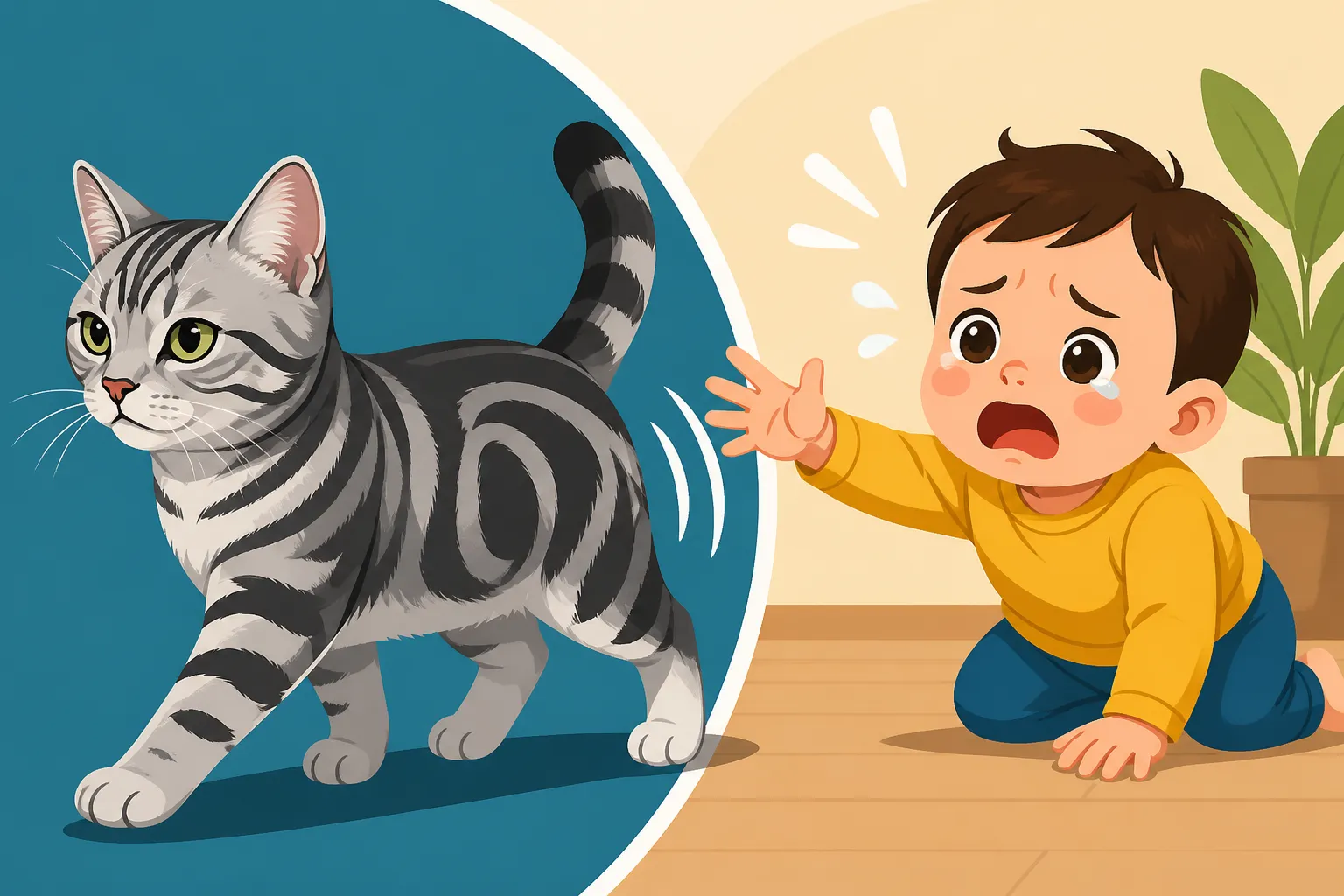
It can be a little disheartening, can't it? You've welcomed a new toddler into your home, full of hopes that your steady, calm American Shorthair will become their gentle companion. Instead, you often find your cat simply walking away, disappearing the moment your little one comes into view. This isn't a sign of dislike, but rather a classic American Shorthair response to unpredictable energy. This guide will explore the deep-seated reasons behind this behavior and offer practical ways to foster a respectful, happy coexistence between your independent feline and curious child.
Understanding the American Shorthair's Temperament Around Children
The American Shorthair is renowned for its placid, adaptable nature, and this often leads owners to believe they are automatically "good with kids." While it's true they generally tolerate a bustling household more readily than some more sensitive breeds, their tolerance comes with an inherent preference for quiet, predictable interactions. They are not typically lap cats or felines that seek constant physical engagement, especially not with the boundless, often clumsy energy of a toddler. Their lineage as working cats, bred for independence and efficiency, means they've always valued their personal space and autonomy. They observe, they assess, and if a situation doesn't align with their comfort level, they simply remove themselves. This isn't a judgment; it's a survival strategy refined over generations.
The Independent Spirit of the American Shorthair
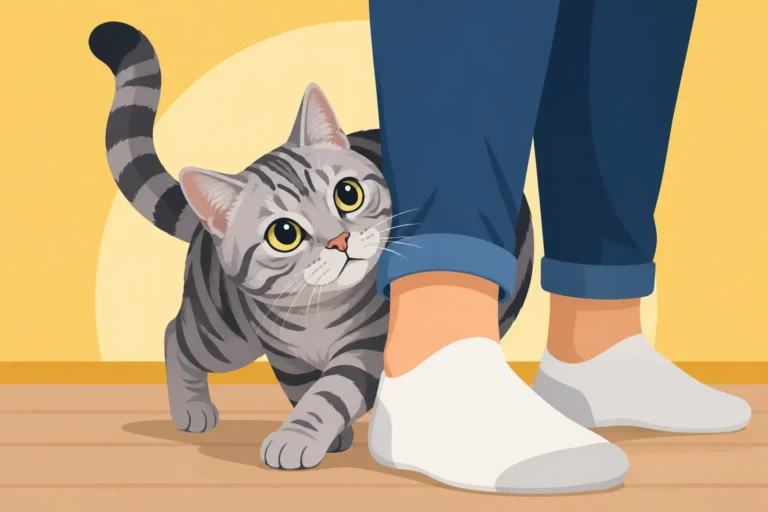
Think about the American Shorthair's ancestors: the hardy, self-sufficient cats that arrived on ships with early settlers, tasked with keeping rodents at bay. These were not creatures bred for constant human companionship or to tolerate boisterous play. Their value lay in their ability to work alone, solve problems, and maintain their own well-being. This ingrained independence means that an American Shorthair generally isn't looking for a playmate in the way a dog might be. They appreciate their humans, certainly, and will often seek out quiet moments of affection on their own terms – perhaps a head bump against your leg as you walk by, or a calm presence beside you on the sofa. But being pursued or cornered goes against their core instinct for self-preservation and personal boundaries. They thrive when they feel they have control over their environment and their interactions. This is a big reason Why an American Shorthair Was Never Bred to Need You in the way a highly dependent breed might.
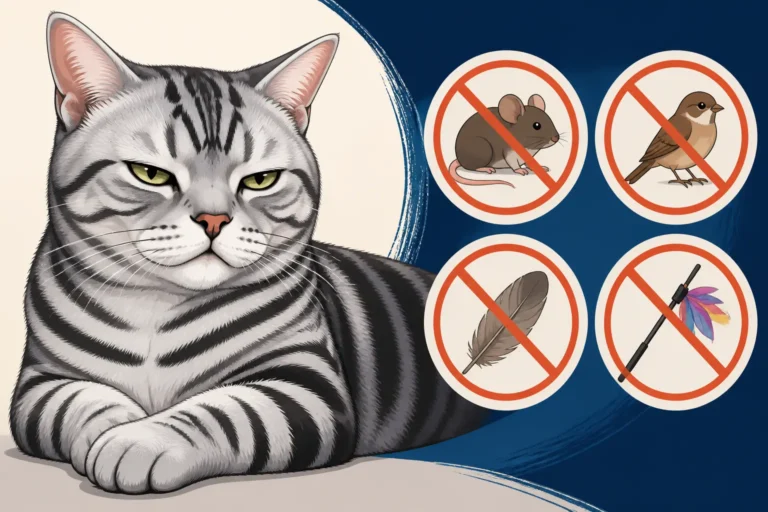
When a toddler, still learning about personal space and gentle touches, approaches an American Shorthair, the cat's primary instinct isn't to engage or even to teach. It's often to disengage. They're not being rude; they're simply expressing their need for space in the most diplomatic way they know how. They’ll weigh the potential for a sudden grab, a loud shriek, or an unpredictable movement against their desire for peace. More often than not, the scale tips towards retreating to a safer, quieter spot where they can observe from a distance without feeling threatened. This quiet withdrawal is often a sign of their inherent good nature; rather than resorting to claws or teeth, they choose flight.
A Preference for Quiet Observation
American Shorthairs are typically observers. They might sit in the same room as you, watching your activities, perhaps even curling up in a sunbeam a few feet away. This quiet presence is their way of being part of the family without necessarily being in the action. They appreciate a calm routine and a predictable environment. Loud, sudden noises or fast, erratic movements can be jarring for them. A toddler's world, by its very nature, is often a symphony of these very things: sudden laughter, unexpected tumbles, toys clattering, and quick, jerky movements as they explore their world.
Imagine your American Shorthair settled peacefully, perhaps napping on a cat tree. Suddenly, a toddler charges in, making excited noises and flailing their arms. For a cat that values tranquility, this can be overwhelming. They might not perceive the toddler's actions as malicious, but they certainly perceive them as disruptive and unpredictable. Their response isn't fear, but a sensible desire to avoid discomfort. They'll likely hop down, perhaps give a wide berth, and head for a room where they can regain their sense of calm. This ability to assess and remove themselves calmly is actually a strength, demonstrating their balanced temperament. They are excellent at self-regulation and generally won't escalate a situation unless they feel truly trapped or threatened. You might notice similar behavior when your American Shorthair interacts with guests; they'll usually observe before deciding whether to approach, as discussed in How an American Shorthair Greets a Visitor.
Why Toddlers Can Be Overwhelming for an American Shorthair
The world through a toddler's eyes is one of constant discovery, but through an American Shorthair's, it can be a landscape of unpredictable giants. Toddlers are still learning fine motor skills, cause and effect, and the nuances of social interaction. Their overtures to a cat, while often well-intentioned, can be perceived as startling or even threatening by a creature that thrives on subtle cues and personal space. Understanding this disconnect is key to bridging the gap between your feline friend and your little one.
Unpredictable Movements and Loud Noises
One of the biggest hurdles for an American Shorthair in a home with a toddler is the sheer unpredictability. Toddlers wobble, they run with sudden bursts of energy, they fall, they cry, they shriek with delight, and they drop things. These actions are all part of normal toddler development, but for a cat accustomed to a more serene existence, they create a constant state of low-level alert. An American Shorthair, while generally robust and not prone to extreme skittishness, appreciates a steady rhythm. When that rhythm is constantly interrupted by startling movements or loud vocalizations, their natural inclination is to seek refuge.
Consider a scenario: your American Shorthair, let's call him Buster, is lounging on the rug. Your toddler, Lily, spots Buster and decides she wants to "pet" him. Her approach might involve a clumsy charge, loud babbling, and hands reaching out quickly and a bit stiffly. Buster doesn't know if those hands are coming to grab him, pull his tail, or just give a clumsy pat. His finely tuned senses pick up on the rapid approach and the high-pitched sounds, interpreting them as potential threats to his calm space. Rather than risk an unpleasant interaction, Buster will likely rise gracefully and simply walk away, perhaps to a higher perch where he feels safer. This is why it's so important to manage interactions and give your cat escape routes. Understanding How an American Shorthair Handles Household Noise can give you further insight into their sensory world.
Lack of Understanding Personal Space
Toddlers simply haven't developed a sophisticated understanding of personal space yet, especially when it comes to animals. To them, a cat might look like a living, purring, soft toy. They don't grasp that pulling a tail or squeezing too hard can cause pain or distress. They might try to pick up the cat, unaware of how uncomfortable or frightening this can be for an animal that prefers to keep its four paws firmly on the ground. For an American Shorthair, who deeply values their bodily autonomy and dislikes being restrained, these attempts at affection can feel like an invasion.
When a toddler corners an American Shorthair, even unintentionally, it violates the cat's fundamental need for an escape route. Cats are hardwired to flee when threatened, and if that option is removed, stress levels soar. This is why you’ll often see your American Shorthair, a cat known for its calm demeanor, retreat into a quiet room or climb to a high shelf the moment a toddler enters the picture. It's not that they don't like the child; it's that they are safeguarding their own well-being. It’s a key reason Why an American Shorthair Retreats Before It Scratches, favoring avoidance over aggression, which is a testament to their gentle nature. They are communicating, in their own quiet way, that they need space.
Creating a Safe and Respectful Environment for Both
Establishing harmony between an American Shorthair and a toddler isn't about forcing interaction, but about managing the environment to ensure mutual respect and safety. This means empowering your cat to make choices about when and how to engage, and teaching your toddler appropriate behavior from an early age. The goal is coexistence, where both feel secure and valued in their shared home.
Providing Ample Escape Routes and High Perches
The single most important thing you can do for your American Shorthair when introducing a toddler is to provide them with plentiful, accessible escape routes and high places. Cats feel safest when they can survey their domain from above, out of reach of curious little hands. This allows them to observe the "toddler tornado" from a safe distance, rather than feeling trapped on the ground. Cat trees, wall-mounted shelves, and even the tops of bookcases can become invaluable sanctuaries.
Place cat trees in common areas where the family gathers, but ensure they are sturdy and tall enough to be out of a toddler's reach. Think about a tall, multi-level cat condo, perhaps from a brand like Amazon Basics or another reputable pet supplier on Amazon, positioned in the living room. This gives your cat a sense of presence without direct vulnerability. Make sure these spots are consistently available and not commandeered by toddler toys or gear. The cat needs to know that this space is theirs, a reliable haven. When your American Shorthair retreats to one of these spots, it's a clear signal that they need a break, and that signal should always be respected by the humans in the house.
Teaching Gentle Interaction from the Start
While your American Shorthair excels at retreating, it's equally important to teach your toddler how to interact gently and respectfully with animals. This is a long-term lesson, but it starts early. Begin by demonstrating soft touches yourself. Show your toddler how to pet the cat gently on the back or head, rather than grabbing or squeezing. Always supervise interactions, never leaving a toddler and a cat alone together. When your cat walks away, explain to your child, "Kitty needs some space now. We let Kitty go." This teaches respect for boundaries.
As your toddler grows, reinforce these lessons. Use simple, consistent language. "Gentle hands," "soft touches," and "let Kitty rest" will become familiar phrases. If your toddler is too rough, calmly redirect their attention to a toy or another activity, explaining that rough play hurts the kitty. Reward gentle behavior with praise. Remember, your American Shorthair is an intelligent animal that will learn to associate gentle, predictable interactions with positive outcomes. They may still prefer their personal space, but they'll be less inclined to vanish at first sight if they know they can trust your toddler's approach. This builds a foundation for a truly positive relationship, even if it's one of quiet companionship rather than boisterous play. An American Shorthair With Children, Dogs and Noise offers more insight into their adaptability.
Nurturing a Positive Relationship Between Your American Shorthair and Toddler
Even if your American Shorthair typically walks away from a toddler, it doesn't mean a meaningful, albeit subtle, relationship can't develop. It simply requires a nuanced approach, understanding your cat's communication, and facilitating positive connections on their terms. The aim is to build trust and mutual respect, allowing their independent nature to shine while still being part of the family dynamic.
Respecting the Cat's Boundaries
The cornerstone of any successful cat-child relationship, especially with an independent breed like the American Shorthair, is respecting the cat's boundaries. When your cat retreats, let them. Don't force interaction or retrieve them for your toddler to pet. This reinforces trust and teaches your cat that their signals for space will be honored. A cat that feels trapped or constantly pursued is more likely to become stressed, which can lead to behavioral issues or, in rare cases, defensive reactions.
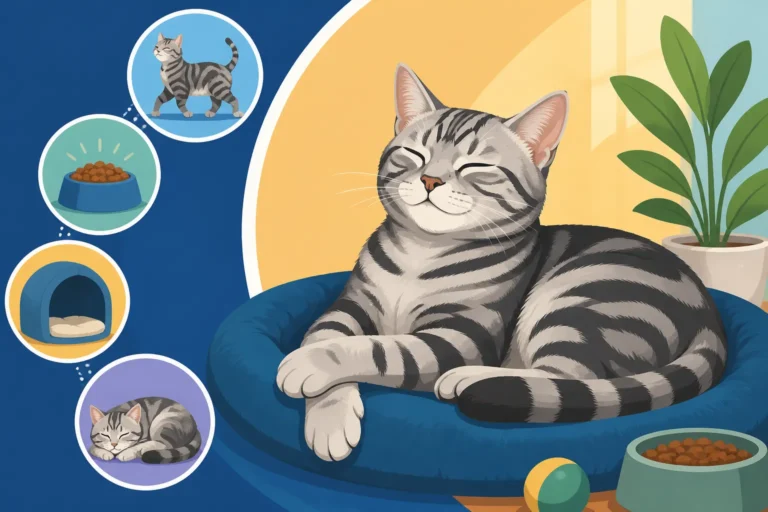
One effective strategy is to create "cat zones" – areas where your cat is allowed and the toddler is not. This could be a room with a baby gate that the cat can jump over, or simply elevated perches that are out of reach. These zones act as safe havens where your American Shorthair knows they can relax undisturbed. Consider placing food, water, and litter boxes in these protected areas to minimize stress during meal times or bathroom breaks. The cat will appreciate having its essential resources in a tranquil spot, reinforcing its sense of security within the home. This level of autonomy is crucial for a self-sufficient American Shorthair.
| Interaction Style | Toddler's Typical Approach | American Shorthair's Preference | Outcome if Mismatched | Outcome if Respected |
|---|---|---|---|---|
| Physical Touch | Grabbing, squeezing, rough petting | Gentle strokes, head rubs on own terms | Cat retreats, stressed | Cat tolerates, may stay |
| Vocalization | Loud, sudden cries, excited shouts | Soft purrs, quiet murmurs, silence | Cat leaves the room | Cat remains calm |
| Movement | Fast, erratic, chasing | Slow, predictable, calm | Cat runs for cover | Cat stays put, observes |
| Space | Close, invasive, attempts to pick up | Ample personal space, escape routes | Cat feels threatened | Cat feels secure, present |
| Play | Direct, rough, hands-on | Interactive toys, wand play, observing | Cat avoids play | Cat engages on its own terms |
Facilitating Gentle, Indirect Interaction
Even if your American Shorthair isn't keen on direct cuddles with a toddler, there are still many ways to facilitate positive, gentle interactions that build a bond. Indirect play can be a fantastic bridge. Use wand toys, laser pointers (with a solid "catch" at the end to avoid frustration), or remote-controlled toys to engage your cat from a distance. This allows your toddler to participate in "playing with the kitty" without needing to get too close. The American Shorthair's hunting instinct is strong, and a good wand toy from a brand like Kong or Jackson Galaxy (available on Amazon) can be incredibly engaging, allowing them to express their natural behaviors in a safe way.
Encourage your toddler to "help" you feed the cat (under strict supervision, of course, to ensure proper portioning and no grabbing of food). They can pour dry food into the bowl, or help you offer a treat to the cat on the ground (again, with gentle hands). These small, positive shared experiences, even if indirect, create a sense of connection. Over time, your American Shorthair may even start to associate the toddler's presence with these fun or rewarding activities, fostering a more comfortable and perhaps even affectionate relationship. Remember that What an American Shorthair Does Instead of Demanding is often very subtle, so look for those small cues of acceptance.
Sometimes, the most loving thing you can do for your American Shorthair and your toddler is to simply let the relationship develop at its own pace, without pressure. Your American Shorthair's quiet presence and steady demeanor are gifts in themselves, teaching patience and respect for another living creature's autonomy. It's a different kind of bond, perhaps, than with a more outwardly affectionate pet, but it's one built on trust and understanding, which is deeply rewarding for everyone involved.
Disclaimer
This article is for general informational purposes only and does not constitute professional advice. Laws, prices and regulations vary by location and change over time. Consult a qualified professional for guidance on your specific situation.