How an American Shorthair’s Coat Thins Toward Summer
It's completely normal to notice changes in your American Shorthair's beautiful, dense coat as the seasons shift. As the days grow longer and temperatures begin to climb, many owners start to wonder why their beloved feline's fur seems to be thinning out. This guide will walk you through the natural process of seasonal coat thinning in American Shorthairs, helping you understand what's happening and how to best support your cat through the warmer months.
The Seasonal Dance of the American Shorthair's Coat
Our American Shorthairs carry a legacy of survival and adaptability in their very genes. Their ancestors weren't pampered house pets; they were working cats, navigating varying climates and conditions, and their coats evolved to be highly functional. This means their fur isn't just for looking pretty; it's a finely tuned piece of natural engineering designed to keep them comfortable in all kinds of weather.
Why Temperature Dictates Hair Growth
Think about our own experience: we shed more hair in the summer and grow thicker hair in the winter, even if it's not as dramatic as our furry friends. For cats, especially breeds with a history of outdoor living like the American Shorthair, this seasonal adaptation is crucial. As the temperature rises and the daylight hours extend after the winter solstice, your cat's body receives a biological signal. This signal, largely driven by changes in light exposure, tells their system it's time to lighten up their insulation for the coming heat. They don't want to be lugging around a heavy winter jacket when summer rolls around, and neither do we want them to! It's a natural, healthy response that has been honed over centuries.
This shedding isn't just about losing hair; it’s about preparing the body to regulate temperature more efficiently. A thick coat, while marvelous for warmth, can become a significant heat trap when the mercury climbs. Your American Shorthair is simply preparing its body to cope with the changing environment, ensuring they can stay cool and comfortable without overheating. It's a testament to their robust, hardy nature that their bodies respond so effectively to these environmental cues.
The Role of the Undercoat in Thermal Regulation
The American Shorthair, like many hardy breeds, boasts a double coat: a layer of protective guard hairs and a softer, denser undercoat. The American Shorthair's Coat Was Built for Weather, Not a Judge because each hair serves a specific purpose. The outer guard hairs are coarser and act as a protective barrier against moisture and minor physical abrasions. They also contribute to the cat's beautiful patterning and color. But it's the undercoat that truly provides the insulation. This fluffy, soft layer traps air close to the body, keeping them warm in winter. Why an American Shorthair's Coat Thickens for Winter is all thanks to this dense undercoat.
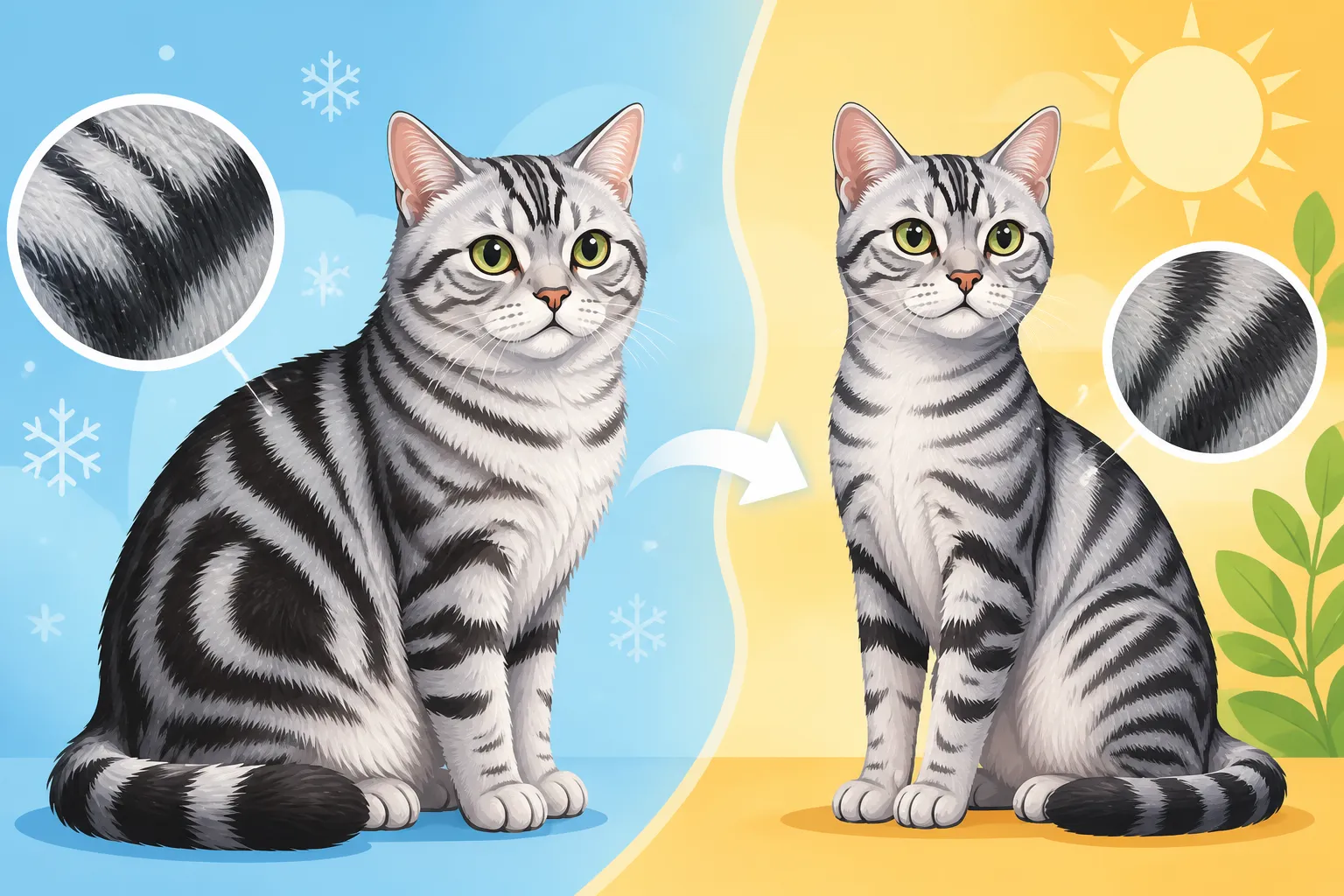
When spring arrives, and the call for a lighter coat is issued by Mother Nature, it's primarily this insulating undercoat that gets thinned out. The old, dead undercoat hairs are pushed out to make way for a less dense, lighter layer that won't trap as much heat. This is why you might find more fine, soft fluff around your home during certain times of the year. The guard hairs still provide their protective function, but the overall thermal load of the coat is significantly reduced, ensuring your cat can dissipate heat more easily. Whether an American Shorthair Carries an Undercoat is key to understanding this seasonal shedding.
Understanding the Summer Thinning Process
The transition from a plush winter coat to a sleek summer one isn't instantaneous; it's a gradual process that culminates in what many owners observe as a significant thinning. It’s important to understand this cycle so you know what to expect and when.
The Great Spring Shed: What to Expect
The most noticeable phase of coat thinning typically happens in spring, often referred to as the "spring shed." This is when your American Shorthair will be actively shedding the bulk of their thick winter undercoat. You'll likely see a lot more hair around your house, on your furniture, and even on your clothes. Don't be alarmed; this is perfectly normal and a sign of a healthy, adaptable cat. The shedding can feel continuous for a few weeks, sometimes even stretching into a couple of months, as the body systematically replaces the old fur.
During this period, the density of their coat will visibly decrease. You might notice that their fur feels less plush and more streamlined. While American Shorthairs are generally low-maintenance groomers, this is the time when they could use a little extra help to manage the shedding. This intense period of shedding ensures that by the time the warmest parts of summer arrive, your cat is equipped with a coat that aids in cooling rather than hindering it. An American Shorthair Sheds Twice a Year and Asks Nothing Else, with spring being one of those major periods. How Much Comes Off an American Shorthair in Spring can be quite surprising!
How the Coat Adapts for Warmer Weather
As the spring shed progresses and the new, lighter coat comes in, you'll observe distinct adaptations. The overall hair shafts might become slightly finer, and the density of the undercoat is considerably reduced. The entire coat becomes less of a dense blanket and more of a breathable mesh, allowing air to circulate closer to the skin. This airflow is vital for evaporative cooling, much like how sweating works for humans, but through their skin and mouth (panting, though less common in cats).
This adapted coat isn't just thinner; it's designed to reflect sunlight more efficiently and allow trapped heat to escape. While their coat still offers some protection from the sun's direct rays, its primary function during summer shifts from insulation to heat dissipation. You'll find your American Shorthair feeling much cooler to the touch, and they'll likely be more comfortable lounging in sunbeams or on warm surfaces, knowing their body can handle the heat. This is their body’s clever way of maintaining an optimal internal temperature, even when the thermometer rises.
Spotting Normal Thinning vs. Concerning Hair Loss
While seasonal coat changes are completely natural for your American Shorthair, it's also important to differentiate between healthy thinning and hair loss that might signal an underlying problem. As an owner, you become attuned to your cat's normal patterns, and recognizing deviations is key to their well-being.
Visual Cues of Healthy Seasonal Thinning
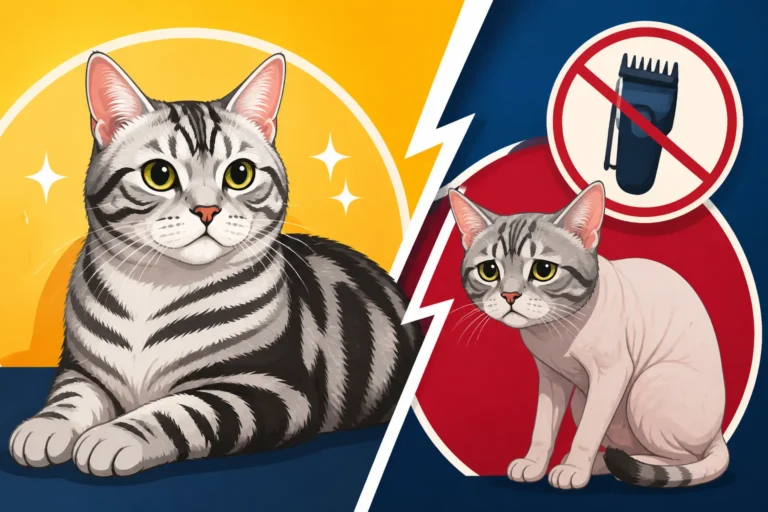
When your American Shorthair is undergoing healthy seasonal thinning, the process is generally even across their body. You won't typically see bald patches or areas where the skin is suddenly exposed. Instead, the entire coat simply appears less voluminous and feels less dense. If you run your hands over their fur, you'll notice it's not as thick as it was in winter, and you might easily see their skin through the thinned-out hair, especially on their belly or flanks, but it won't be completely bare. The hair that remains should still look healthy, with good texture and shine.
Another indicator of normal shedding is that your cat usually doesn't show signs of distress or discomfort related to the thinning. They won't be excessively scratching, licking, or biting at their fur in response to the shedding itself. Their skin underneath should also look healthy – no redness, flakiness, or irritation. It's simply a natural reduction in the amount of fur, a functional change to prepare for warmer weather.
When to Consult Your Vet About Coat Changes
While some thinning is normal, certain signs should prompt a visit to your veterinarian. If you notice bald spots appearing, especially if they're asymmetrical or concentrated in one area, that's a red flag. Excessive scratching, licking, or biting at their fur, beyond typical grooming, can indicate an allergic reaction, parasites like fleas, or even an underlying skin infection. Pay attention to the skin itself: redness, scales, scabs, bumps, or an oily or dry texture are all reasons to seek professional advice.
Sudden, rapid hair loss that seems out of sync with the season, or hair that breaks off easily, could also point to nutritional deficiencies, hormonal imbalances, or systemic illnesses. While American Shorthairs are known for their robust health, conditions like hyperthyroidism or even significant stress can manifest in poor coat quality or unusual shedding patterns. Early intervention is always best, so if you're ever in doubt about the nature of your cat's coat changes, don't hesitate to reach out to your vet. You know your cat best, and your instincts are usually right when something feels off. Why an American Shorthair Stops Jumping to the Counter might be a sign of general discomfort, and unusual coat changes can be too.
Supporting Your American Shorthair's Summer Coat Health
Just because their coat is naturally adapting doesn't mean you can't lend a helping hand. Supporting your American Shorthair through the summer thinning process can make them more comfortable, reduce shedding around the house, and prevent issues like hairballs.
Grooming Strategies for the Summer Shed
During the peak shedding periods, a little extra grooming goes a long way. Brushing your American Shorthair frequently, even daily, can help remove loose undercoat hairs before they end up on your sofa or become hairballs in your cat's stomach. A good quality deshedding tool, like those found on Chewy or Amazon, can be incredibly effective at reaching that dense undercoat without damaging the top guard hairs. A rubber curry brush can also be fantastic for stimulating the skin and gently removing loose fur, and many cats find the massage quite enjoyable. Which Comb Suits an American Shorthair's Hard Coat is often a good starting point for choosing the right tool.
Aim for short, consistent grooming sessions rather than long, infrequent ones. This keeps it a positive experience for your cat and helps you stay on top of the shedding. Not only does regular brushing help manage the fur, but it also gives you an opportunity to check their skin for any abnormalities, bond with your feline friend, and stimulate blood flow to the skin, which promotes healthy hair growth. Even though How Much Combing an American Shorthair Actually Needs is minimal most of the year, seasonal changes warrant an increase.
Nutritional Support for a Healthy Coat
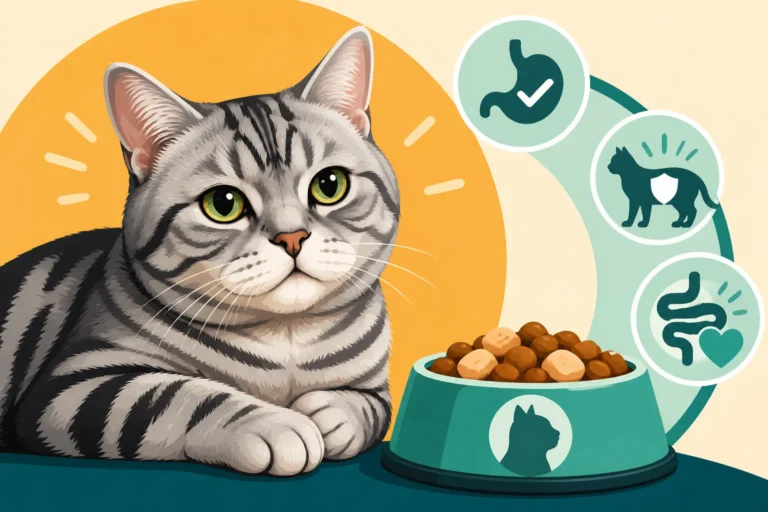
A healthy coat truly begins from the inside out. Ensuring your American Shorthair receives a high-quality, balanced diet is paramount for maintaining skin and coat health throughout the year, including during seasonal thinning. Look for cat foods that list real meat as the first ingredient and are rich in essential fatty acids, particularly Omega-3 and Omega-6. These fatty acids are crucial for skin hydration, reducing inflammation, and promoting a shiny, resilient coat.
Beyond food, hydration is another critical factor. Especially in warmer months, making sure your cat drinks enough water helps keep their skin and hair follicles healthy, which supports healthy shedding and new hair growth. Provide multiple water sources, consider a water fountain, and incorporate wet food into their diet if you don't already. A well-hydrated cat generally has healthier skin and a better-looking coat. Which Protein Level Keeps an American Shorthair Muscular is important, but don't forget the fats for a healthy coat! And, of course, How Much Water an American Shorthair Should Drink is always a good question to ask.
| Season | Coat Characteristics | Shedding Level | Grooming Frequency | Primary Coat Function |
|---|---|---|---|---|
| Winter | Dense, plush, thick undercoat | Low to Moderate | 2-3 times/week | Insulation, warmth |
| Spring | Actively thinning, losing undercoat | High | Daily or every other day | Transition to lighter coat |
| Summer | Shorter, thinner, streamlined | Low to Moderate | 2-3 times/week | Heat dissipation, cooling |
| Autumn | Gradual thickening, growing undercoat | Moderate | 2-3 times/week | Transition to winter coat |
Environmental Factors and Your Cat's Comfort
While genetics and diet play a huge role, the environment your American Shorthair lives in also heavily influences their coat cycle and how they cope with seasonal changes. Understanding these factors can help you create the most comfortable living situation for your furry companion.
Indoor vs. Outdoor Lifestyle and Shedding Patterns
The biggest differentiator in shedding patterns often comes down to whether your American Shorthair lives predominantly indoors or enjoys outdoor access. Outdoor cats are much more exposed to the natural cycles of daylight and temperature fluctuations. Their bodies receive very clear signals from the environment, leading to more pronounced and synchronous seasonal shedding. They will typically develop a very thick winter coat and then shed it dramatically in the spring to prepare for summer.
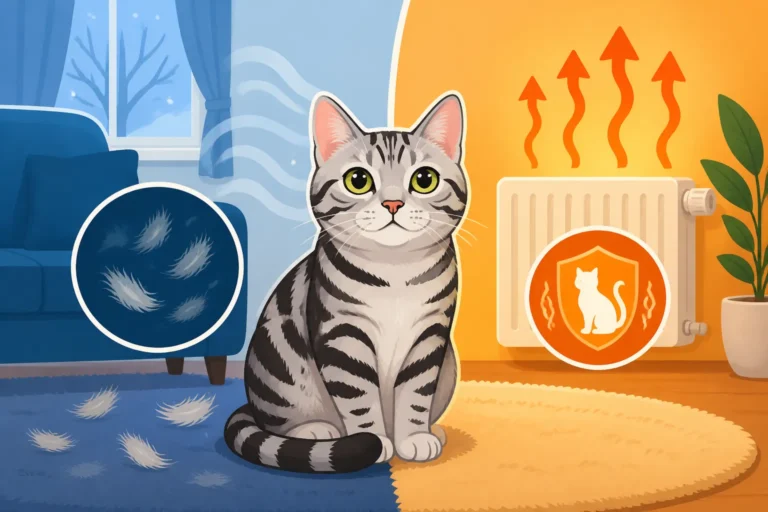
Indoor cats, however, live in a more controlled environment. Artificial lighting, especially during shorter winter days, can disrupt the natural light cycle that triggers shedding. Similarly, consistent indoor temperatures mean their bodies don't experience the same dramatic shifts that necessitate a huge coat change. This often results in indoor American Shorthairs shedding more consistently throughout the year, albeit usually at a lower intensity, rather than having two massive seasonal "blowouts." Whether Central Heating Keeps an Indoor American Shorthair Shedding is a common question, and the answer is often yes, it can make shedding a year-round affair.
Keeping Your American Shorthair Cool in Summer
Regardless of how well their coat adapts, summer can still be challenging for any cat, especially on really hot days. Your American Shorthair's thinner summer coat is a huge help, but they still need your assistance to stay cool and prevent overheating. Ensure they always have access to fresh, cool water; consider adding ice cubes to their bowl or investing in a cat water fountain to encourage drinking. Positioning their water bowl in a cool, quiet spot can also help.
Provide plenty of shady spots for them to relax in, whether it's by closing curtains on sun-facing windows or offering a cool bed or mat. You can even place a damp towel in a spot they frequent. Avoid vigorous play during the hottest parts of the day, instead opting for early morning or late evening sessions. If your American Shorthair has a What an American Shorthair Should Weigh at Its Frame that's on the higher side, they might struggle more with heat, so keeping them at a healthy weight is always beneficial. Remember, How Well an American Shorthair Handles Heat can vary by individual cat, so always keep a close eye on them.
The Wisdom of an Ancient Breed's Adaptability
It’s easy to get caught up in the details of shedding and grooming, but pausing to appreciate the natural hardiness of the American Shorthair breed can offer a new perspective. These cats are truly a testament to nature's design.
Connecting to Their Working Heritage
The American Shorthair's ancestors were not bred for delicate features or extreme traits; they were bred for function. Arriving on ships with early settlers, their primary job was pest control, and they needed to be tough, resourceful, and adaptable. Their coat, therefore, evolved to be robust and efficient, capable of withstanding various weather conditions and environments. This working heritage instilled in them a natural resilience, including a coat that intelligently responds to the seasons without needing human intervention beyond basic care. Why Centuries of Ratting Left the American Shorthair Its Drive is just one example of how their past shaped their present characteristics.
This means their seasonal coat thinning isn't a modern "issue" but a deeply ingrained evolutionary advantage. It speaks to their origins as a strong, healthy landrace breed that wasn't overly manipulated by selective breeding for aesthetics that might compromise function. When you see your American Shorthair shedding their winter coat, you're witnessing a direct link to their hardworking past, a characteristic that served them well for generations.
Appreciating the Natural Cycle
For many modern cat breeds, owners often worry about their delicate health or specific grooming requirements. But with the American Shorthair, much of their care is simply about supporting their natural processes. Their coat's ability to thin for summer and thicken for winter is a beautiful example of this inherent adaptability. It's a reminder that sometimes, the best thing we can do for our pets is to trust in their natural instincts and physiological responses.
Instead of seeing the summer thinning as a chore, try to appreciate it as a sign of a healthy, well-adapted cat. Embrace the shedding by making grooming a positive bonding experience, and take comfort in knowing your cat is naturally preparing itself for the warmer months. The American Shorthair stands as The American Shorthair Is the Control Group of Cat Breeding because its sound health and natural adaptations are benchmarks of what a cat breed should be. It's a breed that embodies simplicity, resilience, and a quiet competence in adapting to the world around it.
Disclaimer
This article is for general informational purposes only and does not constitute professional advice. Laws, prices and regulations vary by location and change over time. Consult a qualified professional for guidance on your specific situation.