Whether You Can Give an American Shorthair Something to Hunt
It’s a common dilemma for American Shorthair owners: you know your beloved feline friend has centuries of hunting instinct coursing through their veins, yet they live a comfortable, safe indoor life. How do you reconcile that powerful, ingrained drive with the reality of a modern home? You want to enrich their lives, prevent boredom, and give them an outlet for those instincts without turning your living room into a wildlife preserve. This guide is all about exploring effective and safe ways to allow your American Shorthair to "hunt" and thrive within your home.
Understanding the American Shorthair's Innate Hunting Drive
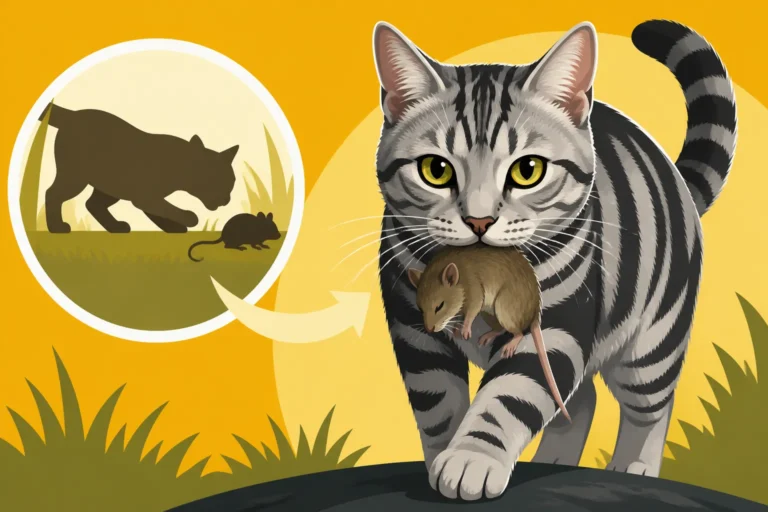
Let's be real, the American Shorthair wasn't just bred for good looks; they were bred for a job. For generations, these cats were the ultimate working animals, keeping barns, ships, and homes free of rodents. That history isn't just a fun fact; it's hardwired into their very being, shaping their instincts, their body type, and their approach to the world around them.
The Deep Roots of Their Prey Drive
Think about the ancestors of your American Shorthair, sailing on ships across oceans or patrolling colonial farms. Their survival, and by extension, the survival of their human companions, depended on their ability to hunt. They weren't just catching a mouse for fun; they were catching their dinner, honing skills that were literally life or death. This isn't just a superficial trait; it’s a fundamental part of their genetic makeup. Their keen eyesight, powerful muscles, lightning-fast reflexes, and acute hearing all developed to make them superb predators. This profound genetic inheritance is why even the most pampered, well-fed American Shorthair will still stalk a dust bunny with the intensity of a tiger. It's not a choice; it's who they are. Why Centuries of Ratting Left the American Shorthair Its Drive is a big part of understanding this.
Why the Instinct Persists Indoors
Even if your American Shorthair has never seen a live mouse in its life, that hunting program is still running in the background. It's like having a high-performance sports car sitting in your garage – it's designed to go fast, even if you only ever drive it to the grocery store. For an indoor American Shorthair, this instinct doesn't just disappear; it needs an outlet. Without appropriate channels, this pent-up energy and natural inclination can manifest in less desirable ways, like stalking your feet, pouncing on innocent household objects, or even becoming bored and destructive. It’s crucial to recognize that this isn't misbehavior; it's a cat trying to fulfill its natural purpose in an artificial environment. What an Indoor American Shorthair Does With a Mouser's Instinct explains this further.
Why Satisfying the Hunting Instinct is Crucial for Their Well-being
Ignoring or suppressing an American Shorthair's natural hunting drive is like telling a dog it can never chase a ball. It goes against their very nature and can lead to a host of physical and psychological issues. Providing proper outlets for this instinct is not just about keeping them entertained; it’s about ensuring their overall health and happiness.
Preventing Undesirable Behaviors
A bored American Shorthair is often a mischievous American Shorthair. If they don't have appropriate "prey" to stalk, chase, and "kill," they might decide your feet are fair game, or that your curtains make an excellent climbing wall for practicing their pouncing skills. They might start batting objects off counters just to see them fall, or even engaging in excessive grooming or other stress-related behaviors. By channeling their hunting instincts into structured play, you give them a positive outlet for their energy, reducing the likelihood of them finding less desirable ways to occupy themselves. It keeps them engaged and focused on appropriate targets, saving your ankles and your home decor.
Promoting Physical and Mental Well-being
Physical exercise is vital for any cat, but especially for the robust and muscular American Shorthair. Simulating a hunt provides bursts of activity, improving cardiovascular health, maintaining muscle tone, and helping to prevent obesity, a common issue for indoor cats. Beyond the physical, the mental stimulation of the hunt is incredibly important. Planning a stalk, anticipating a pounce, and experiencing the "catch" provides mental enrichment that keeps their minds sharp and engaged. This mental workout can prevent boredom, reduce anxiety, and lead to a calmer, more contented cat. Think of it as their daily mental puzzle and gym session combined.
The Best "Prey" Options for an American Shorthair's Instincts
When it comes to giving your American Shorthair something to hunt, the goal is realistic simulation. This means engaging their senses, mimicking prey behavior, and allowing for the full hunting sequence: stalk, chase, pounce, and catch.
Interactive Toys as Simulated Prey
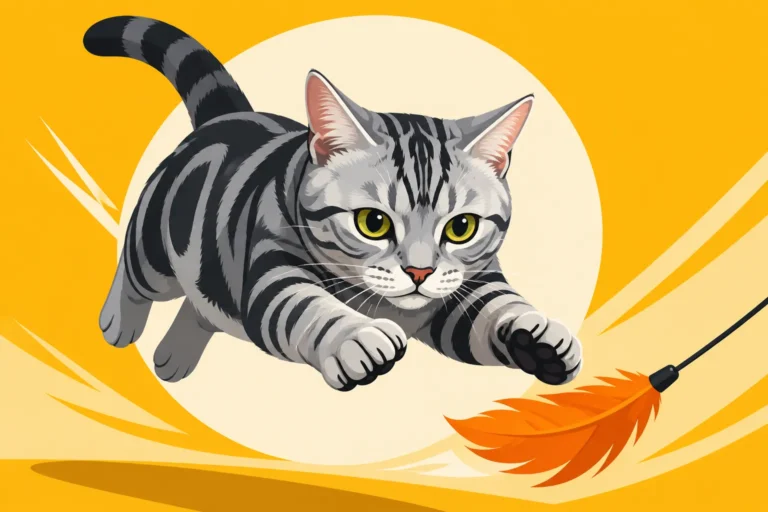
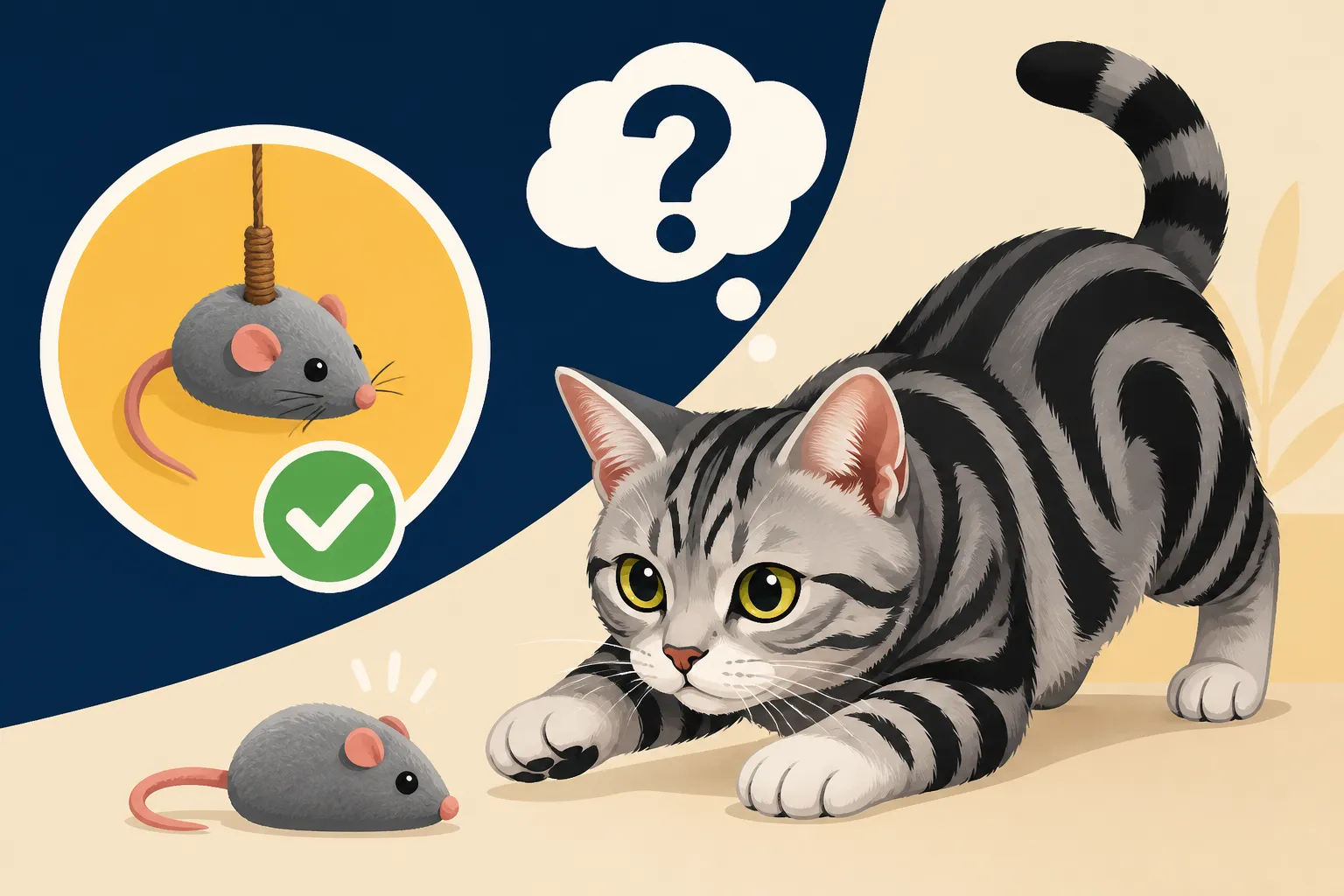
This is where the fun really begins! Interactive toys are your best friend in replicating the hunt. Look for toys that mimic the erratic movements of small prey. Feather wands, for example, can be dangled, swept, and twitched across the floor, simulating a bird or a bug. These allow you to control the "prey," making it hide, dart, and freeze, engaging your cat's natural stalking behaviors. Toys on strings or flexible wires that you manipulate are fantastic because they engage you in the play, strengthening your bond while satisfying their instincts. Brands available on platforms like Amazon offer a huge variety, from simple feather teasers to more elaborate toys with crinkly sounds or real fur attachments. The key is to make the toy move like something alive, not just a static object. Which Wand Toy Reads as Prey to an American Shorthair can give you some excellent ideas here.
When choosing these toys, consider variety. A toy that drags along the floor might mimic a mouse, while one that flies through the air simulates a bird. Some American Shorthairs prefer toys that crinkle, others are drawn to the scent of real fur or catnip. Observing your cat's preferences will help you pick the most engaging "prey." Remember, the best interactive play involves you, the owner, as the orchestrator of the hunt, bringing the toy to life.
Puzzle Feeders and Foraging for Mental Enrichment
Beyond the thrill of the chase, part of the hunting experience is the reward of the "kill" – and for our indoor cats, that often means food. Puzzle feeders are ingenious devices that require your cat to use their brains and paws to extract treats or a portion of their meal. This taps into their foraging instinct, making them "work" for their food, much like their ancestors had to.
Instead of simply presenting a bowl, you can hide food in various places around the house, forcing your American Shorthair to "hunt" for it. This could involve placing kibble in different rooms, on elevated surfaces (if safe), or inside treat-dispensing balls. This activity turns mealtime into a stimulating game, slowing down their eating, preventing boredom, and engaging their natural problem-solving skills. It also reinforces the idea that effort leads to reward, much like a successful hunt. This kind of mental exercise is just as important as physical play for a well-rounded and happy cat. Whether a Puzzle Feeder Satisfies an American Shorthair really delves into this.
Creating a Realistic Hunting Experience Indoors
It's not enough to just throw a toy around; to truly satisfy an American Shorthair's hunting instinct, you need to think like a predator and its prey. The element of surprise, the quick movements, and the ultimate "capture" are all vital components.
Rotating Toys and Introducing Novelty
Just like humans get bored with the same routine, cats can lose interest in the same old toys. To keep the hunting experience fresh and engaging, implement a toy rotation system. Have a selection of interactive toys and puzzle feeders, and only bring out a few at a time. After a few days or a week, swap them out for different ones. This creates novelty and prevents your American Shorthair from becoming complacent. When a "new" toy appears, it reignites their curiosity and makes the hunt more exciting.
Introducing completely new types of toys or even DIY options made from crinkled paper or cardboard can also be effective. The goal is to keep them guessing and to constantly challenge their hunting prowess. Think of it as varying the "species" of prey they encounter. This keeps their minds active and their instincts sharp.
Integrating "Hunting" into Daily Routines
The hunt isn't just a sporadic event; it's a part of daily life for a natural predator. Try to integrate play sessions into your American Shorthair's daily routine, ideally around dawn and dusk, which are their natural hunting times. Short, intense play sessions are often more effective than one long, drawn-out one. Aim for 10-15 minutes, two to three times a day.
During these sessions, mimic the natural hunt as closely as possible. Make the toy dart, hide behind furniture, and sometimes allow your cat to "catch" it before letting it "escape" again. Crucially, always let your American Shorthair successfully "kill" the prey at the end of the session. This could mean allowing them to grab the toy and hold it, or providing a treat immediately after a successful "catch." This completion of the hunting sequence is vital for their satisfaction and prevents frustration. How Many Hunts a Day an Indoor American Shorthair Needs is an excellent resource for structuring these play times.
What to Avoid When Channeling Their Inner Hunter
While the intention is always good, some methods of encouraging an American Shorthair's hunting instinct can actually be counterproductive or even harmful. It's important to be mindful of what not to do.
Steering Clear of Live Prey
This might seem obvious to many, but it's crucial to explicitly state: never give your domesticated American Shorthair live animals to hunt. Introducing live prey, such as mice or insects, to an indoor cat is not only inhumane to the prey animal but also carries significant risks for your cat. Live rodents can carry diseases and parasites, and insects may be poisonous or cause allergic reactions. Furthermore, it blurs the line between appropriate play and actual predation within your home, which can lead to unwanted behaviors or even injury. The goal is simulation, not reality. There are plenty of safe and enriching ways to satisfy their instincts without involving live creatures. Why an American Shorthair Cannot Live With a Bird or Hamster further emphasizes the dangers and ethical considerations.
Avoiding Frustration with Laser Pointers
Laser pointers are incredibly popular cat toys, and it's easy to see why: they get cats moving! However, they come with a significant drawback: the lack of a "catch." A laser dot can be chased endlessly, but it can never be truly caught or "killed." This can lead to immense frustration for an American Shorthair whose natural hunting sequence is never completed. They stalk, chase, and pounce, but there's no tactile reward, no sense of accomplishment.
Repeated exposure to laser pointers without a tangible reward can lead to behavioral issues, such as obsessive chasing of shadows, increased anxiety, or displacement activities. If you do use a laser pointer, make sure to end the session by directing the laser onto a physical toy or a pile of treats that your cat can catch and "kill." This provides the necessary closure to their hunting sequence and prevents the building of frustration. Why an American Shorthair Loses Interest in a Laser delves deeper into this particular issue.
The Long-Term Benefits of Engaging Their Prey Drive
When you consistently provide appropriate outlets for your American Shorthair's hunting instincts, you're not just preventing problems in the short term. You're building a foundation for a long, happy, and healthy life together, reinforcing their natural behaviors in a positive way.
A More Confident and Contented Cat
A cat whose natural instincts are met is a confident cat. When your American Shorthair successfully "hunts" and "catches" their prey during play, it boosts their self-esteem and provides a sense of purpose. This fulfillment reduces stress and anxiety, leading to a more relaxed and contented companion. You'll notice a difference in their demeanor – less restless pacing, fewer inappropriate pounces, and a general air of calm satisfaction. It’s like giving them a fulfilling job to do every day, and they truly appreciate it.
This also fosters a healthier relationship between you and your cat. When you're the source of their exciting "hunts," they associate you with positive, stimulating experiences, strengthening your bond. They learn to trust you to provide for their deepest needs, not just food and shelter, but mental and physical enrichment too.
Sustaining Their Natural Vitality Through the Years
The American Shorthair is known for its robust health and long lifespan. To truly capitalize on this, consistent physical and mental activity is paramount throughout their lives. By continuing to engage their prey drive, you help maintain their muscle tone, agility, and cognitive function as they age. An older American Shorthair might not be as quick as a kitten, but the instinct remains. Adapting play to their changing abilities – using slower movements or placing puzzle feeders closer by – ensures they can continue to enjoy these vital activities well into their senior years. This proactive approach to enrichment supports their overall vitality and quality of life, ensuring those golden years are truly golden. Caring for an American Shorthair Past Twelve offers great insights into supporting an aging cat's needs, including adapted play.
Table: Types of "Prey" for Your American Shorthair
| Type of "Prey" | Description | Benefits | Things to Consider |
|---|---|---|---|
| Wand Toys | Feathers, strings, or soft toys attached to a stick/rod, manipulated by you. | Highly interactive, mimics erratic prey movement, completes hunting sequence, strengthens bond. | Requires owner participation. Ensure durable attachments. |
| Small Plush Toys | Lightweight, catnip-filled, or crinkly toys that can be batted, carried, and "killed." | Satisfies pouncing and carrying instincts, good for solitary play. | Can get lost easily, inspect for wear and tear, replace often. |
| Puzzle Feeders | Devices that require manipulation (rolling, pawing) to dispense kibble or treats. | Engages foraging instinct, slows eating, provides mental stimulation, prevents boredom. | Choose appropriate difficulty, clean regularly, introduce gradually. |
| Spring Toys/Balls | Simple toys that bounce or roll, allowing for chasing and batting. | Encourages active play, good for self-entertainment. | Can roll under furniture, ensure non-toxic materials. |
| Electronic/Motorized Toys | Toys that move on their own, often with erratic patterns. | Provides intermittent stimulation, good for when you're busy. | Requires batteries, can be costly, some cats find them less engaging than human-led play. |
Disclaimer
This article is for general informational purposes only and does not constitute professional advice. Laws, prices and regulations vary by location and change over time. Consult a qualified professional for guidance on your specific situation.