Which Companion Suits an American Shorthair
One of the most common questions I hear from American Shorthair owners, especially those new to the breed, is about companionship. You adore your calm, capable American Shorthair, but sometimes you wonder if they're truly content being the sole furry monarch of your home, or if a friend would make their life richer. It's a valid concern, particularly for a breed so historically self-sufficient. This guide will help you navigate the unique social dynamics of the American Shorthair and explore which companions, if any, truly suit their placid, independent spirit.
Understanding the American Shorthair's Social Nature
Before you even think about bringing another animal into your home, it's essential to truly understand the core social wiring of your American Shorthair. This isn't a breed built on co-dependency or constant chatter; their heritage tells a much different story.
The Independent Hunter's Legacy
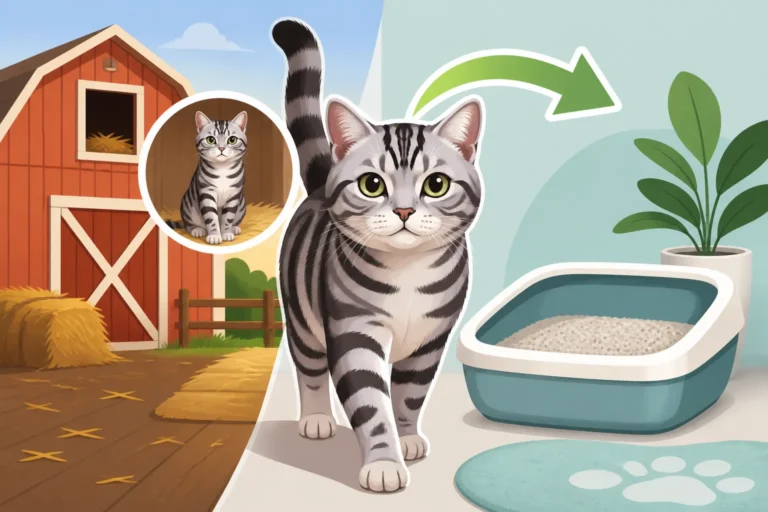
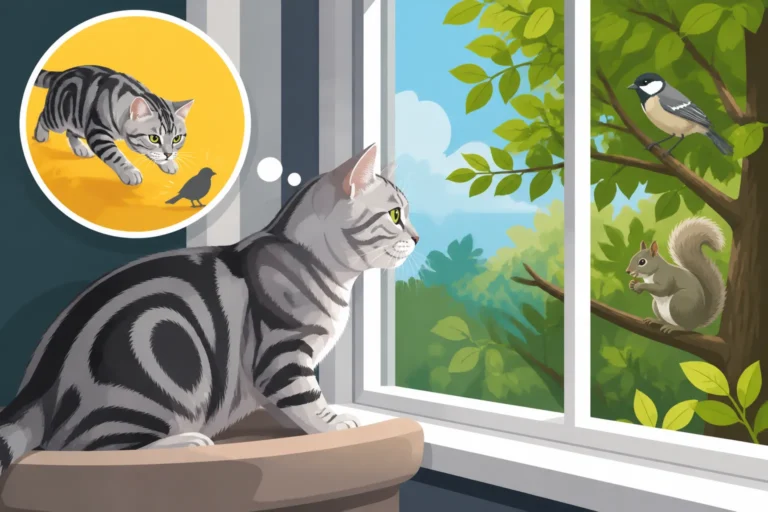
The American Shorthair's ancestors were working cats, plain and simple. They were brought to North America on ships to manage rodent populations, and later they thrived in barns and homes across the continent, continuing their vital pest control duties. This lineage meant they had to be self-reliant, capable hunters, and perfectly content to spend long hours alone, patrolling their territory and securing their next meal. They weren't bred for elaborate social structures or intense attachment to other animals. This deep-seated independence is a hallmark of the breed today. Why an American Shorthair Was Never Bred to Need You
Think about it: a cat on a ship or in a barn often worked alone. Their survival depended on their keen senses and solitary hunting prowess. They didn't need a buddy to help them stalk a mouse; they needed to be efficient and self-contained. This means your American Shorthair isn't likely to pine for a constant playmate in the same way some other breeds might. They're wired to be fine on their own, finding satisfaction in their environment and their own inner world. They appreciate stability and routine, and a new, boisterous addition might feel like an unwelcome disruption rather than a welcome friend.
Affection on Their Own Terms
Just because an American Shorthair is independent doesn't mean they're aloof or uncaring. Far from it! They are incredibly affectionate, but they express it in a subtle, understated way that often surprises people used to more demonstrative breeds. Their affection often manifests as a quiet, companionable presence. They might choose to sit beside you on the sofa, supervising your activities with a soft purr, rather than demanding to be on your lap. They might follow you from room to room, simply enjoying being in your orbit without needing constant physical contact.
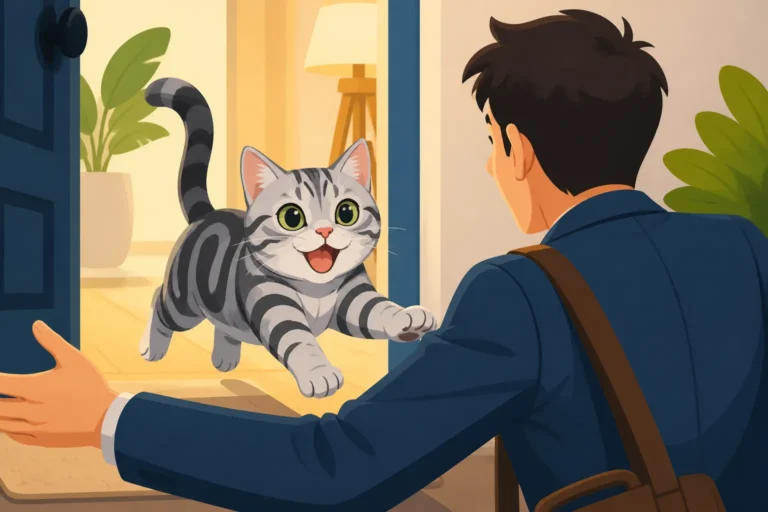
This understated affection is part of their charm. You won't often find an American Shorthair constantly pawing at you for attention or being excessively vocal. Why a Working Bred American Shorthair Sits Beside You Rather Than On You They appreciate a gentle scratch behind the ears, a relaxed cuddle when they initiate it, and the shared peace of a quiet evening. When considering a companion, it’s important to remember that they value personal space and a calm environment. A companion who understands and respects this boundary is far more likely to integrate successfully into their life. They are present, they are loving, but they aren't usually needy.
Adapting to Household Dynamics
One of the American Shorthair's most wonderful traits is their remarkable adaptability. Thanks to their history of living in diverse environments, from bustling ships to noisy farms, they tend to be incredibly placid and tolerant. They generally cope very well with the hustle and bustle of a busy household, including children and even other pets, as long as they feel secure and have their own safe spaces. They aren't prone to panic or extreme stress when faced with change, preferring to assess the situation calmly before deciding on their reaction.
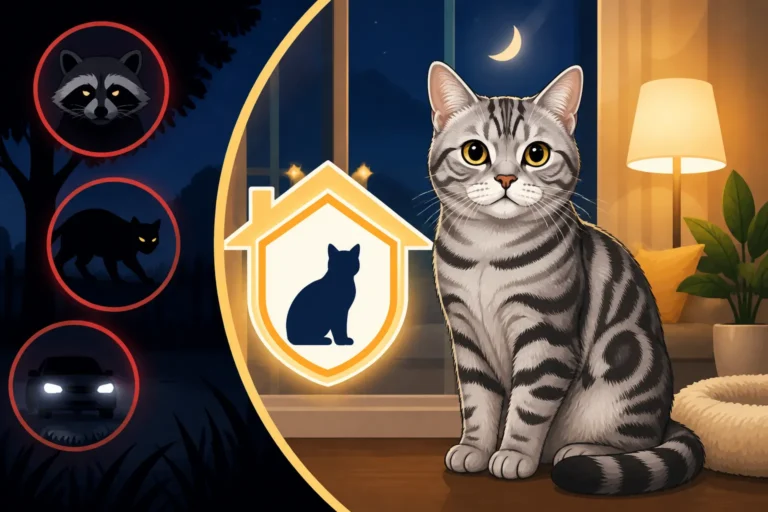
This means that integrating a new family member, whether human or animal, isn't usually a catastrophe for an American Shorthair. They take things in stride, observe, and slowly adapt. While a sudden, loud change might make them retreat for a bit, they're typically not the type to hide under the bed for days on end. Their solid, dependable temperament makes them excellent candidates for multi-pet households, provided the introductions are handled with care and respect for their need for personal space. An American Shorthair With Children, Dogs and Noise They're observers, and they'll quietly figure out their place in any new dynamic.
Companions for Your American Shorthair: Best Matches
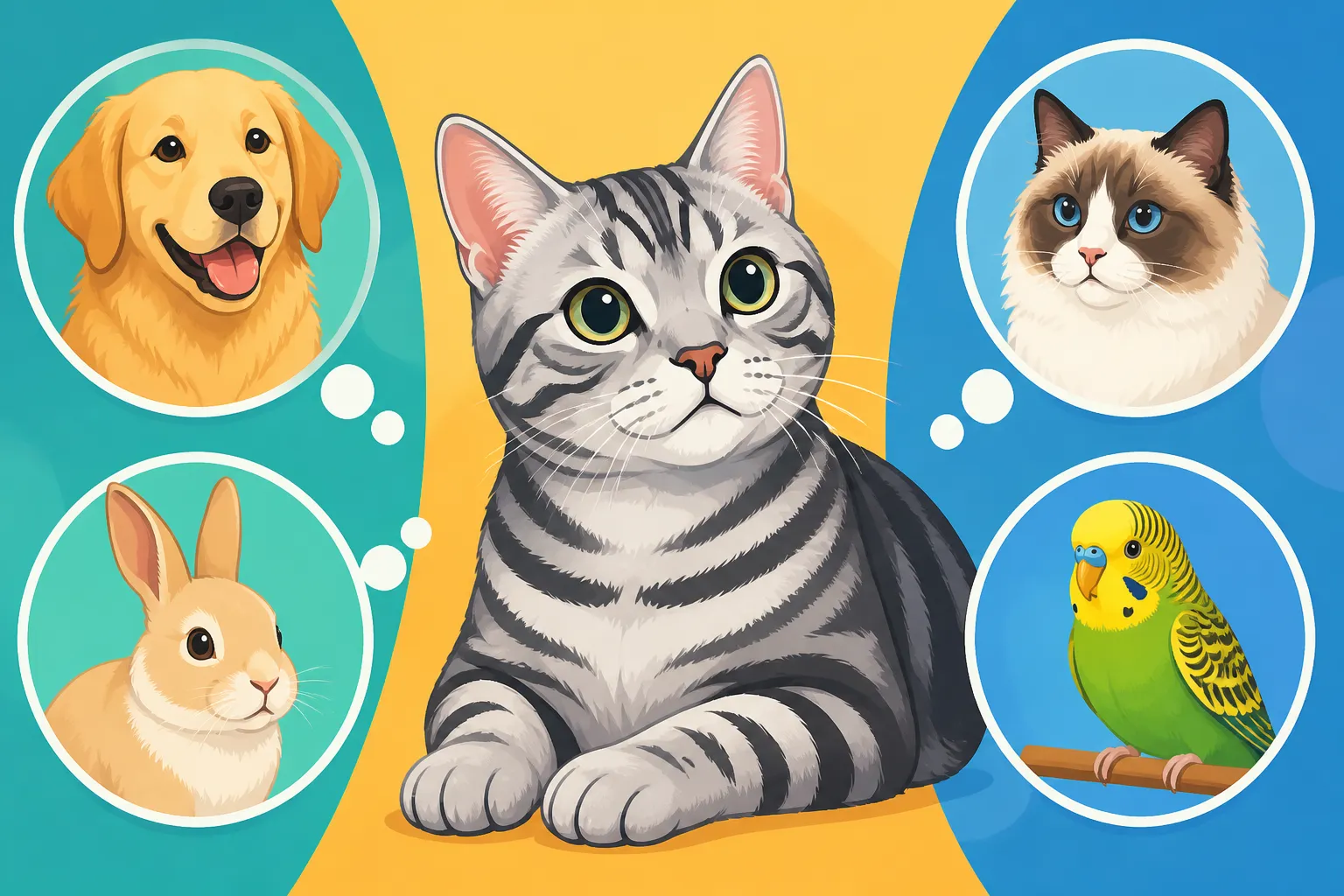
So, you've decided your American Shorthair might benefit from a friend. That's wonderful! Choosing the right companion is key to a harmonious household. Given the American Shorthair's unique personality, certain types of companions tend to be a better fit than others.
Another American Shorthair
It might sound obvious, but another American Shorthair is often one of the best choices for a companion. Why? Because they speak the same "language." They share a similar temperament – generally calm, independent, yet affectionate. They're likely to have comparable play styles, enjoying bursts of interactive play followed by long, peaceful naps. This similarity in personality means they're more likely to understand each other's cues and boundaries, leading to less conflict and more quiet companionship. Whether Two American Shorthairs Split the Territory or Fight for It
When considering two American Shorthairs, think about their age and gender. Two kittens from the same litter often bond easily and grow up together. If introducing an adult, a younger kitten (around 3-4 months old) can sometimes be less threatening to an established adult cat. The older cat often tolerates the kitten's playful antics more readily, and the kitten learns proper cat manners from its senior. Gender can also play a role; often, a male and female pair, or two females, can get along well, though individual personalities always trump general rules. The key is that their inherent behavioral traits—their quiet confidence, their love for a good sunbeam, their moderate play drive—will align, making integration smoother.
Other Placid Cat Breeds
If another American Shorthair isn't an option, look for other cat breeds known for their calm, gentle temperaments. The goal is to avoid introducing a companion that is overly high-energy, constantly demanding attention, or prone to dominance, as this could overwhelm or stress your placid American Shorthair. Breeds like the British Shorthair, with their similarly laid-back nature and sturdy build, can be a good match. Ragdolls, known for their docile and affectionate personalities, might also integrate well, though their lower energy levels compared to an ASH's occasional bursts of activity should be considered.
Even a domestic shorthair (a non-pedigree cat) can be an excellent companion, provided you know their temperament. Spend time with the potential new cat to observe their personality. Is it generally quiet, observant, and tolerant? Does it seem playful but not aggressively so? The ideal companion won't constantly challenge your American Shorthair's established territory or demand interactions they're not ready for. You're looking for a respectful housemate, not a demanding roommate. Think about how much they typically vocalize, their activity levels, and how they react to other cats or new situations. A truly calm cat will likely blend better with your ASH's serene disposition.
Dog Companions
Believe it or not, an American Shorthair can often coexist beautifully with a dog, thanks again to their historical roots. American Shorthairs' ancestors were farm cats, living alongside farm dogs, so they developed a certain level of tolerance. Why a Barn Bred American Shorthair Was Raised Alongside Dogs The crucial factor here is the dog's temperament. A calm, well-trained dog with a low prey drive is the best candidate. Breeds known for their gentle nature, like Basset Hounds, Greyhounds (often surprisingly calm indoors), or even many smaller, laid-back breeds, can be good matches. Avoid high-energy hunting breeds or dogs with a strong instinct to chase.
Introductions must be slow and supervised, giving both animals plenty of time to adjust. Ensure your American Shorthair has ample escape routes and high perches where they can observe the dog from a safe distance without feeling trapped. Items from Amazon like tall cat trees or wall-mounted cat shelves can provide invaluable vertical territory, giving your cat a sense of security. Also, consider using calming diffusers or sprays, readily available on Amazon, during the initial weeks to help ease any anxiety for both pets. The key is to never force interaction and always allow the cat to dictate the pace of the relationship. A dog that respects a cat's boundaries is essential.
| Companion Type | Pros | Cons | Key Considerations |
|---|---|---|---|
| Another American Shorthair | Similar temperament, play style, quiet | Potential for initial territorial squabbles | Introduce slowly, ensure ample resources |
| Other Placid Cat Breeds | Gentle energy, less likely to dominate | May have different social needs | Choose a breed with compatible energy, monitor interactions |
| Calm Dog | Can coexist peacefully if introduced well | Requires careful dog selection, cat needs escape routes | Dog's prey drive, cat's prior exposure to dogs |
| Human Only | ASH can thrive with enough attention | Requires dedicated human playtime and enrichment | Ensure mental and physical stimulation is provided |
Introducing a New Companion to Your American Shorthair
Bringing a new pet home, no matter how carefully chosen, is a delicate process, especially for a territorial creature like a cat. Rushing introductions can lead to long-term stress, fear, and even aggression. For your American Shorthair, who values stability and their established routines, a thoughtful approach is paramount.
The Importance of Slow Introductions
I cannot stress this enough: slow and steady wins the race. Cats rely heavily on scent and routine, and a sudden, unfamiliar animal in their space can be deeply unsettling. The goal isn't instant friendship, but gradual acceptance and peaceful coexistence. This process typically involves several stages, each designed to acclimate your American Shorthair to the newcomer's presence without direct, overwhelming contact. How to Introduce an American Shorthair Without a Territory Fight
Start by keeping the new companion in a separate room with its own food, water, and litter box. This allows for scent swapping without visual contact. You can swap bedding or towels between the pets, allowing them to get used to each other's scent in a non-threatening way. After a few days, controlled visual contact can begin, perhaps through a baby gate or cracked door, for short, supervised periods. Always end these sessions on a positive note, with treats or play. Never force them to interact, and always provide an easy escape route for both animals. Patience is your most valuable tool here; trying to rush things only prolongs the adjustment period.
Creating Separate Spaces and Resources
Even after initial introductions, ensuring that both pets have their own dedicated resources is non-negotiable. This is particularly true for cats, who are highly territorial about their essentials. Every cat in the household should have their own food bowl, water source (some cats prefer fountains, which you can find on Amazon), and most importantly, their own litter box. A good rule of thumb for litter boxes is one per cat, plus one extra, spread throughout the home. This prevents competition and stress-related elimination issues.
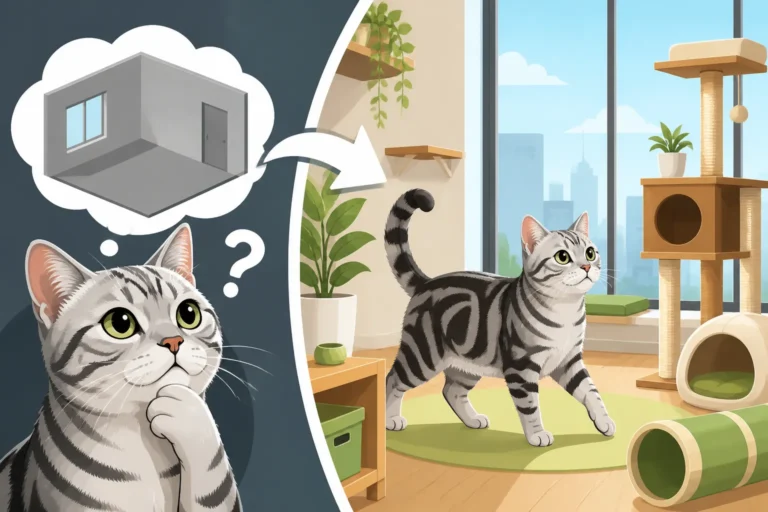
Beyond the basics, each pet needs its own designated "safe space" where it can retreat and feel secure. For cats, this means vertical space. Tall cat trees, wall-mounted shelves, or even a cozy spot on top of a bookshelf give your American Shorthair the ability to survey their territory from above, which is a natural feline instinct for security. You can find a fantastic array of these on Amazon to suit any home décor. Having these individual havens reduces tension and allows both animals to feel in control of their environment, even if they choose not to interact constantly.
Managing Expectations and Patience
It’s easy to dream of your pets becoming best friends overnight, but reality often takes a little longer. Most new pet introductions will take weeks, sometimes even months, for a true truce, let alone friendship, to form. There will be setbacks, hisses, and moments where you question if you made the right decision. This is normal. Your American Shorthair is a creature of habit, and integrating a new being into their established world requires significant adjustment on their part.
Look for signs of acceptance, such as eating in the same room, tolerating each other's presence, or even parallel play (playing near each other without directly interacting). Don't expect them to cuddle or groom each other immediately. If you notice persistent aggression, fear, or inappropriate elimination, it's time to re-evaluate your introduction strategy or consult with a professional animal behaviorist. Remember to reward positive interactions with treats, and always end play sessions or supervised visits on a calm, positive note. Incorporating interactive toys or puzzle feeders, many of which are available on Amazon, during these times can help create positive associations. Consistency, calm energy, and unwavering patience from you will be the biggest factors in their eventual success.
When a Human Companion is Enough
Sometimes, the best companion for an American Shorthair is simply you. It's easy to project our own human desires for companionship onto our pets, but for a breed so inherently self-sufficient, a feline friend isn't always a necessity.
The Satisfied Solo Cat
Many American Shorthairs are perfectly content living as only cats. Their independent nature means they don't require another animal to feel fulfilled or happy. They are adept at entertaining themselves, exploring their environment, and finding comfort in routine. If your American Shorthair seems relaxed, isn't exhibiting signs of boredom or anxiety, and generally enjoys their quiet life with you, then they might truly be a satisfied solo cat. How Undemanding an American Shorthair Really Is
They appreciate your presence, your calm affection, and the security you provide, but they don't necessarily feel a void that only another cat can fill. For these American Shorthairs, their humans are their primary source of companionship and enrichment, and that's perfectly okay. Don't feel pressured to get another pet if your current one is thriving and doesn't show any indicators of needing an animal companion. They often cherish the one-on-one bond they have with you and might prefer not to share it.
Enrichment to Prevent Loneliness
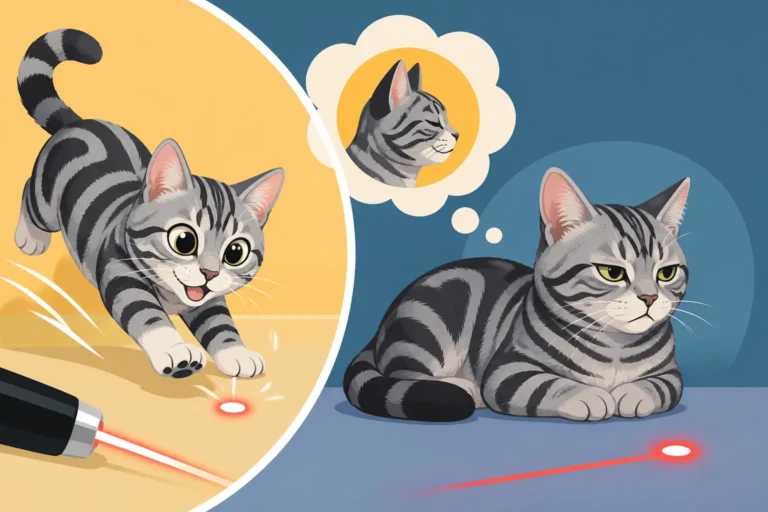
Even a content solo American Shorthair benefits immensely from a rich and stimulating environment. This is where your role as a human companion truly shines. You might not be a cat, but you can provide mental and physical stimulation that prevents boredom and keeps their hunting instincts happily engaged. Regular, interactive play sessions are crucial. Use wand toys that mimic prey movement, allowing them to stalk, chase, and "catch" the toy, completing their natural hunting sequence. Play That Finishes the Hunting Sequence for an American Shorthair This fulfills a deep-seated instinct that an indoor cat might otherwise miss.
Consider scattering treats around the house for them to "hunt" or investing in puzzle feeders, many of which you can find on Amazon, that make them work for their meals. Provide plenty of vertical space, scratching posts (both vertical and horizontal), and window perches where they can watch the world go by. These simple additions can transform a mundane environment into an engaging territory for your American Shorthair, ensuring they remain mentally stimulated and physically active, even without a feline playmate.
Assessing Your Cat's True Needs
The most important step in deciding on a companion is to objectively observe your American Shorthair. Every cat is an individual. Does your cat seem bored? Are they excessively vocal (which is rare for an ASH, but can be a sign of needing more interaction)? Are they engaging in destructive behaviors, or do they seem overly attached to you, perhaps getting stressed when you leave? Or, conversely, are they calm, independent, and content, happy to spend their day napping in sunbeams and engaging in solo play?
Trust your observations. If your American Shorthair seems perfectly happy with your company and the enrichment you provide, and their behavior indicates contentment, then you might be all the companion they need. Don't feel obligated to bring another pet into the home if your current cat is thriving as an "only child." The goal is always the well-being and happiness of your beloved American Shorthair, and sometimes, that means cherishing their independent spirit and being their sole, devoted human companion.
Disclaimer
This article is for general informational purposes only and does not constitute professional advice. Laws, prices and regulations vary by location and change over time. Consult a qualified professional for guidance on your specific situation.