Why an American Shorthair Cannot Live With a Bird or Hamster
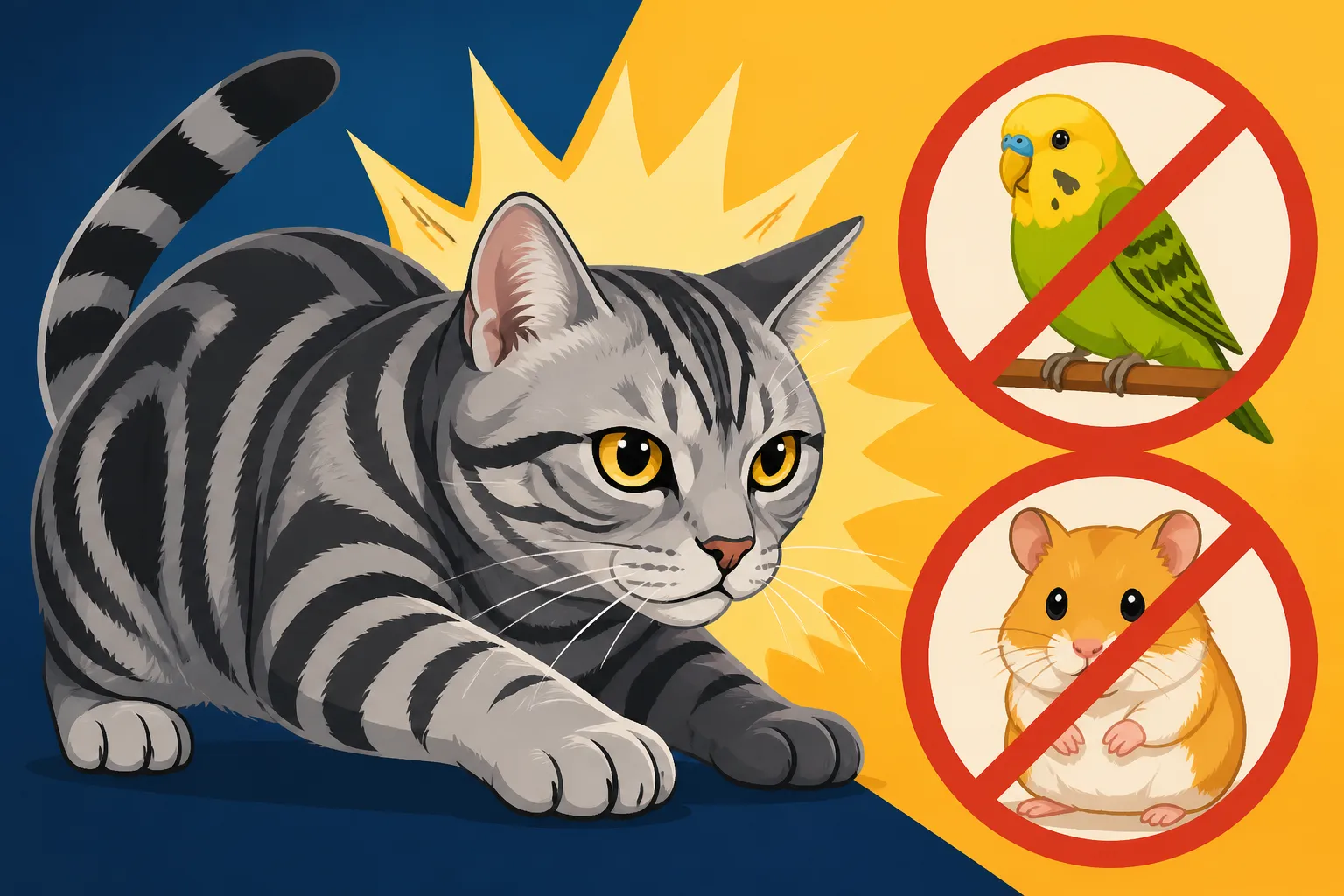
Bringing a new pet into your home is always an exciting time, but the dream of a peaceful, multi-species household can quickly turn into a stressful reality if you don't understand the deep-seated instincts of your existing companions. For American Shorthair owners, this often means facing the difficult truth that these beloved, placid cats simply aren't suited to living with small prey animals like birds or hamsters, no matter how much you wish they could. This guide will delve into why their ancient hunting heritage makes such cohabitation inherently risky, and how you can ensure the safety and well-being of all your pets by respecting their natural behaviors.
The Unshakeable Hunting Instinct of the American Shorthair
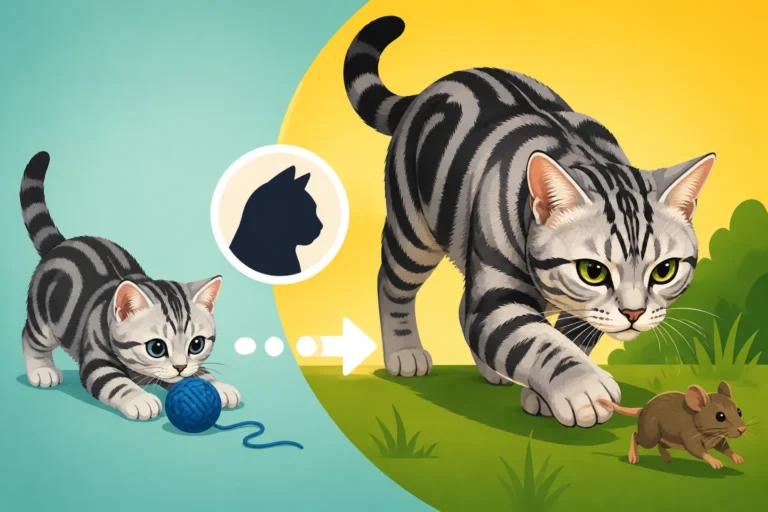
It’s easy to look at our lounging, purring American Shorthairs and forget that beneath that calm exterior lies the heart of a skilled hunter. These cats weren't bred for fancy looks or delicate temperaments; they were bred for work, and that work involved a keen eye, quick reflexes, and an unrelenting drive to catch small creatures. This isn't a personality quirk you can train out of them; it's a fundamental part of who they are, woven into their very DNA over centuries.
Centuries of Service as a Hunter
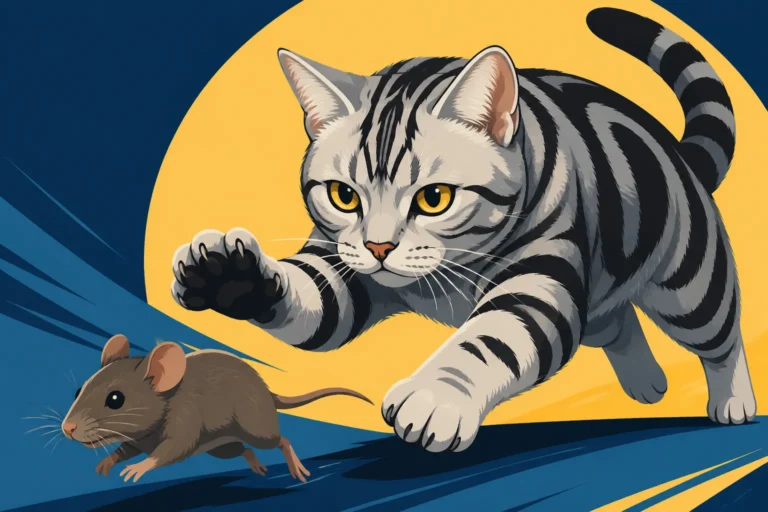
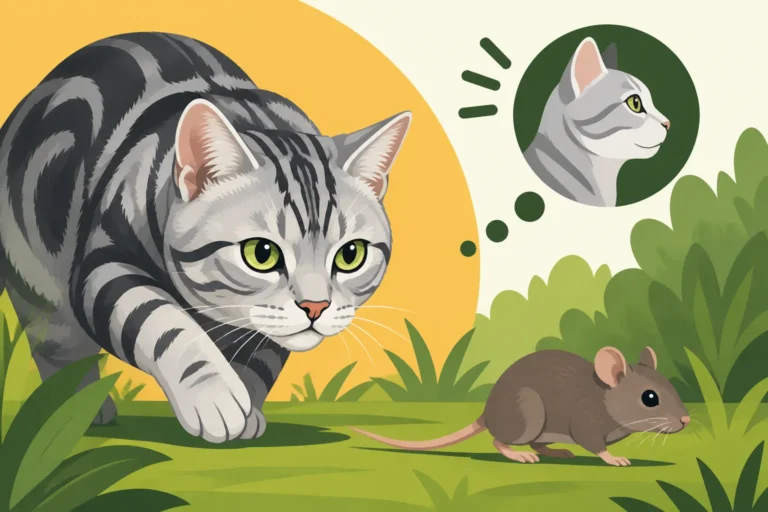
The ancestors of the American Shorthair earned their keep by controlling rodent populations on ships sailing to the New World and later on farms and homesteads across the continent. These weren't pampered pets; they were essential workers, selected for their efficiency in dispatching mice, rats, and other small vermin. Their very survival depended on their ability to hunt effectively, and this consistent selection pressure solidified a powerful prey drive.
Think about it: for generations, the cats who were the most successful hunters were the ones who thrived, reproduced, and passed on those traits. A cat that wasn't interested in chasing or catching wouldn't have survived long in that environment. This incredible lineage means that today's American Shorthair still carries that blueprint for success, even if the biggest "prey" they encounter is a dust bunny under the sofa. You can give them all the gourmet food in the world, but their instincts remain. The American Shorthair Still Hunts, Whether You Want It To or Not explores this in more detail.
Hardwired Prey Drive Versus Pet Companionship
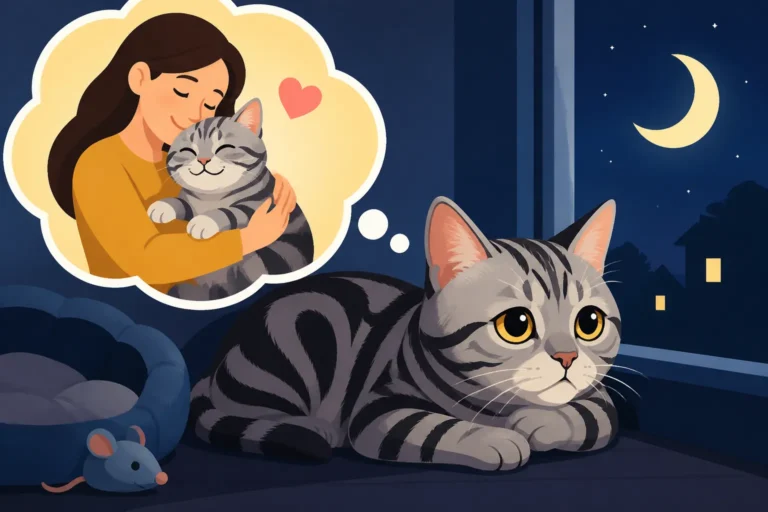
It’s tempting to believe that because your American Shorthair is affectionate towards you, they will extend that same gentle nature to a tiny bird or a scurrying hamster. However, this is a dangerous misconception. The bond a cat forms with its human family is entirely different from its instinctive reaction to a potential prey animal. You are a source of comfort, food, and security; a hamster or bird is, by biological design, something to be pursued and caught.
This isn't about malice or a lack of love on your cat's part. It's simply instinct taking over. Even the most well-behaved, loving American Shorthair can have its prey drive triggered by the sight, sound, or movement of a small animal. Their brain isn't processing "my tiny, defenseless friend"; it's processing "fast-moving, vulnerable target." This innate hardwiring means that even if they've never successfully hunted before, the urge is always there, lurking just beneath the surface, waiting for the right stimulus.
Why Birds and Hamsters are Irresistible Prey
To understand why cohabitation is so risky, we need to put ourselves in the paws of an American Shorthair and see the world through their eyes – or rather, their ears and twitching whiskers. Birds and hamsters, by their very nature, possess characteristics that are perfectly designed to activate a cat's ancient hunting software, making them virtually irresistible targets.
Movement and Sound Triggers
Consider the typical behaviors of birds and hamsters. Birds flutter, perch, and occasionally dart across a cage, chirping and singing. Hamsters scurry rapidly, tunnel, and often make little rustling or squeaking noises. To an American Shorthair, these aren't just charming pet behaviors; they are direct signals of "prey." The quick, erratic movements mimic a mouse fleeing across the barn floor or a bird taking flight from a bush.
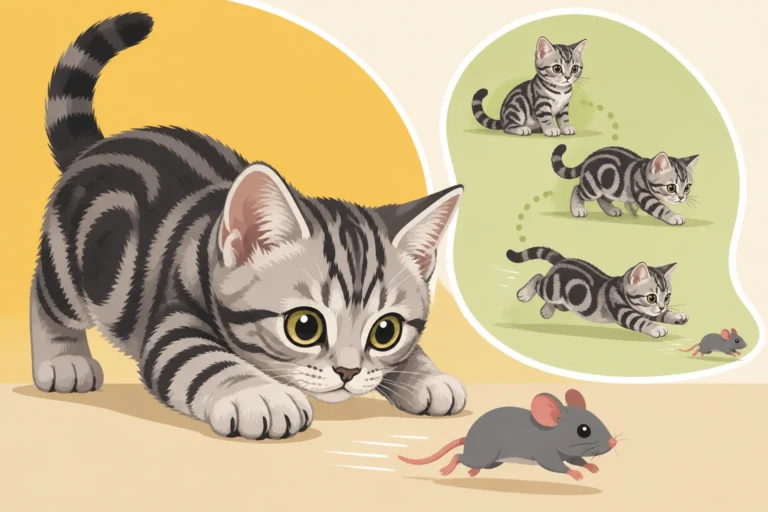
These actions act as powerful triggers for a cat's predatory sequence. The visual stimulation of a small, fast-moving object, combined with the auditory cues, can switch an American Shorthair from a placid companion into a focused hunter in an instant. This is why you might see your cat "chattering" at a bird through a window or intently watching a hamster, even if they've never been able to get to them. It's their instinct responding to the stimuli, rehearsing the hunt. What an Indoor American Shorthair Does With a Mouser's Instinct delves into how these instincts manifest indoors.
The "Catch" is the Reward
Many owners mistakenly believe that if their cat isn't hungry, it won't hunt. This couldn't be further from the truth for a cat, especially one with the strong heritage of an American Shorthair. Hunting is not solely about sustenance; it is a deeply satisfying, self-rewarding behavior. The act of stalking, chasing, and ultimately catching something is its own reward, fulfilling a complex behavioral sequence.
An American Shorthair doesn't need to be starving to feel compelled to hunt a bird or a hamster. The thrill of the chase, the successful pounce, and the satisfaction of "capturing" the prey is enough. This instinct is so powerful that even house cats will hunt toys with intense focus, going through the entire predatory sequence from stalking to pouncing to delivering the "killing bite." Small, vulnerable animals perfectly fit the criteria for this deeply ingrained, non-negotiable activity. Play That Finishes the Hunting Sequence for an American Shorthair talks about how to satisfy this need safely.
The Realities and Risks of Coexistence Attempts
Despite the best intentions and the most elaborate precautions, attempting to house an American Shorthair with a bird or hamster carries inherent, unavoidable risks. Owners often underestimate the persistence of a cat's prey drive and the sheer unpredictability of animals, leading to situations that are tragic for the smaller pet and distressing for everyone involved.
The Inevitable: A Moment's Lapse
Even if you have the most secure cage, the most vigilant eye, and a cat that seems utterly uninterested ninety-nine percent of the time, that one percent is all it takes. A bird cage door inadvertently left ajar, a hamster cage with a chew-through spot you missed, or even just a moment of distraction while cleaning. Cats are incredibly persistent and intelligent when a desired "prey" is involved. They can learn to manipulate latches, exploit weak points in enclosures, or simply wait patiently for an opportunity to arise.
Imagine bringing home groceries, momentarily setting them down, and in that split second, your American Shorthair, which you thought was asleep, is suddenly at the birdcage. Or perhaps a visitor unfamiliar with your strict rules accidentally leaves a door open. These are not far-fetched scenarios; they are common, heartbreaking realities for many pet owners who tried to defy their cat's nature. Whether an American Shorthair's Cat Flap Is Worth the Risk discusses risks of even minimal access.
Stress and Danger for Both Pets
Beyond the obvious risk of physical harm to the bird or hamster, their mere presence in the same home as a predator creates an environment of chronic stress. Prey animals are exquisitely sensitive to the presence of predators. Even if the cat never physically reaches them, the constant visual and auditory presence of a hunting animal can have severe physiological and psychological consequences for your small pet.
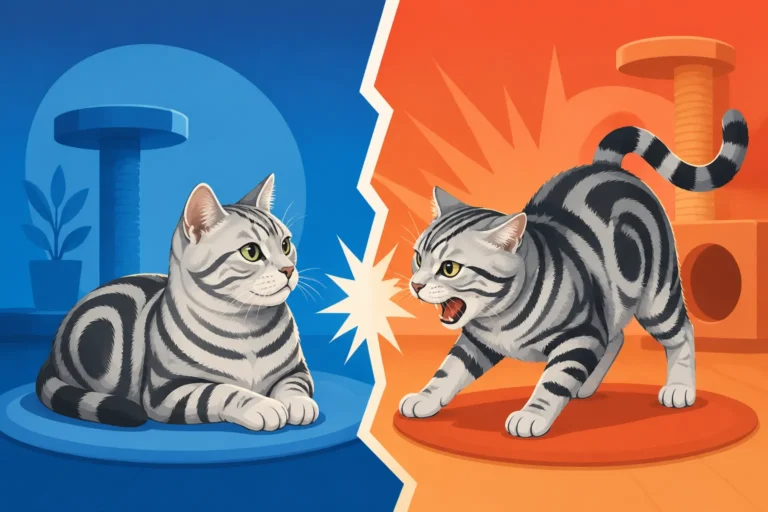
A bird or hamster living under constant perceived threat will experience elevated stress hormones, which can suppress their immune system, lead to behavioral problems, and significantly shorten their lifespan. They may become withdrawn, stop eating normally, or exhibit frantic, anxious behaviors. This is not a quality of life any pet owner wants for their beloved companion. It's an unspoken cruelty to subject a small, vulnerable creature to such an environment. While less common, a small prey animal, if cornered, might also scratch or bite the cat, leading to minor injuries for the American Shorthair, though this is a far lesser concern than the danger to the small animal.
Creating a Safe and Enriched Environment for All
Recognizing and respecting the natural instincts of your American Shorthair doesn't mean you can't have a multi-pet household. It simply means accepting that certain combinations are fundamentally incompatible for direct cohabitation. The key is creating separate, secure environments and providing appropriate enrichment that satisfies each animal's unique needs without putting others at risk.
Separate Worlds: The Only True Solution
When it comes to housing an American Shorthair and small prey animals like birds or hamsters, the only truly safe and responsible solution is absolute separation. This means ensuring that they never have unsupervised access to each other, and ideally, that they are kept in completely separate areas of the home, perhaps even different rooms with solid doors. A dedicated "cat-free" room for your bird or hamster is paramount.
Ensure all cages are robust, secure, and made of materials your cat cannot break or chew through. Even better, consider a completely enclosed, cat-proof room or a spacious walk-in aviary for birds that your American Shorthair can never enter. This might sound extreme, but it's the only way to guarantee the safety and reduce the chronic stress for your smaller pets. Remember that an American Shorthair's keen intelligence and agility can surprise you, so always err on the side of caution. Think about How High an American Shorthair Needs to Get when placing cages.
Enriching the American Shorthair's Instincts Safely
Just because your American Shorthair can't hunt live prey in your home doesn't mean their powerful instincts should be ignored. In fact, providing outlets for their natural predatory behaviors is crucial for their mental and physical well-being. This is where a variety of engaging toys and interactive play comes in.
Invest in wand toys with feather attachments or toy mice that mimic the movement and feel of real prey. Engage your cat in regular, interactive play sessions that allow them to stalk, chase, pounce, and "catch" the toy. Many excellent options are available from retailers like Amazon, from classic feather wands to battery-operated toys that scurry across the floor. Puzzle feeders, also readily available on Amazon, can make mealtime a "hunt" by requiring your cat to work for their food, stimulating their problem-solving skills and reducing boredom. This kind of enrichment helps keep your American Shorthair happy and reduces any frustrated hunting energy that might otherwise be directed towards inappropriate targets. For more on this, check out Which Toys Finish an American Shorthair's Hunt and Whether a Puzzle Feeder Satisfies an American Shorthair.
Consider vertical spaces, like cat trees or shelves, which your American Shorthair can use for observation and "patrol." This gives them a sense of territory and engagement without needing to be an actual hunter of household pests. Even something as simple as providing a constant supply of safe, small toy mice that can be "caught" and carried around can fulfill a part of this ancient behavioral need. You can find a wide range of such toys, often in multi-packs, on Amazon.
By creating distinct living spaces and providing species-appropriate enrichment, you can have a harmonious home that acknowledges and respects the intrinsic nature of all your animal companions, ensuring their safety and happiness for years to come.
| Aspect | Living with American Shorthair and Small Prey | Separate Living Spaces for Pets |
|---|---|---|
| Risk to Small Prey | High (potential for injury or death) | Virtually eliminated |
| Stress for Small Prey | Very High (chronic fear, weakened immune system) | Low (can relax in safe environment) |
| Stress for American Shorthair | Frustration if unable to reach prey; potential for injury if prey fights back (rare but possible) | Low (instincts redirected to appropriate toys) |
| Owner Vigilance Required | Constant, exhausting, and often insufficient | Manageable, focused on secure doors/cages |
| Quality of Life for Small Prey | Compromised, fearful, shortened lifespan | Enriched, peaceful, longer lifespan |
| Quality of Life for American Shorthair | Potential for frustration, obsession with prey | Enriched with appropriate hunting outlets |
| Feasibility | Extremely difficult, often leads to tragedy | Achievable with thoughtful planning |
Disclaimer
This article is for general informational purposes only and does not constitute professional advice. Laws, prices and regulations vary by location and change over time. Consult a qualified professional for guidance on your specific situation.