Whether a Mother Teaches an American Shorthair Kitten to Hunt
It's a common thought that a mother cat meticulously teaches her kittens every skill they need to survive, especially something as fundamental as hunting. While a mother certainly plays a critical role in a kitten's development, for a breed like the American Shorthair, much of their hunting prowess is less about formal lessons and more about an instinctual drive honed by centuries of working for their keep. This guide will explore the fascinating blend of nature and nurture in developing an American Shorthair kitten's hunting abilities, separating myth from reality.
The Deep Roots of the American Shorthair's Hunting Instinct
When you think of an American Shorthair, you might picture a placid, affectionate family pet. But beneath that calm exterior lies a history steeped in practicality: these cats were prized mousers on ships and farms. This isn't just a quaint historical fact; it’s a genetic blueprint that dictates a significant part of their behavior, including their strong prey drive. They didn't learn to hunt from a book; it was ingrained into their very being, selected for generation after generation.
An Inherited Predatory Drive
Long before they were cherished household companions, the ancestors of the American Shorthair were invaluable members of any seafaring vessel or homestead, specifically for their ability to control rodent populations. Imagine a ship crossing the Atlantic; a cat that couldn't hunt wouldn't last long, nor would it be allowed to breed. This intense selective pressure meant that only the most effective hunters passed on their genes. As a result, today's American Shorthair carries an incredibly potent, unlearned predatory drive. They don't need to be taught how to stalk or pounce from scratch; these behaviors are already wired into them. Why Centuries of Ratting Left the American Shorthair Its Drive is a great article to dive deeper into this fascinating history.
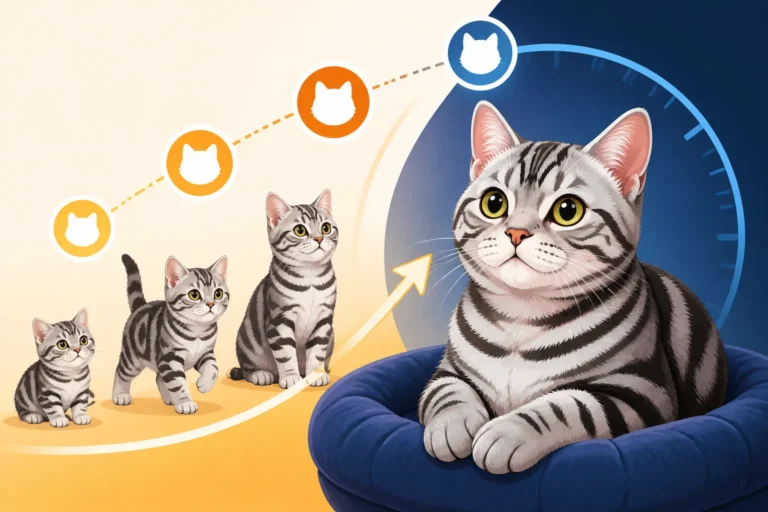
Even a tiny American Shorthair kitten, eyes barely open, will instinctively react to movement, batting playfully at a dangling toy in a way that mimics hunting behaviors. This isn't because mom showed them how; it's because their nervous system is predisposed to recognize and respond to prey-like stimuli. This inherent drive means that while practice and refinement are important, the core predatory behaviors are foundational.
Early Play as Instinctual Practice
Have you ever watched a litter of American Shorthair kittens tumble and play, chasing each other's tails or ambushing their siblings? It looks like innocent fun, but it's actually their primordial hunting instinct kicking in, albeit in a safe and playful manner. These rough-and-tumble games are crucial for developing coordination, timing, and motor skills that will be vital later for actual hunting, even if their "prey" is just a crinkly ball or a sibling's ear.
These playful skirmishes teach them body language, how to apply pressure with their paws (but not too much!), and how to judge distance and speed. They learn about bite inhibition from their littermates and mother, which is essential for healthy social interactions and, of course, for eventually dispatching prey efficiently. It's a dress rehearsal for the real thing, all guided by instinct. How an American Shorthair Kitten Learns to Hunt explores this development in more detail.
The Mother's Role: Refining, Not Initiating
While the foundational hunting instincts are innate, a mother American Shorthair does play a vital, albeit often subtle, role in shaping her kittens' hunting skills. It's less about direct instruction and more about observation, demonstration, and providing opportunities for practice. She's the coach, not the inventor of the game.
Demonstration and Observation
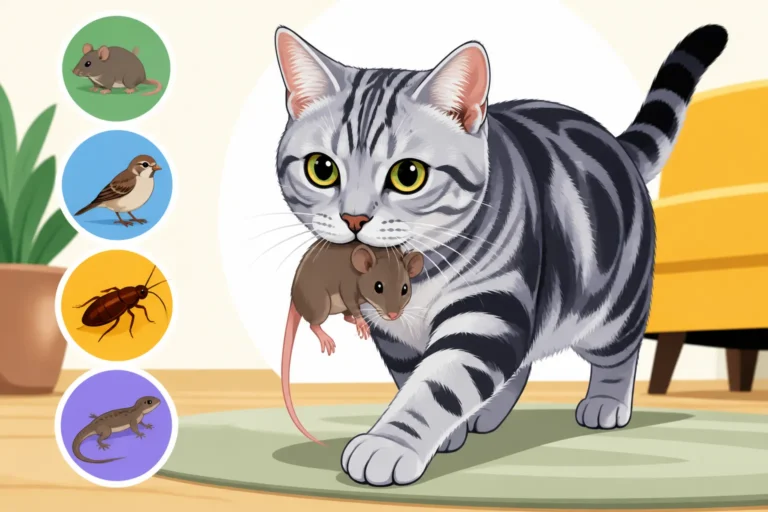
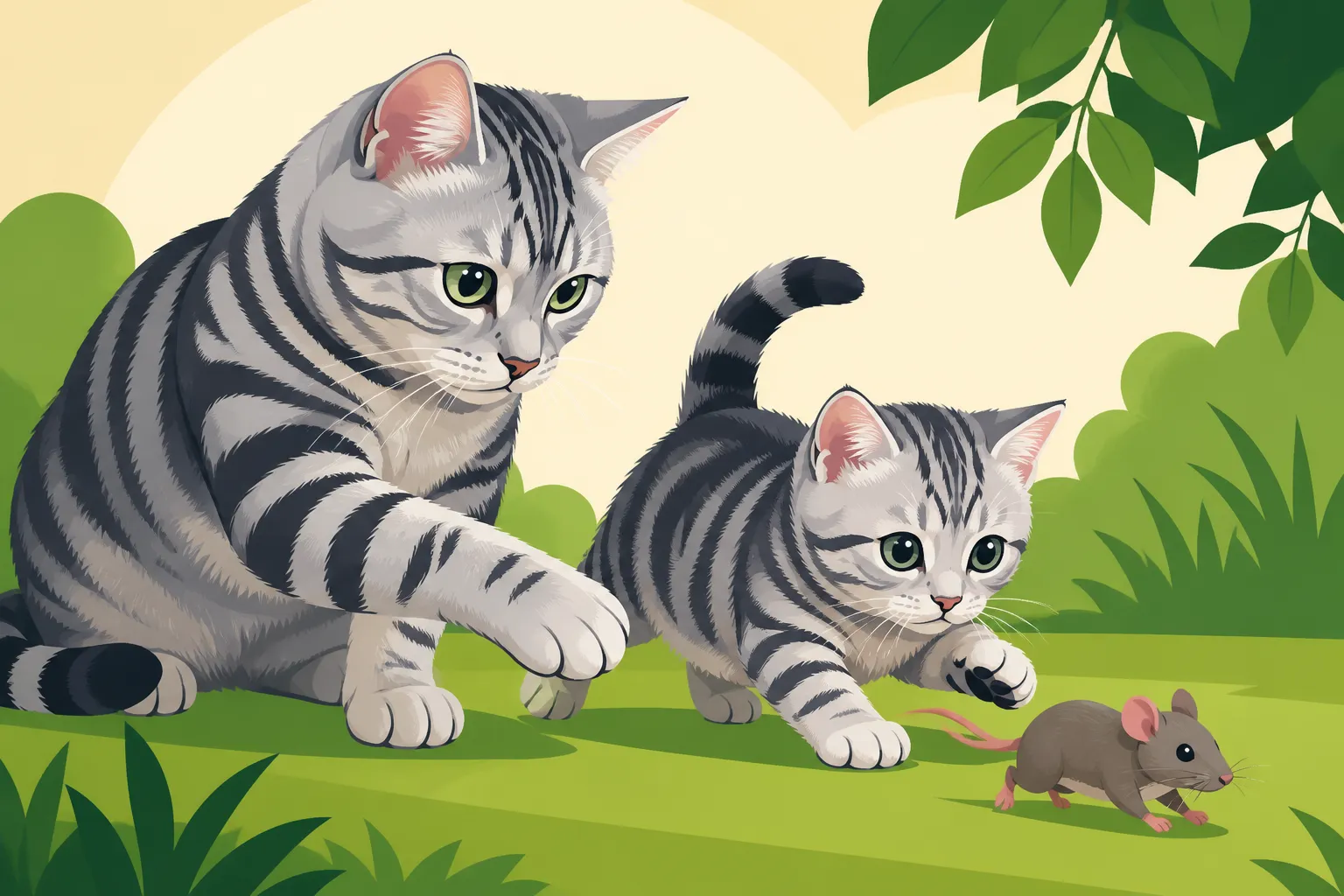
Picture this: a mother American Shorthair on a farm, bringing a stunned mouse back to her litter. She doesn't just eat it; she might bat it around, allowing her kittens to observe and even interact with the prey. This isn't a formal lesson with a chalkboard and pointer; it's a practical, real-world demonstration. The kittens watch her actions, her focus, her technique, and they absorb it. This observational learning is incredibly powerful.
Through watching their mother, kittens learn the nuances of the hunt that instinct alone can't provide. They see how she approaches, how she delivers the final bite, and how she assesses the situation. If she drops the prey and lets them "practice" on it, they're learning invaluable handling skills. This hands-on, albeit indirect, teaching is crucial for translating raw instinct into effective hunting behavior. Without this observation, kittens might be less efficient hunters, even if the drive is there.
Providing Opportunities for Practice
A mother cat, particularly one with outdoor access, understands intuitively that her kittens need practice. She might bring progressively more active prey back to the nest, allowing the kittens to hone their skills on something that still moves but isn't a danger to them. She's creating a controlled environment for them to test their innate abilities.
If a kitten grows up without these opportunities – perhaps they are rescued very young or the mother is an indoor-only cat with no access to prey – their raw instinct might remain, but their practical skills will be underdeveloped. They might still chase a toy vigorously, but they may lack the finesse or efficiency of a cat who has had these maternal "lessons." The mother's presence also provides a sense of security, allowing the kittens to experiment and make mistakes without fear, which is essential for learning complex behaviors.
Social Learning and Reinforcement
Beyond just demonstrating hunting techniques, a mother cat also reinforces appropriate predatory behavior through her reactions. If a kitten pounces clumsily, she might gently correct them with a nudge. If they show good focus and technique, she might allow them more interaction with the "prey" (whether it's a real mouse or just a dangling toy). This subtle social feedback helps shape their approach.
Moreover, the mother teaches them what is acceptable to hunt and what isn't. While an American Shorthair's instinct might tell them to pounce on anything small and moving, the mother helps them learn to differentiate, especially regarding other household pets or even their human family members. She teaches them to channel that drive in appropriate ways. How an American Shorthair Hunts explores the actual mechanics of their hunting.
The Human's Role in Shaping the Instinct
For American Shorthair kittens raised indoors, away from the natural hunting grounds their ancestors roamed, the human owner takes on a significant role in channeling and developing their innate prey drive. We become the stand-in for the teaching mother, whether we realize it or not.
Providing Appropriate "Prey"
One of the most important things we can do for an American Shorthair kitten is to provide toys that mimic prey. This isn't just about entertainment; it's about giving them an outlet for their hardwired hunting behaviors. Wand toys with feathers or realistic-looking small animals, crinkle balls, or even a simple piece of string can satisfy this deep-seated need. The key is that the toys should move like prey – darting, hiding, and allowing the cat to stalk, chase, pounce, and "kill."
Consider rotating toys to keep things fresh and engaging. A wide selection of interactive toys from Amazon can help meet this need. This provides the mental and physical stimulation they would naturally get from hunting. Without proper outlets, an American Shorthair might turn their attention to less desirable "prey," like your toes under the covers or small household items. Which Wand Toy Reads as Prey to an American Shorthair offers some great toy ideas.
Engaging in Interactive Play Sessions
It’s not enough to just leave toys out; American Shorthairs thrive on interactive play sessions that simulate the full hunting sequence. This means playing with your kitten, guiding the toy in erratic movements, letting it hide, and allowing the kitten to "win" and catch the "prey" at the end of the session. A satisfying catch and "kill" (even if it's just a toy being firmly held in their jaws) is crucial for their mental well-being.
Think of it as a play-hunt ritual. Dedicate specific times each day for these sessions. It helps them burn off energy, prevents boredom, and strengthens the bond between you and your cat. Using a variety of toys, perhaps even puzzle feeders from Amazon that require them to "hunt" for their kibble, can keep them mentally sharp and physically active.
Redirecting Unwanted Hunting Behaviors
Sometimes, an American Shorthair's strong prey drive can lead to unwanted behaviors, like attacking hands or feet. This often happens because they haven't learned appropriate outlets for their hunting instinct. If you find your kitten engaging in this, it's essential to redirect them immediately to an appropriate toy. Never use your hands or feet as toys, as this only reinforces the idea that they are "prey."
A firm "no" followed by offering a wand toy or a plush kicker toy can help them understand what is acceptable to hunt. Consistency is key here. Over time, they'll learn to channel their instincts onto designated toys rather than human body parts. This is where the human acts as the ultimate guide, much like a mother cat would gently correct her kittens' play.
What Happens When the Maternal "Lesson" is Missing?
While American Shorthairs have a strong inherent drive, the absence of a mother's guidance, especially for kittens separated too early, can have an impact on how their hunting skills develop and how they interact with their world.
Early Separation and Development
Kittens separated from their mothers and littermates too early (before 8-12 weeks) often miss out on crucial developmental stages. This can include learning important social cues, bite inhibition, and, yes, the nuances of refining their hunting instinct. While the core drive will still be there, they might be less adept at the actual execution. They might not understand how to stalk effectively, how to pounce with precision, or how to handle "prey" efficiently.
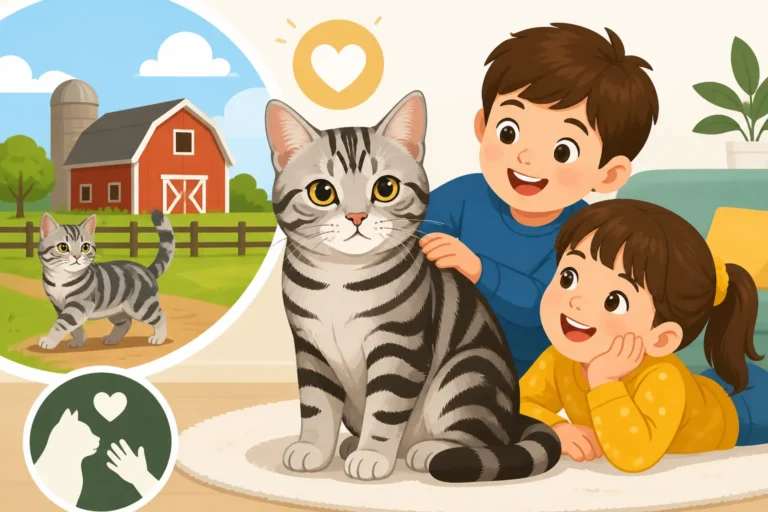
This isn't to say they won't become good hunters, but they might take longer to develop these skills, and it might fall entirely on the human owner to provide consistent and intentional enrichment to compensate. These kittens might also exhibit more rough play, as they haven't learned the boundaries that their mother and siblings would typically teach. Why a Farm Bred American Shorthair's Tolerance Suits a House With Children touches on the importance of early socialization.
The Impact on Socialization and Play
A mother cat also teaches her kittens how to interact with the world around them, including what is and isn't a threat, and what is and isn't prey. Kittens who miss this can sometimes struggle with boundaries. They might stalk and pounce on things inappropriately, or they might be more fearful or over-reactive.
Without the mother's example, they might also miss out on learning how to manage their predatory excitement. They might become overly stimulated during play, leading to more aggressive behaviors. This is where human intervention with appropriate toys and consistent play becomes even more critical. We need to help them understand how to engage their hunting instincts in a way that is safe and satisfying for everyone.
Creating a Rich Hunting Environment Indoors
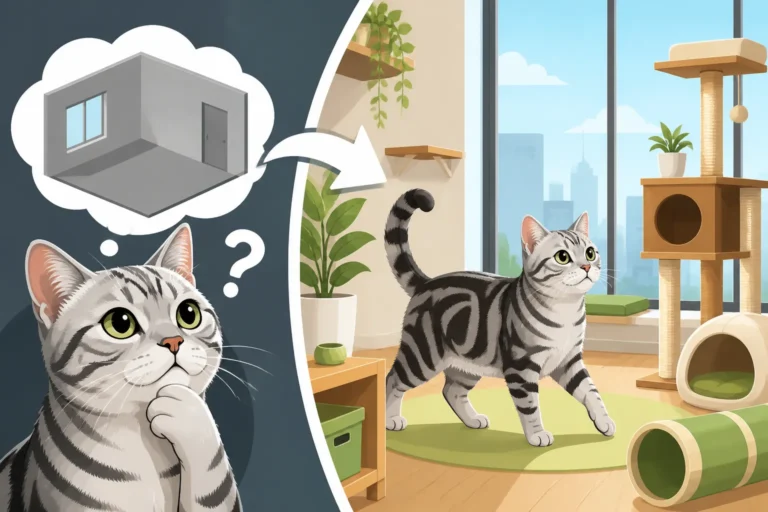
Even for an American Shorthair that will live its entire life indoors, it's crucial to create an environment that acknowledges and caters to their strong hunting instincts. This helps them stay physically fit, mentally stimulated, and happy.
Vertical Space and Hiding Spots
American Shorthairs, despite their sturdy build, are natural climbers and observers. Providing vertical space, like cat trees, shelves, or even sturdy window perches, gives them elevated vantage points from which to "survey their territory" and spot "prey." This mimics their natural behavior of climbing to gain an advantage in a hunt or to feel safe.
Hiding spots are equally important. Cardboard boxes, cat tunnels, or even blankets draped over chairs provide opportunities for ambushes, an essential part of the hunting sequence. These spaces allow them to practice stalking and pouncing in a low-stress environment. Think of them as miniature hunting blinds. How Much Vertical Space an American Shorthair Needs is a helpful resource here.
Puzzle Feeders and Foraging Toys
Since an indoor American Shorthair isn't actually hunting for their food, it's easy for them to become overweight if food is simply left in a bowl. Puzzle feeders and foraging toys are fantastic ways to make them "work" for their meals, engaging their hunting drive in a positive way. These toys require the cat to bat, nudge, or manipulate them to release kibble or treats.
This not only slows down their eating, aiding in weight management, but also provides mental stimulation that mimics the challenge of finding food in the wild. You can find a wide variety of these feeders on Amazon, from simple treat balls to more complex labyrinth designs. It makes mealtime an enriching experience rather than just a quick gulp-and-go. Whether a Puzzle Feeder Satisfies an American Shorthair offers more insights into this type of enrichment.
Variety in Toys and Play
Just like humans get bored with the same routine, cats can too. Regularly rotating toys and introducing new types of play keeps their hunting instincts sharp and engaged. Consider different textures, sounds, and movements in toys. Some days might be about chasing a feather wand, others about stalking a remote-controlled mouse.
The goal is to prevent stagnation and ensure that their inherent desire to hunt is always being met in novel and exciting ways. This constant mental engagement is key to their overall well-being and prevents boredom-induced destructive behaviors.
The Enduring Nature of the American Shorthair's Hunt
In conclusion, while a mother American Shorthair provides valuable refinement and opportunities for practice, the fundamental hunting drive in these cats is deeply ingrained. It's a testament to their lineage as working cats, a characteristic that remains strong even in the most pampered housecat.
Understanding this innate drive is crucial for any American Shorthair owner. It means recognizing that they aren't just playing when they chase a toy; they are fulfilling a primal need. By providing appropriate outlets, engaging in interactive play, and creating an enriching environment, we can ensure our American Shorthairs lead fulfilling lives, honoring the hunter that still thrives within them. Don't worry too much about whether a mother teaches an American Shorthair kitten to hunt the same way a human teaches a child; their ancestors already took care of the main lesson.
Disclaimer
This article is for general informational purposes only and does not constitute professional advice. Laws, prices and regulations vary by location and change over time. Consult a qualified professional for guidance on your specific situation.