How Patient an American Shorthair Is at a Gap
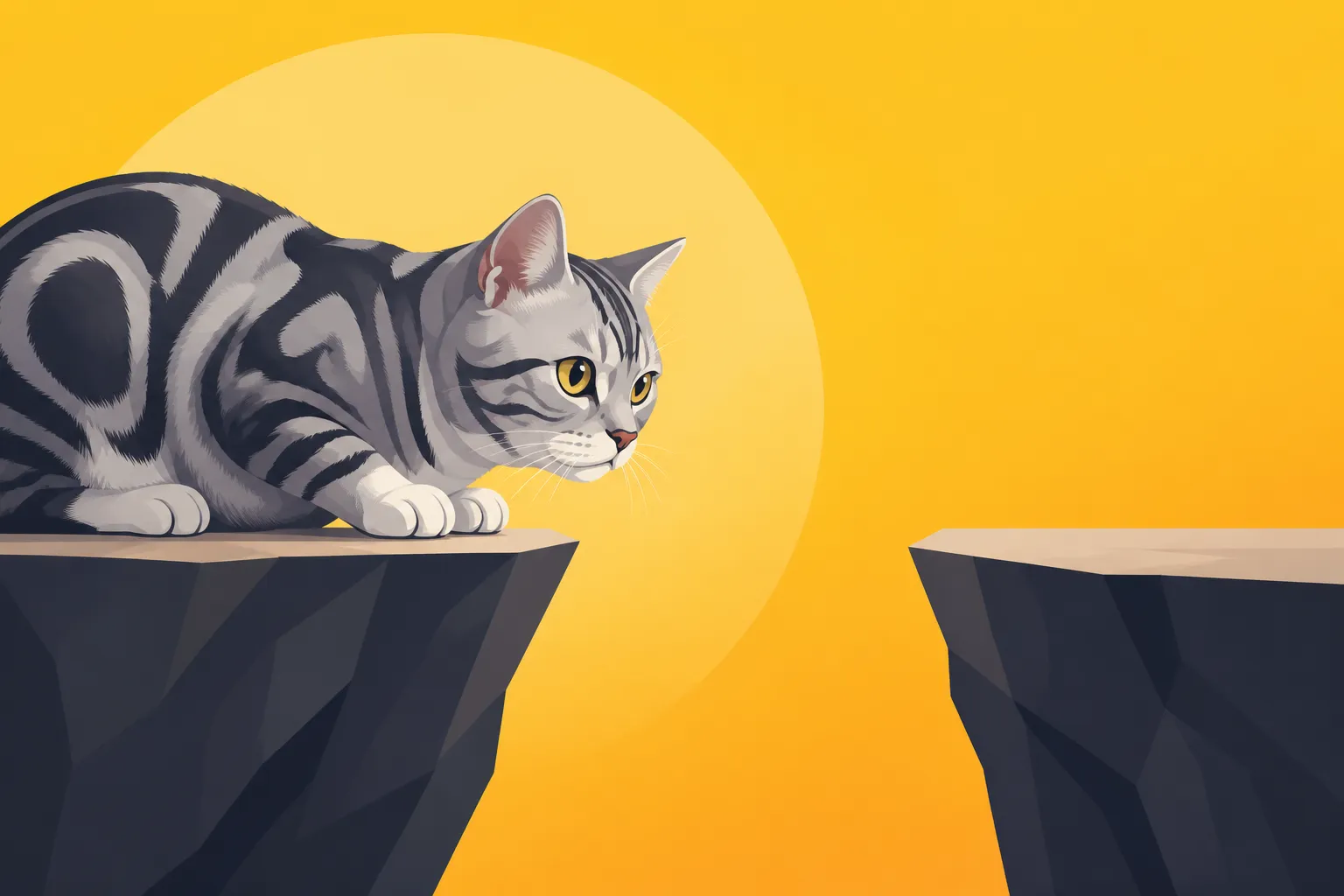
You might be wondering if your American Shorthair is going to relentlessly try to squeeze through that tiny gap under the door, or if they'll patiently wait for an opportunity. It's a valid concern! These wonderful cats carry generations of working instinct, and understanding how their hunting drive influences their patience and persistence around tight spaces can make a huge difference in how you manage their environment and keep them safe and happy. Let's delve into how your American Shorthair perceives and interacts with those tempting gaps.
The American Shorthair's Innate Drive: Patience or Persistence?
When we talk about an American Shorthair and a "gap," it's not just about a simple opening. It's about opportunity, instinct, and a deep-seated drive to explore and, yes, often to hunt. Their ancestors weren't bred for delicate features but for practicality and survival, which included a healthy dose of determination. This heritage shapes how they approach any perceived access point, from a slightly ajar cabinet door to a crevice behind the washing machine.
Centuries of Stalking: How Ancestry Impacts Patience
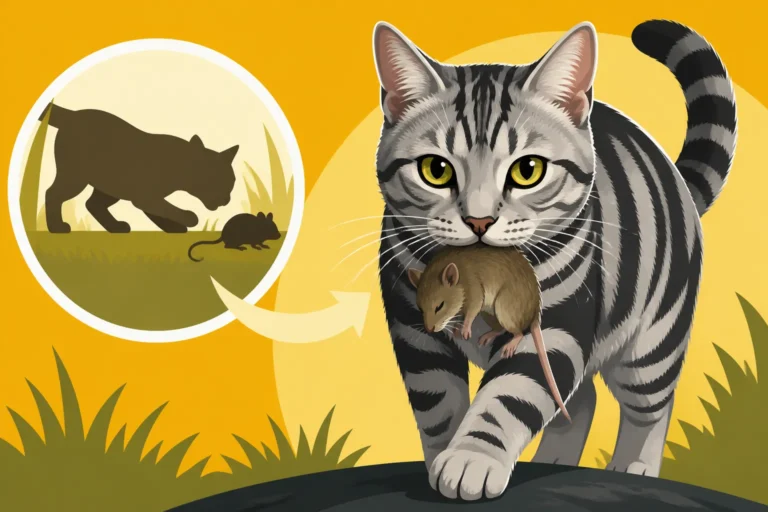
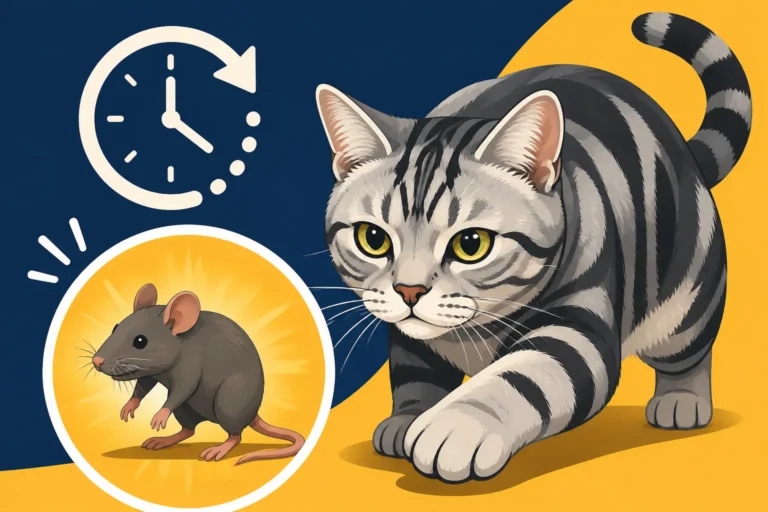
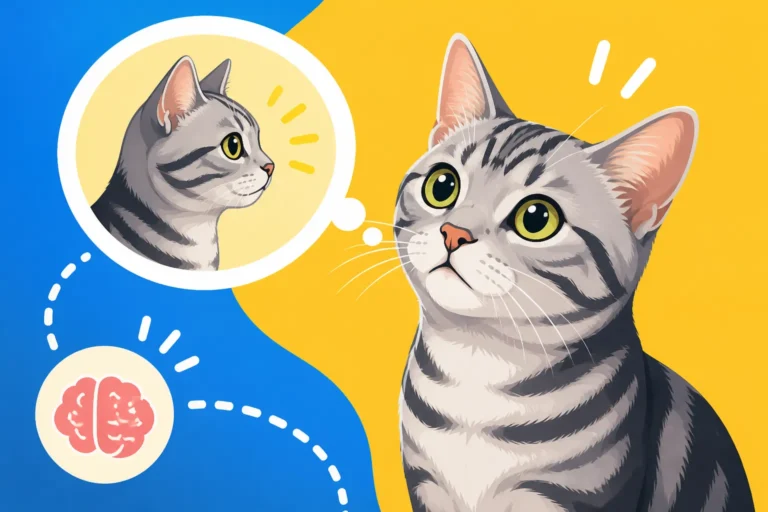
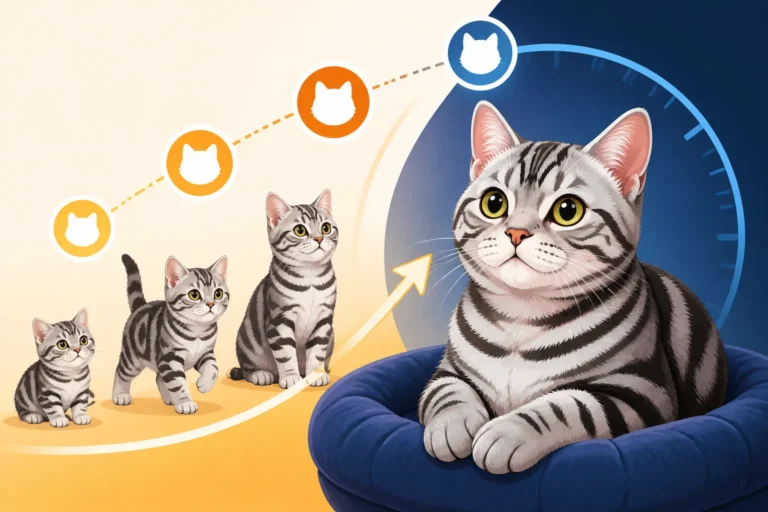
Think about the American Shorthair's origins. These were the working cats of barns and ships, constantly on the lookout for rodents. A mouse isn't always out in the open; it’s often hidden, peeking from a tiny hole in the wall or a gap in the floorboards. Their survival depended on their ability to wait, sometimes for what felt like an eternity, for that fleeting moment when prey emerged. This ingrained behavior translates into a remarkable capacity for quiet observation. Your American Shorthair isn't just staring blankly at a gap; they might be processing scents, listening for minute sounds, and calculating the probabilities. It's not a frantic, impatient energy, but a focused, almost meditative patience that comes from generations of successful hunting. They understand that immediate gratification isn't always the path to success, and sometimes, the best approach is to simply be there, waiting. This patience is a hallmark of their breed, reflecting why they've long been valued as effective mousers. Centuries of Ratting Left the American Shorthair Its Drive
The Nuance Between Patience and Persistence
It’s crucial to distinguish between patience and persistence when observing your American Shorthair at a gap. Patience, as we just discussed, is that calm, watchful waiting, the silent vigil by a potential mouse hole. Persistence, on the other hand, is the active, often physical, effort to overcome an obstacle. Your American Shorthair often exhibits both. They might start with patience, observing the gap for a long stretch of time. If nothing happens, or if they detect a strong enough incentive on the other side, that patience can quickly morph into persistence. This is when you might see them nudging the gap with their nose, pawing at it, or even trying to insert a paw to test its depth and whether it can be widened. This isn't a sign of frustration in the human sense, but rather a methodical problem-solving approach born from their intelligence and hunting instincts. They're trying to figure out if this particular 'puzzle' can be solved.
Assessing the Opportunity: An American Shorthair's Calculation
An American Shorthair doesn't typically waste energy on a completely futile endeavor. Their approach to a gap is a calculated risk assessment, driven by their senses and their inherent efficiency as predators. They might appear stoic, but a lot of mental processing is happening behind those observant eyes.
The Initial Assessment: Is It Worth the Effort?
Before committing to a full-on attempt to breach a gap, your American Shorthair performs a quick, sensory-driven evaluation. They'll use their incredibly sensitive whiskers to gauge the width of an opening. Their excellent sense of smell will pick up any interesting odors from the other side – is it the alluring scent of a favorite toy, a forgotten treat, or even the subtle musk of a tiny critter? Their hearing will tune into any faint scuffling or rustling sounds. If the gap appears too small, or if there's no compelling reason to investigate further, they might simply move on. They're not driven by mindless curiosity, but by purpose. They might have a rather broad, sturdy build, so they're generally quite adept at judging whether their body will actually fit. What an American Shorthair Looks Like by the Standard This is part of what makes them such sensible, low-maintenance companions; they're not prone to reckless abandon.
Testing the Limits: Nudging and Pawing
If the initial assessment suggests a potential reward or possibility, your American Shorthair moves into the "testing" phase. This is where their persistence comes into play. You might observe them:
- Nudging with their nose: Gently pushing against the edges of the gap to see if it gives way or widens.
- Pawing and hooking: Using a front paw to try and pull open a slightly ajar door, or to hook onto something on the other side. They have surprisingly dexterous paws!
- Inserting a paw or head: If the gap is just big enough for a paw, they might try to reach in. If their head fits, they'll often try to push through, knowing that where the head goes, the body often follows.
This behavior isn't just random; it's a series of strategic maneuvers. Each attempt provides new information. Does the gap expand? Is the object on the other side reachable? This iterative process is how they "solve" the problem of the gap. They're quite smart and pragmatic.
When Patience Wears Thin: Factors Influencing Persistence
Even the most patient American Shorthair has limits, and several factors can escalate their quiet observation into a full-blown mission to conquer the gap. Understanding these motivators can help you predict their behavior and manage your home environment more effectively.
The Allure of the Unknown: What's On the Other Side?
The biggest driver behind an American Shorthair's persistence at a gap is the perceived reward or stimulus on the other side. If that gap leads to:
- Prey scent: A phantom mouse, a bug, or even just the lingering smell of food can turn a casual observation into an intense stakeout. Their hunting drive is powerful. The American Shorthair Still Hunts, Whether You Want It To or Not
- A favorite toy: If they see or hear a crinkly ball or a feather wand just out of reach, they'll work hard to get to it.
- You! If you're on the other side of a closed door, and they want attention or just to be with you, they might become quite persistent, pawing and trying to open the door, especially if they know you often give in.
- Another cat: If they hear or smell another feline, especially if it's a familiar housemate they want to interact with, they'll try to join them.
Conversely, if the gap leads to nothing stimulating—just another empty room or a blank wall—their persistence will quickly wane. They aren't going to spend hours trying to get into a space that holds no interest.
Frustration and Alternative Strategies
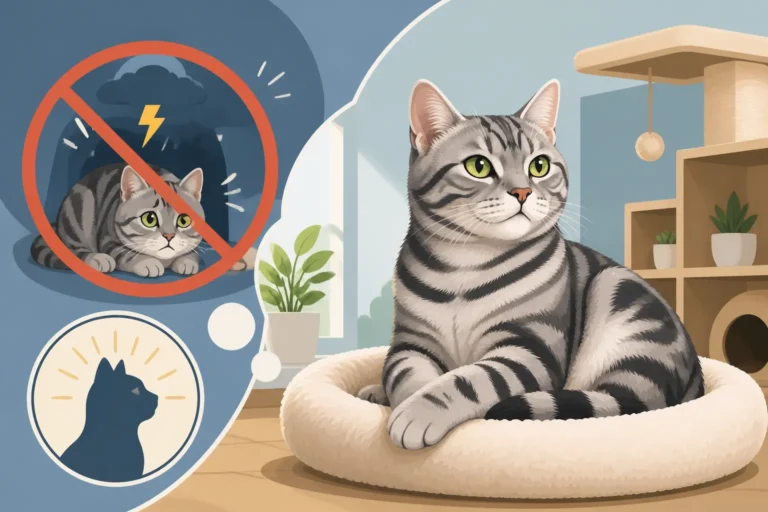
When a gap proves truly impenetrable, or if the perceived reward isn't strong enough to warrant continued effort, an American Shorthair won't necessarily throw a tantrum. Their self-reliant nature means they rarely panic or get overly stressed by minor setbacks. Why a Self Reliant American Shorthair Rarely Panics Alone Instead, they're more likely to:
- Give up (for now): They might simply walk away, deciding it's not worth the effort at this moment. This doesn't mean they won't revisit the gap later when a new scent or sound reignites their interest.
- Seek an alternative: They might patrol the perimeter, looking for another potential entry point. If one door is blocked, maybe there's another door, a window, or even a different, larger gap elsewhere that leads to the same desired area. This is why it's so important to think about the entire environment rather than just one single gap.
- Vocalize (rarely): An American Shorthair is generally a quiet breed. They're not big conversationalists. If they do vocalize, it's usually a soft murmur or a quiet meow, rather than a demanding cry, and it's often directed at you as a request for assistance rather than an expression of pure frustration.
Their ability to adapt and move on is a testament to their intelligence and practical nature. They aren't going to bash their head against a wall if there's no reward in sight or an easier path to take.
Managing Gaps and Curiosity in Your Home
Living with an American Shorthair means acknowledging their innate curiosity and problem-solving skills, especially when it comes to gaps. While their patience and persistence are admirable traits, they can also lead to tricky situations or even safety hazards if not managed properly.
Identifying Potential "Gap Hotspots"
Start by doing a thorough "cat-level" scan of your home. Get down on your hands and knees and look at your house from your American Shorthair's perspective. You'll be surprised at how many alluring gaps appear. Common hotspots include:
- Under doors: Especially interior doors that might have a slight gap at the bottom. These are prime viewing and scent-detection zones.
- Behind and between appliances: The small spaces around your refrigerator, stove, washing machine, and dryer can be tempting dark hideaways, or places where small items might fall and become "prey."
- Between furniture and walls: Gaps where toys can roll, or where a cat might try to squeeze for a snug nap.
- Cabinet and drawer gaps: Even a slight opening can be an invitation for a curious paw to explore.
Don't underestimate their ability to find or create these gaps! If there's a loose floorboard or a poorly sealed pipe access, they'll find it. Thinking like a cat helps you anticipate their moves.
Safety and Enrichment: Keeping Your American Shorthair Engaged
The goal isn't to eliminate all gaps – that's often impossible – but to manage them and provide alternative, safe enrichment that satisfies your American Shorthair's natural drives.
Here are some strategies:
- Secure your home: For hazardous gaps, like those leading to exposed wiring or dangerous machinery, blocking them off is crucial. You can find child-proof latches for cabinets and drawers on
Amazonthat work just as well for curious cats. Draft stoppers can also be great for blocking gaps under doors, preventing paws from getting through and also reducing drafts. - Provide engaging toys: Satisfy their hunting instinct with interactive play sessions using wand toys that mimic prey movement. Which Toys Finish an American Shorthair's Hunt Puzzle feeders, easily found on
Amazon, are another fantastic way to make them "work" for their food, channeling that problem-solving energy into a safe and rewarding activity. - Create safe climbing spaces: American Shorthairs love to survey their territory. Provide tall cat trees or wall-mounted shelves where they can observe their domain from a safe, elevated position, rather than feeling the need to squeeze into tight spaces for a good vantage point.
- Regular play: Dedicate time each day to active play. A well-exercised and mentally stimulated cat is less likely to become fixated on trying to breach every gap in the house. This also helps with preventing obesity, which can affect their ability to squeeze into certain spaces, but more importantly, impacts their overall health and mobility. Obesity Is What Ending the American Shorthair's Job Cost It
- Environmental enrichment: Rotate toys regularly to keep things interesting. Hide treats for them to "hunt." The more engaged they are with their approved environment, the less they'll feel the need to explore potentially unsafe gaps. Many clever enrichment toys are available on
Amazon.
By understanding your American Shorthair's patient yet persistent nature around gaps, you can create a home that is both safe and stimulating, allowing them to thrive and express their natural instincts in positive ways.
Disclaimer
This article is for general informational purposes only and does not constitute professional advice. Laws, prices and regulations vary by location and change over time. Consult a qualified professional for guidance on your specific situation.