Why a Barn Bred American Shorthair’s Habits Make an Easy Litter Box Cat
One of the most common headaches for any cat parent is litter box issues – whether it's accidents outside the box, refusing to use it altogether, or just general messiness. It's a frustrating problem that can sometimes feel like a personal affront from your feline friend. But for those of us who share our homes with an American Shorthair, particularly one whose lineage traces back to a working, barn-bred past, we often find ourselves with a surprisingly easygoing experience when it comes to the litter box. This guide will explore why their historical habits make American Shorthairs naturally inclined to be excellent, low-fuss litter box users and how you can nurture this inherent trait.
The Instinctive Cleanliness of a Working Cat
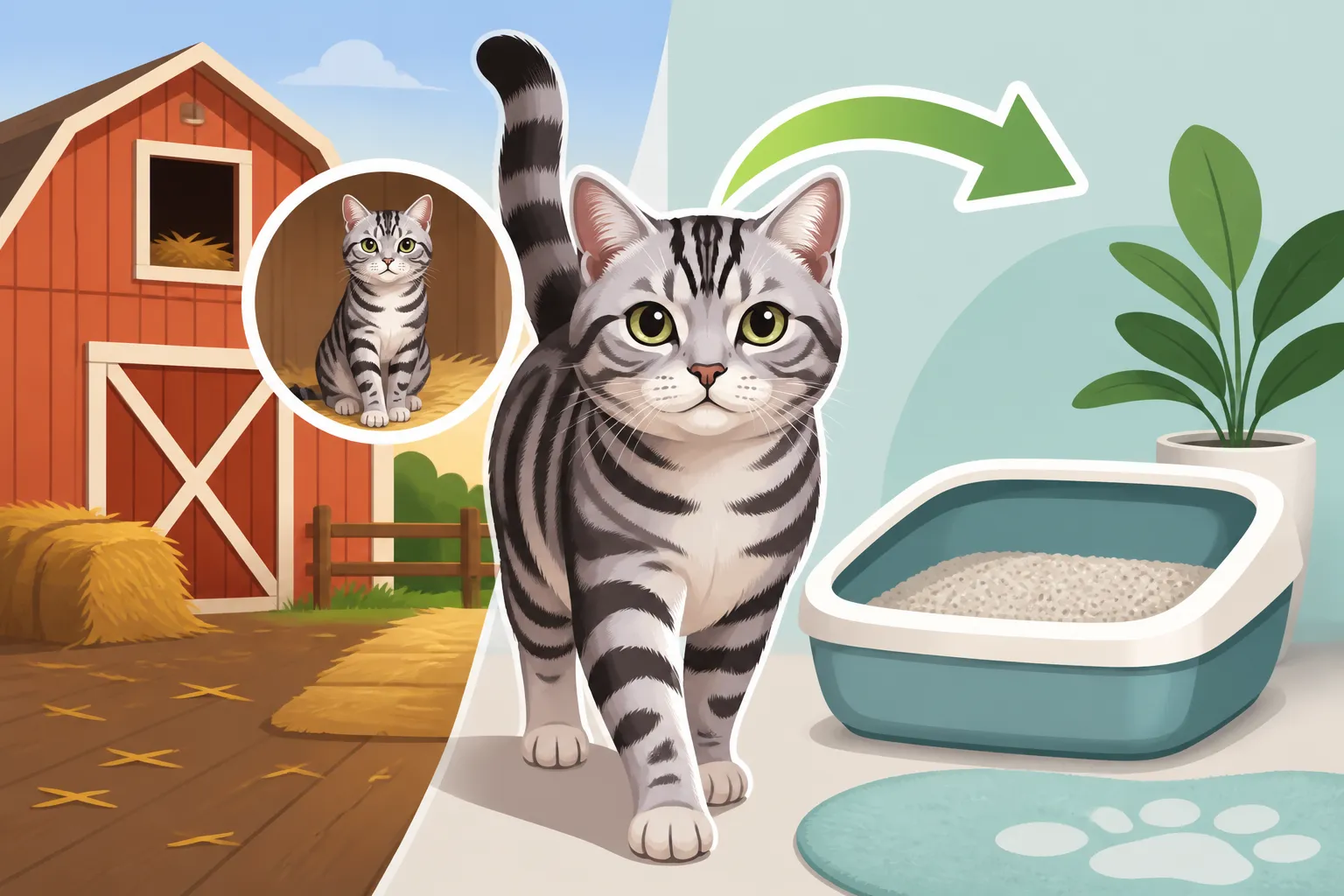
When you think about the origins of the American Shorthair, you're not picturing a pampered lap cat. You're envisioning a robust, independent animal whose job it was to keep barns, ships, and homes free of rodents. This historical role instilled a deep-seated instinct for cleanliness and efficient waste management, behaviors that are perfectly aligned with hassle-free litter box use in a domestic setting.
Natural Waste Disposal in the Wild
In their wild and semi-wild past, cats had to be discreet. Leaving strong scents around their "home base" was a huge risk, attracting predators and alerting prey to their presence. Therefore, burying their waste was not just about tidiness; it was a fundamental survival mechanism. They instinctively sought out soft, diggable substrates like sand or loose earth to deposit their droppings and urine, then meticulously covered it up. This behavior is hardwired, not taught from scratch in every generation.
This ingrained drive to bury is a massive advantage when it comes to domestic life. It means that when you introduce a litter box filled with an appropriate substrate, an American Shorthair isn't learning a new trick; they're simply performing an instinctual action in a designated, convenient spot. They appreciate the soft material that mimics natural soil, allowing them to perform their essential covering ritual without fuss. It’s like their ancestors telling them, "This is good. This is safe."
The Evolution of Burying Behavior
The evolution of this burying behavior goes beyond just hiding from predators. For a working cat, maintaining a clean territory also meant preventing the spread of disease within their own ranks, especially in colonies or shared spaces like barns. A healthy cat is a more effective hunter, and good hygiene contributes significantly to overall well-being. This communal understanding of cleanliness, even among solitary hunters, speaks to a broader instinct for maintaining a healthy environment.
Furthermore, burying waste reduces parasitic transmission. Many parasites are spread through fecal-oral routes, so covering up excrement directly reduces the chance of re-infection for the cat itself and for other cats in the vicinity. This natural disease prevention mechanism is another layer of why American Shorthairs, with their heritage of self-sufficiency and communal health in working environments, exhibit such reliable litter box habits. It wasn't just about stealth; it was about health and continuity.
Why This Translates to the Litter Box
The direct translation of these ancestral habits to the modern litter box is quite elegant. When you provide a clean, appropriately sized litter box with a good quality litter, you are essentially tapping into millennia of successful feline survival strategies. The American Shorthair instinctively recognizes this setup as the ideal place to perform a necessary biological function safely and discreetly. They're not doing it to please you; they're doing it because it feels right to them.
This intrinsic motivation means less training and fewer accidents for you. While some breeds might require more encouragement or careful management, an American Shorthair often takes to a litter box with minimal fuss, provided the conditions are met. Their robust constitution and common-sense approach to life mean they are less likely to develop neurotic litter box aversion unless there's a serious underlying issue. The American Shorthair Still Hunts, Whether You Want It To or Not, and this same practical approach extends to their toilet habits.
Early Socialization and Learning from the Queen
The formative weeks of a kitten's life are crucial, and for barn-bred cats, the lessons learned from their mother and environment profoundly shape their future behaviors, including litter box use. The American Shorthair's history of being raised in more natural, less isolated settings plays a significant role here.
Observing Mother Cat's Habits
Kittens are sponges, soaking up every lesson from their mother (the queen). A barn-bred queen, by necessity, is meticulous about cleanliness. She teaches her kittens proper elimination habits from a very young age. This isn't just about instinct; it's about demonstrated behavior. Kittens watch their mother dig, relieve herself, and then carefully cover her waste. They mimic her actions, internalizing the process as the correct way to handle their bodily functions.
This observational learning is incredibly powerful. By the time an American Shorthair kitten comes to your home, they have usually had weeks of consistent, positive modeling from their mother. They understand the concept of "doing their business" in a specific, contained area and then tidying up after themselves. This makes them remarkably quick to adapt to a new litter box setup because the core behavior is already deeply ingrained.
Learning to Dig and Cover
The physical act of digging and covering is more than just instinct; it's a learned motor skill refined through practice. Kittens in a barn environment have ample opportunity to explore different textures and practice digging in various substrates. This repetition builds muscle memory and reinforces the satisfaction associated with the complete elimination sequence: digging, eliminating, and covering.
When a barn-bred American Shorthair enters your home, they arrive with a well-honed ability to manipulate litter. They're not clumsy or unsure; they know how to efficiently move the litter to bury their waste. This not only makes for a tidier litter box area but also minimizes the chance of "mistakes" caused by an inability to properly perform the task. What an American Shorthair Bred Only for Usefulness Turns Out Like is a cat with practical skills, and good litter habits are definitely one of them.
The Role of Early Environment
The environment where a kitten is raised also plays a critical role. A queen in a barn or stable typically has a designated, often secluded, area where she raises her litter. This "nest" area is kept meticulously clean, teaching the kittens from day one that their living space is separate from their elimination space. This clear distinction is a perfect precursor to understanding the concept of a litter box in a domestic setting.
Contrast this with kittens raised in less ideal, unsanitary conditions where such clear boundaries aren't established, or where the mother herself might be stressed and less fastidious. The American Shorthair, often from more considered breeding practices even for working lines, benefits from a foundational understanding of appropriate elimination areas. This early environmental conditioning, coupled with maternal teaching, sets them up for success.
Territory Management and Scent Marking
The American Shorthair's practical approach to territory management, inherited from their working cat ancestors, directly influences their litter box behavior. Minimizing their scent footprint was crucial for survival, and this instinct extends to how they handle their waste.
Minimizing Scent for Survival
For an American Shorthair's ancestors, leaving obvious scent markers, particularly from waste, was a tactical error. A strong scent signal would not only give away their presence to larger predators but also alert prey animals like mice and rats to their hunting grounds, making their job much harder. Therefore, instinctively, they learned to cover their tracks, quite literally. This meticulous burying behavior is a natural strategy to minimize their presence.
In a domestic setting, this translates to a cat that is highly motivated to bury its waste thoroughly. They aren't trying to mark territory with their feces; rather, they are attempting to neutralize any scent that might indicate their presence. This means less lingering odor and a more pleasant environment for you. It's a testament to Why an American Shorthair Was Never Bred to Need You for explicit training in such fundamental survival behaviors.
Avoiding Fouling the Hunting Ground
Imagine a barn cat that consistently fouled its hunting area with exposed waste. It wouldn't be very effective at its job, would it? The very instinct that drove American Shorthairs to be excellent rodent catchers also drove them to keep their hunting territories clean. They understood, on a primal level, that a clean environment was essential for successful foraging and hunting.
This means they are disinclined to soil the areas where they eat, sleep, or play. The litter box, therefore, becomes a designated, separate zone for elimination. They naturally keep their main living spaces pristine, which is fantastic news for homeowners. This inherent separation of function makes them ideal candidates for seamless litter box integration into your household.
Instinctive Cleanliness as a Predatory Advantage
Beyond just avoiding predators, being clean was a predatory advantage. A cat that smells less of "cat" and more of its environment is a more successful stealth hunter. By diligently burying their waste, American Shorthairs maintained their camouflage, both visual and olfactory, allowing them to surprise unsuspecting prey. This acute awareness of scent and its implications for their role in the ecosystem is deeply embedded in their psyche.
This ingrained drive for minimal scent disruption makes them excellent candidates for low-maintenance litter box habits. They genuinely prefer a clean, unscented area for elimination, which aligns perfectly with how most responsible cat owners manage their litter boxes. You're not fighting against their nature; you're working with it.
The American Shorthair's Adaptability and Routine
The pragmatic and unfussy nature of the American Shorthair, honed by generations of self-sufficiency, makes them remarkably adaptable to various routines and environments, including those related to their litter box. This trait makes them forgiving of minor changes and generally easy to please.
Consistency in Routine and Location
While American Shorthairs are adaptable, like all cats, they thrive on routine and consistency. They appreciate knowing where their litter box is, that it will always be there, and that it will be clean. Their history as independent problem-solvers means they expect logical and reliable provisions. Once a litter box location is established and maintained, they typically stick to it without question.
This means you can place their box in a convenient, quiet spot, and they'll likely adopt it as their own territory for elimination. They aren't prone to suddenly deciding a different spot is better unless something about the original setup drastically changes or becomes unacceptable. This steadfastness is a hallmark of Why a Self Sufficient American Shorthair Copes With a Long Day and extends to their personal habits.
Low Stress Response to Changes
Compared to some more sensitive or high-strung breeds, American Shorthairs generally have a lower stress response to minor environmental changes. If you need to move the litter box, for instance, or switch litters (gradually, of course), they are often more forgiving and adaptable. Their "seen it all before" attitude, developed from generations of navigating various barn and ship environments, translates to a calm acceptance of domestic life's occasional shifts.
This isn't to say they're impervious to stress; any cat can react to significant upheaval. However, their baseline resilience means that small adjustments rarely result in a sudden refusal to use the litter box. This makes managing their care much less anxiety-inducing for owners. They possess a robust mental fortitude that allows them to process and accept changes with less fuss.
Preferences for Litter Type and Box Setup
Even with their adaptable nature, American Shorthairs still have preferences, and catering to these will ensure continued success. They generally prefer unscented, fine-grained clumping litter that mimics the feel of natural soil for digging and covering. Highly perfumed litters can be off-putting to their sensitive noses, and coarse textures might be uncomfortable on their paws.
As for the box itself, given their sturdy, square build, they appreciate a large, open litter box that allows them to comfortably enter, turn around, and dig without feeling cramped. A small box or one with a restrictive hood can deter them, as it goes against their natural inclination for ample space to perform their rituals. Remember, they're not delicate creatures; they need room to maneuver. For deeper insights into their specific needs, you might want to read Which Litter an American Shorthair Accepts.
Practical Tips for a Seamless Litter Box Experience
Even with an American Shorthair's inherent good habits, providing the right setup and maintaining it diligently can prevent future issues and ensure they remain happy and healthy. Think of it as supporting their natural inclinations rather than forcing a behavior.
Choosing the Right Litter Box
The size and type of litter box are paramount. For an American Shorthair, whose strong build can be quite substantial, a large, open-top litter box is almost always the best choice. They need enough space to stand, turn around completely, and dig without their body hitting the sides or their head touching a lid. Many standard litter boxes are simply too small for an adult American Shorthair.
Consider options like storage bins converted into litter boxes, or specialized extra-large litter pans. While covered boxes might appeal to our aesthetic sensibilities by hiding the mess, many cats, including the American Shorthair, prefer open designs. Covered boxes can trap odors, making the space unpleasant, and they can feel confining, especially for a larger cat. It's also worth noting that for some, a covered box feels too much like a trap, especially if they associate being "cornered" with unpleasant experiences. When shopping on Amazon, look for "extra large cat litter pan" or "jumbo litter box" to ensure ample space.
Selecting the Best Litter Substrate
The type of litter you choose can make a significant difference. As mentioned, American Shorthairs generally prefer unscented, soft, clumping clay litter. This mimics the loose soil they'd naturally seek out and allows for effective burying. Avoid strong scents, which can be irritating, and dusty litters that can affect their respiratory system and your air quality. Silica gel litters or crystal litters can be less appealing due to their texture and how they feel on paws.
Experiment if necessary, but always introduce new litter gradually, mixing it with the old over several days. This allows your American Shorthair to adjust to the new texture and smell without feeling abruptly displaced. Some cats are very particular, and a sudden change can lead to refusal. Also, ensure the litter depth is adequate – around 3-4 inches – to allow for satisfying digging and covering.
Maintaining Litter Box Hygiene
This is perhaps the single most critical factor in ensuring your American Shorthair continues to use their litter box reliably. Cats are incredibly fastidious, and an American Shorthair's ingrained cleanliness means they will absolutely protest a dirty box. Scoop at least once, preferably twice, daily. Full litter changes and washing the box should happen weekly for clumping litter, or more frequently for non-clumping varieties.
Don't underestimate the power of a fresh litter box. If the box is consistently soiled, your cat's natural instinct to avoid fouling its territory will kick in, and they'll seek out cleaner alternatives – often your carpet or laundry pile. Use a mild, unscented soap and water to clean the box itself; harsh chemicals or strong cleaning odors can be as off-putting as a dirty box. For an easy way to keep track of supplies, you can set up recurring litter orders on Amazon. How Many Litter Boxes an American Shorthair Needs is also an important consideration; the general rule is one box per cat, plus one extra, especially in multi-cat households or larger homes.
Troubleshooting and Reinforcing Good Habits
Even with the best intentions and the most naturally inclined cat, occasional litter box issues can arise. Understanding how to troubleshoot these and reinforce positive behaviors is key to maintaining a harmonious home.
Addressing Reluctance and Accidents
If your American Shorthair, usually so reliable, suddenly starts having accidents outside the box or showing reluctance to use it, it's a red flag. The first step is always a vet visit. Many litter box issues are medical in nature, such as urinary tract infections, bladder stones, or even pain from arthritis that makes getting into the box difficult. For male American Shorthairs, urinary blockages can be a life-threatening emergency, so prompt veterinary attention is crucial. You can learn more about this by reading Why a Male American Shorthair's Urethra Blocks First.
Once medical causes are ruled out, look at environmental factors. Is the box clean enough? Has the litter type changed? Is the box in a high-traffic or noisy area that makes your cat feel insecure? Has a new pet or person entered the household, causing stress? Cats are creatures of habit, and even minor disruptions can sometimes lead to changes in behavior. Stress can also be a silent culprit, so ensuring a calm environment is important.
Positive Reinforcement Techniques
Never punish your American Shorthair for accidents. Cats do not associate punishment with their actions in the way humans might expect, and it will only make them fearful and potentially exacerbate the problem. Instead, focus on positive reinforcement. When you see your cat successfully use the litter box, offer quiet praise or a small, high-value treat. This creates a positive association with the litter box.
You can also use pheromone diffusers in the areas where the litter box is located to help create a calming and secure environment. These synthetic feline facial pheromones can help reduce stress and reinforce the feeling of safety, making the litter box an even more appealing place to do their business. Just a little extra nudge to remind them what a good job they're doing.
When to Consult a Vet or Behaviorist
If you've ruled out obvious environmental issues and your vet has given your American Shorthair a clean bill of health, but the problems persist, it's time to consider a professional cat behaviorist. These specialists can help identify subtle stressors or behavioral quirks that might be driving the issues. They can offer tailored advice and strategies to address the root cause, whether it's anxiety, territorial disputes, or learned aversions.
It's a mistake to think you have to live with ongoing litter box problems. Addressing them promptly is essential for your cat's well-being and your peace of mind. A clean and appropriately managed litter box is a cornerstone of feline health and happiness, and an American Shorthair's natural predispositions make this goal highly achievable. By being observant and proactive, you can ensure your barn-bred buddy continues their legacy of being a no-fuss, easy litter box user. Ensuring proper hydration can also help prevent some urinary issues, so take a look at How Much Water Keeps an American Shorthair's Bladder Clear.
| Feature | Ideal for American Shorthair | Why It Matters |
|---|---|---|
| Size | Extra-large, at least 1.5 times the length of your cat | Allows comfortable turning, digging, and squatting without feeling confined. |
| Type | Open-top | Reduces trapped odors, offers escape routes, and prevents a feeling of confinement. |
| Location | Quiet, accessible, safe, multiple if possible | Provides privacy, easy access, and a sense of security while eliminating. |
| Litter Type | Unscented, fine-grained clumping clay | Mimics natural digging substrate, appealing to their instincts, and easy to clean. |
| Litter Depth | 3-4 inches | Allows for thorough digging and burying, satisfying their natural behavior. |
| Cleaning | Scoop 1-2 times daily, full change weekly | Essential for maintaining cleanliness, as American Shorthairs are very fastidious. |
Disclaimer
This article is for general informational purposes only and does not constitute professional advice. Laws, prices and regulations vary by location and change over time. Consult a qualified professional for guidance on your specific situation.