How High an American Shorthair Needs to Get
It’s a common misconception that because American Shorthairs are such grounded, stoic cats, they don't really care much for heights. Many owners, especially those new to the breed, might look at their sturdy, square-built felines and assume they’re perfectly content patrolling the floor or curling up on a low sofa. But then you catch them eyeing the top of the bookshelf, or you find them precariously perched on the fridge, and suddenly you realize there’s more to their vertical ambitions than meets the eye. This guide is here to help you understand just how high your American Shorthair really needs to get and how to provide those elevated spaces safely and effectively, ensuring your calm companion feels truly at home and enriched.
The Instinctive Drive for Vertical Space in American Shorthairs
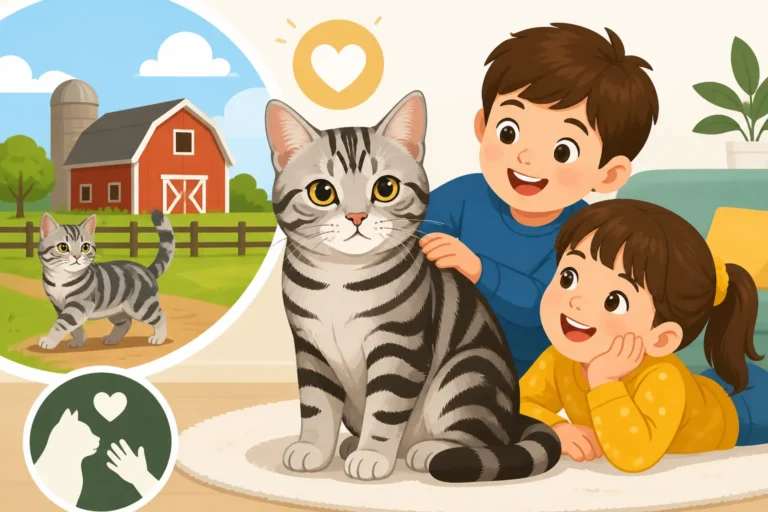
Despite their easygoing nature and adaptability to indoor living, American Shorthairs carry a deep-seated legacy of their working ancestors. These weren't dainty lap cats; they were pest control experts on farms, in homes, and even aboard ships. And a crucial part of being an effective hunter, and indeed a survivor, involves understanding and utilizing the environment, which absolutely includes vertical dimensions.
Tracing the Ancestral Need for High Ground
Think about a cat living in a barn or outbuilding. Where do the mice and rats hide? Often in rafters, haylofts, and high crevices. Where is a cat safest from larger predators like dogs or even human foot traffic? Up high, on a beam or a stacked bale of hay. This isn't just about hunting; it's about survival. Even though your American Shorthair might never have to chase a rodent through a barn or evade a predator in the wild, those instincts are hardwired into their genetic makeup. They haven't forgotten the lessons of their forebears.
This instinct manifests itself as a natural desire to climb, perch, and survey their surroundings from an elevated position. It's a fundamental part of their behavioral repertoire, contributing to their sense of security and control. Depriving them of this outlet can lead to frustration and a feeling of being exposed, even in the safest of indoor environments. Providing vertical space isn't spoiling them; it's acknowledging their inherent feline nature.
Vertical Space as a Safe Haven and Observation Post
Imagine being a relatively small creature in a large human world. Everything is at our eye level, our height. For a cat, the world can feel overwhelming, full of giant legs and sudden movements. A high perch offers a sanctuary, a place where they can retreat and observe without being directly involved. This isn't necessarily about fear, but about preference and comfort. It’s where they can collect their thoughts, feel secure, and simply be.
From a higher vantage point, an American Shorthair can keep an eye on everything happening in their territory. They can watch family members move through rooms, monitor the comings and goings, and feel like they are truly in charge of their domain. This "god's-eye view" allows them to process their environment in a way that feels natural and reduces potential stressors. It's their personal watchtower, giving them a sense of calm and mastery over their world.
How an American Shorthair Splits Its Day Between Patrol and Sleep
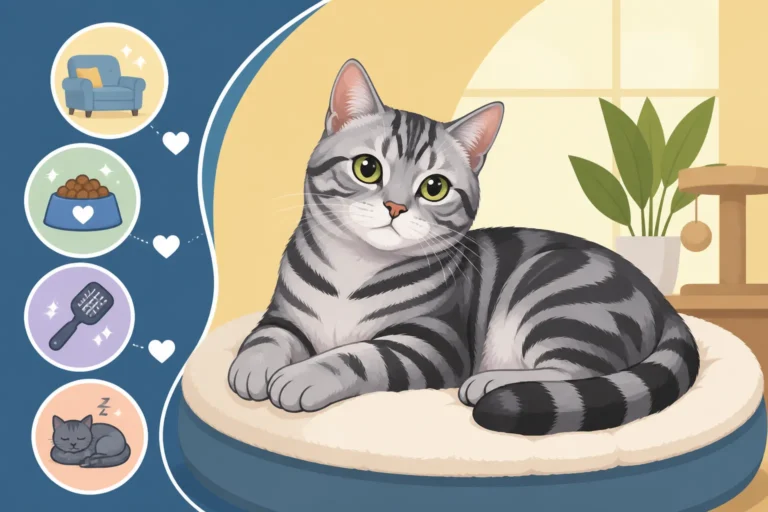
If you've ever observed your American Shorthair for an extended period, you'll notice a distinct rhythm to their day. They engage in periods of active exploration and "patrolling" their territory, interspersed with long, deep naps. These patrols often aren't just floor-level affairs. They involve checking out every nook and cranny, every piece of furniture, and yes, every available elevated surface. This is how they reaffirm their ownership and familiarity with their space.
When it comes to sleep, cats instinctively seek out safe, secure spots. A high perch provides that double whammy: security from perceived threats on the ground and a cozy spot to nap while still being able to observe. If you notice your American Shorthair napping in odd, elevated places like the back of a seldom-used armchair or a kitchen cabinet, it's a clear signal that they value and seek out these higher resting spots. Providing appropriate options ensures they aren't forced into less safe or comfortable positions. Check out How an American Shorthair Splits Its Day Between Patrol and Sleep for more on their daily routines.
Understanding the American Shorthair's Climbing Prowess
While they might not be as lean and acrobatic as, say, an Abyssinian, American Shorthairs are surprisingly capable climbers. Their sturdy, muscular build and strong hindquarters are perfectly adapted for powerful jumps and stable perching. Don't let their calm demeanor fool you; they've got the physical chops to reach impressive heights when they choose.
Natural Agility and Muscle for Ascension
An American Shorthair's build is often described as "cobby" or "square," a testament to their strength and robust health. This isn't a delicate frame; it's one built for purpose. Their powerful leg muscles allow for explosive vertical leaps, and their well-balanced body helps them maintain stability even on narrower surfaces. They have excellent coordination and a natural ability to gauge distances, which serves them well in navigating elevated environments.
Unlike some breeds that might struggle with their weight or conformation when attempting to climb, the American Shorthair's practical design makes vertical movement a relatively easy feat throughout much of their lives. They use their strong claws for grip, and their broad paws provide good traction. This innate physical capability means they are not only interested in vertical spaces, but they are also very good at utilizing them.
Assessing Your American Shorthair's Individual Climbing Aptitude
While the breed generally shares a proclivity for climbing, individual cats will vary. Some American Shorthairs are natural-born daredevils, scaling anything they can get their paws on. Others might be a bit more cautious, preferring gradual inclines or sturdy, wide perches. Observing your own cat's behavior is key. Do they eyeball the top of your tall wardrobe with intent? Do they leap onto the highest cat tree tier with ease, or do they prefer the lower levels?
Factors like age, past experiences, and even personality play a role. A younger, more energetic American Shorthair might be more adventurous, while an older cat might appreciate easier access ramps or steps. Don't push them beyond their comfort zone. Instead, offer a variety of vertical options and let them show you what they're comfortable with. If they’re struggling to reach a spot they clearly want to get to, it might be a sign they need some assistance, or a different kind of vertical offering.
How High an American Shorthair Needs to Get
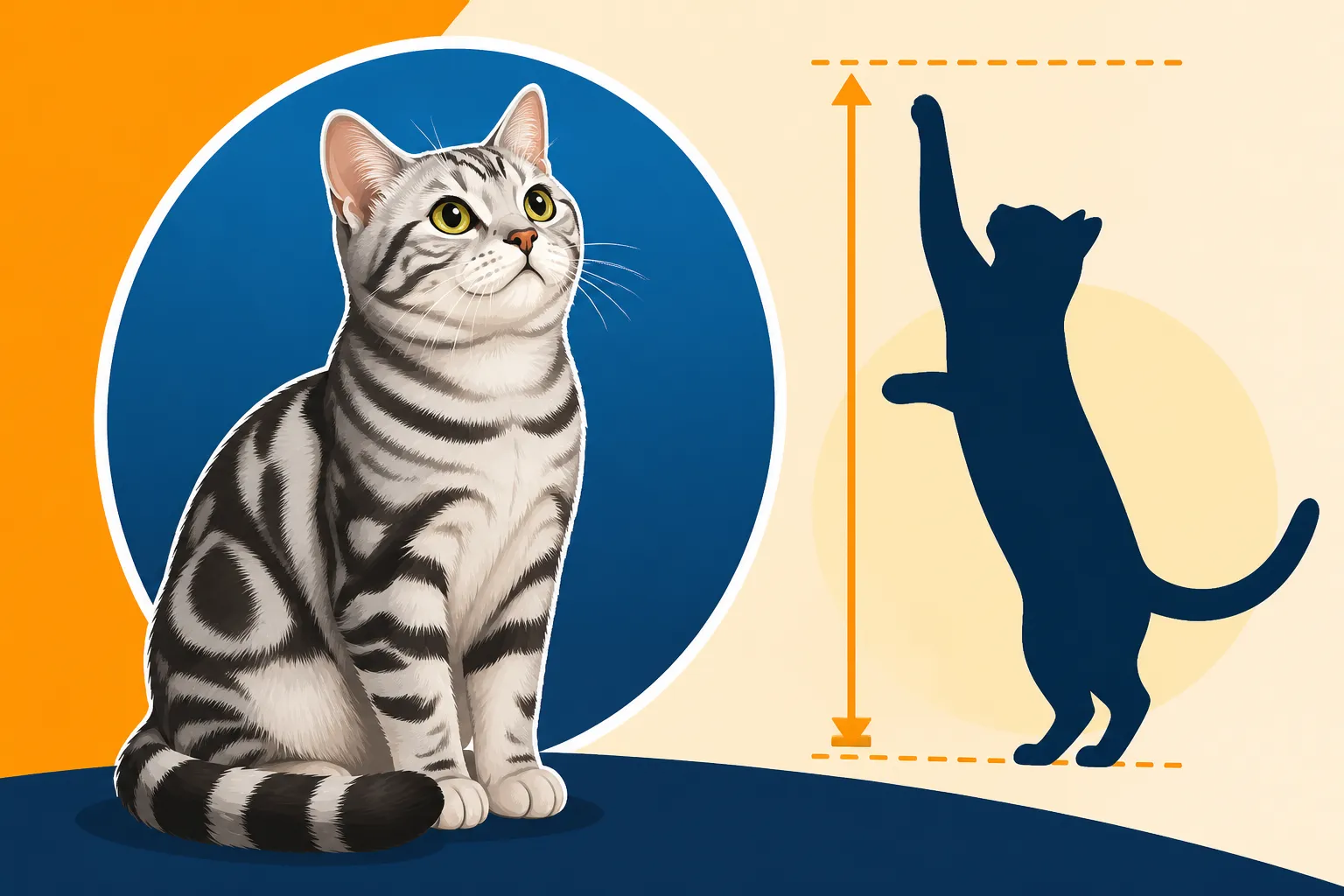
So, how high are we talking? While a good rule of thumb for any cat is to provide options that allow them to get above eye-level with humans, for an American Shorthair, it's more about having a sense of elevated control and security rather than reaching extreme heights. Think in terms of giving them options at different levels. At a minimum, they should have access to perches that are at least five to six feet off the ground. This allows them to survey a room from a comfortable distance, feeling safe from ground-level disturbances.
However, many American Shorthairs will happily scale even higher if given the opportunity. The top of a tall cat tree, a sturdy shelf near the ceiling, or even the top of a refrigerator can be prime real estate for them. The key isn't necessarily reaching the absolute highest point in your home, but providing options that satisfy their instinct to ascend and observe. It's about empowering them to choose their preferred vantage point, whether that's a cozy window perch or the very peak of a multi-level structure. For more on this, consider How Much Vertical Space an American Shorthair Needs.
Creating Engaging Vertical Landscapes Indoors
Once you understand the "why" and "how" of your American Shorthair's vertical ambitions, the next step is to translate that into actionable, cat-friendly home modifications. This doesn't mean turning your house into a jungle gym (unless you want to!), but rather strategically incorporating elements that cater to their climbing and perching desires.
The Essential Cat Tree: More Than Just Furniture
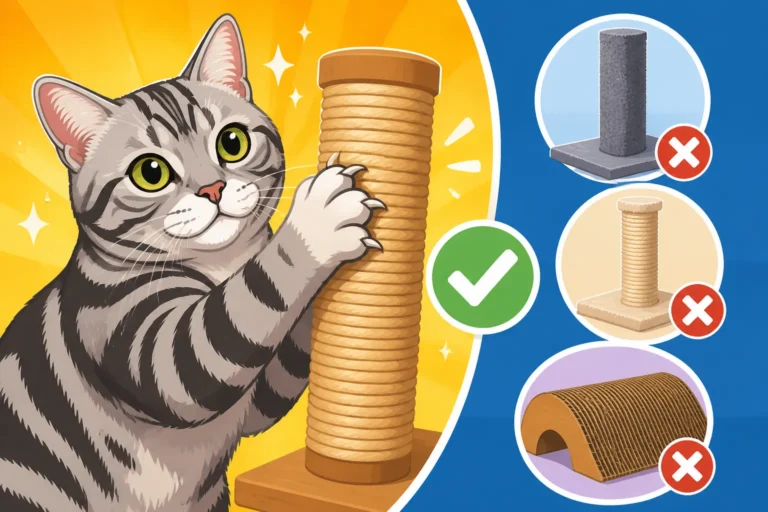
When it comes to vertical enrichment, the humble cat tree is often the first thing that comes to mind, and for good reason! It’s a dedicated piece of cat furniture designed specifically for climbing, scratching, and napping. For an American Shorthair, you'll want something sturdy and stable. Their stocky build means flimsy, wobbly trees just won't cut it. Look for solid bases and thick posts.
Consider the dimensions: platforms should be generously sized to accommodate their full body length, allowing them to stretch out comfortably. Multi-level trees are fantastic, offering different vantage points and opportunities for exploration. Some excellent options can be found on sites like Amazon, where you can read reviews from other cat owners about stability and size. Placing a cat tree near a window is a bonus, combining verticality with prime bird-watching territory. Remember, it's not just about height; it's about comfort and security at that height.
Shelves, Wall Climbers, and Other Creative Solutions
Beyond the traditional cat tree, there's a whole world of creative vertical solutions. Wall-mounted shelves and cat walkways can transform unused vertical space into an engaging aerial playground. These can be particularly great for smaller homes where floor space is at a premium. Ensure any shelves are securely fastened to wall studs and are wide enough for your American Shorthair to comfortably sit or walk without feeling cramped.
You can create a "cat highway" by arranging shelves at varying heights, leading up to a prime observation deck or a cozy hideaway. Consider carpeted shelves or adding non-slip mats to make climbing easier and safer. Don't forget about furniture you already own! A tall bookcase with sturdy, clear shelves can become an instant cat-friendly climb if you make sure it's anchored to the wall to prevent tipping. Even the top of a dresser or cabinet, if easily accessible and stable, can serve as a valued perch.
What an American Shorthair Hunts When You Give It Nothing
A lack of appropriate vertical spaces can lead to your American Shorthair trying to create its own, often in ways that aren't ideal for your home or their safety. If they don't have suitable places to climb and survey, they might start attempting to scale curtains, scratching up furniture in an attempt to reach higher surfaces, or jumping onto counters and shelves that you'd prefer they avoid. This isn't naughtiness; it's an expression of an unmet need.
When an American Shorthair feels under-stimulated or confined to only ground-level activity, their strong hunting instincts can lead them to "hunt" for new challenges. This might manifest as playful stalking of your ankles (see Why an American Shorthair Stalks Your Ankles), or batting objects off shelves just for the thrill of the chase and the opportunity to interact with their environment in a more dynamic way. Providing adequate vertical enrichment offers a positive outlet for these inherent drives, minimizing destructive behaviors and promoting overall contentment.
Balancing Outdoor Exploration with Safety
The American Shorthair's history as an outdoor working cat means they often have a strong desire for external stimuli. If you're considering allowing your American Shorthair outdoor access, or if you already do, their vertical needs outside are just as important as indoors, but they come with a different set of considerations, primarily safety.
The Risks and Rewards of Outdoor Climbing
For American Shorthairs with outdoor access, climbing trees is a natural and rewarding activity. It provides incredible physical exercise, sharpens their hunting skills, and fulfills that deep-seated instinct to survey territory from above. The textures of tree bark are fantastic for claw conditioning, and the sheer variety of smells and sounds from an elevated branch offers immense mental stimulation. It’s truly enriching for them to feel the breeze, see the world from a bird's perspective, and interact with a dynamic, natural environment.
However, outdoor climbing comes with inherent risks. Cats can fall from trees, injuring themselves. They can become stuck, requiring human intervention. Elevated positions can expose them to predators like coyotes or large birds, or even to territorial disputes with other cats. Therefore, if you do allow outdoor access, ensuring your cat has safe, controlled opportunities to climb is paramount. Always consider your local environment and potential dangers. For a deeper dive into outdoor risks, consider Which Injuries an Outdoor American Shorthair Comes Home With.
Catio Design for Vertical Freedom
For owners who want to provide their American Shorthair with safe outdoor vertical enrichment without the inherent risks of free-roaming, a "catio" (cat patio) is an excellent solution. Catios are enclosed outdoor spaces that allow cats to enjoy fresh air and sunshine while remaining secure. Crucially, a well-designed catio incorporates plenty of vertical elements.
Think multi-level shelves, ramps, climbing posts, and even small trees or branches secured within the enclosure. These vertical structures allow your American Shorthair to ascend, perch, and explore, mimicking a natural outdoor environment. You can place a catio right outside a window or door, allowing your cat easy access to their personal outdoor playground. This provides both the sensory richness of the outdoors and the safety of an enclosed space, fulfilling their need for height in a secure manner. Find various catio components and designs on platforms like Amazon.
Why an American Shorthair Should Be Kept In at Night
Even if your American Shorthair has daytime outdoor access and loves to climb, nighttime presents an entirely different set of dangers that make keeping them indoors a much safer choice. At night, visibility is reduced, increasing the risk of accidents like falling from a high perch or being hit by a vehicle. Nocturnal predators, such as raccoons, owls, or even coyotes depending on your location, are also far more active.
These increased risks outweigh the benefits of nighttime outdoor exploration, even for a capable climber like an American Shorthair. Their innate hunting drive might lead them to venture further or climb higher in pursuit of prey, putting them in greater peril. Ensuring your American Shorthair is safely indoors from dusk till dawn drastically reduces their exposure to these threats, keeping them healthy and happy for many years. You can read more about this important topic in Why an American Shorthair Should Be Kept In at Night.
Recognizing and Addressing a Lack of Vertical Enrichment
Sometimes, the signs that your American Shorthair needs more vertical space aren't as obvious as them trying to scale your bookshelves. They can manifest in more subtle behavioral changes or even through physical cues. Being attuned to these signals is essential for ensuring their well-being.
Signs Your American Shorthair Needs More High Places
One of the most common indicators is an unusual interest in counters, tables, or other surfaces you'd typically prefer they avoid. If your American Shorthair, generally a well-behaved cat, suddenly starts jumping onto forbidden surfaces, it's often because they're seeking an elevated vantage point that isn't currently available to them elsewhere. They're not being "bad"; they're simply following an instinct.
Another sign can be increased patrolling or restlessness, especially if they seem to be searching for something or staring intently upwards. They might also appear more anxious or easily startled if they don't have a secure, elevated retreat. Conversely, some cats might become more withdrawn or lethargic if their environment doesn't offer enough mental and physical stimulation, which includes the opportunity to climb and survey.
Behavior Issues Linked to Insufficient Vertical Territory
A lack of adequate vertical territory can contribute to a range of behavioral problems in American Shorthairs, even in these generally placid cats. Without places to retreat to, they might feel more vulnerable, leading to increased stress or irritability. This can manifest as hissing or swatting at household members or other pets if they feel cornered or have no escape route from perceived threats.
In multi-cat households, insufficient vertical space can exacerbate territorial disputes. Cats often establish a hierarchy based on access to resources, and high perches are a prime resource. If there aren't enough elevated options for all cats, conflicts can arise as they compete for the most desirable spots. Providing ample vertical real estate can help reduce inter-cat tension and create a more harmonious living environment, giving each cat their own sense of private, elevated domain.
Age, Health, and Vertical Access
While American Shorthairs are robust climbers for much of their lives, like all cats, they age. As they enter their senior years, or if they develop certain health conditions, their ability and desire to access high places might change. It's crucial to adapt their environment to continue supporting their need for vertical space in a safe and accessible way.
Adapting Vertical Space for Senior American Shorthairs
As your American Shorthair ages, you might notice a decrease in their agility and jumping prowess. Arthritis or other joint issues can make high leaps painful or difficult. This doesn't mean they lose their desire for elevated perches, only their physical capacity to reach them. It's our job as owners to provide assistance.
Consider adding ramps or steps to their favorite elevated spots, whether it's a cat tree, a window perch, or the bed. Look for ramps with good traction and a gentle incline. Ensure platforms are easy to get onto and wide enough for them to maneuver comfortably. While they might not scale the highest reaches of your home anymore, providing accessible, mid-level perches will still fulfill their need for observation and security. Regular vet check-ups can also help you understand their mobility needs; Caring for an American Shorthair Past Twelve delves into senior care.
Special Considerations for American Shorthairs with Mobility Challenges
For American Shorthairs dealing with more significant mobility challenges, such as severe arthritis, hip dysplasia (though rare, it can occur), or recovering from an injury, vertical access needs careful thought. It's important to prevent falls while still offering some form of elevated comfort. Soft, cushioned landings beneath any perches can help absorb impact if a fall does occur.
You might need to temporarily restrict access to very high, precarious spots until they recover or if their condition is permanent. Focus on providing low-to-mid level platforms that are exceptionally stable and easy to reach. A sturdy cat bed with a low step, or a wide, carpeted window sill can be perfect. Consult your veterinarian for advice on how best to support your cat's mobility and environmental needs, as their recommendations will be tailored to your cat's specific condition.
Why an Old American Shorthair Slows Before It Limps
One of the subtle yet important signs of aging or developing mobility issues in an American Shorthair is a general slowing down, long before an obvious limp appears. You might notice they take longer to get up, hesitate before jumping, or simply choose lower, easier-to-access spots more frequently. This isn't necessarily a sign of pain, but it could be an early indicator of stiffening joints or decreasing muscle mass.
It’s tempting to dismiss this slowing as "just old age," but it’s a cue for us to proactively adjust their environment. If they're slowing down, those high, effortless leaps they once made might now be causing them discomfort or a feeling of instability. By recognizing these early changes and adapting their vertical access, we can help maintain their quality of life and prevent potential injuries. Paying attention to these subtle shifts can make a huge difference in their comfort and happiness. For more insights, refer to Why an Old American Shorthair Slows Before It Limps.
Summary of Vertical Needs and Solutions
To make it a little easier to visualize, here's a quick overview of typical vertical needs and suggested solutions for your American Shorthair, keeping in mind individual variations.
| Aspect of Vertical Need | American Shorthair Instinct/Behavior | Recommended Solution Type | Key Considerations |
|---|---|---|---|
| Observation & Security | Desire to survey territory, feel safe from ground activity. | Multi-level cat trees, wall-mounted shelves, sturdy window perches. | Platforms must be stable and wide enough for comfort. |
| Hunting & Play | Innate drive to stalk, pounce, and chase from elevated positions. | Cat trees with dangling toys, wall-mounted climbing paths, puzzle feeders on high shelves. | Ensure play areas are safe and prevent falls. |
| Rest & Retreat | Seeking quiet, elevated spots for naps and solitary time. | Enclosed cat tree condos, high shelves with soft beds, top of wardrobes/cabinets (safe). | Offer cushioned surfaces. Ensure easy, gradual access. |
| Exercise & Agility | Muscular build allows for powerful jumps and climbing. | Tall cat trees, climbing walls, catios with varied climbing structures. | Sturdy construction is paramount; consider non-slip surfaces. |
| Age/Mobility Adaptation | Declining agility, potential joint issues in older or infirm cats. | Ramps, low-rise steps, mid-level perches, easily accessible furniture. | Gentler inclines, wide platforms, soft landings. Consult vet for specific needs. |
This table provides a concise guide, but remember, every American Shorthair is unique. Observe your cat, understand their preferences, and tailor your home's vertical landscape to their specific needs.
Disclaimer
This article is for general informational purposes only and does not constitute professional advice. Laws, prices and regulations vary by location and change over time. Consult a qualified professional for guidance on your specific situation.