What an American Shorthair’s Bloodwork Costs
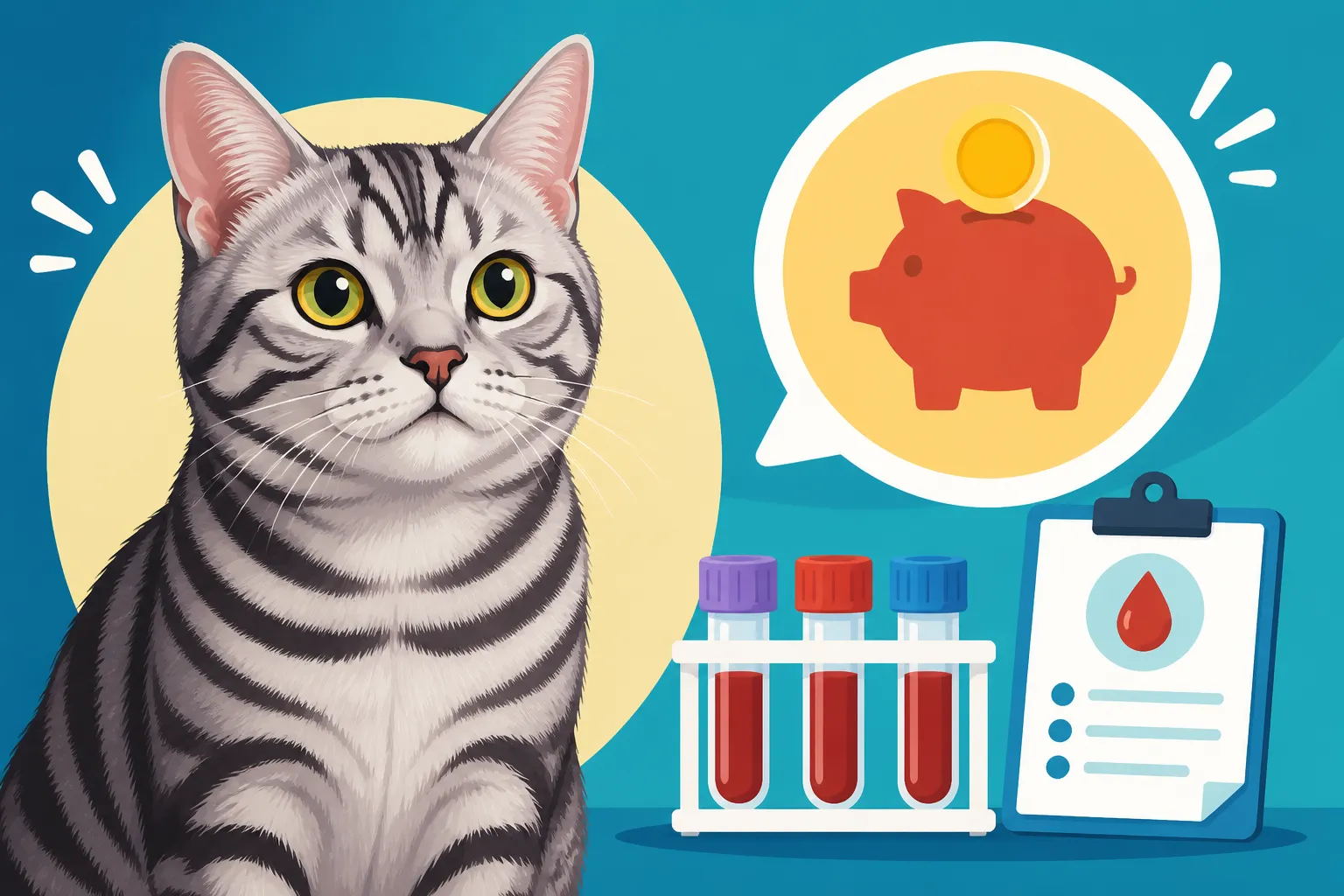
It's always a bit unnerving when your vet suggests bloodwork for your beloved American Shorthair, isn't it? Our stoic, calm companions don't always show their discomfort or illness plainly, and the thought of medical tests, especially those that involve laboratory analysis, can immediately bring up questions about what exactly is being checked and, let's be honest, what it's all going to cost. This guide will help you understand the different types of bloodwork your American Shorthair might need, why they're so important for their long-term health, and how to navigate the associated expenses.
The Essential Role of Bloodwork in American Shorthair Health
American Shorthairs are known for their robust health and often quiet demeanor, which can sometimes be a double-edged sword. Their natural resilience, a trait honed over centuries of working life, often means they're masters at hiding symptoms until a condition is quite advanced. This makes diagnostic tools like bloodwork incredibly important, as they can reveal underlying issues long before your cat shows outward signs of trouble. It's not just about when they're sick, either; routine bloodwork is a cornerstone of preventative care, allowing us to catch potential problems early and keep our furry family members thriving for as long as possible.
Wellness Screening and Early Detection
Think of wellness bloodwork as your cat's annual physical, but on a microscopic level. Just like we go for check-ups, our American Shorthairs benefit immensely from regular screenings. These tests establish a baseline of what's normal for your individual cat, which is invaluable for future comparisons. If something deviates down the line, your vet has that history to refer back to, making diagnosis much quicker and often less invasive. For a breed prized for its longevity, like the American Shorthair, these proactive measures can mean the difference between a minor tweak in diet or medication and a full-blown emergency. It's all about catching things in their infancy when they are often most treatable and less costly in the long run.
Many owners might wonder why a perfectly healthy-looking cat needs blood drawn, especially one as seemingly problem-free as the American Shorthair. However, many significant health issues, from early kidney disease to diabetes, begin subtly, with changes detectable in blood parameters long before a cat starts showing obvious signs like increased thirst or weight loss. These routine checks are a critical investment in your cat's future. They allow your vet to be proactive rather than reactive, offering the chance to address issues before they become chronic or severe. How Regularly a Healthy American Shorthair Still Needs Checking touches on this proactive approach.
Diagnostic Tool for Illness
When your American Shorthair does show signs of not feeling well, bloodwork becomes an indispensable diagnostic tool. Whether it's a sudden loss of appetite, lethargy, or unexplained vomiting, blood tests can provide your veterinarian with crucial clues about what's happening inside. Is it an infection? Organ dysfunction? An endocrine issue? The answers often lie within those tiny vials of blood. Without this information, your vet would be guessing, and no one wants that when their cat is unwell.
For a cat that often hides pain or discomfort, such as an American Shorthair, bloodwork helps bridge the communication gap. A subtle shift in a cat's energy or appetite might be all you notice, but bloodwork can pinpoint the exact system affected. For instance, if your cat seems more tired than usual, a comprehensive blood panel can rule out or confirm issues with their kidneys, liver, or even indicate anemia. It helps guide the vet toward the right treatment plan, ensuring your cat gets the most effective care quickly, minimizing suffering and potentially reducing the overall duration and cost of treatment.
Pre-Surgical Screening
Any time your American Shorthair needs surgery, even a routine procedure like a dental cleaning under anesthesia, pre-surgical bloodwork is usually recommended. This is a vital step to ensure your cat is healthy enough to undergo anesthesia and recover safely. These tests help identify any hidden conditions that could complicate the procedure or recovery, such as kidney or liver problems that might affect how they metabolize anesthetic drugs, or clotting issues that could lead to excessive bleeding.
Even though American Shorthairs are generally known for being low anesthetic risks, as mentioned in Why an American Shorthair Is a Low Anesthetic Risk, pre-anesthetic bloodwork remains a crucial safeguard. It provides a snapshot of your cat's internal health on the day of the procedure, allowing the veterinary team to tailor the anesthetic protocol to their specific needs. This small investment upfront can prevent potentially life-threatening complications and offer immense peace of mind. It’s about ensuring the best possible outcome for your beloved companion during a stressful time.
Monitoring Chronic Conditions
For American Shorthairs diagnosed with chronic conditions, such as diabetes, hyperthyroidism, or kidney disease, regular bloodwork is essential for monitoring their progress and adjusting treatment plans. These tests allow your vet to track how well medications are working, check for side effects, and ensure that the disease is being managed effectively. It’s a dynamic process, and bloodwork provides the data needed to make informed decisions about your cat’s ongoing care.
Take an American Shorthair with diabetes, for example. Regular blood glucose monitoring is vital to ensure their insulin dosage is correct and to prevent complications. Similarly, if your older American Shorthair is battling kidney disease, specific blood values help your vet assess kidney function and adjust dietary or medicinal support. This ongoing vigilance, supported by consistent blood panels, contributes significantly to improving your cat’s quality of life and extending their time with you. Caring for an American Shorthair Past Twelve delves into the care needs of older cats, where such monitoring becomes increasingly important.
Decoding the Different Types of Bloodwork
When your vet talks about bloodwork, they're often referring to a suite of tests that examine different components of your cat's blood. Each type of test provides unique insights into your American Shorthair's health, from their immune system function to how well their organs are performing. Understanding these different panels can help you grasp the importance of each test your vet recommends.
Complete Blood Count CBC
The Complete Blood Count, or CBC, is a foundational blood test that provides a detailed look at the cells circulating in your American Shorthair's blood. It measures red blood cells, white blood cells, and platelets. Red blood cells are crucial for carrying oxygen, white blood cells are the body's defenders against infection and disease, and platelets are vital for blood clotting.
Your vet uses the CBC to detect a wide range of issues. Low red blood cell counts, for instance, could indicate anemia, which might make your cat lethargic and weak. Abnormal white blood cell counts can point to infections, inflammation, or even certain types of cancer. Platelet abnormalities can signal bleeding disorders. The CBC is often one of the first tests ordered because it gives a broad overview of your cat's general health and immune response, offering immediate clues if something is amiss.
Chemistry Panel
A chemistry panel, sometimes called a biochemistry profile or blood chemistry, analyzes the chemical components of your cat's blood plasma. This test provides essential information about organ function, metabolic processes, and electrolyte balance. It typically measures levels of enzymes related to the liver and kidneys, glucose (blood sugar), protein, and electrolytes like sodium, potassium, and chloride.
This panel is incredibly important for identifying diseases that affect major organs. For instance, elevated kidney values could indicate early kidney disease, a common concern in older cats. High glucose levels could signal diabetes, especially relevant if your American Shorthair has put on extra weight, as discussed in How Weight Turns Into Diabetes in an American Shorthair. Liver enzyme elevations might point to liver disease or damage. The chemistry panel provides a comprehensive look at how your cat’s internal systems are functioning, allowing for early intervention before serious symptoms develop. Which Blood Values Matter Most in an American Shorthair further explores this topic.
Thyroid Panel
The thyroid gland, located in the neck, produces hormones that regulate metabolism. In older cats, particularly those past the age of ten or twelve, hyperthyroidism (an overactive thyroid) is a relatively common condition. A thyroid panel measures the level of thyroid hormones in your American Shorthair's blood.
Symptoms of hyperthyroidism can be subtle at first, like increased appetite despite weight loss, hyperactivity, or a greasy coat, but left untreated, it can lead to serious heart and kidney problems. A thyroid panel is crucial for diagnosing this condition and for monitoring the effectiveness of treatment if your cat is on medication. For a long-lived breed like the American Shorthair, screening for hyperthyroidism as they age is a routine part of their wellness care, helping manage their health into their senior years. Why Hyperthyroidism Catches a Long Lived American Shorthair provides more detail.
Specialized Blood Tests
Beyond the routine CBC and chemistry panels, there are several specialized blood tests that your vet might recommend based on your American Shorthair's lifestyle, symptoms, or exposure risks. These can include tests for infectious diseases or specific organ functions.
For instance, if your American Shorthair spends any time outdoors or interacts with other cats, your vet might recommend screening for Feline Leukemia Virus (FeLV) and Feline Immunodeficiency Virus (FIV). These are serious viral infections that can significantly impact a cat's health and lifespan. Whether an Outdoor American Shorthair Needs FeLV Cover highlights the risks associated with outdoor exposure. Other specialized tests might look for specific parasites, analyze hormone levels for conditions beyond thyroid issues, or assess clotting factors in more detail. Each of these tests provides a targeted look at specific concerns, helping your vet build a complete picture of your cat's health.
Here's a quick overview of common bloodwork panels:
| Bloodwork Panel | What It Primarily Checks For | Common Indicators/Issues Detected | Importance for American Shorthair |
|---|---|---|---|
| Complete Blood Count (CBC) | Red blood cells, white blood cells, platelets | Anemia, infection, inflammation, bleeding disorders | General health, immune status, crucial for pre-surgical screening |
| Chemistry Panel | Organ function (liver, kidney), glucose, electrolytes, protein | Kidney disease, liver disease, diabetes, dehydration, metabolic imbalances | Essential for detecting age-related conditions early, metabolic health |
| Thyroid Panel (T4) | Thyroid hormone levels | Hyperthyroidism (common in older cats) | Critical for senior American Shorthairs; impacts heart/kidney function |
| FeLV/FIV Test | Presence of Feline Leukemia Virus and Feline Immunodeficiency Virus | Viral infections, immune suppression, various associated diseases | Important for outdoor cats or those with unknown history |
Understanding the Costs of American Shorthair Bloodwork
The cost of bloodwork for your American Shorthair can vary quite a bit, depending on several factors. It's not a one-size-fits-all price, and understanding what influences these costs can help you feel more prepared when your vet discusses these diagnostic steps.
Factors Affecting Price
Several elements play a role in how much you'll pay for your American Shorthair's bloodwork. One significant factor is geographic location. Veterinary services, like most things, tend to be more expensive in major metropolitan areas compared to rural or suburban regions, reflecting differences in overhead costs, rent, and staff salaries. The type and size of the veterinary clinic also make a difference. Larger, multi-doctor practices or specialty clinics might have higher prices than smaller, independent practices due to greater equipment investments or access to advanced in-house labs.
Furthermore, the urgency of the tests can impact the cost. Emergency bloodwork performed after hours or on weekends often incurs higher fees than routine wellness panels scheduled during regular business hours. The specific tests included in the panel are also a key differentiator. A basic pre-surgical CBC might be less expensive than a comprehensive senior panel that includes a full chemistry profile, thyroid tests, and infectious disease screens. Sometimes, vets offer discounted rates for bundled wellness panels, encouraging proactive care. Lastly, whether the blood samples are processed in-house with the clinic's own equipment or sent out to an external reference laboratory can also affect the final bill, with external labs sometimes adding a small shipping or processing fee.
What's Included in the Fee
When you receive a bill for your American Shorthair's bloodwork, it's typically not just the cost of the chemicals used in the tests. The fee usually encompasses several components. Firstly, there's the actual laboratory analysis, whether it's done in-house or by an external lab. This covers the materials, equipment, and technicians' time required to run the tests and generate the results.
Beyond the lab work itself, the fee often includes the veterinarian's time and expertise in interpreting those results. It's one thing to get a sheet of numbers; it's another to understand what those numbers mean in the context of your American Shorthair's specific health, age, and history. Your vet will analyze the data, correlate it with your cat's symptoms and physical exam findings, and formulate a diagnosis and treatment plan. This interpretation is a critical part of the value you receive. Some clinics might also bundle in a follow-up call or consultation to discuss the results, which is incredibly helpful for concerned pet parents. Understanding these components helps you see that the cost reflects a holistic service, not just a simple lab fee.
Range of Costs for Different Panels
While I can't provide exact figures, the range of costs for different types of bloodwork for your American Shorthair can vary significantly. A basic pre-surgical panel, which might include a CBC and a truncated chemistry panel to assess organ function for anesthesia, will typically be at the lower end of the spectrum. These are essential safety checks but don't delve into every possible health marker.
A comprehensive annual wellness panel, often recommended for adult American Shorthairs, will fall into a mid-range cost. These panels usually include a full CBC, a more extensive chemistry profile checking multiple organ functions, and sometimes a basic thyroid screen. For senior American Shorthairs, the recommended bloodwork often expands to include more detailed thyroid testing, specific kidney function markers, and potentially other age-appropriate screenings, placing it at the higher end. Finally, specialized tests for infectious diseases (like FeLV/FIV), specific hormone levels, or detailed genetic markers are usually add-ons to a basic panel and can carry their own individual costs, pushing the overall total higher. It's always best to ask your vet for an itemized estimate so you know exactly what you're paying for.
Managing and Preparing for Bloodwork Costs
The financial aspect of pet care can be a real worry for many of us, but there are proactive steps you can take to manage and prepare for the costs associated with your American Shorthair's bloodwork and overall healthcare.
Pet Insurance and Wellness Plans
Pet insurance can be a lifesaver when unexpected illnesses or accidents strike, often covering a significant portion of diagnostic tests, including bloodwork. Policies from providers like Healthy Paws typically reimburse you for a percentage of your vet bills after you meet your deductible. The key is to enroll your American Shorthair when they are young and healthy, before any pre-existing conditions develop, as these are usually excluded from coverage. While monthly premiums are an ongoing expense, having insurance can provide immense peace of mind, knowing that you won't have to make difficult financial decisions during a medical crisis. It helps ensure your American Shorthair gets the best possible care without undue stress on your wallet. Whether Insurers Price the American Shorthair Low is a good read on how this breed is perceived by insurers.
Beyond traditional insurance, some veterinary clinics offer wellness plans. These are not insurance but rather pre-paid packages that bundle routine preventative care services, such as annual exams, vaccinations, and, yes, routine bloodwork, often at a discounted rate. For a healthy American Shorthair who receives regular check-ups, a wellness plan can be a predictable way to budget for their preventative needs throughout the year. It encourages consistent care, which is vital for early detection and long-term health.
Budgeting and Emergency Funds
Even with insurance or a wellness plan, it's wise to have a dedicated savings fund for your American Shorthair's healthcare. Life happens, and sometimes unexpected costs arise that might not be fully covered or might occur before your deductible is met. Setting aside a small amount each month into a "pet emergency fund" can make a huge difference when the time comes for a sudden vet visit, extensive diagnostics, or ongoing medication. This financial cushion can help alleviate the stress of immediate payment and allow you to focus on your cat's well-being.
Consider tracking typical costs for various vet services in your area, including different blood panels, so you have a realistic expectation. Websites and resources from reputable pet care companies, like Chewy, sometimes offer guides or typical ranges for common procedures, which can help in your budgeting. While exact prices aren't available to me, understanding the shape of these costs for your American Shorthair can empower you to budget more effectively.
Preventative Care to Reduce Future Costs
One of the best ways to manage long-term healthcare costs for your American Shorthair is through consistent, high-quality preventative care. This includes a balanced diet, regular exercise, and maintaining a healthy weight. An American Shorthair kept at an ideal weight is less prone to conditions like diabetes and joint issues, which can require expensive ongoing treatments and frequent bloodwork. Choosing high-quality nutrition can also support overall health, potentially reducing the need for vet interventions down the line. Many pet foods focus on balanced, species-appropriate ingredients that contribute to long-term wellness.
Regular veterinary check-ups are paramount. These routine visits allow your vet to identify subtle changes or potential issues before they escalate into serious, more expensive problems. Consistent flea and worming treatments, appropriate vaccinations, and good dental hygiene also prevent a host of avoidable health issues. While there's an upfront cost to preventative care, it's generally a much smaller investment than treating advanced diseases, and it ensures your American Shorthair enjoys the longest, healthiest life possible. It's truly a case of an ounce of prevention being worth a pound of cure. What an American Shorthair Breeder Should Have Screened touches on initial health considerations.
Disclaimer
This article is for general informational purposes only and does not constitute professional advice. Laws, prices and regulations vary by location and change over time. Consult a qualified professional for guidance on your specific situation.