Whether an American Shorthair Under Three Hundred Is Real
It's incredibly frustrating when you're searching for a specific cat breed, like the American Shorthair, and you see prices that are all over the map. You might stumble upon an advertisement for a kitten under three hundred dollars and wonder, "Is this a fantastic deal, or am I about to be scammed?" This guide is here to help you navigate those murky waters, understand what truly defines a "real" American Shorthair, and what to realistically expect in terms of cost.
Understanding What "Real" Means for an American Shorthair
When we talk about a "real" American Shorthair, we're not just talking about any tabby cat you might find at the shelter. While many domestic shorthairs look like American Shorthairs, the term "American Shorthair" for a breeder, a cat registry, and a cat show enthusiast refers to a specific, pedigreed breed with a documented lineage and conformation to a breed standard. This distinction is crucial because it directly impacts the price.
A genuine American Shorthair comes with papers, a pedigree that tracks its ancestors for generations, proving it isn't just a randomly bred cat. These papers are typically from a recognized cat association, like the Cat Fanciers' Association (CFA) or The International Cat Association (TICA). Without this documentation, even if a cat strongly resembles an American Shorthair, it's technically considered a domestic shorthair or a mixed breed, no matter how beautiful or well-behaved it is. This is a common point of confusion for many aspiring cat owners, and it's why you often hear breeders emphasize the importance of Whether an American Shorthair Kitten Comes With Papers.
The Role of Pedigree and Registration
A pedigree isn't just a fancy piece of paper; it's a critical tool for ethical breeders. It allows them to trace health histories, avoid inbreeding, and ensure they are perpetuating the healthy, desirable traits of the breed. Each cat in the pedigree should be registered, meaning its existence and lineage are recorded by the official cat association. When you purchase a registered American Shorthair, you're not just buying a kitten; you're buying into a carefully managed breeding program aimed at preserving the breed's integrity and health. This is a stark contrast to a casual breeding, where the lineage is unknown and therefore, potential health issues or temperament traits cannot be predicted.
The registration process itself, along with the upkeep of breeding cats, showing them to ensure they meet the breed standard, and health screening, all contribute to the higher cost. Breeders invest significant time, effort, and money into ensuring their cats are healthy, well-socialized, and truly represent the breed. This is why you'll often see questions like Which Questions to Ask an American Shorthair Breeder because a reputable breeder will be transparent about these investments.
The True Cost of a Reputable American Shorthair Kitten
A properly bred and raised American Shorthair kitten from a reputable breeder rarely, if ever, falls into the "under three hundred dollars" category. The actual cost reflects the significant investment a breeder makes in their cats' health, welfare, and the preservation of the breed standard. Thinking you'll find a healthy, pedigreed kitten for such a low price is akin to expecting a designer handbag for the price of a mass-market knock-off; the quality, assurance, and backing simply aren't the same.
Let's break down why these costs are higher, starting with the health of the breeding pair and ending with the care of the kittens. When you consider the lifetime costs involved in pet ownership, the initial purchase price, while significant, is often just a small fraction of the overall expenditure.
Health Screening and Veterinary Care
Reputable American Shorthair breeders perform extensive health screenings on their breeding cats to ensure they are free from hereditary conditions. The American Shorthair is generally a very healthy breed, known for its robustness, which is part of its appeal. However, they are still susceptible to certain conditions, such as Hypertrophic Cardiomyopathy (HCM), a common heart disease in cats. Breeders will routinely have their cats' hearts scanned by a board-certified veterinary cardiologist. These screenings aren't cheap; they involve specialist equipment and expertise. A breeder's vet bill alone for these crucial tests can run into hundreds, if not thousands, of dollars per year.
Beyond specialized screenings, breeders provide excellent general veterinary care for their breeding cats and kittens. This includes vaccinations, deworming, microchipping, and regular health checks. Many breeders also spay or neuter kittens before they go to their new homes, a procedure that, in itself, can cost several hundred dollars. When you receive a kitten that has already had these services, the breeder has absorbed these significant upfront costs. This is often an area where a lower-priced kitten cuts corners, leaving you to pay for these essential services right after bringing your new pet home. The cost of regular vet visits and preventative care adds up, even for a healthy breed like the American Shorthair, which is why many owners consider pet insurance from providers like Healthy Paws.
Quality Food, Socialization, and Environment
Raising a litter of healthy, well-adjusted kittens requires immense dedication and expense. Kittens need high-quality, nutritious food, often a premium brand specifically formulated for growth. If you’ve ever looked at the prices of top-tier cat food at stores like Chewy, you know this isn't a small expense. They also require a clean, stimulating, and safe environment, which means investing in appropriate litter, bedding, toys, and plenty of space.
Perhaps most importantly, reputable breeders dedicate countless hours to socializing their kittens. This means daily handling, exposure to various sights and sounds, interaction with people and other animals, and careful observation to ensure each kitten develops a confident, friendly temperament. This intensive socialization is what helps create the calm, adaptable, and affectionate nature that American Shorthairs are known for, making them wonderful family pets, as discussed in An American Shorthair With Children, Dogs and Noise. A kitten from a backyard breeder or a "hobbyist" cutting corners often lacks this crucial early development, leading to potential behavioral issues down the line, which can be far more costly and heartbreaking to address.
What to Expect When the Price is Too Low
Seeing an American Shorthair advertised for under $300 should immediately raise a red flag. While the allure of a cheap kitten is strong, it often comes with significant hidden costs and potential heartache. This isn't about shaming anyone for trying to save money, but rather about being realistic about the quality and care you're likely to receive at that price point. It’s a classic case of "you get what you pay for."
The implications of a low purchase price can range from minor inconveniences to severe health problems and behavioral issues that will cost you far more than the initial savings.
The Risks of a "Backyard Breeder" or Scam
Breeders offering American Shorthair kittens for under three hundred dollars are almost certainly what are known as "backyard breeders." These individuals typically breed without proper knowledge, health testing, or concern for breed standards. They might have a cat that "looks like" an American Shorthair but lacks any verifiable pedigree. Their primary motivation is usually profit, not the welfare of the animals or the improvement of the breed. These kittens often come with no health guarantees, no vaccination records, and no support from the breeder once you take the kitten home. You might find yourself asking Whether a Backyard Bred American Shorthair Is Really One as soon as you experience problems.
Even worse, some "too good to be true" offers are outright scams. Scammers might advertise non-existent kittens, collect deposits, and then disappear. Or they might present a cat that is clearly not an American Shorthair, or one that is seriously ill. It's vital to be vigilant and understand that genuine, healthy, pedigreed American Shorthair kittens command a higher price due to the care and investment involved. Always be wary of sellers who refuse in-person visits, won't provide extensive documentation, or pressure you into a quick sale.
Hidden Health and Behavioral Costs
The real expense of a cheap kitten often comes after you bring it home. A kitten from an unproven lineage or poor breeding practices is far more likely to develop health problems, potentially hereditary diseases that reputable breeders screen for. Imagine adopting a kitten for $250, only to discover it has a severe heart condition or painful joint issues that require expensive veterinary treatment, medications, or even surgery. These costs can quickly escalate into thousands of dollars, far exceeding what you saved on the purchase price.
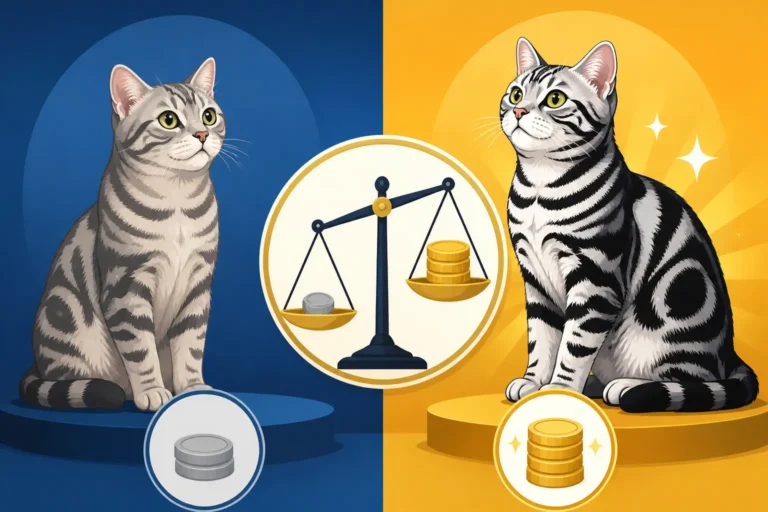
| Feature | Reputable American Shorthair (Typical Cost: $800-$2,000+) | Under $300 "American Shorthair" (Likely Scenario) |
|---|---|---|
| Pedigree | Registered, documented lineage | Unknown, unlikely to be registered |
| Health Testing | Extensive screenings (e.g., HCM, hip dysplasia) | None or minimal |
| Vaccinations | Age-appropriate, documented | Minimal, incomplete, or absent |
| Neutering/Spaying | Often done before placement | Usually not done, owner's responsibility |
| Socialization | Handled daily, exposed to various stimuli | Limited, potentially leading to behavioral issues |
| Health Guarantee | Written contract, typically 1-2 years | None, "as-is" sale |
| Breeder Support | Ongoing advice and support | Little to no support after sale |
| Temperament | Predictably calm, adaptable, friendly | Unpredictable, potential for fear or aggression |
| Future Vet Bills | Generally lower for breed-specific issues | Potentially very high for undiagnosed conditions |
Beyond physical health, a poorly socialized kitten might exhibit behavioral problems like extreme shyness, aggression, litter box issues, or destructive tendencies. These issues can be incredibly challenging and costly to address, often requiring professional behavioral intervention. While some of these services can be covered by pet insurance, preventing them upfront through responsible breeding is always the best approach. Investing a bit more initially for a kitten from a responsible breeder can save you significant financial and emotional strain in the long run.
Finding an American Shorthair on a Budget
So, if a truly pedigreed American Shorthair kitten is out of the sub-$300 price range, what are your options if you're working with a tighter budget but still dream of owning one of these wonderful cats? Thankfully, there are several avenues that can make American Shorthair ownership more accessible without compromising on health or temperament. It’s all about adjusting your expectations on age and finding.
The American Shorthair's robust health and agreeable temperament make them excellent companions, and finding one who needs a home, even if not a kitten, can be incredibly rewarding. You might even find yourself looking into Whether an American Shorthair Fits a Modest Budget and realizing it's entirely possible with the right approach.
Adopting from a Rescue or Shelter
One of the most compassionate and budget-friendly ways to find an American Shorthair is through adoption from a local animal shelter or a breed-specific rescue organization. While it's rare to find a registered American Shorthair kitten in a shelter, you will frequently find domestic shorthairs who strongly resemble the breed, often with the same sweet temperament and sturdy build. Many shelters even label cats as "American Shorthair mix" or simply "American Shorthair type."
The adoption fees at shelters are typically very reasonable, often ranging from $50 to $200, and these fees usually include initial vaccinations, spaying/neutering, microchipping, and a basic health check. This means you're getting a well-vetted cat for a fraction of the cost of a breeder, with many of the essential initial veterinary expenses already covered. You might not get a pedigree, but you'll get a loving companion who desperately needs a home. You can learn more about What Adopting an American Shorthair Costs at a Shelter.
Considering an Older or Retired American Shorthair
Another fantastic option for those seeking a pedigreed American Shorthair on a budget is to consider an older cat. Reputable breeders sometimes have retired breeding cats or show cats available for adoption into loving pet homes. These cats are usually past their breeding prime, often between 2-7 years old, and are looking for a quiet, permanent retirement home. Their purchase price is typically significantly lower than a kitten's, often reflecting only a small rehoming fee, if any.
The benefits of adopting an older American Shorthair are numerous. They are usually already spayed or neutered, house-trained, and their personality is fully developed, so you know exactly what kind of companion you're getting. They also often come with a documented health history from the breeder, offering peace of mind. This allows you to experience the true qualities of the breed without the higher initial investment of a young kitten. Many of these cats have lived rich lives and are perfectly content to become a cherished lap cat. Understanding What Taking On a Senior American Shorthair Costs will give you a clearer picture of their ongoing needs.
Disclaimer
This article is for general informational purposes only and does not constitute professional advice. Laws, prices and regulations vary by location and change over time. Consult a qualified professional for guidance on your specific situation.