Whether a Breeder Ships an American Shorthair Kitten
It's a common scenario: you've fallen head over heels for an American Shorthair kitten from a reputable breeder, but they live states away. The burning question quickly becomes, "How do I get my new family member home safely?" Navigating the world of pet transport can feel like a labyrinth of rules, concerns, and options. This guide will help you understand the current landscape of American Shorthair kitten transport, addressing whether breeders ship and exploring the safest ways to bring your beloved new companion home.
The Changing Landscape of Pet Shipping
For decades, the idea of shipping a pet, especially a young kitten, across the country felt fairly straightforward. It was a common practice, and many people brought home beloved companions from distant breeders without a second thought. However, the world has changed considerably, driven by evolving animal welfare standards, stricter airline regulations, and a greater understanding of the stress involved for the animals themselves. What was once common practice is now often viewed through a more cautious lens, for good reason.
A Look Back at Traditional Shipping Methods
Historically, when you purchased a kitten from a breeder across state lines, the most common method of transport was air cargo. The kitten would be placed in a specially designed, airline-approved carrier and flown in the temperature-controlled, pressurized cargo hold of a commercial flight. Breeders would often handle all the arrangements, from booking the flight to ensuring the necessary health certificates were in order. For many years, this was considered a perfectly acceptable way to reunite pets with their new families, especially before the widespread availability of alternative transport options.
While convenient for the humans involved, this method wasn't without its drawbacks. The experience could be incredibly stressful for a young kitten, separating them from their familiar environment, often for the first time, and exposing them to new, loud, and unfamiliar sensations. Even with temperature controls, unexpected delays, changes in altitude, and the general commotion of an airport environment could be frightening. There were always inherent risks, and while many kittens arrived safely, the potential for distress, injury, or even worse outcomes, particularly during extreme weather conditions, led to a re-evaluation of the practice.
Why Air Cargo for Pets Became Less Common
Over time, several factors contributed to the significant decline in traditional air cargo shipping for pets. Major airlines began implementing stricter policies, some even ceasing to transport pets as cargo altogether, or severely limiting the types and breeds they would carry. This shift was largely influenced by heightened awareness of animal welfare, spurred by unfortunate incidents and advocacy groups highlighting the stress and risks associated with cargo travel for live animals. How an American Shorthair Copes With Change is something many breeders consider.
Furthermore, public perception shifted. Many prospective pet owners, armed with more information and a greater emphasis on ethical breeding practices, started questioning the suitability of air cargo for young, vulnerable kittens. Breeders, too, began to prioritize the well-being of their animals above sheer convenience, seeking out methods that minimized stress and offered a more personal touch. This collective shift has made direct air cargo a much less viable, and often less desirable, option for American Shorthair kittens today.
Current Realities: Do American Shorthair Breeders Still Ship?
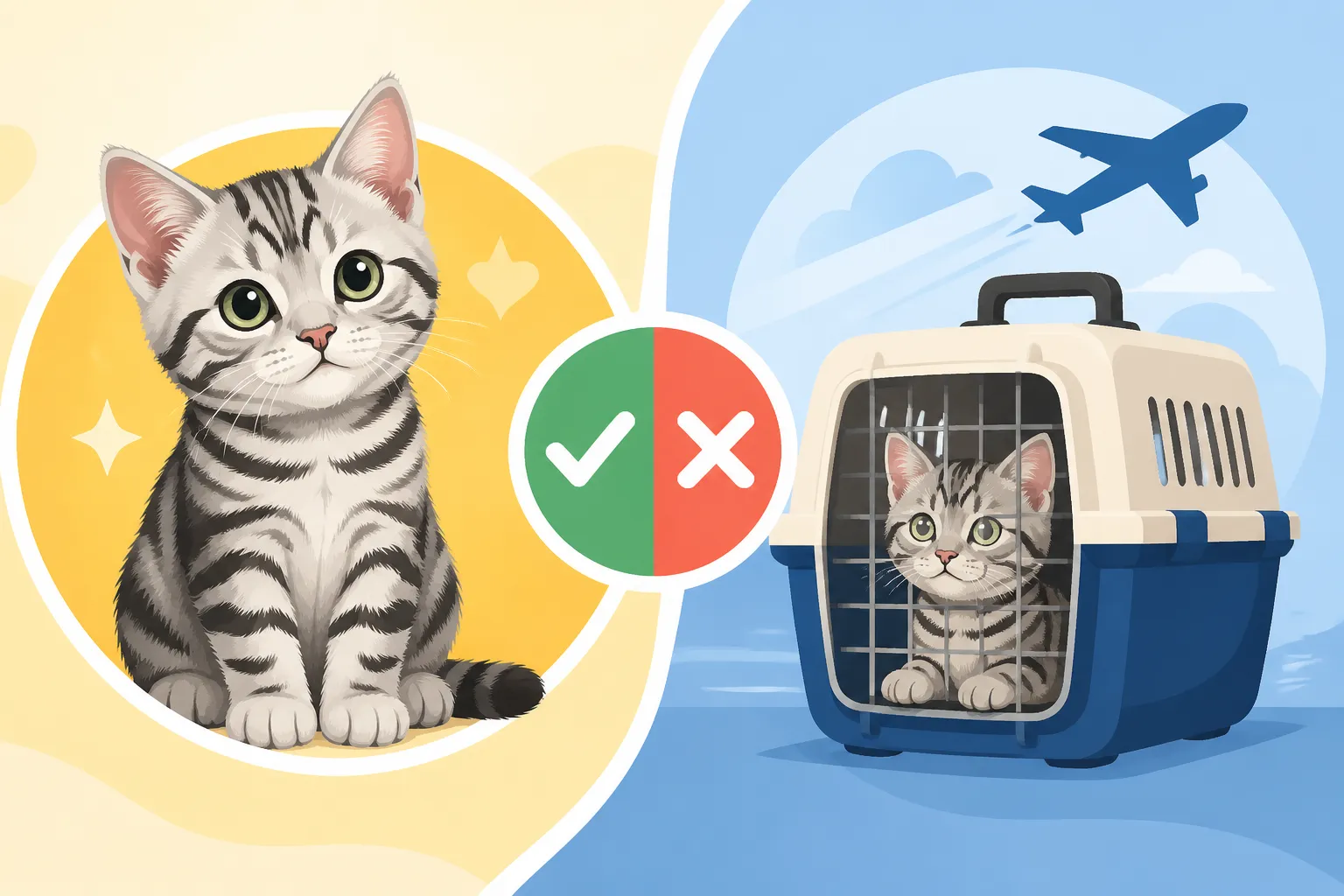
The short answer is: it depends, and "shipping" itself often looks very different than it used to. While some breeders might still use certain methods for transporting kittens over long distances, the traditional "send them via cargo" approach is largely a thing of the past for many reputable American Shorthair breeders. Instead, the focus has moved towards safer, more humane, and often more involved alternatives.
Breeder Philosophy and Personal Preference
The decision of whether and how to send a kitten to a distant home is deeply rooted in an individual breeder's philosophy and personal preferences. Many dedicated American Shorthair breeders prioritize the kitten's health and emotional well-being above all else. They understand that the transition to a new home is already a significant event for a young cat, and adding the potential stress of traditional cargo shipping might be deemed unacceptable. For these breeders, a direct, in-person handover is often the only acceptable method.
You'll find many breeders will explicitly state that they do not ship kittens "sight unseen" or via cargo. They might insist on personal pick-up, or suggest specific alternative transport methods that they trust. This isn't about being difficult; it's about safeguarding the kittens they've raised. When you're looking for How to Find an American Shorthair Breeder Worth Paying For, make sure to inquire about their transport policies early in your conversation. A breeder who shows genuine concern for the kitten's travel experience is usually a good sign of their overall commitment to their animals.
The Rise of Hand-Delivery and Pet Nannies
Given the decline of traditional cargo shipping, a thriving industry of specialized pet transport has emerged. "Pet nannies" or "flight nannies" are individuals who personally escort your kitten in the cabin of an airplane. The kitten remains with a human handler for the entire journey, often sitting under the seat in a soft-sided carrier. This significantly reduces stress compared to being in cargo, as the kitten receives continuous supervision, comfort, and care. This personalized service comes with a higher price tag, of course, but many owners feel the peace of mind is worth the investment.
Similarly, ground transport services have become popular. These are companies that specialize in door-to-door transportation for pets, often in climate-controlled vehicles with experienced handlers. The journey is typically longer than flying, but it minimizes the startling noises and drastic environmental changes of air travel. Both hand-delivery and dedicated ground transport are excellent alternatives that many American Shorthair breeders will recommend or even help coordinate, ensuring the kitten arrives calm and comfortable.
Legal and Airline Regulations
Understanding the regulations is crucial. Airlines have their own rules regarding in-cabin pets (size and weight limits for the carrier, specific documentation required) and cargo pets (which are becoming increasingly rare). These rules can change frequently and vary by airline, so always check directly with the specific carrier. Beyond airline policies, there are federal and state regulations concerning animal transport, particularly across state lines. These often involve health certificates issued by a licensed veterinarian within a specific timeframe before travel. What an American Shorthair Kitten's First Shots Cost and other vaccinations are part of this preparation.
For example, a kitten cannot travel without having received certain vaccinations and a clean bill of health. Some states have specific import requirements, which can include additional testing or quarantine periods, though this is more common for international travel. Responsible breeders will be well-versed in these requirements and will guide you through the necessary paperwork. It’s important to remember that these regulations are in place to protect animal health and prevent the spread of disease, and cutting corners is never an option when dealing with a living creature.
Alternatives to Traditional Shipping for Your American Shorthair Kitten
Since traditional shipping is largely out, let's explore the most common and safest alternatives for bringing your American Shorthair kitten home. Each has its own set of advantages and considerations, and the best choice for you will depend on your budget, schedule, and comfort level.
Personal Pick-Up: The Best-Case Scenario
Without a doubt, personally picking up your American Shorthair kitten from the breeder is often the ideal scenario. This allows you to meet the breeder in person, see the environment where your kitten was raised, and observe the kitten's parents and littermates. It's an invaluable opportunity to ask any last-minute questions, get hands-on advice, and ensure everything feels right before you commit. Plus, the journey home becomes a bonding experience for you and your new kitten, albeit a potentially long one. Whether an American Shorthair Breeder Should Be Visited is a question that strongly leans towards "yes" for this very reason.
Driving allows for more control over the environment. You can stop for potty breaks (though kittens might not use a litter box on a moving car), offer food and water, and provide comfort and reassurance. Flying with your kitten in the cabin also falls under "personal pick-up," offering a quick journey while keeping your pet close. Just remember that small kittens still need regular care, so factor in extra time for stops or bring all necessary supplies for in-cabin comfort.
Utilizing Dedicated Pet Transport Services
If personal pick-up simply isn't feasible due to distance, time constraints, or other factors, dedicated pet transport services are an excellent option. These services specialize solely in the safe and comfortable relocation of animals. They can range from individual pet nannies who accompany your kitten in the plane cabin to ground transport companies that offer door-to-door service in specially equipped vehicles.
When choosing a service, always do your homework. Look for companies with excellent reviews, proper licensing, and insurance. Ask about their experience with American Shorthairs, their contingency plans for delays, and how they handle feeding, watering, and comforting the animals in their care. Services like those found through reputable pet transportation brokers can connect you with trusted providers. While often more expensive than a simple cargo flight used to be, the peace of mind that your kitten is being looked after by professionals throughout their journey is invaluable. You can also purchase travel accessories and What a Carrier a Square Built American Shorthair Fits In Costs from retailers like Chewy, ensuring your kitten's comfort during transport.
Planning a Road Trip: Bringing Your Kitten Home Yourself
For distances that are too far to comfortably drive in one day but might not warrant a flight, a road trip can be a fantastic way to bring your American Shorthair kitten home. This offers a similar level of control to local pick-up, allowing you to manage the environment, schedule stops, and provide constant reassurance to your new pet. It’s also often more cost-effective than hiring a pet nanny for very long distances.
Before you embark on your journey, make sure your car is ready. A comfortable, secure carrier is a must, placed in a spot where it won't slide around. Pack a “kitten travel kit” with food, water, a small litter box, scoop, litter, paper towels for accidents, and a familiar blanket or toy to provide comfort. Plan your route with plenty of breaks, and remember that even the most placid kitten might feel a bit anxious on a long car ride. Be prepared for some meows and ensure you have all their What an American Shorthair's Microchip Costs information and health certificates handy.
What to Discuss with a Breeder Regarding Transport
Open and honest communication with your American Shorthair breeder is paramount when it comes to kitten transport. Don't be shy about asking detailed questions; a good breeder will appreciate your thoroughness and share your concern for the kitten's well-being.
Health and Travel Preparedness
Before any travel, your American Shorthair kitten needs to be in tip-top shape. You should discuss with the breeder what health checks and veterinary care the kitten will receive prior to leaving their home. This typically includes a full veterinary check-up, age-appropriate vaccinations, and deworming. The breeder should provide a health certificate, often required for interstate travel, issued by a licensed veterinarian shortly before the travel date. This certificate confirms the kitten is healthy enough to travel and free of communicable diseases.
Ask the breeder about the kitten's temperament and how they handle new experiences. While American Shorthairs are generally known for their calm and adaptable nature, every kitten is an individual. A breeder can offer insights into how their specific kittens typically cope with car rides or new carriers. They might even suggest tips for acclimating your kitten to its carrier before the long journey home. Ensure you have the kitten's full medical history and Whether an American Shorthair Kitten Comes With Papers outlining their pedigree and lineage.
Costs and Logistics Breakdown
Transporting a kitten isn't usually free, especially with the specialized services now available. It's essential to have a clear understanding of all associated costs upfront. This includes the fee for a pet nanny or ground transporter, any airline pet fees if you're flying with them in-cabin, the cost of the health certificate, and perhaps even a suitable travel carrier. Don't forget to factor in your own travel expenses if you're doing a personal pick-up, such as gas, accommodation, and food.
Beyond cost, clarify the logistics:
- Who books the transport? Will the breeder handle it, or are you expected to arrange it?
- What are the pickup/drop-off locations and times? Be specific to avoid misunderstandings.
- What documentation will be provided? You'll need health records, registration papers, and sometimes proof of purchase.
- What should you pack for the kitten's journey? The breeder can advise on food, water, and comfort items.
A clear, written agreement detailing all these points is always a good idea. Which Questions to Ask an American Shorthair Breeder should definitely cover these specifics.
Assessing Breeder's Experience with Distant Adoptions
A breeder who regularly places American Shorthair kittens with families far afield will likely have a well-established protocol for transport. Ask them about their experience:
- How do they typically handle long-distance adoptions?
- Which transport services do they recommend or work with?
- What feedback have they received from previous buyers regarding the transport process?
- Do they offer any guarantees related to the kitten's health upon arrival after travel?
A breeder with good experience will be transparent and reassuring, providing you with options and advice. They might even recommend specific pet insurance providers like Healthy Paws for peace of mind once your kitten arrives home, covering potential unexpected health issues from the start. Knowing that your breeder is experienced in this area can greatly reduce your own anxiety about the process.
| Transport Method | Stress Level for Kitten | Cost Range | Control Over Environment | Time Duration | Best Use Case |
|---|---|---|---|---|---|
| Personal Car Pick-Up | Low | Low to Moderate (gas/lodging) | High | Variable | Closer distances, desire for bonding, budget-conscious |
| In-Cabin Flight (Owner w/ Kitten) | Low to Moderate | Moderate (ticket + pet fee) | High | Short (flight duration) | Quick transport, owner comfort, direct supervision |
| Pet Nanny/Flight Nanny | Low to Moderate | High | Moderate (professional care) | Short (flight duration) | Long distances, owner cannot fly, kitten needs supervision |
| Dedicated Ground Transport | Low to Moderate | Moderate to High | High (specialized vehicles) | Long (days) | Long distances, owner prefers ground, avoids air stress |
| Air Cargo (Traditional) | High | Low to Moderate | Low | Short (flight duration) | Rarely recommended/available, higher risk factors |
Disclaimer
This article is for general informational purposes only and does not constitute professional advice. Laws, prices and regulations vary by location and change over time. Consult a qualified professional for guidance on your specific situation.