What Feeding an American Shorthair by Portion Costs a Month
Figuring out exactly how much to budget for your beloved American Shorthair's food each month can feel like trying to hit a moving target. With all the different food types, brands, and our cats' changing needs, it’s no wonder many of us just eyeball the bowl and hope for the best. This comprehensive guide will break down the ins and outs of portion feeding an American Shorthair, giving you a clear picture of what to expect in terms of monthly costs, so you can feed your feline friend wisely without breaking the bank.
Understanding Your American Shorthair's Unique Nutritional Needs
When you think about feeding your American Shorthair, it’s easy to just grab a bag of food. But these wonderful cats have a rich history that has shaped their bodies and their appetites in ways that are crucial to understanding their dietary needs today. They aren't just any cat; they're built for a purpose, even if that purpose has largely shifted from barn to sofa.
The Legacy of a Working Cat's Appetite
The American Shorthair’s ancestors weren't pampered pets; they were hardworking mousers, sailing on ships and patrolling farms across North America. This heritage means they developed a robust, muscular build and a naturally high metabolism to support an active, prey-driven lifestyle. They needed plenty of fuel to stalk, pounce, and hunt, often throughout the day and night. Their bodies were efficient machines, capable of burning through calories to maintain their strength and agility. This is why you often see them as solid, well-built cats – a far cry from some of the more delicate or extreme breeds.
Even though most American Shorthairs today live comfortably indoors, that genetic blueprint for a hearty appetite and strong physique remains. They still carry that inherent drive to hunt, even if it’s now for a favorite Which Wand Toy Reads as Prey to an American Shorthair rather than a real mouse. This underlying need means their food intake needs to be carefully managed to match their actual energy output, not their ancestral one, to prevent common health issues.
Why a Sedentary Life Changes Everything
Here's the rub: while their internal programming screams "hunt and eat!", their daily reality is often far more leisurely. An indoor American Shorthair doesn't burn nearly as many calories as its seafaring or barn-dwelling predecessors. They might spend their days napping in sunbeams, observing birds from a window, and engaging in short bursts of play. This dramatic shift from an active, working existence to a more sedentary, indoor one significantly alters their caloric requirements. If we feed them as if they're still working the farm, weight gain is almost inevitable.
Overfeeding an indoor American Shorthair, even slightly, can quickly lead to an accumulation of excess weight, which brings its own set of health challenges. They can go from being a lithe, healthy feline to a chunky couch potato before you know it. It’s a common frustration for owners who just want to make sure their cat is well-fed, but unintentionally contribute to a problem. Understanding this balance is the first crucial step in calculating appropriate portion sizes and, by extension, your monthly food budget. You want to nourish them, not over-indulge their lingering hunter's appetite.
Calculating Basal Metabolic Rate BMR and Activity Levels
To truly portion feed effectively, you need to think beyond just the recommended serving size on the bag, which is often a generic guideline. Your American Shorthair is an individual! A good starting point is to understand their Basal Metabolic Rate (BMR), which is the minimum energy they need just to exist, to keep their organs functioning, and maintain body temperature, even at rest. On top of that, you add calories for their daily activity level. Is your cat a senior who mostly naps, or a young adult still How Much Simulated Hunting an American Shorthair Needs and zooming around? These factors make a huge difference.
Your veterinarian can be an invaluable partner here, helping you assess your cat's ideal body condition and calculate their precise caloric needs. They might use a formula based on your cat's lean body mass or current weight and then adjust for factors like age, spay/neuter status, and activity. It's not about starving your cat; it's about providing the exact amount of fuel their unique body needs to thrive without gaining unnecessary weight. This personalized approach to calorie counting is the foundation of truly effective portion feeding and can save you money in the long run by preventing obesity-related health issues.
Deciphering the Cost of Different Food Types
Once you have a handle on how much your American Shorthair should eat, the next big question is what to feed them. The market is absolutely saturated with cat food options, and the price tags can vary wildly. Let's break down the typical costs associated with different food types and what benefits they might offer your American Shorthair.
The Economics of Dry Kibble for American Shorthairs
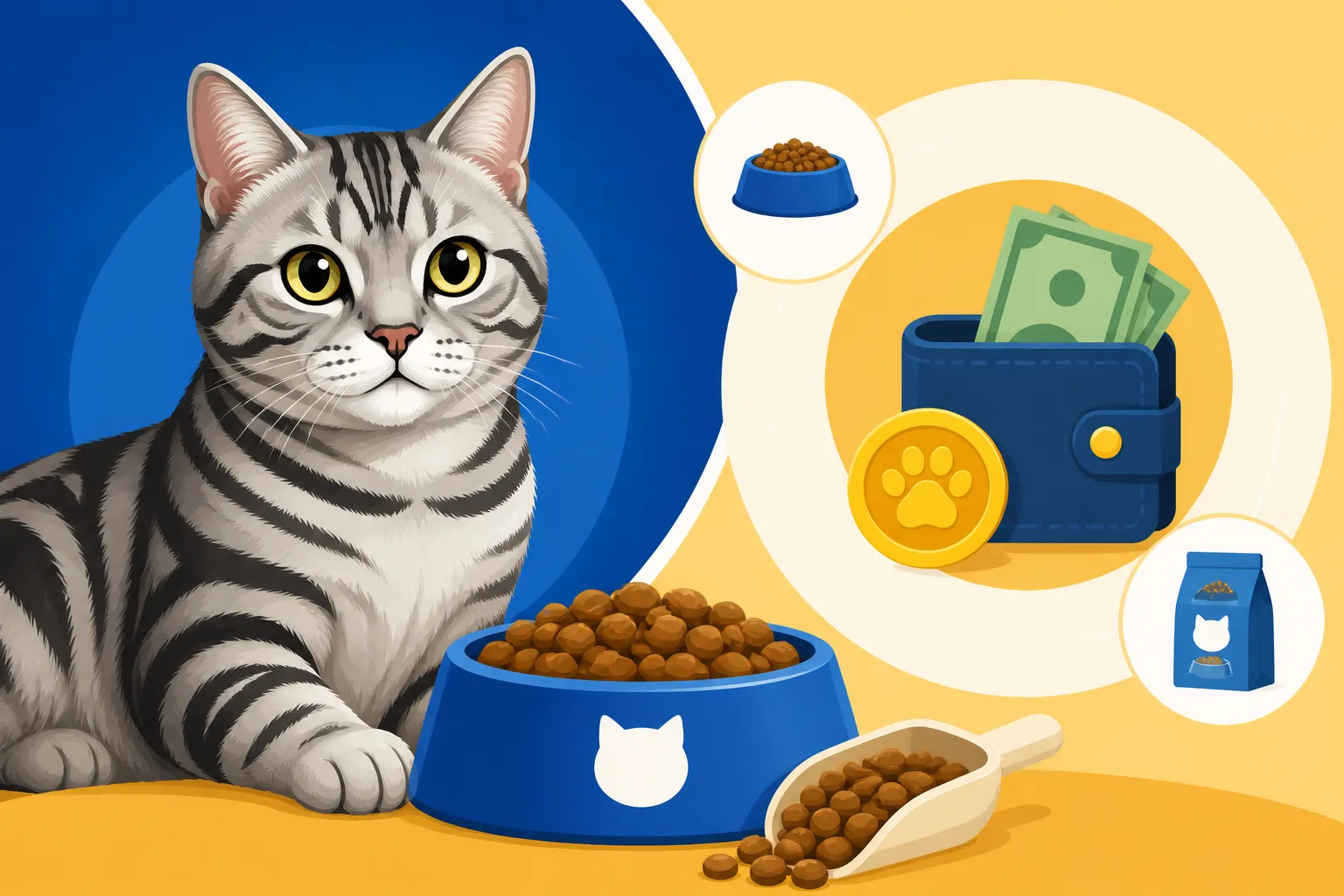
Dry kibble is often the most budget-friendly option, and for many American Shorthair owners, it forms the cornerstone of their cat's diet. The cost per serving is generally lower than wet food, and it's convenient for free-feeding (though we'll talk about why portion feeding is still key) or using in puzzle feeders. However, not all kibble is created equal. You’ll find a huge range in quality, from basic grocery store brands to premium, high-protein formulas. Higher quality kibble, often with real meat as the first ingredient and fewer fillers, will naturally cost more per bag, but can offer better nutrition and potentially lead to fewer health issues down the line.
When buying kibble, consider purchasing larger bags if you have the storage space and your cat goes through it quickly enough for it to stay fresh. This often brings down the unit price considerably. Online retailers like Chewy are fantastic for this, offering bulk discounts and the convenience of home delivery. Always check the ingredient list – look for foods that support your American Shorthair's muscular build, providing adequate protein without excessive carbohydrates. A good kibble can provide all the necessary nutrients, but careful consideration of ingredients and portion control are paramount, especially for a breed prone to weight gain.
The Real Price Tag of Wet Food and Its Benefits
Wet food typically comes with a higher monthly price tag than kibble, largely due to its higher water content and often more expensive ingredients. However, don't let the initial cost deter you entirely, as wet food offers significant benefits, particularly for American Shorthairs. Cats, by nature, are not big drinkers, and a diet rich in moisture can greatly support urinary tract health. How Much Water Keeps an American Shorthair's Bladder Clear is a crucial question for feline health, and wet food helps meet that need. For American Shorthairs, who can be prone to weight gain, wet food's higher moisture content also means a larger volume for fewer calories, helping them feel fuller.
Many owners opt for a mixed diet, offering wet food once or twice a day alongside measured kibble portions. This strategy combines the benefits of both while managing costs. You'll find a wide range of wet food options, from pate to shredded varieties, and varying protein sources. Fresh, human-grade food delivered to your door is another option, which can be a more significant investment but provides transparent ingredients and often tailored meal plans. While the monthly cost will be higher than an all-kibble diet, the health benefits, particularly for hydration and weight management, might just be worth the extra expenditure.
Exploring Specialty and Prescription Diets
Sometimes, a standard over-the-counter diet just isn't enough, and your American Shorthair might require a specialty or prescription diet. These foods are formulated to address specific health concerns, such as kidney disease, urinary issues, food allergies, or obesity. For instance, if your cat develops diabetes due to weight issues, a prescription diabetic diet will become a necessity. Or if they struggle with Which Bladder Stones an American Shorthair Forms, a urinary care diet might be prescribed. These diets are developed with precise nutritional profiles to help manage or mitigate certain conditions.
The cost of prescription diets is almost always higher than standard commercial foods. They are often only available through your veterinarian or with a vet's authorization through online pharmacies. While the sticker shock can be real, these diets are an investment in your cat's health and can often prevent more expensive treatments down the line. For example, a urinary diet might prevent blockages that would otherwise lead to emergency vet visits and surgery. It’s important to see these as a medical necessity rather than a luxury, and factor them into your budget if your American Shorthair ever needs them. A good pet insurance plan, like those offered by Healthy Paws, might help cover the costs of vet visits and diagnostics that lead to such dietary recommendations.
Strategies for Cost-Effective Portion Feeding
Knowing what to feed is one thing, but keeping it affordable month after month is another challenge entirely. Thankfully, there are smart strategies you can employ to make portion feeding your American Shorthair both effective for their health and kind to your wallet. It's all about planning and being a savvy shopper.
Bulk Buying and Subscription Services
One of the easiest ways to reduce the per-unit cost of your American Shorthair's food is to buy in larger quantities. Big bags of kibble or cases of wet food often come with a lower price per pound or per can. This is where online retailers really shine. Websites like Chewy allow you to set up auto-shipments, not only ensuring you never run out of food but often providing a discount for subscription orders. Imagine never having to make a last-minute dash to the pet store for food again! Plus, the heavier items get delivered right to your door, which is a huge convenience, especially for those larger bags.
Before diving into bulk buying, ensure you have adequate, airtight storage to keep the food fresh and pest-free. Dry kibble can go stale or lose nutritional value if left open, and nobody wants pantry moths. Also, make sure your cat actually likes the food before committing to a huge bag! A trial run with a smaller bag is always a good idea. For wet food, buying in cases or multi-packs offers similar savings compared to buying individual cans, and it typically has a much longer shelf life.
Homemade vs. Commercial: A Cost Comparison
The idea of feeding your American Shorthair a homemade diet might sound appealing – you control every ingredient, ensuring quality and freshness. However, this path is fraught with potential nutritional imbalances and often, surprisingly, higher costs. Crafting a nutritionally complete and balanced diet for a cat is incredibly complex. Cats are obligate carnivores with specific needs for taurine, certain amino acids, and precise vitamin and mineral ratios that are difficult to achieve through home cooking without expert guidance. Without this balance, your cat could develop serious health problems, leading to significant veterinary bills later on.
Commercially prepared foods, whether kibble, wet, or fresh-prepared, are scientifically formulated to meet these intricate nutritional requirements. While the upfront cost might seem higher than simply buying chicken and rice, the cost of nutritional supplements, a veterinary nutritionist's consultation, and the potential for health issues from an unbalanced diet can quickly make homemade food a more expensive and riskier endeavor. Unless you are working very closely with a vet who specializes in feline nutrition, sticking to high-quality commercial options is generally safer and more cost-effective in the long run.
Monitoring and Adjusting for Optimal Health
Effective portion feeding isn't a "set it and forget it" task. Your American Shorthair's needs will change over time due to age, activity level, and health status. Regularly monitoring their weight and body condition is essential. A simple kitchen scale can help you track their weight, and learning How to Find the Ribs on a Square Built American Shorthair can give you an immediate indication if they are gaining or losing too much. If you notice changes, or your cat suddenly seems hungrier or less interested in food, it's time to assess their portions and perhaps consult your vet.
Adjusting portions as needed can prevent numerous health issues down the line, which ultimately saves you money. For instance, catching early weight gain and adjusting food intake can prevent your cat from needing What Insulin Costs Once an American Shorthair Is Diabetic or joint support medications later in life. This proactive approach is part of being a responsible pet parent and directly impacts your monthly budget by promoting long-term health. Regular vet check-ups, ideally once a year for younger cats and twice a year for seniors, can help you stay on top of these changes. If any unexpected health issues do arise, having pet insurance like Healthy Paws can be a real lifesaver, helping to manage those unforeseen costs.
Hidden Costs and Long-Term Financial Planning
It's tempting to think of feeding costs purely in terms of the bag or can you buy each month. However, there are often hidden financial ripples that can greatly impact your budget, particularly when it comes to an American Shorthair's health. Understanding these long-term implications is key to truly planning for their care.
The Impact of Obesity on Monthly Bills
As we've touched upon, American Shorthairs can easily pack on pounds if their diet isn't managed. What many owners don't realize is that obesity isn't just about looking a little fluffy; it’s a serious health hazard with significant financial consequences. An overweight cat is at a much higher risk for a whole host of conditions, including diabetes, arthritis, heart disease, and urinary tract issues. Each of these conditions requires veterinary diagnosis, ongoing medication, and often, special prescription diets, all of which add considerably to your monthly and annual expenses. For instance, How Weight Turns Into Diabetes in an American Shorthair is a serious concern, and managing it can include daily insulin injections and regular vet visits.
Think of it this way: the extra cost of a slightly more expensive, high-quality, portion-controlled food now is often far less than the cost of treating obesity-related diseases later. It's an investment in preventative care. If your American Shorthair becomes obese, your monthly food bill might even increase because they'll need specific "light" or weight-loss formulas, which are often more expensive than regular adult diets. Moreover, the quality of life for an overweight cat is diminished – they might be less active, less playful, and experience chronic pain, making the emotional cost just as significant.
Dental Health and Its Influence on Food Choices
Dental disease is one of the most common health problems in cats, and American Shorthairs are no exception. While kibble can offer some minimal abrasive action, it's rarely enough to prevent plaque and tartar buildup entirely. Why Gum Disease Is the American Shorthair's Quietest Problem is often because cats are so stoic about pain. If left unaddressed, dental issues can lead to painful infections, tooth loss, and even impact overall health by allowing bacteria to enter the bloodstream and affect vital organs.
The cost of veterinary dental cleanings, especially those requiring anesthesia and potential extractions, can be substantial. These procedures are usually not a monthly expense, but they can be a significant lump sum that catches many owners by surprise. Incorporating dental treats (within their calorie budget!), dental-specific foods, or even trying to brush your American Shorthair's teeth regularly can help mitigate these risks. While these preventative measures have their own costs, they are generally much lower than the expense of extensive dental surgery. Making informed food choices and providing dental care can help keep those pearly whites healthy and your vet bills lower.
Unexpected Health Concerns and Their Financial Ripple Effect
Even with the best nutrition and preventative care, unexpected health issues can arise. While the American Shorthair is generally a very healthy and robust breed, they aren't immune to every ailment. Conditions like Hypertrophic Cardiomyopathy (HCM), though rare in the breed, can occur. HCM Is the One Inherited Disease the American Shorthair Kept, and while routine screening is important for breeding cats, pet owners should also be aware. Diagnosing and treating these issues can lead to significant vet bills for diagnostics, medications, and specialist consultations.
This is where planning for unexpected costs becomes crucial. Many pet owners choose to set aside a dedicated emergency fund, but for predictable monthly budgeting, pet insurance is an increasingly popular option. Providers like Healthy Paws offer various plans that can cover a significant portion of unexpected veterinary expenses, giving you peace of mind and allowing you to focus on your cat's recovery rather than the financial strain. While insurance premiums add a small fixed amount to your monthly budget, it can act as a financial safety net for those larger, unpredictable costs that can easily dwarf your regular food expenses.
Putting It All Together: Sample Monthly Budgets
Now that we've explored the various factors influencing the cost of feeding your American Shorthair, let's try to put some numbers together. Remember, these are estimates, and actual costs will vary based on your cat's specific needs, your chosen brands, and where you live. Always check current prices with your preferred retailers and vet.
A Budget for the Average Indoor American Shorthair
Let's imagine a healthy, adult, indoor American Shorthair weighing around 10-12 pounds, who is moderately active. This cat isn't a couch potato, but isn't an Olympic athlete either. They're probably eating a mix of dry kibble and wet food.
- Dry Kibble: A mid-to-high quality kibble might cost you around $[X] to $[Y] for a large bag (5-7 lbs) that lasts about 6-8 weeks for one cat. Breaking that down monthly, you might spend around $[Z] to $[A]. Bulk purchasing from Chewy could lean towards the lower end of this.
- Wet Food: If you provide one 3oz can of wet food per day, a mid-range quality might cost you around $[B] to $[C] per can. Multiplied by 30 days, that's $[D] to $[E] for the month. Opting for cases can reduce this slightly.
- Treats: Even if used sparingly, a bag of treats might last a month or two, adding an average of $[F] to $[G] monthly.
- Total Estimated Monthly Cost: For an average indoor American Shorthair on a mixed diet, you might be looking at a range of $[H] to $[I] per month. This excludes potential insurance costs or unexpected vet bills.
This budget is a great starting point for many owners. It balances quality nutrition with manageable costs, giving your American Shorthair the best of both worlds – crunchy kibble and hydrating wet food.
Budgeting for a Senior or Special Needs American Shorthair
Caring for a senior American Shorthair, or one with specific health issues, often means a shift in dietary needs and, consequently, an increase in costs. Caring for an American Shorthair Past Twelve requires careful attention to their changing metabolism and potential health concerns. Senior cats may need fewer calories but require highly digestible, nutrient-dense foods. Cats with conditions like kidney disease, diabetes, or severe allergies will need prescription diets.
- Prescription Dry Kibble: A specialized diet for kidney support or diabetes can cost significantly more per bag, perhaps ranging from $[J] to $[K] for a 5-7 lb bag. Monthly, this could be $[L] to $[M].
- Prescription Wet Food: Similarly, specialty wet foods are pricier, possibly $[N] to $[O] per can. Daily feeding could add up to $[P] to $[Q] per month. Fresh, tailored options could also fall into this higher price bracket if customized for specific needs.
- Supplements/Medications: Senior cats or those with chronic conditions often require supplements (e.g., joint support) or daily medications, which can add another $[R] to $[S] monthly.
- Total Estimated Monthly Cost: For a senior or special needs American Shorthair, your monthly food and related care expenses could easily be in the range of $[T] to $[U]. This highlights the importance of discussing diet with your vet as your cat ages or develops health concerns.
Maximizing Value Without Sacrificing Quality
It's absolutely possible to feed your American Shorthair a high-quality, portion-controlled diet without constantly feeling the pinch. The key is smart shopping and careful planning.
- Compare Unit Prices: Don't just look at the price of the bag; look at the price per pound or per ounce. Larger sizes often offer better value.
- Utilize Sales and Rewards Programs: Sign up for email lists from your favorite brands or retailers like Chewy. They often announce sales, special offers, and loyalty programs that can save you money.
- Prioritize Ingredients: Focus on foods with real meat as the first ingredient and avoid excessive fillers. Sometimes a slightly higher upfront cost for better quality means better health and fewer vet bills later.
- Consider a Mixed Diet: Combining high-quality kibble with a smaller portion of wet food can provide both nutritional benefits and cost savings compared to an all-wet diet.
- Preventative Care is Key: As mentioned, proactive health management, including portion control to prevent obesity and consistent dental care, will save you money in the long run by reducing the likelihood of expensive treatments. Investing in pet insurance from a reputable provider like Healthy Paws can also offer incredible value when unexpected health issues arise, effectively protecting your budget.
Here’s a quick overview of how costs can vary:
| Food Type | General Quality Level | Approx. Monthly Cost Range (1 Cat) | Key Benefit | Potential Downside |
|---|---|---|---|---|
| Basic Kibble | Good, but often more fillers | $[X] – $[Y] | Most economical, easy storage | Less moisture, potentially lower quality protein |
| Premium Kibble | High quality, meat-first | $[A] – $[B] | Better nutrition, fewer fillers | Higher initial bag cost |
| Standard Wet | Good quality, varies by brand | $[C] – $[D] | Excellent hydration, palatable | Higher monthly cost, smaller portions |
| Fresh | Human-grade, tailored | $[E] – $[F] | High quality, customized, transparent | Highest monthly cost, specific delivery |
| Prescription | Vet-formulated for health | $[G] – $[H] | Addresses specific medical needs | Significant cost, vet authorization needed |
By adopting these strategies and keeping a close eye on your American Shorthair's health and weight, you can ensure they receive the best nutrition possible within a sustainable budget.
Disclaimer
This article is for general informational purposes only and does not constitute professional advice. Laws, prices and regulations vary by location and change over time. Consult a qualified professional for guidance on your specific situation.