Which American Shorthair Colors Cost the Most
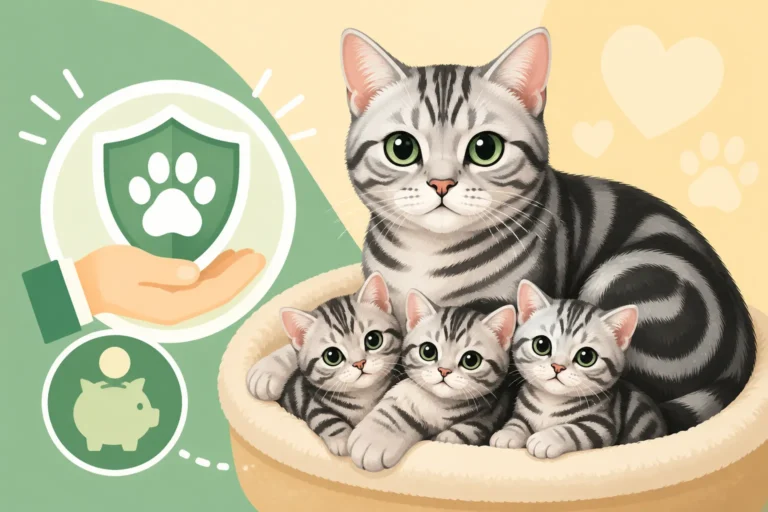
Many prospective American Shorthair owners find themselves scratching their heads when they see widely varying prices, often tied to a cat's coat color or pattern. It can feel arbitrary, almost like some colors are deemed "more valuable" for no clear reason, making it tough to budget or even understand what you're really paying for. This guide will demystify the pricing landscape, specifically exploring which American Shorthair colors tend to fetch the highest prices and why, so you can navigate your adoption journey with confidence.
The Foundation of American Shorthair Pricing
Before we dive into the fascinating world of American Shorthair coat colors and their price tags, it’s crucial to understand that color isn't the only factor, nor is it always the primary one. Many elements contribute to the overall cost of a pedigree kitten, and getting a grasp on these helps put the color-specific pricing into perspective. We're talking about things like the breeder's reputation, the cat's lineage, and even the region you live in. It’s a complex tapestry, and color often just adds another thread of value to an already well-regarded breed.
Beyond the Basic Tabby: What Drives Up the Price?
When you start looking for an American Shorthair, you’ll quickly notice that even cats with similar markings might have wildly different price points. This isn't just about the "prettiness" of a particular coat. A significant part of the cost reflects the breeder's dedication to the breed standard, health testing, and the care invested in each litter. A breeder who consistently produces show-quality kittens, even if the individual kitten is "pet quality," often charges more because of their proven track record and commitment to excellence. They’re investing in top-tier breeding stock, regular veterinary care, and proper socialization, all of which contribute to a well-adjusted, healthy cat. This kind of breeder can tell you all about What an American Shorthair Looks Like by the Standard and demonstrate how their cats meet those ideals.
Another key driver is the effort and expense a breeder puts into genetic health screening. While the American Shorthair is known for its robust health, responsible breeders still screen for certain conditions, most notably HCM (Hypertrophic Cardiomyopathy), which can subtly affect even healthy-looking cats. These screenings, often performed by veterinary cardiologists, are not cheap, but they significantly reduce the risk of future heartbreak for families. When you consider Which Health Results an American Shorthair Breeder Must Show, you're looking at a serious investment on their part, which naturally factors into the kitten's price. The peace of mind that comes from knowing your kitten's parents were thoroughly screened is invaluable.
The Pedigree Premium: Why Papers Matter
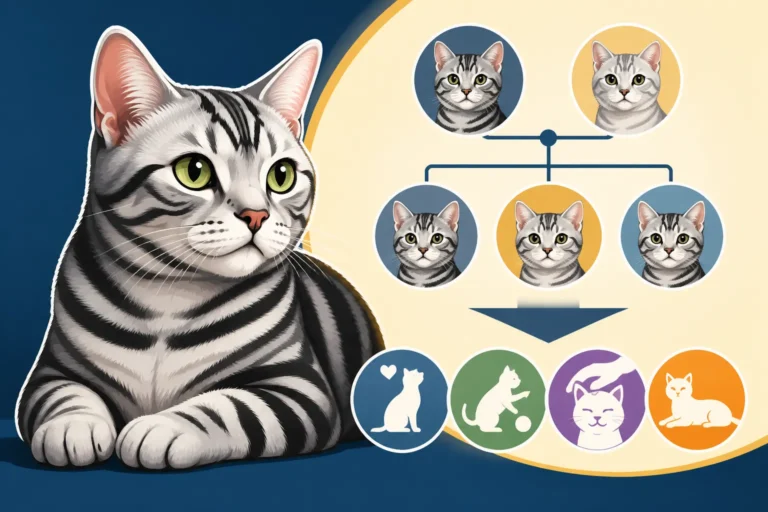
You might wonder why a piece of paper can make a difference in the price of an animal. For an American Shorthair, particularly, registration papers from a reputable association like the CFA (Cat Fanciers' Association) are more than just fancy certificates; they are verifiable proof of lineage and breed purity. These papers guarantee that your kitten is indeed a true American Shorthair, descended from generations of cats bred to the specific breed standard, not merely a domestic shorthair with similar markings. This distinction is paramount, as a truly pedigreed cat carries predictable traits in terms of temperament, health, and appearance, which is what potential owners are paying for.
Without these papers, you might be getting a wonderful cat, but it's fundamentally a domestic shorthair, regardless of how much it looks like a pedigree. The price difference between a registered American Shorthair and a well-marked "tabby moggy" can be substantial, reflecting the breeder's adherence to breed standards and ethical practices. Understanding How to Tell a Pedigree American Shorthair From a Domestic Shorthair becomes critical here, as unscrupulous individuals might try to pass off unregistered cats as the real deal. Reputable breeders will always provide registration papers, often on a "pet quality" contract that requires spaying or neutering, ensuring the integrity and future health of the breed.
The Allure of Silver: Why This Tabby Reigns Supreme
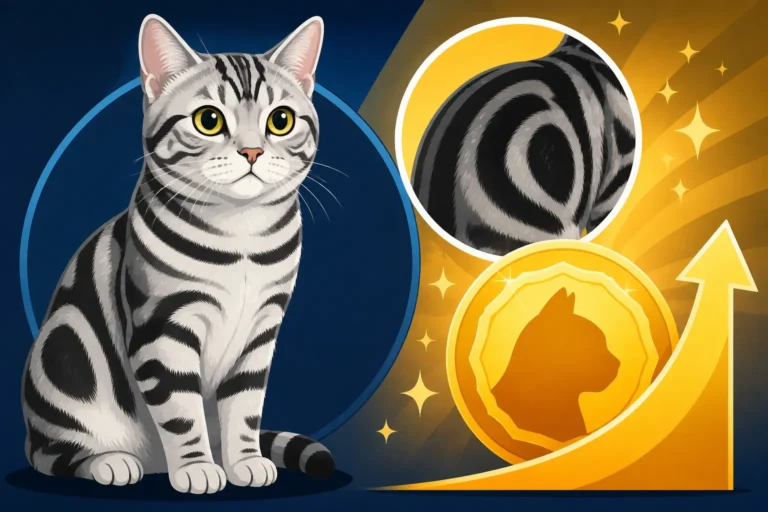
When it comes to American Shorthair colors, one particular pattern and shade stands head and shoulders above the rest in terms of desirability and, consequently, price: the Silver Tabby. It's almost become synonymous with the breed itself, often being the image that first comes to mind when someone pictures an American Shorthair. This isn't just a coincidence; there's a rich history and a specific aesthetic appeal that has cemented the Silver Tabby's status as the breed's most iconic and sought-after variant, consistently commanding top dollar.
The Classic Silver Tabby: A Legacy of Demand
The classic Silver Tabby, with its striking black markings against a shimmering silver background, has a long and storied history within the American Shorthair breed. This particular pattern isn't just beautiful; it's considered the breed's signature look. Historically, these cats were among the first to be championed in cat shows, capturing the public's imagination and establishing a strong demand that persists to this day. It’s widely recognized that The Silver Tabby That Made the American Shorthair Famous played a pivotal role in the breed's early popularity and continues to be its most recognizable face. The contrast in their coats is truly breathtaking, with intricate swirls or bold stripes that make them appear sophisticated and elegant, yet still retaining that quintessential "American Shorthair" sturdy build.
Because of this deeply ingrained preference and historical prominence, breeders often focus intently on developing and perfecting the Silver Tabby lines. This means more selective breeding, potentially more attempts to achieve the ideal pattern clarity and color, and thus a higher investment of time and resources. As a result, kittens with excellent classic silver tabby markings are almost universally priced at the higher end of the spectrum for the breed. The demand for that quintessential look is simply unmatched by other color variations.
Rarity vs. Popularity: The Silver Tabby's Market Edge
It’s an interesting paradox: the Silver Tabby is incredibly popular, yet it often commands a higher price, which might lead one to believe it's rare. While it's not "rare" in the genetic sense that it's difficult to breed, the demand for a well-marked, show-quality Silver Tabby American Shorthair far outstrips that for many other colors and patterns. Breeders know this, and the market reflects it. The combination of intense public appeal, historical significance, and the challenge of consistently producing a truly outstanding example of the pattern – clear, vivid markings, good contrast, and correct eye color – all contribute to its premium pricing. It's a testament to its enduring appeal.
Other colors, while perhaps genetically less common in some breeding programs, may not have the same widespread appeal, and therefore don't experience the same market-driven inflation. For example, a perfectly marked blue tabby might be genetically rarer in some lines, but if fewer people are actively seeking that specific color, its price won't necessarily reach the same heights as a top-tier Silver Tabby. This is why Why the Silver Tabby Became the American Shorthair's Face is such a critical piece of the breed's market history; it defines what many people envision when they think of the breed.
Other Coveted Colors and Patterns
While the Silver Tabby certainly holds the crown for top pricing, it's not the only color or pattern that can influence the cost of an American Shorthair. The breed boasts a wonderfully diverse palette, and many other variations are highly desirable and can also command significant prices, especially if they are particularly well-executed according to the breed standard. It's less about genetic rarity across the board and more about the clarity of pattern, the richness of color, and the overall aesthetic appeal of the individual cat.
Striking Mackerel and Patched Tabbies
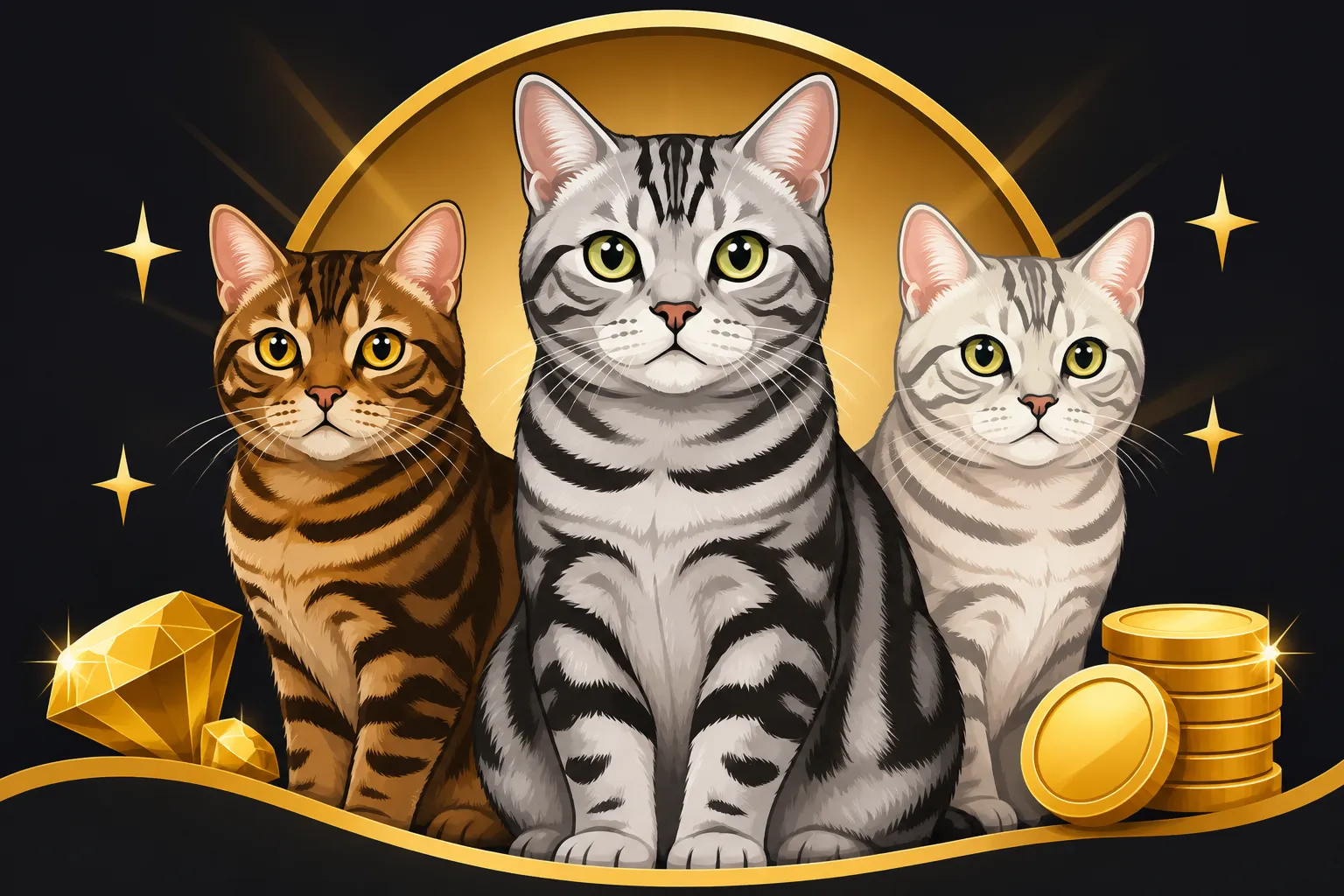
Beyond the classic swirls, mackerel tabbies are also very popular. A mackerel tabby American Shorthair showcases narrow, parallel stripes running down its sides, resembling the skeleton of a fish – hence the name "mackerel." When these stripes are crisp, distinct, and evenly spaced, especially in a desirable color like brown, red, or blue, they can be quite sought after. A well-defined mackerel pattern shows off the American Shorthair's natural, wilder lineage, and breeders dedicated to perfecting this look will price their kittens accordingly. The sharp lines of a good mackerel tabby have a unique appeal to many enthusiasts.
Patched tabbies, often referred to as "tortie tabbies" or "torbies," are another interesting variant. These cats combine the tabby pattern with patches of red or cream color, usually seen in females. A calico American Shorthair, which is a patched tabby with white, can also be quite stunning. The intricate blend of tabby stripes with distinct patches of color makes each patched tabby unique, and a cat with clear, well-distributed patches can be highly valued. While perhaps not reaching the pinnacle of Silver Tabby prices, a truly exceptional brown patched tabby or blue mackerel patched tabby will certainly be on the higher end of the spectrum for American Shorthairs, appealing to those who love a distinct, multi-faceted look.
Solid Colors: The Quiet Elegance
You might not immediately associate the American Shorthair with solid colors, as the tabby patterns are so iconic, but they do exist and can be quite beautiful. Solid black, white, blue, and red American Shorthairs exhibit a quiet elegance, showcasing the breed's sturdy build and gentle expression without the visual "noise" of a pattern. A truly solid color, meaning no tabby ghosting visible even in strong light, is harder to achieve than some might think, especially in breeds with strong tabby genetics. This requires careful and specific breeding choices to ensure the pattern gene is completely suppressed.
For a solid-colored American Shorthair to be considered high-quality, the color must be rich, even, and consistent throughout the coat. Any hint of tabby markings (often called "ghosting") can diminish its value in the show ring, and thus, its price. While solid colors generally won't command the same top-tier prices as a champion Silver Tabby, a perfect, deep black or a luminous white American Shorthair from excellent lines can still be a significant investment, reflecting the breeder's skill in producing such a clean, unpatterned coat. Their understated beauty is truly captivating for those who appreciate it.
Bicolors and Calicos: A Splash of Variety
Bicolor American Shorthairs, featuring solid patches of color on a white background, offer a lovely variation and can also be quite popular. The key to a desirable bicolor often lies in the distribution of the white and colored areas – ideally, a good amount of color, with distinct white markings, perhaps a white muzzle, chest, and paws, in what's known as a "Van" or "Harlequin" pattern, or a more evenly distributed bicolor. The clearer and more balanced the patches, the more desirable the cat. The contrast is what truly makes these cats stand out in a crowd.
Calico American Shorthairs, which are essentially patched bicolors (white with patches of two other colors, typically black/red or blue/cream), are almost exclusively female and are cherished for their unique, patchwork appearance. A calico with clear, vibrant patches and a good distribution of colors can be highly prized for its unique artistry. Again, while these may not always reach the absolute peak price points of the most famous Silver Tabbies, an American Shorthair with a particularly striking and well-defined bicolor or calico pattern will definitely be on the higher side of the price scale, appealing to those who appreciate individuality and vivid color combinations. Each calico cat is truly one-of-a-kind.
Factors Influencing Color-Based Pricing
It's tempting to think that a cat's color alone determines its price, but the reality is far more nuanced. While certain colors, like the Silver Tabby, have an inherent market advantage, their final price is still significantly shaped by a confluence of factors. These include the breeder's dedication, the cat's potential, and even the basic economics of supply and demand in a specific region. Understanding these underlying mechanisms helps explain Why American Shorthair Prices Range So Widely and how color fits into the bigger picture.
Breeder Reputation and Show Potential
The reputation of the breeder is arguably one of the most significant factors influencing an American Shorthair's price, regardless of color. A breeder who has consistently produced champions in the show ring, whose lines are known for excellent health and temperament, and who adheres to the strictest breeding standards, will naturally charge more for their kittens. These breeders invest heavily in their cats – from top-quality food to regular vet check-ups, genetic testing, and ensuring optimal living conditions. Their cats are not just pets; they are ambassadors of the breed.
When a kitten, even one designated as "pet quality," comes from such a distinguished lineage, it carries the potential for superior genetics, a predictable temperament, and robust health. If a kitten also happens to have a highly desirable color and pattern that perfectly meets the breed standard, its price will reflect this combination of impeccable lineage and aesthetic perfection. Kittens deemed to have "show potential" – meaning they could potentially compete and win in cat shows – will always command the highest prices, often regardless of color, though a show-quality Silver Tabby is the ultimate prize in many circles. For those wondering about what an American Shorthair breeder should provide, you'll want to ask Which Questions to Ask an American Shorthair Breeder to gauge their commitment and standards.
Geographical Demand and Availability
Just like real estate, the price of American Shorthair kittens can vary by location. In areas where the breed is particularly popular, or where there are fewer reputable breeders, demand can drive prices up for all colors. Conversely, in regions with many breeders or less overall interest in pedigree cats, prices might be a bit more competitive. The ease of access to quality veterinary care and specialized services can also play a role, as these costs are often factored into a breeder's overhead. A breeder in a rural area might have different overheads than one in a bustling city.
Consider, too, that while certain colors are always in demand nationally, local preferences might slightly shift the market. Perhaps a specific region has a particular fondness for a red mackerel tabby, elevating its price in that localized market. Shipping costs for a kitten from a distant breeder, while not tied to color, can also add a significant amount to the overall expense, making a locally sourced, albeit pricier, kitten sometimes more appealing. Availability, in terms of how many kittens of a particular color are produced in a given season, also creates natural fluctuations in price – scarcity can always drive up demand.
Health Clearances and Guarantees
A crucial, yet often overlooked, component of an American Shorthair's price is the investment in health. Responsible breeders prioritize the well-being of their cats, performing comprehensive health screenings on their breeding stock to ensure they pass on only the healthiest genes. This includes testing for common feline diseases and breed-specific conditions like HCM, as mentioned earlier. The cost of these health clearances, including regular cardiac scans – remember Why an American Shorthair Still Needs a Yearly Heart Scan – and sometimes hip X-rays, is substantial and is naturally reflected in the price of the kitten.
When you purchase a kitten from a breeder who offers health guarantees and can provide documentation of these clearances, you are not just paying for a color or a pedigree; you are investing in peace of mind. This reduces your potential future veterinary bills, and some breeders even offer initial insurance coverage or advice on providers like Healthy Paws, which can help mitigate unexpected costs down the line. A health-tested kitten, regardless of its coat color, represents a better long-term investment, as it's more likely to live a full, healthy life, saving you from significant vet expenses later on. This upfront cost is truly an investment in your cat's future.
Navigating the Market: Smart Choices for Your Budget
Finding your ideal American Shorthair, particularly if you have a specific color in mind, can be an exciting but sometimes daunting journey, especially when budget is a consideration. It's easy to get swept up in the allure of a certain look, but making smart, informed choices can lead you to the perfect companion without necessarily breaking the bank. Remember, the true value of a cat lies in its companionship, not just its price tag or coat color. A loving home for a healthy, well-adjusted cat is the ultimate goal.
Researching Reputable Breeders
The first and most important step in acquiring an American Shorthair, regardless of color preference or budget, is to find a reputable breeder. This cannot be stressed enough. A good breeder will be transparent about their practices, eager to answer your questions, and focused on the health and welfare of their cats above all else. They won't just sell you a kitten; they'll offer ongoing support and advice for the lifetime of your cat. When you consider Whether an American Shorthair Breeder Should Be Visited, it's not just about seeing the kittens; it's about assessing the living conditions, meeting the parent cats, and getting a sense of the breeder's commitment and passion for the breed.
Don't be afraid to ask for references, and always verify their registration with recognized cat associations. A reputable breeder will also be upfront about their pricing structure and explain why certain kittens may cost more. They understand that while a certain color might be desirable, the foundation of health and temperament is what truly matters. They will also advise on essentials, like the right food, which you can often find at places like Chewy, offering a wide selection to suit different needs and budgets, even for a growing kitten's specific nutritional requirements, for instance.
The Value of a "Pet Quality" Cat
For many families, owning a magnificent American Shorthair is the goal, not necessarily showing it in competitions. This is where "pet quality" kittens come into play. A "pet quality" American Shorthair is a purebred cat with all the wonderful traits of the breed – health, temperament, and general appearance – but it may have a minor flaw that disqualifies it from the show ring. This could be something as simple as a pattern marking not being perfectly symmetrical, or an eye color that's slightly off shade from the breed standard, but these imperfections are purely cosmetic and don't affect the cat's health or suitability as a loving family member.
Often, these minor "faults" are imperceptible to the average person, yet they can result in a significantly lower price point compared to a "show quality" kitten. This allows more people to experience the joy of owning a pedigreed American Shorthair without paying the premium for show potential. You're still getting the benefits of a carefully bred cat with a known lineage and health background, just without the expectation of it becoming a champion. This is a fantastic option for families simply seeking a beloved companion.
Considering Older or Retired Breeding Cats
If you're truly flexible on color and age, considering an older American Shorthair can be a wonderful and often more affordable option. Breeders sometimes retire their breeding queens or studs after they've had a few litters, or if they decide to downsize their cattery. These cats are usually spayed or neutered and are looking for loving "forever homes" where they can enjoy a life of pampered retirement. They often come with all their health clearances up to date, are fully socialized, and their personalities are already well-established, removing much of the guesswork inherent in a kitten.
The price for a retired breeding cat is typically much lower than for a kitten, making it an excellent choice for someone on a tighter budget who still desires a purebred American Shorthair. It also gives a deserving cat a second chance at being the sole focus of a family's affection. These adult cats can integrate beautifully into a new home, and their maturity often makes them calmer and more settled than a boisterous kitten. This is a truly rewarding path for many new owners.
Understanding the Color Spectrum and Price Table
To help clarify the general price differences associated with various American Shorthair colors and patterns, let’s look at a general breakdown. It's important to remember these are broad estimates and actual prices will always fluctuate based on the specific breeder, their location, the kitten's individual quality, and market demand at any given time. However, this table should give you a clearer sense of the hierarchy of pricing influenced by coat aesthetics, and why certain colorations stand out in the market.
| Color/Pattern Category | Description | General Price Impact (Relative to Average) | Factors Contributing to Price |
|---|---|---|---|
| Silver Tabby (Classic/Mackerel) | Black markings on a clear, shimmering silver background; most iconic and sought after. | Highest | Historical demand, breed signature, difficulty of perfecting clear pattern/contrast. |
| Brown Tabby (Classic/Mackerel) | Black markings on a rich, warm brown background. | High | Popularity, traditional look, clarity of pattern. |
| Blue Tabby (Classic/Mackerel) | Slate blue markings on a lighter, cooler blue/cream background. | Medium to High | Growing popularity, striking appearance, pattern clarity. |
| Red Tabby (Classic/Mackerel) | Deep red markings on a lighter red or cream background. | Medium to High | Vibrant color, often excellent pattern definition. |
| Patched Tabby (Tortie/Torbies) | Tabby pattern with patches of red/cream color, often with white. (Female only) | Medium to High | Uniqueness of color distribution, vividness of patches. |
| Calico (Patched Bicolor) | White base with distinct patches of two other colors (e.g., black/red, blue/cream). (Female only) | Medium to High | Striking appearance, clear color blocks, distinct from bicolors. |
| Solid Colors (Black, White, Blue, Red) | Uniform color throughout the coat, no tabby markings or ghosting. | Medium | Difficulty of achieving true solidity, richness of hue. |
| Bicolors (Various colors + White) | Two distinct colors, one of which is white, in various patterns. | Medium | Distribution and clarity of colored patches against white. |
| Smoke | Solid color with a white undercoat, visible when fur is parted or cat moves. | Medium | Subtle beauty, quality of silvering, rarity of a good smoke. |
This table illustrates that while other colors are beautiful and cherished, the "halo effect" of the Silver Tabby's iconic status truly drives its premium price. This is deeply tied to the breed's history and its presentation in the show world, as we discussed in Which American Shorthair Colors Cost the Most.
The Long-Term Perspective: Beyond the Initial Price
It's easy to get fixated on the initial purchase price of an American Shorthair kitten, especially when certain colors seem to inflate the cost. However, responsible pet ownership demands a look at the bigger picture: the lifetime cost of caring for your feline companion. A cat's color might dictate the initial outlay, but it certainly won't determine the ongoing expenses of food, vet care, and general well-being over what could be a fifteen to twenty-year lifespan. It's a long-term commitment that requires careful financial planning.
The True Cost of Ownership: A Lifelong Commitment
The purchase price of your American Shorthair, whether it’s a high-priced Silver Tabby or a more modestly priced solid blue, is just the beginning. Over the lifespan of your cat, you'll incur significant costs for high-quality nutrition, regular veterinary check-ups, vaccinations, parasite prevention, and unexpected medical emergencies. Think about Twenty Years of an American Shorthair, Priced Out, and you'll quickly realize that the initial cost is a mere fraction of the total investment. Providing nutritious meals is a recurring expense that far outstrips the one-time kitten fee. These daily needs are consistent regardless of coat color.
Moreover, the breed's generally robust health contributes to its affordability in the long run, but no cat is immune to age-related conditions or unforeseen accidents. This is why having a plan for potential vet bills, perhaps through pet insurance like Healthy Paws, or a dedicated savings fund, is essential. An American Shorthair may be a relatively low-maintenance breed, but neglecting its needs will only lead to higher costs and potentially a shorter, less comfortable life for your beloved companion. Planning for these eventualities is a mark of a truly responsible owner.
Health and Temperament Trump Color Every Time
Ultimately, when choosing an American Shorthair, the color should be a secondary consideration to the cat's health and temperament. A stunning Silver Tabby with underlying health issues or a difficult personality will bring more heartache and expense than joy. Conversely, a well-bred brown tabby with a fantastic disposition and a clean bill of health will be a cherished family member for years to come. Reputable breeders prioritize these core traits, knowing that a healthy, well-socialized cat is the most valuable asset, regardless of its coat. These are the qualities that foster a deep, lasting bond.
Focus on finding a breeder who emphasizes health screenings, provides a clean and stimulating environment, and produces kittens with stable, friendly temperaments. They should be able to tell you about the parents' personalities and how the kittens have been socialized. A cat that is happy, healthy, and well-adjusted will bring immeasurable joy, and that's a value that no price tag or specific coat color can truly capture. Remember that even a low-risk breed like this still benefits from regular check-ups, so knowing How Regularly a Healthy American Shorthair Still Needs Checking is important for any owner, ensuring their long-term well-being.
Disclaimer
This article is for general informational purposes only and does not constitute professional advice. Laws, prices and regulations vary by location and change over time. Consult a qualified professional for guidance on your specific situation.