Adopting an American Shorthair From a Shelter
It’s a common scenario: you’ve fallen in love with the idea of bringing an American Shorthair into your life, perhaps captivated by their calm demeanor, sturdy build, and striking tabby patterns. You start looking for responsible breeders, but then you think, "What about shelters?" Many people hope to find a purebred American Shorthair waiting for them at a local animal shelter, only to find the process isn't quite what they expected. This guide will walk you through the realistic expectations, unique joys, and practical steps involved in adopting a cat from a shelter, especially when you have your heart set on an American Shorthair.
The Allure of the American Shorthair and the Shelter Search
The American Shorthair has earned its well-deserved reputation as a fantastic feline companion. Owners often rave about their gentle nature and robust health, making them a highly sought-after breed. It’s no wonder people specifically seek them out.
Why Many Seek an American Shorthair Specifically
There’s a certain appeal to a cat that embodies both classic beauty and a solid, unflappable personality. The American Shorthair is often celebrated for its pleasant disposition, making it an ideal family pet. They’re known for being affectionate without being overly demanding, playful but not hyperactive, and generally very tolerant of household comings and goings. This balanced temperament is a huge draw for many potential cat parents, especially those with children or other pets. Beyond temperament, their reputation for good health is a significant factor. Unlike some more selectively bred pedigrees, the American Shorthair has a broad genetic base, contributing to fewer inherited health issues. In fact, many in the veterinary and breeding world consider it a benchmark for feline health, which is why you might hear the phrase, "Why the American Shorthair Is Used as a Health Benchmark". This promise of a generally healthy cat that requires less specialized care is incredibly appealing, especially when considering the potential long-term costs of pet ownership. They truly offer a wonderful combination of traits that make them desirable for a wide range of households.
The "American Shorthair" You'll Often Find at a Shelter
Here’s where expectations often meet reality in the shelter world. While you might be specifically looking for an American Shorthair, what you'll most commonly encounter at a shelter are cats labeled "Domestic Shorthair." The crucial distinction lies in pedigree documentation. An American Shorthair is a pedigreed breed with a documented lineage registered with organizations like the Cat Fanciers' Association (CFA). A Domestic Shorthair, on the other hand, is essentially a fancy term for a cat of mixed or unknown ancestry with a short coat. The vast majority of cats in shelters fall into the "Domestic Shorthair" category, regardless of their appearance.
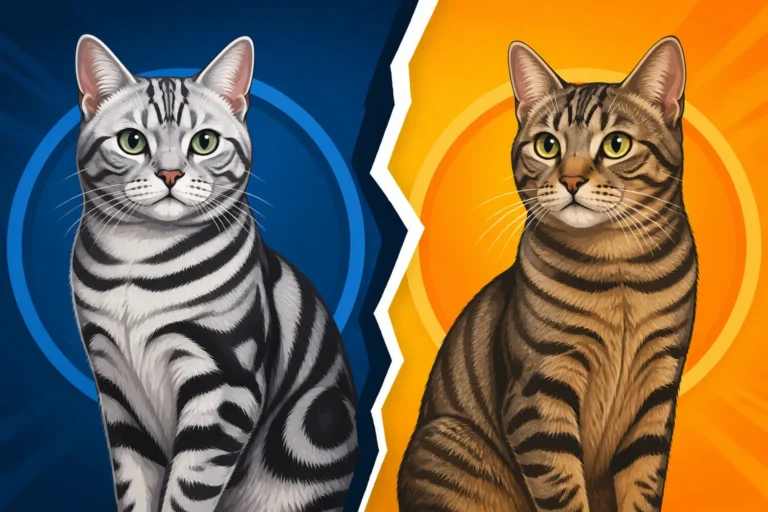
The reason this can be confusing is that many Domestic Shorthairs can look strikingly similar to American Shorthairs. They might have the same sturdy build, round face, and even the classic tabby patterns that are so iconic to the American Shorthair breed. Without papers from a reputable breeder, proving a cat's purebred status is impossible. This means that while a shelter cat might be "American Shorthair type" or look exactly like one, it won't be a registered American Shorthair. This distinction doesn’t diminish the wonderful qualities of a Domestic Shorthair, but it's important to understand when you begin your search. If you’re truly curious about the visual differences, our guide on "How to Tell an American Shorthair From a Random Bred Tabby" might shed some light, but remember, outward appearance alone isn't a guarantee of pedigree.
Understanding Shelter Adoption Processes
Adopting a pet is a deeply rewarding experience, but shelters have a responsibility to ensure their animals go to safe, loving, and permanent homes. This often means a process that can seem thorough, even rigorous, to an eager adopter.
Navigating the Application and Screening
When you decide to adopt from a shelter, you’ll typically be asked to fill out a detailed application. This isn't just busywork; it's the shelter's first step in understanding if you and your household are a good match for the animals in their care. The application often asks about your living situation (do you rent or own?), your experience with pets, other animals in the home, your work schedule, and what you’re looking for in a companion. Be prepared for follow-up questions, and potentially even an interview, either in person or over the phone. Some shelters may also conduct a home visit, especially for certain animals or if you’ve never owned a pet before. The goal of these steps is not to be intrusive, but to minimize the chances of a cat being returned to the shelter. Returns are stressful for the animal and for the shelter staff, so they want to get it right the first time. They’re looking for stability, a genuine commitment to pet ownership, and an understanding of the responsibilities involved. Don't be discouraged by the thoroughness; it shows the shelter truly cares about the well-being of its charges.
The Cost of Adoption Versus Breeder Purchase
One of the most appealing aspects of shelter adoption is the significantly lower upfront cost compared to purchasing a purebred kitten from a breeder. While breeders often charge a premium for their carefully bred and documented American Shorthairs, adoption fees at shelters are typically much more modest. The exact figure can vary widely depending on the shelter, the cat's age, and its specific needs, but it generally covers a range of essential services that would cost hundreds, if not thousands, of dollars if paid for separately.
A typical adoption fee almost always includes:
- Spay/Neuter Surgery: This is a crucial part of responsible pet ownership and population control, and shelters perform this before adoption.
- Initial Vaccinations: Most shelter cats will have received their core vaccinations (like FVRCP – Feline Viral Rhinotracheitis, Calicivirus, Panleukopenia) and often rabies, if age-appropriate.
- Microchipping: This vital identification measure is usually included, giving you peace of mind should your new feline friend ever get lost.
- Deworming and Flea Treatment: Cats arriving at shelters often have parasites, and these are usually addressed before adoption.
- Initial Health Check: A basic veterinary examination is standard to ensure the cat is healthy enough for adoption.
Considering all these inclusions, a shelter adoption fee offers incredible value. Our article "What Adopting an American Shorthair Costs at a Shelter" delves deeper into the specifics of these fees, but generally, you're paying a fraction of what you would for a purebred and getting a healthy, vetted cat in return.
Preparing Your Home for a New Arrival
Bringing a new cat home, especially one from a shelter, requires some preparation to make the transition as smooth as possible for everyone involved. Think of it from the cat's perspective: it's a new environment, new smells, new people, and potentially new routines. A calm, secure setup can make all the difference.
Start by designating a "safe room" for your new cat. This should be a quiet space where they can decompress without feeling overwhelmed. A spare bedroom or even a large bathroom works perfectly. In this room, set up all their essentials: a litter box, food and water bowls, a comfortable bed or cozy hiding spot, and a few toys. Having these things readily available in a confined space helps the cat feel secure and establishes a routine. Ensure the room is cat-proofed – put away anything fragile, toxic, or that could be a choking hazard. For feeding, consider using good quality food, perhaps a brand like Chewy, which offers a wide selection to choose from, allowing you to match what the shelter was feeding or transition slowly to your preferred option. This consistency can help prevent stomach upset during a stressful time. Remember, cats are creatures of habit, and providing a predictable environment will help them settle in much faster. Allow them to explore at their own pace and resist the urge to constantly interact, especially during the first few days. Patience is truly a virtue here.
What to Expect When Adopting a Shelter Cat
Adopting a shelter cat means embracing a certain level of mystery and flexibility. While shelters do their best to provide information, each cat comes with its own history, some of which might be unknown.
The Health Guarantees (or Lack Thereof) from a Shelter
When you adopt from a reputable breeder, especially one focusing on American Shorthairs, you'd typically receive extensive health paperwork, including screening results for specific genetic conditions like HCM (Hypertrophic Cardiomyopathy). With a shelter cat, the "health guarantee" looks different. Shelters provide a foundation of care, but they generally cannot offer long-term health guarantees or extensive genetic testing. They perform essential services to ensure the cat is adoptable, such as:
- General Physical Exam: A veterinarian will check the cat's overall health, listen to their heart and lungs, check their teeth, and assess their coat and eyes.
- Vaccinations: As mentioned, core vaccinations and rabies shots are usually up-to-date.
- FIV/FeLV Testing: Most shelters test for Feline Immunodeficiency Virus (FIV) and Feline Leukemia Virus (FeLV), two common and serious feline diseases. Knowing the status of these is crucial for the health of your new cat and any other cats in your home.
- Deworming and Flea/Tick Treatment: Standard parasite control is administered.
What they generally don't provide are expensive genetic tests or specialized screenings for breed-specific issues that would be common with a purebred animal. This isn't a criticism of shelters; it's simply a matter of resources and the nature of caring for a large population of diverse cats. Therefore, if the exact medical history is paramount to you, "Whether a Rescue American Shorthair's Missing History Matters Here" might be a good read. It’s wise to schedule a follow-up vet visit with your own veterinarian within a week or two of adoption, which allows you to establish a relationship and address any lingering concerns. For peace of mind regarding unexpected health issues, considering pet insurance like Healthy Paws can be a smart move, helping to cover future vet bills.
Temperament and Personality in a Shelter Cat
The wonderful thing about shelter cats is their incredible diversity in personality. Unlike purebreds where breeders strive for predictable temperaments, a shelter cat's personality is a unique blend of genetics, past experiences, and individual quirks. Shelter staff and volunteers spend a great deal of time observing the cats, and they can often give you valuable insights into their typical behavior. They'll tell you if a cat is shy, outgoing, playful, a lap cat, or a "look but don't touch" type.
However, it's also important to remember that a cat's behavior in a noisy, unfamiliar shelter environment might not be a true reflection of their personality in a calm home. A shy cat might blossom into a cuddle bug once they feel safe, while an energetic cat might become a calm companion once they have a consistent routine. They come with untold stories – some might have been strays, others relinquished due to owner circumstances, and some might have experienced neglect or trauma. This means that while staff can offer an educated guess, there can always be surprises. Patience and understanding are key as your new cat adjusts to your home and their true personality emerges. This stands in contrast to purebreds where "What an American Shorthair Pedigree Predicts About Temperament" can give a more reliable roadmap.
Age and Background of Shelter Cats
Shelters are home to cats of all ages, from tiny kittens to wise seniors, each with their own appeal and considerations.
- Kittens: Adopting a kitten is often tempting, and shelters have plenty. Kittens are full of energy, playful, and incredibly cute. They require a lot of socialization, patience for training (especially litter box and scratching post habits), and are a blank slate in terms of personality. They will grow up in your home, learning your routines and bonding deeply. However, they are also more fragile and prone to certain kittenhood illnesses.
- Adult Cats: Adult cats (typically 1-8 years old) are often overlooked, but they make fantastic companions. Their personalities are usually fully developed, so what you see is largely what you get. Many are already litter-trained and past the destructive kitten phase. They can be incredibly grateful for a second chance and often settle into a new home more quickly than a terrified kitten.
- Senior Cats: Adopting a senior cat (9+ years) is a truly compassionate act. These older felines often have the hardest time finding homes, yet they have so much love to give. They are typically calm, enjoy quiet companionship, and are content to nap in a sunbeam. While they might come with some age-related health issues, their medical needs are often manageable, and the bond you form with a senior cat is incredibly special. If you're considering a senior, our article "What Taking On a Senior American Shorthair Costs" provides a realistic look at the financial commitment. Regardless of age, understanding that shelter cats have diverse backgrounds – whether they were strays, abandoned, or surrendered by previous owners – is crucial. This background influences their initial behavior and how quickly they adapt, but with love and patience, they all have the potential to become cherished family members.
Finding an American Shorthair in a Shelter (or an American Shorthair Type)
Setting out to find an American Shorthair at a shelter often means adjusting your search parameters. While a true pedigreed cat might be a rare find, many wonderful cats possess all the endearing qualities and physical characteristics that make the American Shorthair so beloved.
Recognizing American Shorthair Traits in a Mixed Breed
When you visit a shelter, it's helpful to know what physical traits define a purebred American Shorthair. This will allow you to identify cats that look like American Shorthairs, even if they don't come with pedigree papers. Key characteristics to look for include:
- Build: American Shorthairs are medium to large cats with a sturdy, muscular, and well-balanced body. They should feel substantial when you pick them up.
- Head: They have a relatively large head with a full, well-rounded face and prominent cheekbones. The muzzle is typically medium length and square.
- Ears: Medium-sized ears are set moderately apart and slightly rounded at the tips.
- Eyes: Their eyes are large, wide-set, and rounded, giving them an alert, sweet expression. Eye color should typically complement the coat color.
- Coat: The coat is short, dense, and firm to the touch, designed to protect them from the elements. It should feel hard and somewhat coarse, not soft and plush like some other short-haired breeds.
- Pattern: While American Shorthairs come in over eighty different colors and patterns, the classic silver tabby pattern is arguably the most famous and recognizable. Look for distinct, clear markings, whether a mackerel (striped), classic (marbled), or spotted tabby.
The reality is that many Domestic Shorthairs will exhibit some or all of these traits simply due to shared ancestry with the indigenous cat population that formed the basis of the American Shorthair breed. So, while you might not find a registered cat, you can absolutely find a cat that embodies the American Shorthair aesthetic. To deepen your understanding, our post "How to Tell an American Shorthair From a Domestic Shorthair" offers a side-by-side comparison.
Specific Strategies for Shelter Searches
Finding a cat with American Shorthair traits in a shelter requires a proactive approach and a clear understanding of what you're looking for beyond just a "breed label."
- Communicate with Staff: Don't just browse online listings. Go to the shelter and talk to the adoption counselors. Describe the temperament and physical characteristics you admire in the American Shorthair. Explain that you're interested in a "type" of cat rather than necessarily a registered purebred. They spend all day with these cats and can often point you to individuals that fit your criteria, even if they're labeled "Domestic Shorthair."
- Regular Visits and Online Checks: New cats arrive at shelters constantly. If you don't find a match on your first visit, check back regularly or frequently browse their online adoption portal. Many shelters update their available pets daily.
- Expand Your Search Radius: If your local shelter doesn't have what you're looking for, consider looking at shelters in neighboring towns or even across your state. Many shelters list their adoptable pets on national platforms like Petfinder or Adopt-a-Pet.
- Breed-Specific Rescues: While less common for American Shorthairs due to their prevalence, there might be regional breed-specific rescues for pedigree cats. These are usually run by breed enthusiasts who take in purebreds that have been surrendered or found. A quick online search for "American Shorthair rescue [your state/region]" might yield results. This is often where you'd find a true pedigreed American Shorthair if one ever ends up in a rescue situation.
Remember, the goal is to find a loving companion. If you're open to a cat that looks like an American Shorthair, your chances of a successful adoption from a shelter increase dramatically.
Understanding the "American Shorthair Mix" Label
When browsing shelter listings, you might occasionally see a cat described as an "American Shorthair mix." It's important to approach this label with a realistic perspective. In most shelter contexts, "mix" primarily refers to a cat that exhibits some physical characteristics reminiscent of the breed, rather than having a documented partial pedigree.
True purebred cats with registered papers rarely end up in shelters unless they were surrendered by their original owners or a breeder. Even in such cases, the shelter typically wouldn't be able to provide the original papers, though they might have some background information from the previous owner. For the vast majority of "American Shorthair mix" cats, it simply means they have the short, dense coat, sturdy build, and perhaps a classic tabby pattern that makes them visually resemble the breed. They are, in essence, Domestic Shorthairs with strong American Shorthair phenotype (appearance).
This doesn't make them any less wonderful! In fact, it often means you're getting a cat with the genetic diversity and robustness that comes from a mixed background, potentially contributing to good health. The key takeaway is that if you are absolutely set on a cat with verified purebred status and a documented pedigree, a shelter is unlikely to be your primary source. However, if you're looking for a loving companion with the charming looks and personality traits often associated with the breed, then a shelter "American Shorthair mix" or just a well-matched Domestic Shorthair could be your perfect match. Our article, "Whether a Shelter Cat Can Match an American Shorthair", explores this idea further, highlighting the many benefits of embracing these look-alikes.
Post-Adoption Care and Integration
Bringing a new cat home is just the beginning of your journey together. The first few weeks are crucial for helping your new companion adjust to their new life and bond with you and your family.
Settling Your New Cat into Your Home
The transition from a bustling shelter to a quiet home can be a huge adjustment for a cat. A structured approach can minimize stress for everyone.
- The Safe Room: As mentioned earlier, start your new cat in a designated safe room. This gives them a small, manageable space to explore and feel secure before facing the entire house. Keep their food, water, litter box, and a cozy bed in this room.
- Gradual Introductions: Allow your cat to adjust to the safe room for a few days, or even a week, before gradually introducing them to other parts of the house. Open the door to the safe room and let them explore at their own pace. Never force them out.
- Introducing Family Members: Let family members visit the cat in the safe room, one at a time, for short, quiet periods. Encourage gentle interaction and positive reinforcement (treats, soft voices).
- Introducing Other Pets: This requires even more patience. Keep existing pets separate initially. Use scent swapping (exchange bedding or toys) to let them get used to each other's smell. Gradually move to supervised visual introductions through a baby gate or screen door. Our guide on "How to Introduce an American Shorthair Without a Territory Fight" offers valuable tips for a smooth integration with existing cats.
- Establish a Routine: Cats thrive on routine. Try to feed them at the same times each day, play with them regularly, and maintain consistent litter box cleaning. Predictability helps build confidence and security.
Remember, every cat is an individual. Some will settle in within days, others may take weeks or even months. Patience, understanding, and a calm environment are your best tools.
Nutritional Considerations for a Shelter Cat
Proper nutrition is foundational to your new cat's health and well-being. When adopting from a shelter, it’s important to handle their diet with care.
Initially, it's a good idea to continue feeding your new cat the same food they were eating at the shelter, if possible. Ask the shelter staff what brand and type of food they were using. Sudden dietary changes can cause stomach upset, which is the last thing you want for a cat already undergoing a stressful transition. If you plan to switch to a different food, do so gradually over 7-10 days. Mix a small amount of the new food with their old food, slowly increasing the proportion of the new food each day.
When choosing a long-term diet, opt for high-quality cat food that is appropriate for their age, activity level, and any specific health needs. Look for foods with real meat as the first ingredient and avoid excessive fillers. Many reputable companies offer a wide array of high-quality wet and dry cat foods designed for feline nutritional needs. American Shorthairs, with their sturdy build, benefit from a diet that supports muscle mass without encouraging obesity. Our guide, “What an American Shorthair Kitten Should Eat“, provides detailed advice on feeding young American Shorthairs, which can also inform your choices for adult cats. Ensure fresh water is always available. Cats often prefer wide, shallow bowls or even a running water fountain. Proper nutrition will contribute significantly to your cat’s longevity and overall health.
Continued Veterinary Care and Wellness
Bringing a shelter cat home means taking on the responsibility for their ongoing health, which includes regular veterinary care. Even if your cat seemed healthy at the shelter, a visit to your own veterinarian shortly after adoption is crucial.
This initial visit allows your vet to perform a thorough examination, confirm their vaccination status, check for any underlying issues that might have been missed in a busy shelter environment, and establish a baseline for their health. It's also an opportunity to discuss parasite prevention (fleas, ticks, worms), microchip registration, and any behavioral questions you might have. Your vet can advise on the best schedule for routine check-ups, which typically involves annual visits for adult cats, more frequent for kittens and seniors.
Preventive care is key to a long and healthy life. This includes maintaining up-to-date vaccinations, year-round parasite control, and regular dental check-ups, which are often overlooked but incredibly important for overall health. Just like humans, cats can face unexpected illnesses or accidents, and the costs can quickly add up. This is where pet insurance can provide a valuable safety net. Providers like Healthy Paws offer various plans that can help manage veterinary expenses, giving you peace of mind that you can provide the best possible care for your American Shorthair, should a sudden illness or injury occur. Investing in consistent veterinary care is one of the most important commitments you make when you adopt a cat.
The Long-Term Commitment of Shelter Adoption
Adopting a cat isn't just about the initial fee and bringing them home; it's a commitment that can span well over a decade, bringing with it both financial responsibilities and immeasurable emotional rewards.
Financial Realities Over a Cat's Lifespan
While the initial adoption fee is often quite affordable, the true cost of cat ownership unfolds over their entire lifespan. American Shorthairs are known for their longevity, often living 15 to 20 years, meaning you're looking at a significant long-term financial commitment. It's crucial to budget for recurring expenses beyond the upfront adoption cost.
These include:
- Food: High-quality cat food, whether wet, dry, or a combination, is a continuous expense. If you opt for specialized diets or fresh food options (like those found at Chewy or considering specialized brands if they offer cat options), costs can vary.
- Litter: This is a daily necessity and a recurring expense.
- Veterinary Care: Annual check-ups, vaccinations, and parasite prevention are essential. As cats age, they often require more frequent vet visits and potentially costly treatments for age-related conditions like arthritis, kidney disease, or hyperthyroidism.
- Pet Insurance: While an added monthly cost, it can save you significantly in the event of an unexpected illness or injury.
- Toys and Enrichment: Cats need mental and physical stimulation to thrive. Toys, scratching posts, and cat trees are necessary investments.
- Grooming Supplies: Even short-haired cats benefit from occasional brushing, nail trims, and perhaps a specialized comb.
- Pet Sitting/Boarding: If you travel, you'll need to budget for someone to care for your cat.
It’s easy to underestimate these cumulative costs. Our comprehensive breakdown, "Twenty Years of an American Shorthair, Priced Out", gives a clear picture of the full financial journey. Planning for these expenses ensures you can provide a high quality of life for your beloved feline companion throughout their many years with you.
Behavioral Support and Enrichment
Cats, even the calm and adaptable American Shorthair type, require consistent behavioral support and environmental enrichment to stay happy and well-adjusted. Simply providing food and shelter isn't enough; their innate instincts need outlets.
Shelter cats, especially, may come with past experiences that manifest as behavioral quirks. Some might be shy and hide for weeks, others might be overstimulated and prone to scratching, and some might even have litter box issues if they've experienced stress or poor hygiene in the past. It’s important to address these issues with patience, understanding, and positive reinforcement, rather than punishment. Consulting with your veterinarian or a feline behaviorist can be invaluable.
Enrichment is critical for all cats, particularly those living indoors. This means providing opportunities for them to express their natural behaviors:
- Hunting Simulation: American Shorthairs retain a strong prey drive. Engage them with wand toys that mimic the hunt-catch-kill sequence. Puzzle feeders can also make them "work" for their food, satisfying their natural foraging instincts. Our article, "What an Indoor American Shorthair Does With a Mouser's Instinct", offers great ideas.
- Vertical Space: Cats love to climb and observe their territory from high vantage points. Provide cat trees, shelves, or secure window perches.
- Scratching Outlets: Offer a variety of scratching posts (sisal, cardboard, vertical, horizontal) to save your furniture and allow them to maintain healthy claws.
- Safe Spaces: Ensure your cat has quiet spots where they can retreat and feel secure, whether it’s a cat tunnel, a cozy bed, or a high perch.
- Playtime: Regular, interactive playtime with you is essential for bonding and burning off energy.
By investing in proper enrichment and being prepared to offer behavioral support, you’ll help your American Shorthair thrive and strengthen your bond.
The Emotional Rewards of Adoption
Beyond the practicalities and financial considerations, the emotional rewards of adopting a shelter cat, especially one you’ve specifically sought out, are immense and deeply fulfilling. There’s a unique joy in offering a second chance to an animal that truly needs a home.
Many shelter cats arrive with a past that may include uncertainty, neglect, or abandonment. Witnessing a once-shy, nervous cat blossom into a confident, loving companion in your home is one of the most gratifying experiences a pet owner can have. The bond you form with a rescue animal often feels incredibly special, built on trust, patience, and mutual respect. These cats seem to understand that you've given them a new life, and they often repay that kindness with boundless affection and loyalty.
Choosing to adopt means you're not only gaining a cherished family member but also making a significant difference in the lives of countless other animals. Every adoption frees up space in a shelter, allowing them to rescue another cat in need. It's a powerful act of compassion that resonates far beyond your own household. So, while finding a purebred American Shorthair in a shelter might be a long shot, finding a deserving, loving cat with all the best qualities of the breed — or even entirely new, wonderful traits — is almost guaranteed. The journey of adoption is a testament to the transformative power of love and a true gift for both you and your new feline friend.
Adoption vs. Breeder Purchase: A Quick Comparison
To help clarify the differences we've discussed, here's a brief comparison between adopting a cat from a shelter (likely a Domestic Shorthair resembling an American Shorthair) and purchasing a registered American Shorthair from a reputable breeder.
| Feature | Shelter Adoption (Domestic Shorthair "Type") | Breeder Purchase (Registered American Shorthair) |
|---|---|---|
| Initial Cost | Typically much lower, covering basic vet care, spay/neuter, microchip. | Significantly higher, reflecting breeding efforts, health testing, and pedigree. |
| Pedigree Proof | Generally none. Cat is a Domestic Shorthair by definition, even if breed-like. | Full pedigree papers, registration with cat associations (e.g., CFA). |
| Health Info | Basic vet check, FIV/FeLV testing. Limited or no genetic health history. | Extensive health screenings of parents, genetic tests, health guarantees. |
| Temperament Info | Based on observation in shelter; can change significantly in a home environment. | Predictable breed temperament, though individual variation always exists. |
| Availability | High likelihood of finding a cat with American Shorthair looks and traits. | Requires waiting lists, careful breeder selection; not immediately available. |
| Age Range | Kittens to seniors, with many adult options. | Primarily kittens, occasionally retired breeding adults. |
| Impact | Giving a home to a cat in need, freeing up shelter space. | Supporting responsible breeding practices and the preservation of the breed. |
| Pre-Vet Care | Spay/neuter, initial vaccinations, microchip usually included in fee. | Kitten usually leaves breeder with initial vaccinations and vet checks. |
Disclaimer
This article is for general informational purposes only and does not constitute professional advice. Laws, prices and regulations vary by location and change over time. Consult a qualified professional for guidance on your specific situation.