Why an Old American Shorthair Loses Muscle First
It’s a heartbreaking moment for any cat owner when you start to notice that your once robust and energetic American Shorthair, a breed known for its sturdy build and solid muscle, is beginning to look a little… bonier. You might observe a subtle loss of that characteristic square frame, or perhaps feel prominent hip bones and shoulder blades that weren't there before. This guide will walk you through why our beloved older American Shorthairs tend to lose muscle mass before fat, what health issues contribute to this, and crucial steps you can take to help them maintain their strength and vitality as they age.
Understanding Sarcopenia in Feline Aging
As our American Shorthairs gracefully move into their golden years, typically starting around age 10-12, their bodies undergo natural changes. One of the most significant, and often overlooked, is sarcopenia – the age-related loss of muscle mass, strength, and function. It's not just about looking thinner; it's a fundamental shift in their physiology that impacts their overall health and quality of life.
The Natural Progression of Muscle Loss Sarcopenia
Sarcopenia is a slow, insidious process that can creep up on you and your feline friend. For a breed like the American Shorthair, celebrated for its solid, muscular physique and working heritage, this muscle loss can be particularly disheartening to witness. You might initially chalk up their reduced jumping ability or reluctance to climb the cat tree to simply "slowing down" or "getting old." However, sarcopenia is more than just reduced activity; it's a medical condition.
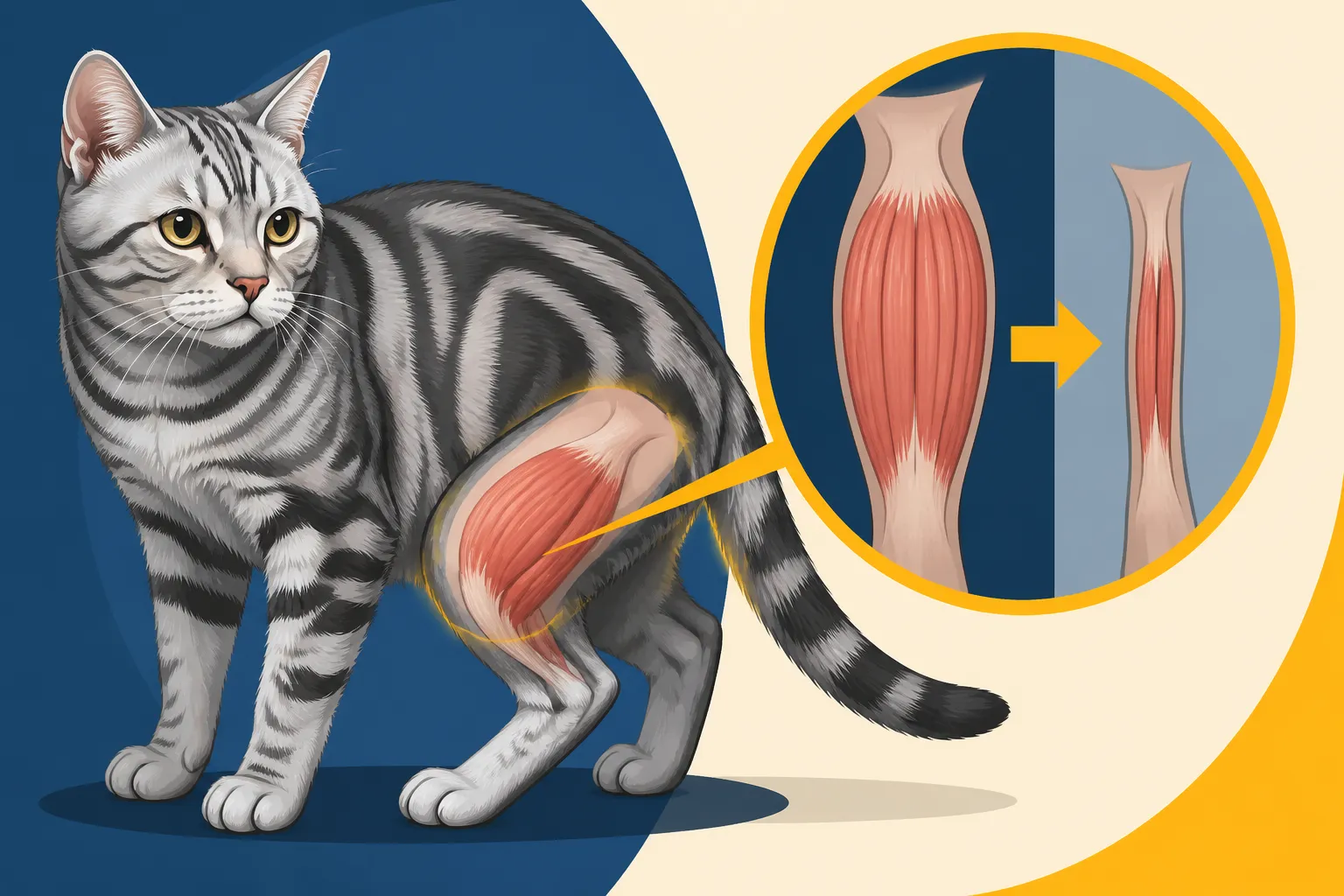
Physiologically, sarcopenia involves a decrease in the number and size of muscle fibers, particularly the fast-twitch fibers responsible for power and strength. Alongside this, there's a reduced rate of protein synthesis – the body's ability to repair and build new muscle tissue – and an increase in protein breakdown. To add insult to injury, fat can begin to infiltrate existing muscle tissue, further diminishing its functional capacity. This isn't merely a cosmetic change; it profoundly impacts their strength, balance, coordination, and even their metabolism, making them more susceptible to injuries and less resilient to illness.
Why Muscle Goes Before Fat in American Shorthairs
This is a critical distinction that many cat owners, understandably, find confusing. We often associate weight loss with fat loss, but in aging cats, especially American Shorthairs, muscle often diminishes first. The reason lies in the unique metabolic needs of felines. Cats are obligate carnivores, meaning their bodies are hardwired to run on protein. Their metabolism is constantly primed to break down protein for energy, a process called gluconeogenesis.
When an older cat's caloric intake dips, whether due to a reduced appetite, dental pain, or an underlying illness that increases metabolic demand, their body turns to its most readily available protein source: muscle. Unlike humans, who might burn through fat reserves more readily, a cat's system is less efficient at mobilizing fat for energy in a pinch. It prefers to cannibalize its own muscle tissue, rich in amino acids, to meet its immediate energy needs. This explains why an old American Shorthair can appear to be losing condition and muscle mass even if they still seem to have some fat around their belly or are not drastically underweight overall. The subtle, yet significant, loss of muscle can easily be missed if you're only tracking their overall weight rather than their body condition score, which assesses muscle mass.
Underlying Health Conditions That Accelerate Muscle Loss
While sarcopenia is a natural part of aging, several common health issues in older American Shorthairs can significantly accelerate and exacerbate muscle wasting. Identifying and managing these conditions is paramount to preserving their muscle mass and extending their active years.
Chronic Kidney Disease and Its Impact
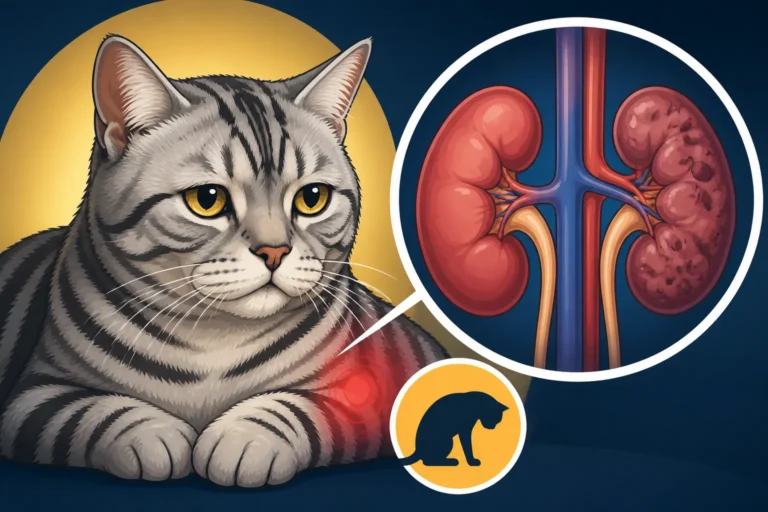
Chronic Kidney Disease (CKD) is an unfortunately prevalent condition in older cats, and it's a major culprit in muscle wasting. As the kidneys lose their ability to filter waste products from the blood efficiently, toxins build up in the cat's system. This uremic state often leads to nausea, a decreased appetite, and general malaise. When an American Shorthair eats less, its body is forced to break down muscle protein for energy, as we discussed.
Beyond reduced appetite, advanced kidney disease can also lead to actual protein loss in the urine, known as proteinuria. This directly depletes the body's protein stores, further contributing to muscle atrophy. The anemia that often accompanies CKD also reduces oxygen delivery to tissues, including muscles, impairing their function and health. It’s a vicious cycle where kidney disease weakens the cat, leading to less activity and appetite, which in turn fuels muscle loss. Recognizing How Kidney Disease Creeps Up on an Old American Shorthair early through regular vet check-ups, including blood and urine tests, is critical to implementing dietary management and supportive care that can slow its progression and mitigate muscle loss.
Hyperthyroidism Masking Muscle Wasting
Hyperthyroidism, an overactive thyroid gland, is another common endocrine disorder in senior cats that can trick owners into thinking their cat is doing well, while muscle mass is rapidly declining. Cats with hyperthyroidism often develop a ravenous appetite and may even lose weight despite eating more than ever. This can be incredibly confusing for owners who see their cat voraciously devouring food yet becoming thinner.
The thyroid hormones regulate metabolism, and an excess of these hormones acts like a constant accelerator, dramatically increasing the cat's metabolic rate. While they might be consuming a lot of calories, their body is burning through them at an unsustainable pace, including breaking down muscle protein for energy. The cat becomes hyperactive and restless, further expending energy and preventing muscle repair and growth. This is a classic example of why an American Shorthair can be "wasting away" internally while appearing energetic and hungry. Understanding Why Hyperthyroidism Catches a Long Lived American Shorthair is key, as once diagnosed, it's often manageable with medication, special diets, or other treatments that can stabilize metabolism and allow for muscle recovery.
Arthritis and Pain-Related Inactivity
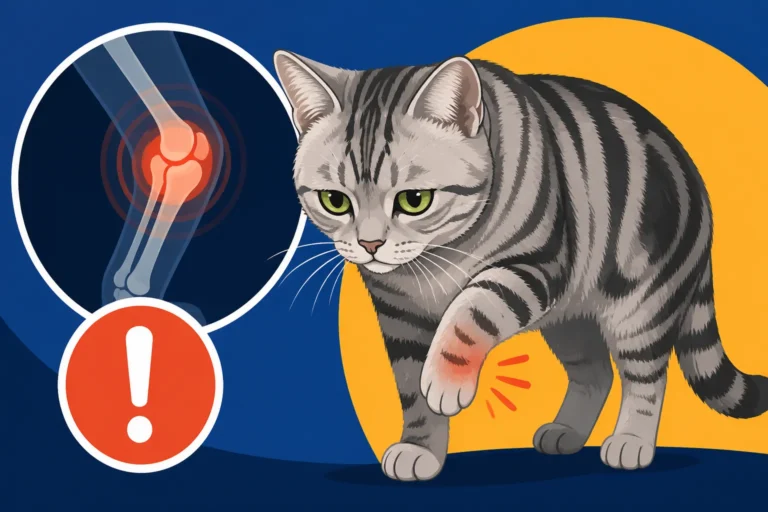
Our sturdy American Shorthairs, with their strong, square builds, are certainly not immune to the aches and pains of aging, especially arthritis. Degenerative joint disease is incredibly common in older cats, and while they are masters at hiding discomfort, joint pain profoundly impacts their mobility and willingness to move. You might notice your American Shorthair hesitating before jumping, preferring lower spots, or simply being less active. For more insights, learn about How an Old American Shorthair Shows Its Joints Hurt.
When movement becomes painful, cats naturally reduce their activity. This reduced use of muscles leads directly to disuse atrophy. Muscles that aren't regularly challenged and worked will weaken and shrink. What's particularly challenging with a stoic breed like the American Shorthair is their tendency to conceal pain, a survival instinct that means they often don't cry out or limp noticeably until the pain is severe. This can lead to significant muscle loss before an owner even realizes their cat is uncomfortable. This is why Why a Stoic American Shorthair Hides Pain the Longest is a crucial consideration. Regular veterinary assessments, even if your cat isn't overtly painful, can help detect subtle signs of arthritis, allowing for early pain management and strategies to encourage gentle movement.
Dental Disease and Nutritional Intake
Dental disease, specifically periodontal disease and tooth resorption, is one of the most common and quietly debilitating problems affecting older cats. Imagine trying to eat your favorite meal with a throbbing toothache or exposed nerves. That's what many cats experience silently. The pain from infected gums, loose teeth, or painful lesions can make chewing excruciating.
Even if your American Shorthair wants to eat, the sheer discomfort can prevent them from consuming enough food to meet their nutritional needs. This reduced food intake directly impacts calorie and protein absorption, forcing the body to break down muscle for energy. It's a leading cause of unintentional weight and muscle loss in seniors. Many owners are shocked at the extent of dental issues found during a routine check-up because cats are so adept at hiding oral pain. The insidious nature of Why an American Shorthair Loses Teeth Nobody Noticed means that by the time you see visible signs like drooling or pawing at the mouth, the disease is often advanced. Regular dental check-ups and professional cleanings are essential not only for oral hygiene but also for ensuring your senior cat can eat comfortably and maintain vital muscle mass.
Nutritional and Lifestyle Factors Contributing to Muscle Decline
Beyond specific diseases, the everyday choices we make regarding our American Shorthair's diet and environment play a huge role in whether they maintain their muscle mass or succumb to age-related decline. For a breed that once "worked for its meals," these factors are even more pertinent.
The Critical Role of Protein in the Older Cat's Diet
This is where a common misconception can actually harm our older American Shorthairs. For years, the conventional wisdom was to reduce protein in senior cat diets, often out of a concern for kidney health. However, recent research has overturned this. Healthy older cats actually require more high-quality, highly digestible protein than their younger adult counterparts to combat sarcopenia. Their bodies become less efficient at utilizing protein as they age, so they need a higher intake to maintain muscle mass.
Feeding a diet that is too low in protein, especially if your American Shorthair doesn't have diagnosed kidney disease requiring a therapeutic low-protein diet, can accelerate muscle loss. We're talking about diets that prioritize animal-based protein sources, like chicken, turkey, or fish, which provide the essential amino acids cats need. The goal isn't just "food," but nutrient-dense fuel specifically formulated to support aging feline musculature. Always discuss your senior cat's dietary needs with your veterinarian to ensure you're striking the right balance.
Maintaining Activity and Environmental Enrichment
Just like with people, use it or lose it applies to muscle. Even though an older American Shorthair may naturally slow down, maintaining some level of consistent, gentle activity is incredibly important for muscle preservation. This doesn't mean forcing them into vigorous play if they're not up to it. Instead, think about modifications to their environment that encourage safe, comfortable movement.
Consider adding ramps to help them reach favorite high spots like windowsills or beds without strenuous jumps. Ensure their litter box has lower sides for easier entry and exit, and elevate their food and water bowls to reduce strain on their neck and joints. Short, regular play sessions with a wand toy can still engage their hunting instincts and provide gentle exercise. The key is to encourage movement without causing pain or overexertion. Providing When a Stiff American Shorthair Needs Joint Support can also significantly improve their comfort and willingness to move. Remember, even a little movement each day can make a big difference in slowing muscle atrophy and maintaining their quality of life.
The Importance of Regular Vet Check-ups and Monitoring
One of the greatest challenges of caring for an aging American Shorthair is that they are incredibly stoic, often hiding signs of illness until a condition is quite advanced. This makes regular veterinary check-ups absolutely non-negotiable for senior cats. Subtle changes in behavior, appetite, or activity level that you might dismiss as "just aging" could be early indicators of underlying health problems that are contributing to muscle loss. If you notice a change in their usual routine, even a slight withdrawal, it's worth a trip to the vet, as Why a Withdrawn American Shorthair Should See a Vet is an important consideration.
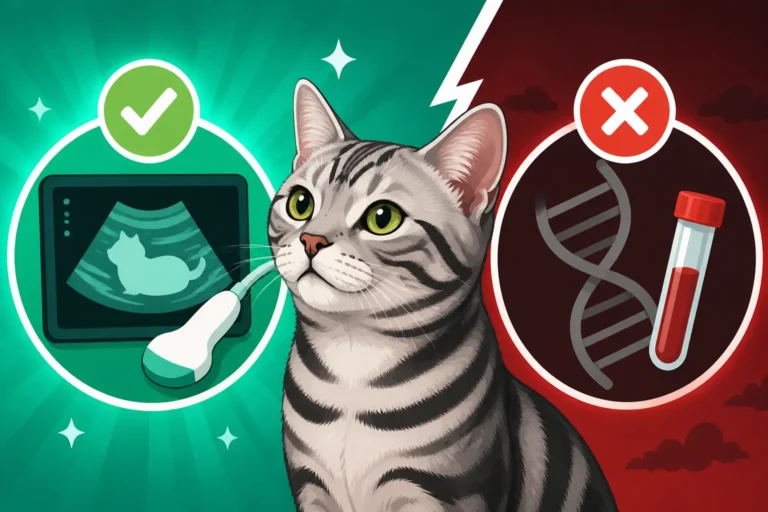
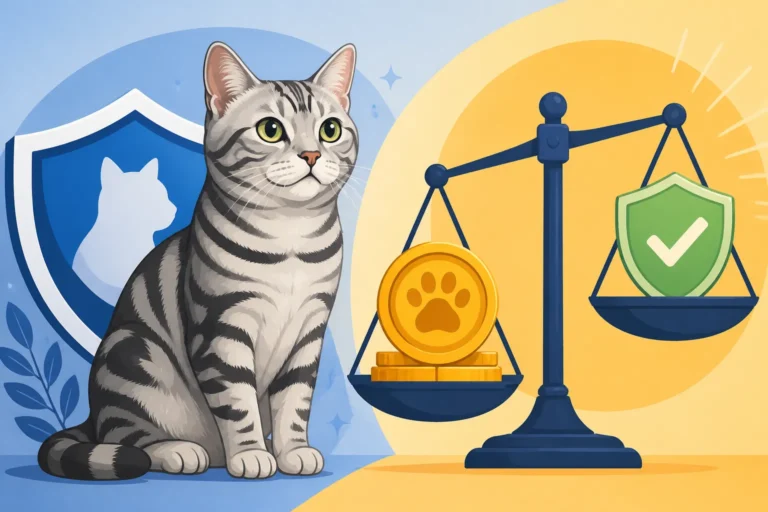
Annual, or even bi-annual, senior check-ups should include comprehensive physical exams, bloodwork to screen for conditions like kidney disease and hyperthyroidism, and urinalysis. Your vet can assess their body condition score, which is a more accurate measure of muscle mass than just weight alone. Tracking your American Shorthair's weight at home weekly or bi-weekly is also crucial, as Why an Old American Shorthair's Weight Should Be Tracked helps identify trends before they become serious problems. Discussing proactive measures, including potential costs, with your vet and considering pet insurance plans like those offered by Healthy Paws can help ensure you're prepared to manage any health challenges that arise, covering everything from diagnostic tests to ongoing treatments.
| Symptom | Muscle Loss (Sarcopenia) | General Aging (Often Masking Sarcopenia) |
|---|---|---|
| Appearance | Bony protrusions (hips, shoulders, spine), sunken temples, reduced "square" body shape. | Greying fur, clouding eyes, slightly duller coat. |
| Mobility | Difficulty jumping, hesitates to climb, walks with less vigor, struggles with stairs. | Slows down, sleeps more, less interested in vigorous play. |
| Strength | Less powerful jumps, struggles to stand after lying down, reduced grip strength. | Reduced stamina, tires easily. |
| Weight | Overall weight might be stable or only slightly reduced, but muscle mass is clearly diminished. | Weight loss can occur, often due to underlying conditions, but not always primarily muscle. |
| Appetite | Can be normal, decreased, or even ravenous (e.g., hyperthyroidism). | Often stable, unless dental pain or illness. |
| Body Condition Score (BCS) | Muscle wasting palpable despite potentially adequate fat covering. | Fat reserves may decrease, or increase if overweight. |
Proactive Steps to Support Muscle Health
While age-related muscle loss is inevitable to some degree, there are many proactive steps you can take as a dedicated American Shorthair owner to minimize its impact and support your cat's muscle health, allowing them to enjoy their senior years with comfort and vitality.
Dietary Adjustments for Muscle Preservation
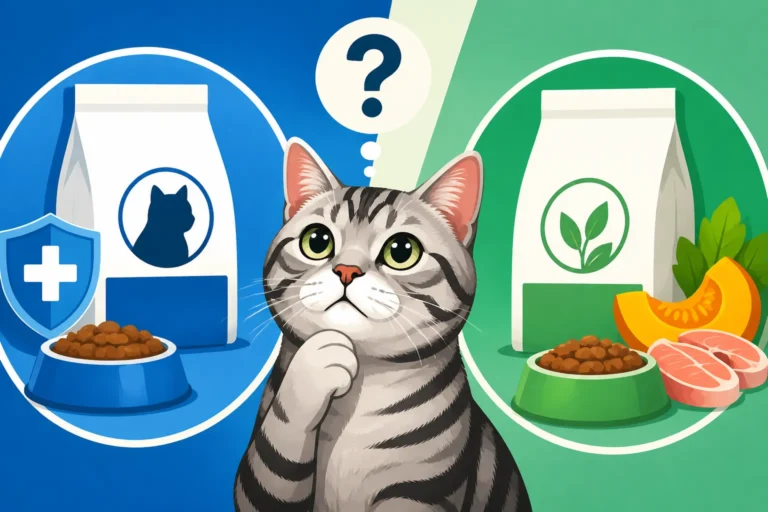
Nutrition is arguably the most powerful tool we have in combating sarcopenia. As we discussed, older American Shorthairs, if kidney-healthy, often need more high-quality protein, not less. Look for senior-specific cat foods that list a high percentage of animal-based protein as the first few ingredients. Your veterinarian can help you evaluate specific brands and formulations, potentially recommending therapeutic diets designed for muscle support in aging cats.
Beyond protein, ensuring adequate caloric intake is vital. If your cat's appetite is waning due to age or mild discomfort, consider warming their food slightly to enhance its aroma, offering multiple small meals throughout the day instead of one or two large ones, and trying different textures or flavors of wet food. Wet food also adds crucial hydration, which benefits overall health, especially kidney function. In some cases, your vet might prescribe an appetite stimulant to help ensure they're eating enough. Don't forget that even treats can contribute to their daily calorie and protein intake, so choose wisely!
Veterinary Interventions and Management
The most effective way to manage muscle loss is to address any underlying health conditions. This means sticking to your regular vet check-ups and following through with any diagnostic tests or treatments recommended. If your American Shorthair is diagnosed with hyperthyroidism, appropriate medication or other therapies will stabilize their metabolism and halt the muscle breakdown. For kidney disease, specific prescription diets and supportive care can slow its progression and minimize protein loss.
Pain management for arthritis is critical. Your vet can prescribe anti-inflammatory medications, joint supplements, or even suggest therapies like cold laser or acupuncture to improve comfort and encourage movement. This, in turn, helps maintain muscle mass. Regular dental care is also paramount. Many older cats require professional dental cleanings and extractions to alleviate pain and ensure they can eat properly. Thinking ahead about the potential financial implications of these interventions, which can include What an Old American Shorthair's Medication Bill Reaches, can be managed by a robust pet insurance plan, with providers like Healthy Paws often being a popular choice for comprehensive coverage. Additionally, understanding How Many Dentals an American Shorthair Needs in Twenty Years can help you budget for ongoing preventative care.
Creating a Supportive Home Environment
A comfortable and accessible home environment makes a world of difference for an aging American Shorthair. Ensure their favorite resting spots, food, water, and litter boxes are easily reachable without requiring difficult jumps or climbs. This might mean adding ramps, steps, or simply moving their amenities to a lower level. Provide soft, orthopedic beds that support their aging joints. Learning how to best support them can be found in resources like Caring for an American Shorthair Past Twelve.
Keep stress levels low in the household, as chronic stress can negatively impact a cat's overall health, appetite, and even immune function. Maintain a consistent routine, and if changes are necessary, introduce them gradually. Gentle, consistent interaction and play, tailored to their energy levels, can provide mental stimulation and encourage light physical activity, further supporting muscle tone. Remember, a happy, secure cat is more likely to maintain its physical well-being. Keeping an eye on their weight and ensuring they are close to What an American Shorthair Should Weigh at Its Frame is also crucial, as being underweight can accelerate muscle loss.
Disclaimer
This article is intended for informational purposes only and does not constitute veterinary advice. Always consult with a qualified veterinarian for any health concerns or before making any decisions about your pet's medical care or diet.