Whether an Outdoor American Shorthair Needs the FeLV Vaccine
Bringing your beloved American Shorthair home and watching them explore the great outdoors can fill you with joy, but it also opens up a world of worries about their health and safety. One significant concern that often weighs on a cat parent's mind is protecting their adventurous feline friend from serious diseases, especially Feline Leukemia Virus (FeLV). It’s a completely valid question to wonder if your outdoor American Shorthair truly needs the FeLV vaccine, or if it's an unnecessary shot. This comprehensive guide will walk you through everything you need to know to make an informed decision for your unique cat.
Understanding Feline Leukemia Virus FeLV and Transmission
Feline Leukemia Virus, or FeLV, is a serious and often fatal retrovirus that affects cats worldwide. As a cat owner, hearing about any viral disease can be scary, and FeLV is definitely one to take seriously due to its severe implications for a cat's immune system and overall health. It's not something you want your sturdy American Shorthair to encounter if you can help it. The virus can lead to various diseases, including different types of cancer, severe anemia, and a compromised immune system that leaves cats vulnerable to secondary infections. It's a silent threat that can significantly shorten a cat's lifespan, transforming an otherwise robust feline into one facing chronic health battles.
How FeLV Spreads Among Cats
The primary way FeLV spreads is through prolonged, close contact between cats. This isn't just a quick sniff and move on; we're talking about intimate interactions. The virus is shed in the saliva, nasal secretions, urine, feces, and milk of infected cats. So, picture an outdoor American Shorthair engaging in typical cat behaviors: sharing food bowls, mutual grooming sessions, or even fighting. These are all prime opportunities for transmission. For example, a common scenario is an infected cat biting another during a territorial skirmish – the saliva exchange is a direct route for the virus to enter the bloodstream.
Beyond bites, simply sharing a water bowl or a litter box in a multi-cat household can facilitate transmission, though this usually requires more extended sharing and a higher viral load. Kittens can also contract FeLV from an infected mother through gestation or nursing. The bottom line is, any activity that involves sharing bodily fluids, especially saliva, is a risk factor.
Why Outdoor Cats Face Higher Risk
It probably goes without saying, but outdoor cats are inherently at a much higher risk of exposure to FeLV compared to their indoor counterparts. Why? Because the outside world is an uncontrolled environment where you simply cannot monitor every interaction your American Shorthair has. They encounter other cats regularly – strays, feral colonies, neighborhood pets – whose vaccination and health status are completely unknown.
Think about your American Shorthair's natural curiosity and the territory they patrol. They might wander into another cat's feeding area, engage in a standoff, or even get into a full-blown fight. Each of these encounters with an unknown cat carries the risk of disease transmission. The more exposure they have to other cats, the higher the odds that one of those cats might be an asymptomatic FeLV carrier, unknowingly spreading the virus. This constant potential for interaction with the feline population at large makes the outdoor lifestyle a significant risk factor for FeLV. For a deeper dive into the broader dangers, you might want to read about The Risks an Outdoor American Shorthair Takes That an Indoor One Does Not.
The American Shorthair's Outdoor Lifestyle and FeLV Risk
The American Shorthair is a breed known for its robust health, calm demeanor, and surprisingly strong hunting instincts. These traits, while wonderful, can put them directly in harm's way when they live an outdoor life, particularly concerning diseases like FeLV. It’s a classic dilemma: you want your cat to enjoy their natural behaviors, but you also want to keep them safe from unseen threats.
Considering Their Natural Hunting Instincts and Encounters
Centuries of ratting and mousing have honed the American Shorthair’s hunting prowess. They're built for action, with powerful bodies and keen senses that draw them to the thrill of the chase. This means an outdoor American Shorthair isn't just sitting idly in the sun; they are actively patrolling, exploring, and engaging with their environment. While this can be enriching for them, it also means they're constantly encountering other animals, including other cats, as they roam. Whether it's chasing a squirrel across a neighbor's yard or investigating a new scent, their innate curiosity and territorial nature will inevitably lead them into contact with unfamiliar felines.
These encounters aren't always friendly. Even a seemingly placid American Shorthair can get into a scuffle if another cat invades its perceived territory or tries to steal a meal. A quick spat can easily result in a bite wound, which is a direct route for FeLV transmission. Beyond fights, simply marking territory or investigating shared spaces like sheds or under porches can bring them into contact with an infected cat's bodily fluids. It's not just about direct physical contact, but also about shared environments and the potential for indirect transmission. For those curious about the physical tolls, topics like Which Injuries an Outdoor American Shorthair Comes Home With further highlight the dangers.
Evaluating Individual Outdoor Habits
Not all outdoor American Shorthairs are created equal when it comes to risk. The specific habits of your individual cat play a huge role in their potential exposure to FeLV. Do they truly roam far and wide, exploring multiple blocks and interacting with every cat they meet? Or are they more of a "backyard adventurer," sticking close to home and mostly interacting with the occasional squirrel? A cat that primarily stays within your fenced yard and has minimal interaction with other felines will naturally have a lower risk than one that regularly ventures into dense alleyways or known feral cat colonies.
Consider your neighborhood too. Do you live in an urban area with a high population of strays, or a rural setting where cats are more spread out? The density of the local cat population directly correlates with the likelihood of encountering an FeLV-positive cat. Observing your cat's specific patterns, how often they're gone, and where they seem to spend their time can give you valuable clues about their actual risk level. If you're ever worried about their wanderings, knowing How Road Traffic Shortens an Outdoor American Shorthair's Life might make you think twice about unrestricted access.
The Importance of Vaccination Versus Perceived Low Risk
It’s easy to fall into the trap of thinking, "My cat never fights," or "There aren't many stray cats around here." While these perceptions might hold some truth, they often underestimate the real-world risks. A single, brief encounter with an infected cat is all it takes for transmission to occur. FeLV can have a long incubation period, meaning a cat could be infected for months or even years before showing any symptoms, all while potentially shedding the virus and infecting others.
Given the severity of the disease and the unpredictable nature of outdoor life, vaccination offers a crucial layer of protection. It’s an act of preventative care that can safeguard your American Shorthair against a devastating illness, even if the perceived immediate risk feels low. Think of it as an insurance policy for your cat's future health. While brands like Healthy Paws can cover treatment costs if your cat gets sick, prevention is always better. The peace of mind that comes with knowing your adventurous feline is protected from such a serious threat is invaluable.
Making the Vaccination Decision: Pros, Cons, and Considerations
Deciding whether to vaccinate your American Shorthair against FeLV is a significant choice that involves weighing the benefits against any potential drawbacks. It's a discussion best had with your veterinarian, who can provide tailored advice based on your cat's specific lifestyle, health history, and local disease prevalence. However, understanding the general pros and cons can help you prepare for that conversation.
Benefits of the FeLV Vaccine
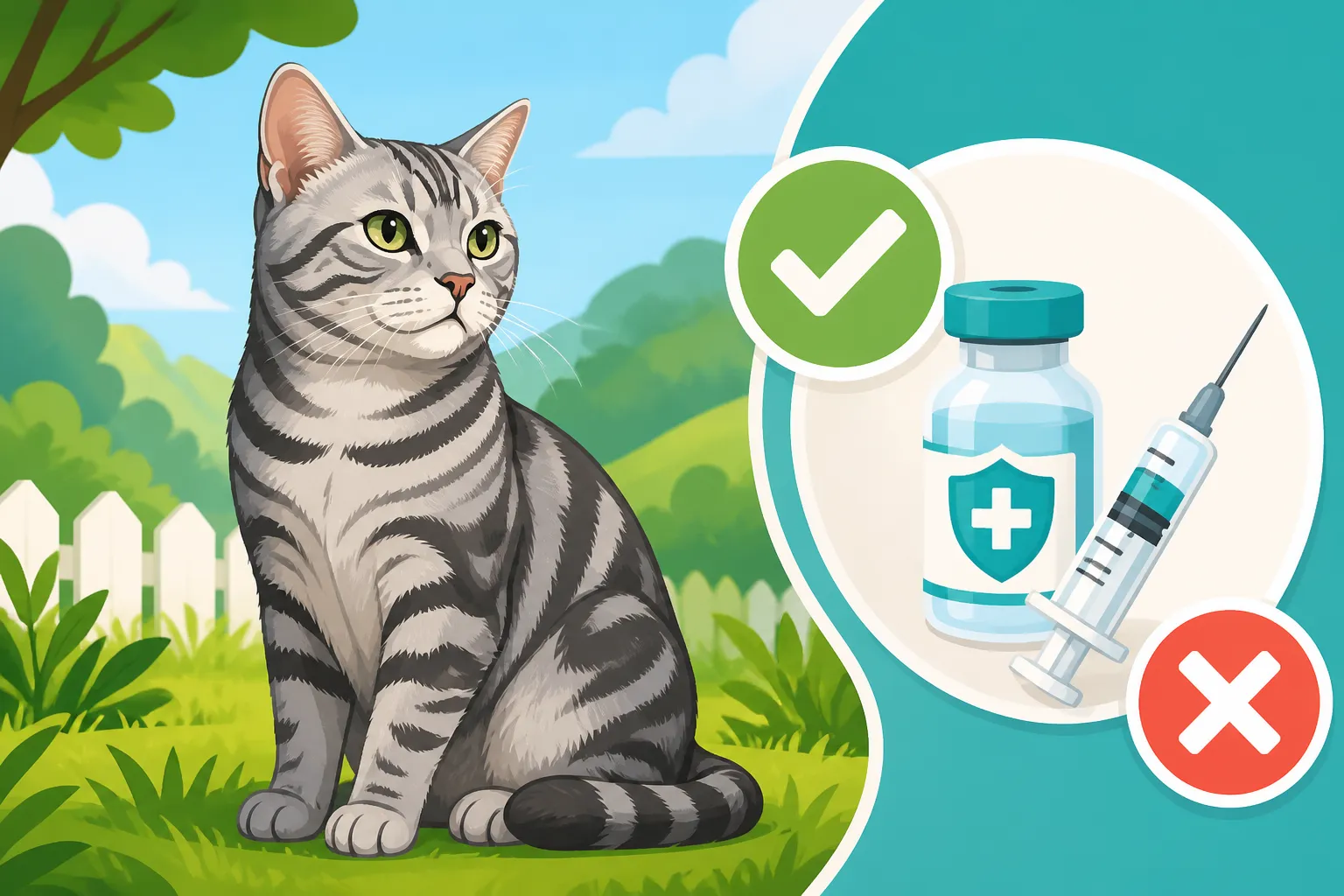
The primary benefit of vaccinating your outdoor American Shorthair against FeLV is robust protection against a potentially deadly disease. The vaccine works by introducing inactivated or altered forms of the virus (or parts of it) to your cat’s immune system, allowing their body to build up antibodies and develop immunity without actually contracting the disease. Should your vaccinated cat then encounter an FeLV-positive cat and be exposed to the virus, their immune system is ready to fight it off, significantly reducing the chances of infection.
This protection is particularly vital for cats that spend any amount of time outdoors, even if it's just supervised backyard excursions. It shields them from the unseen dangers of interacting with unknown felines in the neighborhood. Beyond protecting your own cat, vaccination also contributes to herd immunity, helping to reduce the overall prevalence of FeLV in the broader cat population. It’s a responsible choice that not only benefits your pet but also the community of cats around you.
Potential Side Effects and Concerns
While vaccines are generally safe and effective, no medical procedure is entirely without risk. Most American Shorthairs experience no more than mild, temporary side effects from the FeLV vaccine, such as slight soreness at the injection site, a low-grade fever, or a temporary decrease in appetite and activity. These reactions are typically mild and resolve on their own within a day or two.
A more serious, though extremely rare, concern associated with feline vaccinations is injection site sarcoma (ISS). This is a type of aggressive cancer that can develop at the site where an injection was given. While this risk exists for various vaccines, including FeLV, it's important to emphasize just how rare it is. The estimated incidence is incredibly low, roughly 1 in 10,000 to 1 in 30,000 vaccinations. Many veterinarians and cat health organizations believe the benefits of vaccinating against deadly diseases like FeLV far outweigh this minimal risk, especially for cats with a higher chance of exposure. You might find more reassurance by reading about Why Injection Site Sarcoma Worries an American Shorthair Owner if this is a particular concern for you. Furthermore, advancements in vaccine technology, such as the development of non-adjuvanted vaccines, aim to further reduce this rare risk.
Consulting With Your Vet and Local Prevalence
The most crucial step in making an informed decision about the FeLV vaccine for your American Shorthair is a thorough discussion with your veterinarian. Your vet will consider several factors specific to your cat and your environment. They'll ask about your cat's lifestyle: how much time they spend outdoors, if they interact with other cats, and if you live in an area with a known high prevalence of stray or feral cats. They might even know if other FeLV-positive cats have been identified in your immediate vicinity.
Additionally, your vet will perform a physical examination and may recommend an FeLV test before the first vaccination, especially for adult cats with an unknown history. This is vital because vaccinating an already infected cat won't cure them and could potentially lead to adverse reactions or simply be unnecessary. Knowing What a Full American Shorthair Panel Actually Screens For during a routine check-up can give you a clearer picture of your cat's overall health before proceeding with any specific vaccinations. They can also advise on the best vaccine type and vaccination schedule to minimize risks while maximizing protection. This personalized guidance is indispensable for responsible pet care.
Beyond Vaccination: A Holistic Approach to Outdoor American Shorthair Health
While the FeLV vaccine is a critical tool for protecting your outdoor American Shorthair, it's just one piece of a larger puzzle. Ensuring their overall health and well-being in an outdoor environment requires a comprehensive approach that includes other protective measures, responsible outdoor management, and diligent monitoring.
Other Protective Measures
Vaccination against FeLV doesn't negate the need for other vital health precautions, especially for an outdoor cat. One of the first things your vet will likely discuss is testing for Feline Immunodeficiency Virus (FIV). While distinct from FeLV, FIV is another serious viral infection often associated with outdoor cat fights, as it's primarily spread through bite wounds. Knowing Whether an Outdoor American Shorthair Should Be FIV Tested is essential, as the results will guide further care and management decisions. Many vets recommend testing for both FeLV and FIV simultaneously.
Beyond viral diseases, outdoor American Shorthairs are susceptible to a host of other health issues. Regular parasite control for fleas, ticks, and worms is absolutely critical. They're also at a higher risk for accidental injuries, from minor cuts and scrapes to more severe traumas like fractures or internal injuries. Consistent veterinary check-ups, ideally annually, are non-negotiable. These visits allow your vet to perform a thorough physical exam, address any emerging health concerns, and ensure your cat is up-to-date on all necessary preventive care. This proactive approach helps to catch issues early, keeping your cat healthier for longer. Consider investing in pet insurance from a provider like Healthy Paws, which can help cover unexpected vet bills from these outdoor adventures.
The Role of Responsible Outdoor Access
While we want our American Shorthairs to enjoy the enriching experiences of the outdoors, responsible outdoor access is key to mitigating risks. This isn't about keeping them locked up, but about making smart choices to keep them safer. Supervised outdoor time, such as walks on a harness or access to a secure "catio" (a fully enclosed outdoor enclosure), offers the benefits of fresh air and stimulation without the dangers of free-roaming.
If unsupervised outdoor access is part of your American Shorthair's life, consider limiting their time outside during peak risk hours, such as dawn and dusk when other wildlife (and other cats) are most active. Ensuring they have a safe, warm, and accessible indoor space to retreat to at all times is also crucial. Microchipping your cat is an absolute must for any outdoor feline; it significantly increases the chances of reunion if they get lost or wander too far from home. These simple steps, combined with vaccination, can significantly reduce the hazards associated with an outdoor lifestyle, helping your American Shorthair thrive for years to come. Ultimately, you want to make sure your cat's outdoor adventures don't inadvertently shorten their precious lifespan.
Ongoing Monitoring and What to Watch For
Even with vaccinations and responsible outdoor access, vigilant monitoring of your American Shorthair's health is paramount. Cats are masters at hiding illness, a survival instinct that can make it challenging to spot problems early. After all, a stoic American Shorthair might not show outward signs of pain or discomfort until a condition is quite advanced. Keep a close eye on any changes in their behavior, appetite, drinking habits, or energy levels.
Specifically concerning FeLV, symptoms can be vague and non-specific, including weight loss, poor coat condition, lethargy, persistent fever, chronic infections (respiratory, skin, bladder), and oral disease. If you notice any of these signs, even subtle ones, don't hesitate to contact your veterinarian. Early detection and intervention are always best, whether it's for FeLV or any other health issue. Regular conversations with your vet about your American Shorthair's outdoor activities and any observations you make at home will contribute significantly to their long-term health and happiness.
| Feature / Risk Factor | Indoor American Shorthair | Outdoor American Shorthair |
|---|---|---|
| FeLV Exposure Risk | Very Low | High (due to interactions with unknown cats) |
| FIV Exposure Risk | Very Low | High (primarily via bite wounds) |
| Parasite Exposure | Low (though still possible) | High (fleas, ticks, worms, ear mites) |
| Accidental Injury | Low | High (traffic, falls, animal attacks, getting lost) |
| Vaccine Recommendation | Often optional (FeLV) | Strongly recommended (FeLV), plus core vaccines and potentially others |
| Life Expectancy | Generally Longer | Generally Shorter (due to increased risks) |
| Annual Vet Visits | Recommended | Essential (at least annually, possibly more) |
Disclaimer
This article is intended for informational purposes only and is not a substitute for professional veterinary advice. Always consult with your veterinarian for any health concerns or before making decisions about your pet's care, including vaccinations.