Which Bladder Stones an American Shorthair Forms
Few things are more alarming than noticing your cherished American Shorthair struggling in the litter box, or worse, finding little puddles outside of it. It’s a gut-wrenching moment that often signals a deeper issue than just a behavioral quirk. For many cat owners, this can be the first sign that their beloved feline might be dealing with urinary tract problems, specifically the painful and potentially dangerous formation of bladder stones. Understanding these frustrating issues is crucial for any American Shorthair parent.
The Frightening Reality of Feline Urinary Issues
Urinary problems in cats, often grouped under the umbrella term Feline Lower Urinary Tract Disease (FLUTD), are unfortunately quite common, and our sturdy American Shorthairs are no exception. This isn't a simple inconvenience; it's a serious health concern that can cause significant discomfort and, in male cats, become life-threatening if blockages occur. You might find yourself wondering why your otherwise healthy, robust cat is suddenly showing signs of distress. It's important to remember that cats are masters at hiding pain, a remnant of their wild ancestors needing to appear strong to avoid predators. So, by the time you notice something is truly amiss, the problem might be quite advanced.
What is Feline Lower Urinary Tract Disease (FLUTD)?
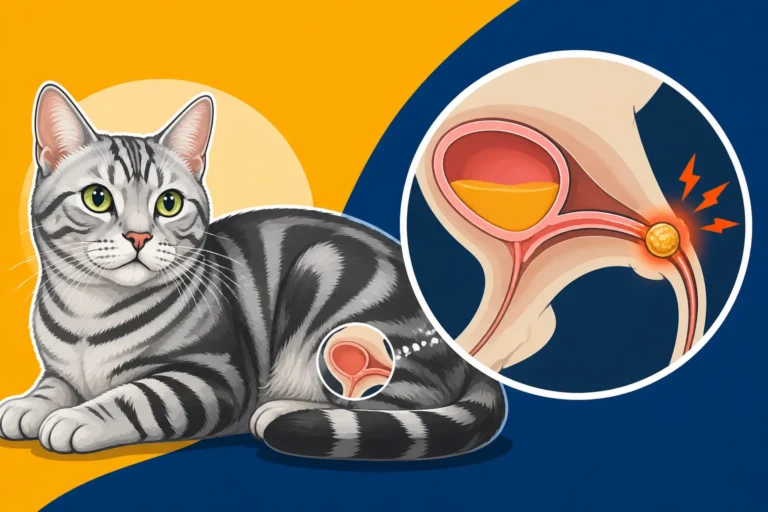
FLUTD isn't a single diagnosis; it's a collection of conditions that can affect your cat's bladder or urethra. Think of it as a syndrome rather than a specific disease. Symptoms can include frequent urination, straining to urinate (which can easily be mistaken for constipation), crying out in the litter box, blood in the urine, and urinating in inappropriate places around the house. When you see your American Shorthair repeatedly going to the litter box but producing little to no urine, or hear their pained meows, it's an immediate red flag. It’s a situation where time is of the essence, especially if you notice that your male American Shorthair is exhibiting these signs, as it can quickly lead to a blocked urethra. Prompt veterinary attention is crucial, because a male American Shorthair's urethra blocks first, and this is a medical emergency.
How Bladder Stones Fit Into the Picture
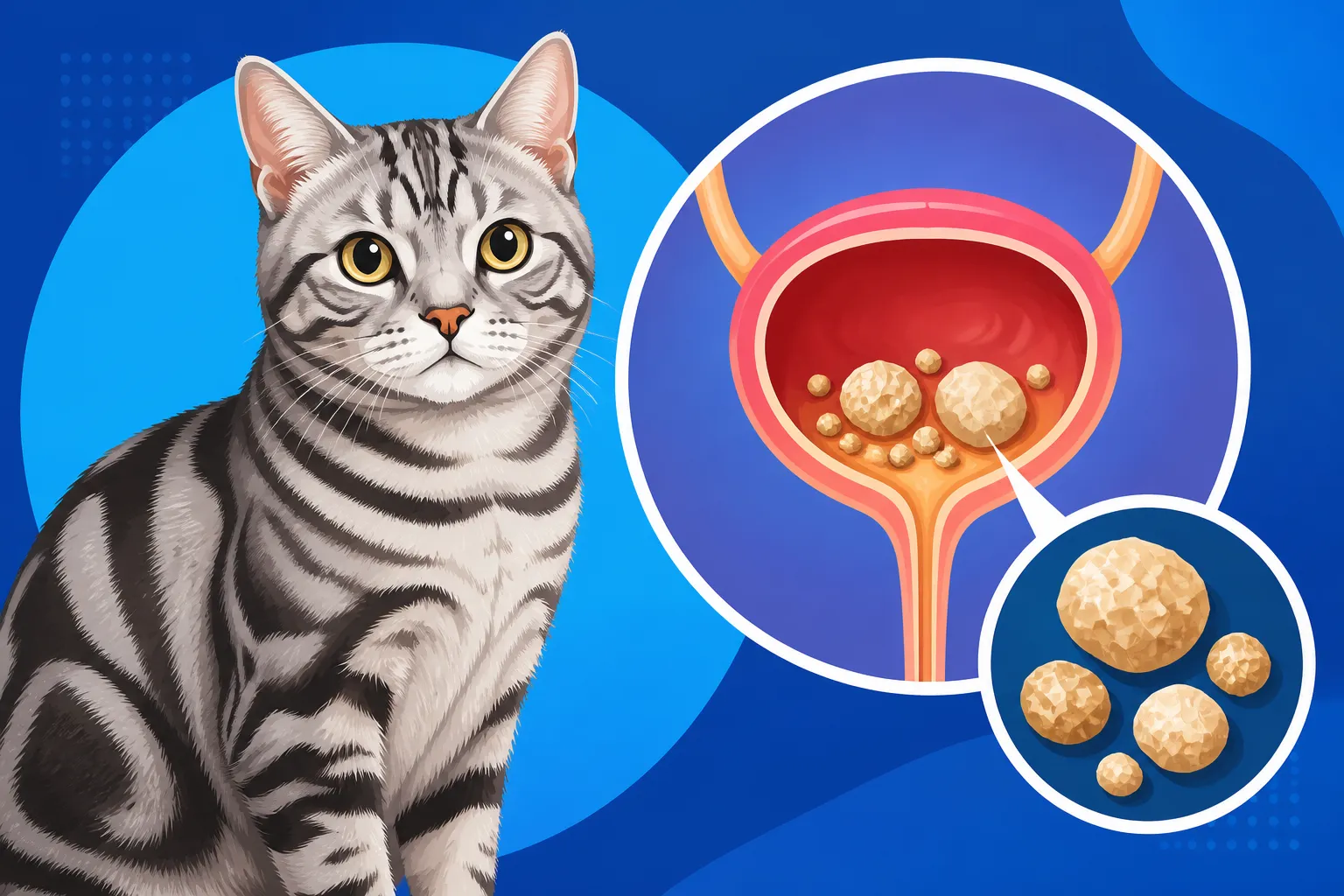
Bladder stones, also known as uroliths, are solid mineral formations that can develop in a cat's bladder. They can be tiny, like grains of sand, or grow to be surprisingly large, resembling small pebbles or even golf balls. These stones irritate the lining of the bladder, causing inflammation, pain, and contributing significantly to the symptoms of FLUTD. It's like having sharp, gritty rocks rattling around inside a very sensitive organ – imagine how uncomfortable that would be! While not all FLUTD cases involve stones, they are a significant cause of recurring or severe urinary tract issues. Understanding What a Straining American Shorthair Needs Within Hours is paramount, as a blocked cat is in severe danger.
Unpacking the Two Main Types of Bladder Stones in American Shorthairs
When your vet talks about bladder stones, they'll usually focus on two primary types that affect cats: struvite and calcium oxalate. While both cause similar distressing symptoms, their formation, underlying causes, and crucially, their treatment and prevention strategies are distinctly different. It's not a one-size-fits-all situation, and getting the correct diagnosis is the first critical step.
Struvite Stones: The Dietary Culprit
Struvite stones are made up of magnesium, ammonium, and phosphate crystals. Historically, these were the most common type of bladder stone in cats. They typically form in urine that is too alkaline (has a high pH) and is highly concentrated. Several factors contribute to their formation:
- Diet: This is often the biggest player. Diets high in certain minerals, particularly magnesium, can contribute to struvite formation. However, modern cat foods are much better formulated now to prevent this. More often, it’s the combination of a dry-food-only diet with insufficient water intake that leads to concentrated, alkaline urine.
- Urinary Tract Infections (UTIs): Bacterial infections in the urinary tract can sometimes alter the pH of the urine, making it more alkaline and providing a "nest" for struvite crystals to form and grow into stones.
- Lack of Water Intake: Cats are not naturally big drinkers. If your American Shorthair is mainly on a dry kibble diet and doesn't seek out enough water, their urine becomes more concentrated. This gives minerals less fluid to dissolve in, increasing the chances of crystal and stone formation. How Much Water Keeps an American Shorthair's Bladder Clear is a topic every cat owner should be familiar with.
- Genetics: While American Shorthairs aren't specifically predisposed to struvite stones more than other breeds, individual cats within any breed can have slight metabolic differences.
The good news about struvite stones is that they are often dissolvable with a special prescription diet. This diet works by acidifying the urine and diluting it, making the environment hostile to struvite formation and actively breaking down existing stones. This is a huge relief for owners, as it means avoiding surgery in many cases.
Calcium Oxalate Stones: A Growing Concern
Calcium oxalate stones, made of calcium and oxalate, have become increasingly common in recent decades, sometimes even surpassing struvite in prevalence. Unlike struvite, these stones form in acidic urine and are not dissolvable through diet. This means that if your American Shorthair has calcium oxalate stones, surgical removal is typically necessary. This is a much more invasive and costly procedure, highlighting the importance of prevention.
Factors contributing to calcium oxalate stone formation include:
- Diet: Paradoxically, some diets designed to prevent struvite stones by acidifying the urine might inadvertently increase the risk of calcium oxalate stones in susceptible cats. Diets high in calcium or oxalate (found in some plant-based ingredients) can also be a factor, though this is less common with commercial cat foods.
- Concentrated Urine: Just like with struvite, low water intake leading to concentrated urine increases the risk. The less water in the urine, the higher the concentration of calcium and oxalate, making crystal formation more likely.
- Breed Predisposition: While American Shorthairs are generally known for their robust health, certain breeds like Persians, Himalayans, and Burmese have a higher genetic predisposition to calcium oxalate stones. For American Shorthairs, it's less about a direct breed link and more about individual metabolic factors or dietary and environmental conditions.
- Hypercalcemia: Conditions that lead to abnormally high levels of calcium in the blood (hypercalcemia) can also increase the risk of calcium oxalate stone formation. This is less common but something your vet might investigate.
- Age and Gender: Older cats, particularly males, seem to have a slightly higher incidence of calcium oxalate stones.
Understanding which type of stone your American Shorthair has is paramount for effective treatment and preventing recurrence. Your vet will need to analyze the stones (if removed) or urine crystals to determine their composition.
| Feature | Struvite Stones | Calcium Oxalate Stones |
|---|---|---|
| Composition | Magnesium, ammonium, phosphate | Calcium, oxalate |
| Urine pH | Forms in alkaline urine (high pH) | Forms in acidic urine (low pH) |
| Dissolvable by Diet? | Yes, with specific prescription diets | No, generally require surgical removal |
| Common Causes | High magnesium diet (historically), UTIs, low water intake | Acidifying diets, low water intake, hypercalcemia, genetic predisposition (less for ASH) |
| Treatment | Prescription urinary dissolution diet, antibiotics (if UTI present) | Surgical removal, dietary management to prevent recurrence |
| Prevention Focus | Urine acidification, increased water intake, managing UTIs | Urine alkalinization (mild), increased water intake, monitoring calcium levels |
Recognizing the Subtle Signs and Seeking Diagnosis
Catching urinary issues early can make a world of difference, especially with bladder stones. Your American Shorthair, with its famously stoic nature, might not overtly complain until they are in significant discomfort. This means you need to be a keen observer of their habits.
Spotting the Warning Signs at Home
The symptoms of bladder stones largely overlap with general FLUTD signs, but when stones are present, these symptoms often become more intense or persistent. Here's what to look out for:
- Frequent trips to the litter box: Your cat might go in and out multiple times, or spend a long time straining. This is often the first sign owners notice.
- Straining to urinate (stranguria): This can look like your cat is constipated, hunkering down and pushing hard. Watch closely to see if anything is actually coming out.
- Urination outside the litter box (periuria): This isn't spite; it's often a desperate attempt to find a comfortable place to relieve themselves, or an indication that they associate pain with the litter box itself. You might find urine in sinks, bathtubs, or on cool, smooth surfaces.
- Blood in the urine (hematuria): The inflammation and irritation from the stones can cause bleeding, making the urine appear pinkish or reddish. Sometimes it's only visible under a microscope at the vet.
- Excessive licking of the genital area: This is a common self-soothing behavior due to discomfort and irritation.
- Vocalization: Your usually quiet American Shorthair might cry or yowl while attempting to urinate, a clear sign of pain.
- Lethargy or reduced appetite: These are general signs that your cat is unwell and should always warrant a vet visit.
If you observe any of these signs, don't delay. Why a Withdrawn American Shorthair Should See a Vet is a critical reminder that even subtle changes can indicate serious problems.
The Diagnostic Journey at the Vet
When you bring your American Shorthair to the vet with urinary symptoms, they will embark on a diagnostic journey to pinpoint the problem. This typically involves several steps:
- Physical Examination: The vet will palpate your cat's abdomen, feeling for a distended or painful bladder. They'll also check for any obvious signs of discomfort.
- Urinalysis: This is a cornerstone of diagnosis. Your vet will collect a urine sample (ideally through cystocentesis, where a needle is inserted directly into the bladder, which yields a sterile sample). This sample will be analyzed for pH, specific gravity (concentration), presence of blood, protein, glucose, and crucially, crystals. Identifying the type of crystals (struvite or calcium oxalate) is a strong indicator of the stone type. You can learn more about What an American Shorthair's Urinalysis Costs to prepare.
- Urine Culture: If a bacterial infection is suspected (especially with struvite crystals), a urine culture will be performed to identify the specific bacteria and determine which antibiotics will be most effective.
- Imaging (X-rays and Ultrasound): This is how bladder stones are confirmed and localized.
- X-rays: Struvite and calcium oxalate stones are usually radiopaque, meaning they show up clearly on X-rays. This helps determine the number, size, and location of the stones.
- Ultrasound: An ultrasound can provide even more detail, allowing the vet to see smaller stones or those that might be obscured on X-rays. It also helps assess the thickness of the bladder wall, indicating inflammation.
Once the type of stone is identified, your vet can formulate the most appropriate treatment plan. This comprehensive approach is necessary because, without knowing the stone type, treatment might not only be ineffective but could even worsen the situation, particularly if a diet intended for one type of stone is given to a cat with another.
Tailored Treatment and Long-Term Prevention Strategies
Dealing with bladder stones can feel overwhelming, but with the right approach, your American Shorthair can often recover fully and live a healthy life. The key is to address the existing stones and then implement robust prevention strategies.
Treatment Options: Dissolution Versus Surgery
The treatment path depends entirely on the type of bladder stone found:
- For Struvite Stones (Dietary Dissolution): If your American Shorthair has struvite stones, your vet will almost certainly recommend a prescription urinary dissolution diet. Brands like Royal Canin S/O, Hill's c/d, and Purina Pro Plan UR are specifically formulated to create an acidic, dilute urine environment that helps break down the stones. This diet must be fed exclusively, often for several weeks to months, and no other food or treats should be given. Regular follow-up X-rays or ultrasounds will be needed to monitor the stones' dissolution. This non-invasive method is usually very effective.
- For Calcium Oxalate Stones (Surgical Removal): Unfortunately, calcium oxalate stones cannot be dissolved by diet. The primary treatment is surgical removal, known as a cystotomy. This procedure involves opening the bladder to remove the stones. While surgery is always a concern for pet owners, Why an American Shorthair Is a Low Anesthetic Risk can provide some reassurance about their robust health. After surgery, the stones will be sent to a lab for definitive analysis to confirm their composition, which is crucial for future prevention.
- Emergency Unblocking (for males): If a male American Shorthair becomes completely blocked by stones or crystals, emergency intervention is required to unblock the urethra. This involves catheterization to flush the obstruction. This is a life-threatening situation, and What a Straining American Shorthair Needs Within Hours cannot be overstated.
Long-Term Prevention for a Healthy Bladder
Once the immediate crisis is over, the focus shifts to preventing recurrence. This is where you, as the American Shorthair owner, play a vital role.
1. Dietary Management
This is perhaps the most critical component of prevention. Your vet will recommend a specific prescription diet based on the type of stone your cat formed:
- Struvite Prevention: A diet designed to maintain slightly acidic urine and encourage dilute urine. These often have controlled levels of magnesium and phosphorus.
- Calcium Oxalate Prevention: A diet formulated to maintain slightly alkaline (or neutral) urine and prevent the urine from becoming too acidic. These diets also typically have controlled levels of calcium and oxalate.
Your vet will guide you on Whether a Urinary Diet Becomes Permanent. For many cats, especially those with a history of stones, these prescription diets become a permanent part of their daily regimen. This continuous management helps ensure the urine environment remains unfavorable for stone formation.
2. Increased Water Intake
Dilute urine is a cat's best friend when it comes to preventing bladder stones, regardless of the type. The more dilute the urine, the less concentrated the mineral components are, making it harder for crystals and stones to form.
- Wet Food is Your Ally: If your American Shorthair is currently on dry kibble, gradually transitioning them to a high-quality wet food is one of the most impactful changes you can make. Wet food provides a significant amount of hydration, naturally increasing water intake. For many American Shorthair owners, asking Whether an American Shorthair Needs Wet Food is a common question, and for urinary health, the answer is often a resounding yes.
- Fresh Water Sources: Always ensure multiple, fresh water bowls are available in different locations around your home. Some cats prefer ceramic or glass bowls over plastic.
- Water Fountains: Many cats are enticed by the movement and freshness of a water fountain, often drinking more from them than from still bowls.
- Flavoring Water: You can try adding a tiny bit of tuna juice (in water, not oil) or low-sodium chicken broth to their water to encourage drinking, but check with your vet first to ensure it aligns with any prescription diet.
3. Stress Reduction and Environmental Enrichment
Believe it or not, stress can play a significant role in FLUTD and, by extension, stone formation in some susceptible cats. A stressed cat might hold its urine longer, leading to more concentrated urine, or develop inflammation that predisposes them to problems.
- Adequate Litter Boxes: Follow the "one more than the number of cats" rule. For a single American Shorthair, this means at least two litter boxes in different, quiet locations. Keep them scrupulously clean.
- Scratching Posts and Vertical Space: Provide plenty of outlets for natural cat behaviors like scratching and climbing. An American Shorthair needs mental and physical stimulation.
- Playtime: Regular interactive play sessions help reduce stress and keep your cat active and healthy. Play That Finishes the Hunting Sequence for an American Shorthair is essential for their well-being.
- Predictable Routine: Cats thrive on routine. A consistent feeding schedule, playtime, and quiet environment can help reduce anxiety.
4. Regular Veterinary Check-ups
Even after successful treatment and implementing preventative measures, ongoing vigilance is key. Regular vet check-ups, often including urinalysis, can catch any early signs of crystal formation or recurrence before they develop into full-blown stones. This is especially important as your American Shorthair ages, because How Kidney Disease Creeps Up on an Old American Shorthair can impact their urinary health, and Caring for an American Shorthair Past Twelve often involves more frequent health monitoring.
Investing in pet insurance, like a plan from Healthy Paws, can provide significant peace of mind when facing diagnostic tests, specialized diets, or potential surgeries. These costs can quickly add up, and knowing you have support can make difficult decisions a little easier. Healthy Paws, for example, often covers these types of unexpected illnesses, helping you focus on your cat's health rather than the vet bill. Even with the best care, sometimes emergencies happen, and a good insurance plan from Healthy Paws can be a lifesaver.
By working closely with your veterinarian and making proactive changes at home, you can significantly reduce the risk of bladder stones returning and ensure your stoic American Shorthair lives a long, comfortable, and pain-free life.
Disclaimer
This article is intended for informational purposes only and does not constitute veterinary advice. Always consult with a qualified veterinarian for any health concerns or before making any decisions about your pet's medical care.