What an American Shorthair Should Weigh at Its Frame
It’s a common dilemma for American Shorthair owners: how do you tell if your beautifully sturdy, broad-chested companion is at a healthy weight, or if they’re starting to carry a little too much cushion? Their naturally muscular frame can be deceiving, making it tough to know what's "just right." This guide is here to demystify your American Shorthair's ideal weight, helping you keep them spry and healthy for years to come.
Understanding the American Shorthair's Unique Physique
Let's be honest, American Shorthairs aren't built like delicate little porcelain dolls. They come from a long line of working cats, descendants of the felines that sailed with early settlers, earning their keep as formidable mousers. This heritage is etched into their very physique, giving them a naturally robust, muscular, and substantial build. When you look at an American Shorthair, you're seeing a cat designed for function, not just aesthetics. They have a broad chest, powerful legs, and a solid, square frame that speaks to their strength and agility. This is a cat that was meant to hunt and thrive, and that means they carry a good amount of muscle.
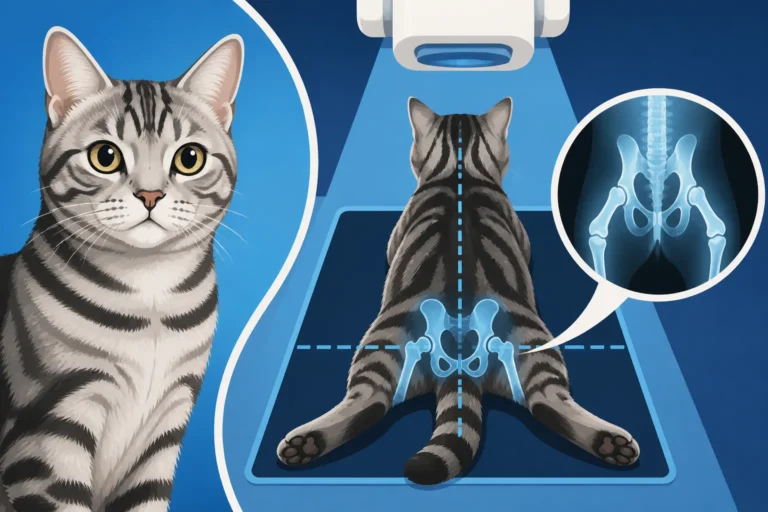
This inherent sturdiness is often a blessing, contributing to their generally hardy nature and resilience. However, it can also make it a little tricky to assess their weight accurately. What might look like a healthy, well-fed cat could, in reality, be carrying a bit too much fat, hidden beneath that dense, beautiful coat and muscular structure. It's a common misconception that a "heavy" cat is a healthy cat, especially with breeds known for their solid builds. We need to differentiate between a cat that is muscular and a cat that is overweight. A truly fit American Shorthair will have well-defined muscle tone that feels firm, not soft or squishy, when you gently palpate their body. Their working frame, historically, put a lot of pressure through areas like their hips, which means maintaining a lean weight is even more crucial. Understanding Why a Broad Chested American Shorthair Puts Weight Through Its Hips helps explain why extra weight in these areas can be particularly detrimental over time.
Determining Your American Shorthair's Ideal Weight Range
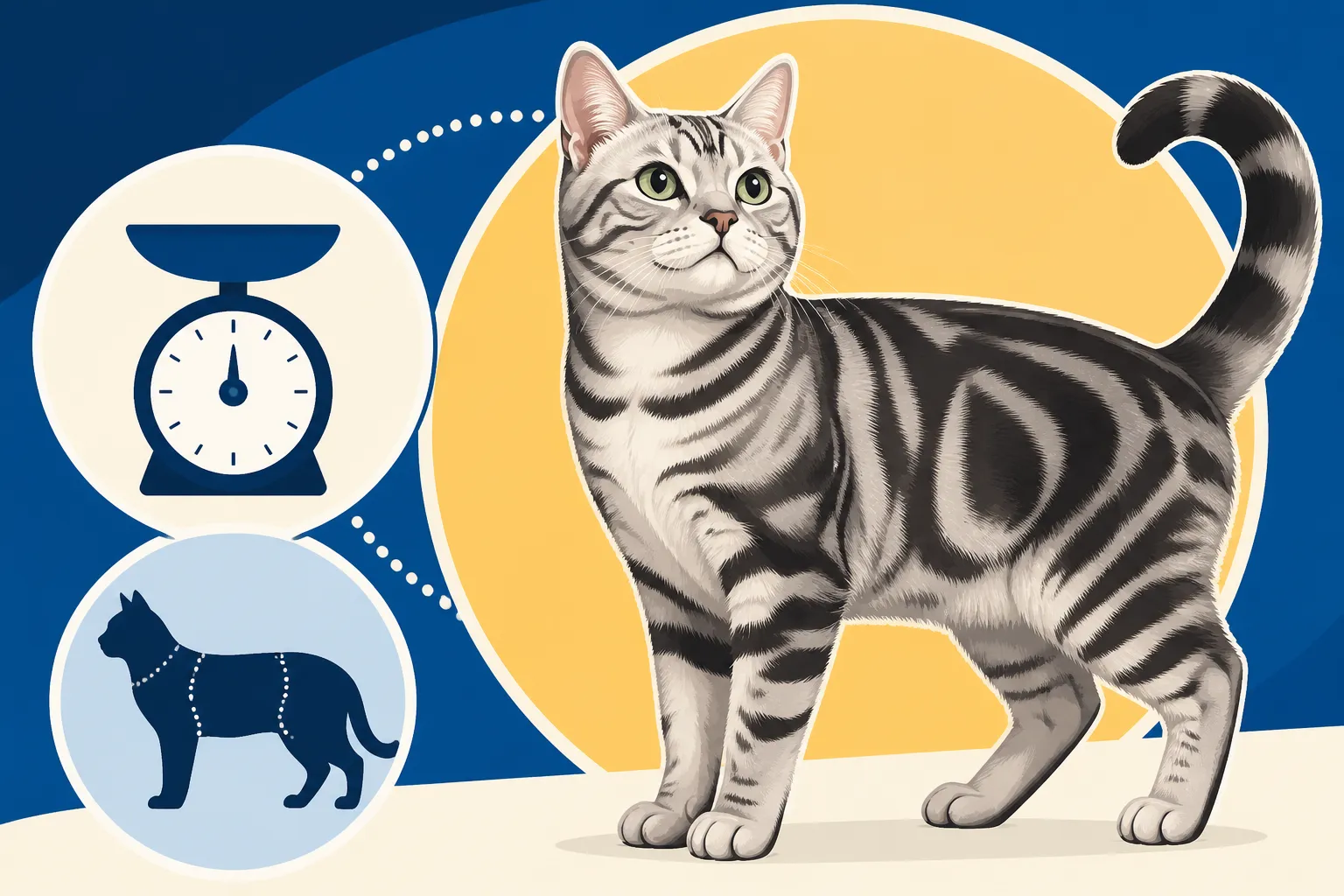
While it's tempting to look for a specific number on the scale, the truth is, there's no single "magic number" that defines the ideal weight for every American Shorthair. Just like people, individual cats can vary in size, bone structure, and muscle mass. Generally speaking, an adult male American Shorthair might weigh anywhere from 11 to 15 pounds, while females tend to be a bit lighter, typically ranging from 8 to 12 pounds. However, these are just averages, and a cat outside this range isn't automatically unhealthy. What truly matters is their body condition in relation to their unique frame. This is why we rely more on what’s called Body Condition Scoring (BCS) rather than just the number on the scale. For a comprehensive overview of what to expect, understanding What an American Shorthair Weighs can provide some context, but it's really the assessment that counts.
Body Condition Scoring is a hands-on method that helps you evaluate your cat's fat reserves. It usually involves a scale from 1 (emaciated) to 9 (severely obese), with 5 being ideal. To perform a basic BCS check on your American Shorthair at home, you'll want to feel along their sides. Gently run your hands over their rib cage; you should be able to feel their ribs without pressing hard, but they shouldn't be visibly sticking out. Think of it like feeling the knuckles on your hand – you can feel them, but they’re not sharply protruding. If you can’t easily feel the ribs without really digging, your cat might be carrying too much weight. Next, observe them from above. An ideal American Shorthair should have a discernible waistline, a slight indentation between their ribs and hips, though this can be subtle given their "square built" nature. Lastly, look at them from the side. You should see an "abdominal tuck," where their belly rises slightly towards their hind legs, not sagging down. This visual and tactile assessment is much more telling than just the number on the bathroom scale, especially since How to Spot Weight Gain on a Square Built American Shorthair can be tricky given their dense coat and robust build. It’s also important to remember that they don't reach their full size immediately; What an American Shorthair Should Weigh at One and How Much Is Left indicates they continue to fill out until about three years old, so their weight can change.
Body Condition Score Chart for American Shorthairs
Here's a simplified guide to help you assess your American Shorthair's body condition:
| BCS Score | Description (Feel & Look) | What It Means | Action Required |
|---|---|---|---|
| 1-2 | Ribs, spine, and pelvic bones very prominent, no fat evident. | Underweight/Emaciated. Muscle loss. | Immediate vet consultation. |
| 3-4 | Ribs easily palpable, minimal fat. Waist obvious. | Slightly Underweight. Still needs more condition. | Review diet with vet, ensure adequate calories and nutrition. |
| 5 | Ribs easily palpable with a slight fat covering. Waist visible. | Ideal Body Condition. Healthy, lean, and muscular. | Maintain current diet and exercise. Regular check-ups. |
| 6-7 | Ribs palpable with moderate fat. Waist less obvious. Belly round. | Overweight. Beginning to carry excess fat. | Discuss diet and exercise plan with vet to prevent further gain. |
| 8-9 | Ribs difficult to feel. No waist. Obvious fat pads. | Obese. Significant health risks. | Urgent vet consultation for comprehensive weight loss program. |
When you're trying to figure out How to Find the Ribs on a Square Built American Shorthair, remember that their dense coat can sometimes make it harder, so really use those fingertips gently. Regular checks will help you notice subtle changes before they become major issues.
The Dangers of Being Under or Overweight
Maintaining a healthy weight isn't just about appearances; it's profoundly linked to your American Shorthair's overall health, quality of life, and longevity. Both being underweight and overweight come with a host of serious health risks that can significantly impact your beloved feline friend.
Risks Associated with Being Overweight
Unfortunately, in our modern world where cats often live a life of leisure indoors, obesity has become a widespread problem for many breeds, including the American Shorthair. Why Indoor Life Made the American Shorthair Fat is a real concern, as their historical need to hunt for food is no longer a daily reality, leading to a surplus of calories if not managed carefully. When your American Shorthair carries too much weight, it puts undue strain on their body, leading to a cascade of potential health issues:
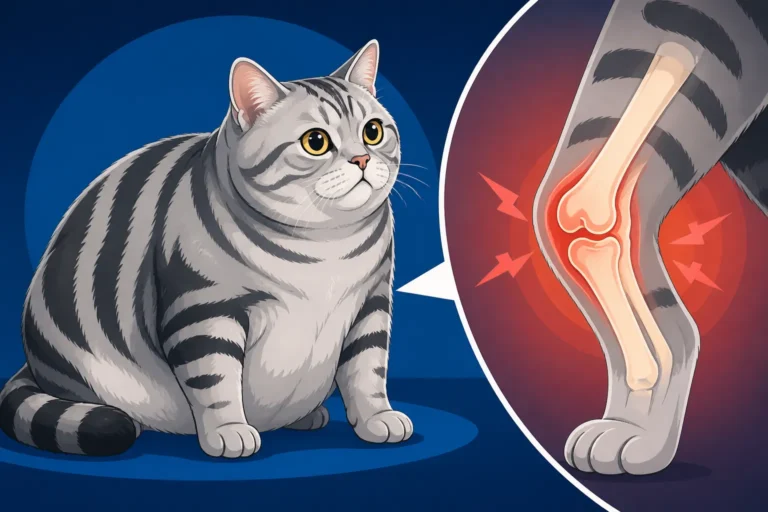
- Joint Problems: Excess weight places immense pressure on their joints, especially their hips and knees. This can lead to or worsen conditions like arthritis, making movement painful and reducing their willingness to jump, play, or even groom themselves properly. This is why How Weight Wears Out an American Shorthair's Joints is such a critical consideration. You might notice they stop jumping to the counter or struggle with stairs.
- Diabetes Mellitus: Obesity is a leading risk factor for feline diabetes, a serious condition requiring daily insulin injections and strict dietary management. The body's cells become resistant to insulin, leading to dangerously high blood sugar levels. Learning How Weight Turns Into Diabetes in an American Shorthair is a stark reminder of the importance of preventative care.
- Heart Disease: Carrying extra weight burdens the heart, making it work harder to pump blood throughout the body. This can contribute to various forms of heart disease, shortening their lifespan and quality of life.
- Reduced Mobility and Grooming Issues: An overweight American Shorthair will naturally be less agile and energetic. They might struggle to reach certain areas of their body for grooming, leading to matted fur, skin infections, and discomfort.
- Decreased Lifespan: The sum of these health problems often means that overweight cats live shorter lives than their lean counterparts. Research consistently shows that How Many Years Extra Weight Takes Off the American Shorthair's Lifespan can be significant, sometimes by several years.
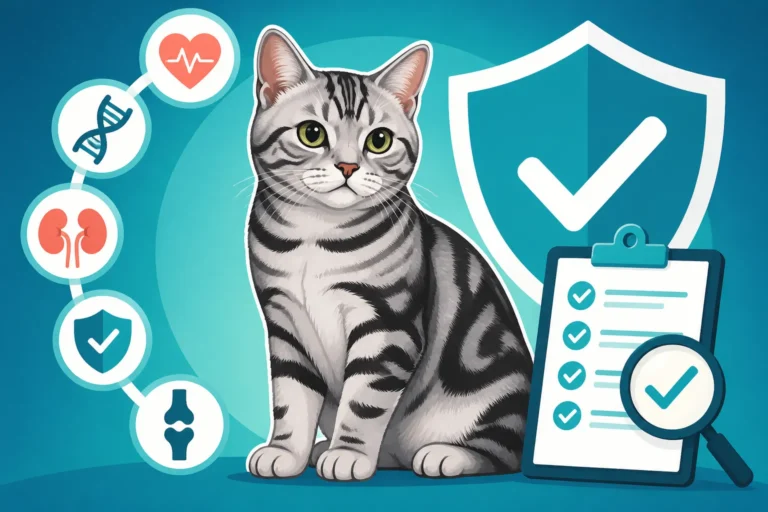
- Other Complications: Overweight cats are also more prone to urinary tract issues, certain types of cancer, and complications during anesthesia if they ever need surgery. These health challenges can be expensive to manage, making it prudent to consider pet insurance from providers like Healthy Paws, which can help offset veterinary costs for unexpected illnesses or accidents.
Risks Associated with Being Underweight
While less common than obesity in domestic cats, being underweight is also a cause for concern and often signals an underlying health problem. It's not usually due to insufficient food, but rather an indication that something else is going on internally.
- Underlying Medical Conditions: Unexplained weight loss in an American Shorthair can be a symptom of various serious health issues, including hyperthyroidism (especially in older cats), kidney disease, dental pain, inflammatory bowel disease, parasites, or even cancer. For example, Why Hyperthyroidism Catches a Long Lived American Shorthair is a common concern for senior cats, and weight loss is a key symptom.
- Weakened Immune System: Cats who are underweight often have a compromised immune system, making them more susceptible to infections and slower to recover from illnesses or injuries.
- Muscle Wasting: When a cat doesn't consume enough calories, or if they have a condition preventing nutrient absorption, their body starts to break down muscle mass for energy, leading to weakness and frailty.
- Difficulty Regulating Body Temperature: With less body fat, underweight cats can struggle to stay warm, particularly in cooler environments.
If you notice your American Shorthair losing weight without a clear reason, or if they appear too thin based on their BCS, it's crucial to schedule a veterinary visit immediately. Your vet can perform diagnostics to uncover the root cause and develop an appropriate treatment plan.
Practical Steps for Maintaining a Healthy Weight
Achieving and maintaining a healthy weight for your American Shorthair is a commitment, but it's one of the most important things you can do for their long-term well-being. It involves a balanced approach to diet, exercise, and regular veterinary oversight.
Smart Nutrition and Portion Control
The foundation of a healthy weight lies in proper nutrition. Given their natural tendency to be efficient eaters due to their ancestry, managing their food intake is paramount.
- Portion Control is Key: Forget about leaving a bowl of kibble out all day for your American Shorthair to graze on freely. This "free-feeding" method, while convenient for owners, is a leading contributor to feline obesity. Your American Shorthair, much like their ancestors who Portioning for an American Shorthair That Once Worked for Meals, might not have an "off" switch when food is readily available. Instead, measure out their food precisely and offer it in two to three scheduled meals throughout the day. This allows you to monitor their intake and ensure they're not overeating.
- High-Quality Diet: Choose a high-quality cat food that is rich in animal protein and has a moderate fat content. Avoid foods with excessive fillers or carbohydrates, which are not ideal for a cat's carnivorous physiology. Wet food can be particularly beneficial as it provides higher moisture content, which aids in satiety and helps keep them hydrated. Consider transitioning from dry kibble for at least some meals, especially if your cat is prone to weight gain or urinary issues.
- Mindful Treating: We all love to spoil our cats, but treats are often calorie-dense and can quickly derail a weight management plan. Use treats sparingly and opt for low-calorie options if possible. Better yet, use a portion of their daily kibble as "treats" for positive reinforcement or playtime.
- Making Them Work for Food: Engage their natural hunting instincts by making mealtime a little more challenging. Instead of just putting food in a bowl, use puzzle feeders or hide small portions of their measured food around the house. This encourages mental stimulation and physical activity, mimicking how Feeding an American Shorthair That No Longer Hunts Its Food would have been a daily endeavor.
Engaging Exercise and Enrichment
Even though American Shorthairs are generally calm and undemanding, they still have that innate prey drive that needs an outlet. This is especially true for indoor cats who don't have the natural exercise opportunities that outdoor cats do.
- Interactive Play Sessions: Dedicate at least two 10-15 minute play sessions daily using wand toys, laser pointers (but always end with a tangible catch!), or feather teasers. These toys simulate the hunt, allowing your cat to stalk, pounce, and "kill" their "prey." This kind of interactive play is vital for their physical and mental well-being, directly tapping into Play That Finishes the Hunting Sequence for an American Shorthair.
- Vertical Space: Provide cat trees, shelves, or cat-friendly climbing structures. American Shorthairs love to survey their territory from elevated positions, and climbing offers excellent exercise.
- Environmental Enrichment: Beyond toys, rotate their toys regularly to keep things interesting. Provide window perches so they can watch the world outside, stimulating their senses.
Regular Veterinary Care
Your veterinarian is your best partner in ensuring your American Shorthair maintains a healthy weight throughout their life.
- Routine Check-ups: Annual veterinary visits are crucial for monitoring your cat's weight and overall health. Your vet can accurately perform a Body Condition Score, weigh your cat on a calibrated scale, and discuss any concerns about weight gain or loss. They can also provide guidance on diet and exercise tailored to your cat's specific needs and age. Regular check-ups are also where a vet can What a Vet Assesses an American Shorthair's Hips for any signs of early joint issues.
- Professional Weight Management Plans: If your American Shorthair is overweight, your vet can help you formulate a safe and effective weight loss plan. This plan might include a prescription diet formulated for weight loss, specific feeding guidelines, and recommendations for increasing activity. Remember, rapid weight loss can be dangerous for cats, potentially leading to fatty liver disease, so a gradual, vet-supervised approach is always best. Understanding How a Vet Builds an American Shorthair's Weight Loss Plan is crucial for success.
- Addressing Underlying Issues: As mentioned, unexplained weight loss can signal a deeper health problem. Your vet can perform necessary diagnostics, such as blood work or urinalysis, to rule out or diagnose conditions like hyperthyroidism, diabetes, or kidney disease. Having pet insurance, like a plan from Healthy Paws, can provide invaluable support when these diagnostic tests and treatments are needed, giving you peace of mind that you can afford the best care for your American Shorthair. Their team understands the importance of preventative care and timely treatment.
By proactively managing your American Shorthair's diet and exercise, and working closely with your veterinarian, you can ensure they live a long, happy, and healthy life at their ideal weight.
Disclaimer
This article is intended for informational purposes only and does not constitute professional veterinary advice. Always consult with a qualified veterinarian for any health concerns or before making any changes to your pet's diet or exercise routine.