Why a Gene Test Cannot Clear an American Shorthair’s Heart
It's incredibly frustrating when you're trying to do everything right for your beloved American Shorthair, especially when it comes to their health, and you hear conflicting information or discover that a seemingly straightforward test isn't as helpful as you hoped. Many dedicated owners and even some newer breeders often wonder if a simple genetic test can definitively clear an American Shorthair's heart from conditions like Hypertrophic Cardiomyopathy (HCM). The truth, unfortunately, is more complex than a quick swab or blood draw. This guide will meticulously break down why, for the American Shorthair, a genetic test alone cannot provide the comprehensive heart clearance you might be seeking and why other diagnostic tools are absolutely essential.
The Allure and Limitations of Genetic Testing for Feline HCM
When we think about genetic diseases, it's natural to assume that a DNA test can identify the risk or presence of a condition. After all, it works for many other inherited traits and diseases across various species. For feline hypertrophic cardiomyopathy (HCM), however, the picture is far from black and white, especially when it comes to the stoic and generally healthy American Shorthair.
Understanding HCM: More Than Just a Single Gene
Hypertrophic Cardiomyopathy, or HCM, is the most common heart disease in cats. It's a progressive condition where the muscular walls of the heart, particularly the left ventricle, thicken abnormally. This thickening reduces the heart's ability to pump blood effectively and can lead to a host of serious problems, including congestive heart failure, blood clots (which can cause paralysis in the hind legs, a truly terrifying experience), and even sudden death. For anyone who's loved a cat with HCM, the impact is devastating, making the desire for clear answers paramount. While the condition can be truly heartbreaking, it's worth noting that How Rare HCM Is in an American Shorthair compared to some other breeds with known genetic predispositions.
The cruel irony of HCM is that many cats show no outward signs until the disease is quite advanced, or they experience a sudden, severe crisis. This silent progression is precisely why screening is so important. However, the exact genetic mechanisms behind HCM are incredibly complex. It's not a simple case of a single gene mutation being solely responsible across all cat breeds. Instead, it's often polygenic, meaning multiple genes or a combination of genetic and environmental factors contribute to its development. This multifactorial nature is a significant hurdle for simple genetic testing.
The Known Gene Mutations: A Partial Picture
You might have heard about genetic tests for HCM available for certain breeds. The most widely known and commercially available genetic tests for HCM target specific mutations in the MYBPC3 gene. These mutations have been strongly linked to HCM in breeds like the Maine Coon and the Ragdoll. For these breeds, a positive genetic test can indicate a predisposition or carrier status for that specific mutation, allowing breeders to make informed decisions to reduce the incidence in their lines.
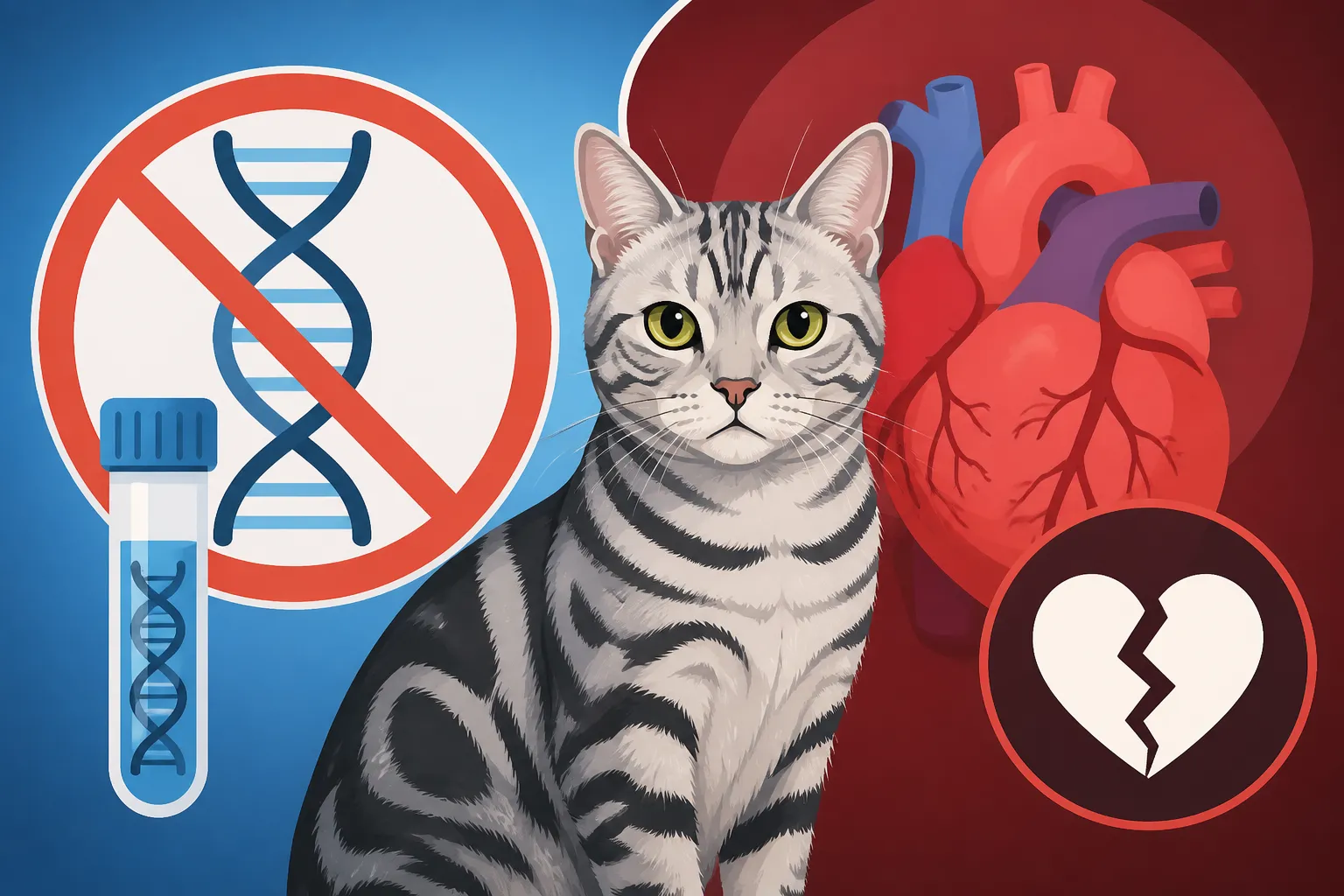
However, and this is the crucial point for American Shorthair owners, these specific MYBPC3 mutations are either extremely rare or non-existent in the American Shorthair population. This means that if you send off a cheek swab from your American Shorthair for a commercially available HCM genetic test, the results will almost certainly come back negative for those known mutations. While a negative result might feel reassuring, it’s a false sense of security. It simply means your cat doesn't carry those particular genes, which aren't considered causative for HCM in the American Shorthair anyway. It does not mean your American Shorthair is free from the risk of developing HCM. The frustration of wanting a clear, definitive answer only to find the available tools don't apply to your cat's breed is a common sentiment among American Shorthair enthusiasts. This is part of the broader reality that Why HCM Survived in the American Shorthair despite decades of careful breeding.
Why Echocardiograms Remain the Gold Standard for American Shorthairs
Given the limitations of genetic testing for the American Shorthair, what then is the definitive way to assess their heart health for HCM? The answer lies in a diagnostic tool that provides a direct, real-time look at the heart's structure and function: the echocardiogram.
What an Echocardiogram Reveals About Heart Health
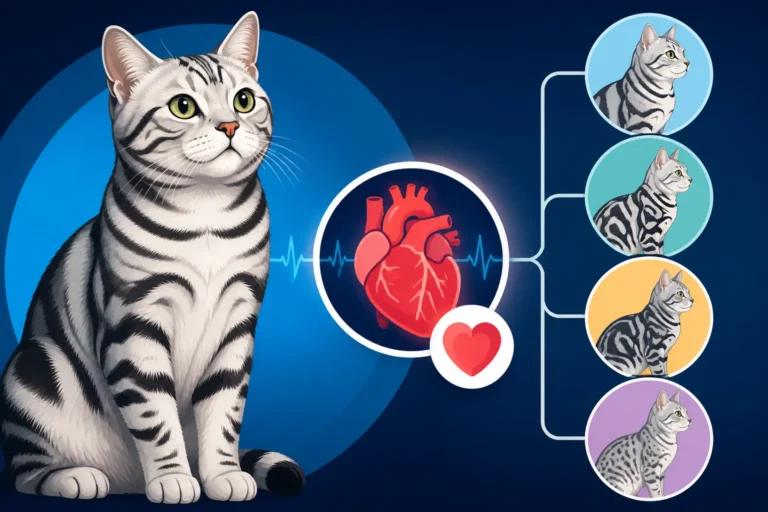
An echocardiogram, often simply called an "echo," is a non-invasive ultrasound of the heart. It's performed by a veterinary cardiologist or a trained veterinary sonographer and provides incredibly detailed images of the heart's chambers, valves, and the thickness of its muscular walls. During an echo, the cardiologist is meticulously examining several key aspects:
- Ventricular Wall Thickness: This is paramount. They're looking for any abnormal thickening of the left ventricular walls, which is the hallmark of HCM. Even subtle changes can be detected.
- Chamber Size: The size of the heart's chambers (atria and ventricles) and how well they fill and empty. Thickened walls can reduce the volume of blood the chambers can hold.
- Blood Flow: Using Doppler technology, the echo can visualize blood flow through the heart and great vessels, detecting turbulence or obstruction that might indicate heart disease.
- Valve Function: How well the heart valves are opening and closing.
- Overall Contractility: How strongly the heart muscle is contracting and relaxing.
Unlike a genetic test which looks for a predisposition based on DNA, an echocardiogram directly assesses the physical manifestation of HCM. It's like checking the foundation of a house directly, rather than just checking if certain blueprints were used. This direct assessment is why it’s the only way to accurately diagnose HCM in living cats. For a detailed insight into how experts interpret these scans, you might be interested in reading How a Cardiologist Reads an American Shorthair's Scan.
The Progressive Nature of HCM and Serial Screening
Another critical aspect of HCM is its progressive nature. Cats are not typically born with fully developed HCM; it's a condition that develops over time, sometimes slowly, sometimes more rapidly. A cat might have a completely clear echocardiogram at one year of age, but then show signs of thickening a year or two later. This makes single-point-in-time screening problematic, especially for breeding animals.
For American Shorthairs, particularly those in breeding programs, regular, serial echocardiograms are absolutely essential. The recommended protocol by veterinary cardiologists often involves annual screenings. A clear echo at two years old doesn't guarantee a clear heart at three or four. This understanding is why Why an American Shorthair Still Needs a Yearly Heart Scan is such a crucial piece of advice for breeders and owners alike. Breeders, especially, must commit to this ongoing screening to identify affected cats, remove them from breeding, and track the health of their lines. This rigorous screening helps protect the breed’s health and maintain the reputation of the American Shorthair as The American Shorthair Is the Control Group of Cat Breeding.
The Unique Genetic Landscape of the American Shorthair
The American Shorthair's history and breeding practices have shaped its genetic makeup in ways that contribute to its robust health but also mean that a "one-size-fits-all" approach to genetic testing simply won't work.
A Breed Built for Function, Not Fancy
Unlike some modern cat breeds that have been developed through intensive selective breeding for extreme physical traits or specific appearances, the American Shorthair has a long history as a working cat. Their ancestors were the hardy, self-sufficient cats that arrived on ships with early European settlers, valued for their prowess as mousers and ratters. This natural selection for survival, health, and function over centuries has resulted in a remarkably robust and adaptable breed.
This strong foundation in natural selection means that the American Shorthair's gene pool is generally broad and less prone to the kind of "designer defects" seen in some other pedigrees. The breed standard emphasizes balance, strength, and overall health, rather than exaggerated features. This focus on utility and natural vigor meant that Why Function Left the American Shorthair Fewer Faults, and as a result, they tend to be a very healthy breed overall. Their general good health is a testament to What an American Shorthair With No Designer Defect Gets Instead. This historical context is vital to understanding why their genetic health screening needs are different.
Why the Main HCM Genes Aren't a Fit
As discussed earlier, the specific gene mutations for HCM that are well-documented and testable in breeds like Maine Coons (e.g., A31P and R820W in MYBPC3) and Ragdolls (R820W) are not found to be a primary cause of HCM in American Shorthairs. Research efforts continue to explore the genetic underpinnings of HCM across all breeds, but as of now, there isn't an identified, breed-specific HCM gene mutation for the American Shorthair that can be reliably tested.
This doesn't mean American Shorthairs are immune to HCM, but it does mean that if they develop it, it's likely due to different, currently unidentified genetic factors, or possibly a complex interplay of multiple genes and environmental influences. Sending your American Shorthair's DNA to a lab for an HCM gene test designed for a Maine Coon or Ragdoll is, effectively, searching for a problem that isn't typically there in the American Shorthair, while missing the actual risk factors they might possess. It’s like using a fishing net designed for tuna to catch minnows – it’s just not the right tool for the job. Therefore, without a proven, breed-specific genetic marker, a gene test offers no meaningful clearance for an American Shorthair's heart.
Practical Implications for American Shorthair Owners and Breeders
Understanding the limitations of genetic testing and the importance of echocardiograms has significant practical implications for anyone who cares for or breeds American Shorthairs.
Informed Decisions for Breeding Programs
For American Shorthair breeders, this means a dedicated commitment to regular echocardiogram screening. It's not a one-and-done test. Breeding cats should undergo cardiac ultrasounds performed by a board-certified veterinary cardiologist on an annual basis. This serial screening allows breeders to identify any cats that develop HCM early in its progression, even before clinical signs appear. Cats diagnosed with HCM, or those found to be at high risk, should be immediately removed from breeding programs to prevent passing on the predisposition.
Transparency is also key. Responsible breeders will readily provide documentation of their breeding cats' annual echocardiogram results. This paperwork should clearly state the date of the scan, the name of the board-certified cardiologist, and the findings (e.g., "normal," "mild HCM," etc.). When considering a kitten, always ask to see the parents' recent echo results. This due diligence is crucial, as What an American Shorthair Breeder's Echo Paperwork Should Say can tell you a lot about their commitment to health. This meticulous approach helps maintain the overall health of the breed and protects future generations.
The Cost and Value of Echocardiogram Screening
Let's be real, a specialized veterinary cardiology echocardiogram isn't cheap. The cost can range from a few hundred dollars to upwards of $700 or more, depending on your location and the specific clinic. This expense can be a deterrent, especially when considered annually. However, it's an investment in the long-term health and well-being of your cat and, for breeders, the future of the breed.
Consider the alternative: a cat developing severe HCM without prior screening. The emotional toll of watching your beloved companion struggle with heart failure, or dealing with a sudden, unexpected loss, is immeasurable. The cost of managing advanced HCM with medications, emergency visits, and specialized care can far exceed the cost of routine screening. This is where pet insurance can be an absolute lifesaver. Many reputable pet insurance providers, like Healthy Paws, offer plans that can help cover a significant portion of diagnostic tests, specialist consultations, and ongoing treatments for conditions like HCM. While it might not cover routine screening if the cat is healthy, it can certainly soften the financial blow if a diagnosis is made. It’s always worth investigating Whether Insurance Pays for an American Shorthair's Echo before your cat needs it. Investing in preventive screening, or at least having the safety net of insurance, truly offers peace of mind.
Caring for an American Shorthair: Beyond Genetic Tests
Even if you're not a breeder, regular veterinary check-ups are paramount for your American Shorthair. Your vet will listen to their heart for murmurs, which can sometimes be an early indicator of a heart condition, although not all murmurs mean HCM, and not all HCM causes murmurs. Pay attention to any subtle changes in your cat's behavior or physical condition. Early signs of heart issues can be very subtle and easily missed because cats are masters at hiding illness. Things like decreased activity, increased respiratory rate, coughing (though less common in cats than dogs with heart disease), or changes in appetite could be indicators. Knowing What an American Shorthair Shows Before Its Heart Fails can help you recognize when it's time to seek veterinary attention.
If your veterinarian detects a heart murmur or suspects any cardiac issue during a routine exam, they will likely recommend an echocardiogram. This is true even if your American Shorthair has no known genetic predispositions. Therefore, Why an Untested Adult American Shorthair Should Still Be Scanned if there are any clinical concerns is a critical message for all owners. Proactive care, observant ownership, and reliance on proven diagnostic methods like echocardiography are the true cornerstones of protecting your American Shorthair's heart health.
Genetic Testing vs. Echocardiography for HCM in American Shorthairs
To summarize the differences, here's a quick comparison of genetic testing and echocardiography for detecting HCM in American Shorthair cats:
| Feature | Genetic Testing (for HCM) | Echocardiography (Cardiac Ultrasound) |
|---|---|---|
| Method | DNA sample (cheek swab, blood) sent to a lab to identify specific gene mutations. | Non-invasive ultrasound using sound waves to create real-time images of the heart. |
| What it detects | Presence of known, specific gene mutations associated with HCM in some breeds. | Direct visualization of heart structure (e.g., wall thickness, chamber size) and function. |
| Relevance for American Shorthairs | Limited/Not applicable. Known mutations are not primary causes of HCM in ASH. A "negative" test is misleading. | Gold Standard. The only way to definitively diagnose HCM by visualizing the heart muscle. |
| Timing | Can be done at any age. Results are typically consistent throughout life for that gene. | Can be done at any age, but HCM is progressive. Regular, serial screenings are crucial. |
| Cost | Generally lower per test, but provides no useful information for ASH HCM. | Higher per test, but provides invaluable, accurate diagnostic information. |
| Who performs it | Lab analysis; sample collected by owner/vet. | Performed by a board-certified veterinary cardiologist or experienced sonographer. |
| Outcome | "Negative" result does not clear an ASH for HCM. | "Normal" result confirms healthy heart at time of scan; "abnormal" diagnoses HCM. |
Remember, while the idea of a simple genetic test is appealing, when it comes to the American Shorthair's heart, the echo is the hero.
Disclaimer
This article is intended for informational purposes only and does not constitute veterinary medical advice. Always consult with a qualified veterinarian or a board-certified veterinary cardiologist for any health concerns or before making any decisions regarding your pet's health care.