Whether an American Shorthair Kitten Arrives With Health Paperwork
Bringing a new American Shorthair kitten home is an exciting time, full of dreams about playful pounces and quiet cuddles. But amidst all that joy, there's often a gnawing worry: what health information should you realistically expect to receive with your new furry family member? It’s a common frustration to feel unsure if you're getting all the necessary details, especially when you're making such an important commitment. This guide aims to clear up the confusion and help you understand exactly what health paperwork a reputable American Shorthair breeder should provide.
What a Reputable American Shorthair Breeder Should Provide
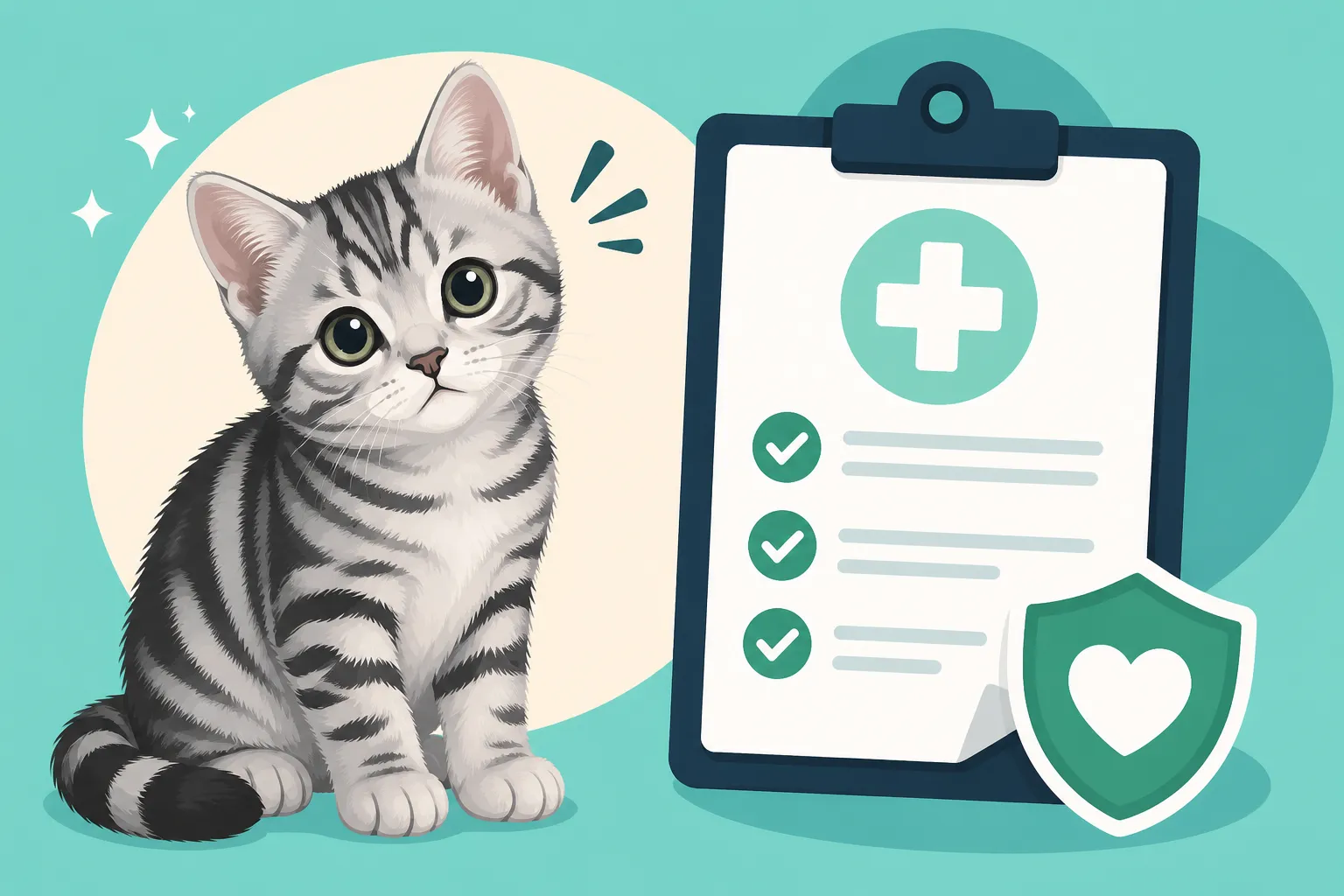
When you're welcoming a purebred American Shorthair kitten into your home, you're not just getting a pet; you're often investing in a specific lineage and, hopefully, a healthy future. A responsible breeder understands this and sees their role as providing not only a well-socialized kitten but also comprehensive documentation to back up its health and heritage. This isn't just a nicety; it's a fundamental part of ethical breeding practices designed to ensure transparency and give you peace of mind.
Essential Breeder Health Guarantees
First and foremost, a good breeder will offer a written health guarantee. This document is your assurance that the kitten is, to the best of their knowledge, healthy at the time of sale. It should clearly outline the breeder's responsibility if a serious genetic or congenital defect is discovered within a specified timeframe, usually the first few days or weeks. For instance, it might state that if a licensed veterinarian finds a life-threatening condition within 72 hours of purchase, you have the option to return the kitten for a full refund or exchange. This guarantee typically covers conditions that would have been present at birth or early development, not accidents or illnesses contracted after leaving the breeder's care.
Beyond the initial health check, some of the most reputable American Shorthair breeders will also provide a longer-term guarantee against specific hereditary diseases. While American Shorthairs are generally known for their robust health, there are still considerations, such as hypertrophic cardiomyopathy (HCM). You should ask about their specific policies regarding hereditary conditions. A breeder confident in their lines might offer a guarantee for a year or more against such conditions, often requiring a vet's diagnosis to trigger the guarantee. This level of commitment speaks volumes about their dedication to the breed's health and their confidence in their breeding program.
Comprehensive Vaccination and Deworming Records
One of the most immediate and critical pieces of health paperwork you should receive is a detailed record of your kitten's vaccinations and deworming schedule. These aren't just recommendations; they're vital steps in protecting your kitten from common and potentially deadly diseases. The record should clearly state the type of vaccine administered (e.g., FVRCP – Feline Viral Rhinotracheitis, Calicivirus, Panleukopenia), the date of administration, and the veterinarian who gave the vaccine. You should see a series of shots, as kittens require booster vaccinations to build robust immunity.
Similarly, accurate deworming records are non-negotiable. Kittens are highly susceptible to intestinal parasites, which can cause significant health problems if left untreated. The paperwork should list the dates of deworming, the product used, and ideally, the results of any fecal tests performed. This information is crucial for your veterinarian to continue your kitten's preventative health regimen without overdosing or missing critical treatments. You'll want to ensure these records are complete and current, as they form the foundation of your kitten's ongoing care and help your vet establish a proper long-term health plan.
Evidence of Parental Health Screening
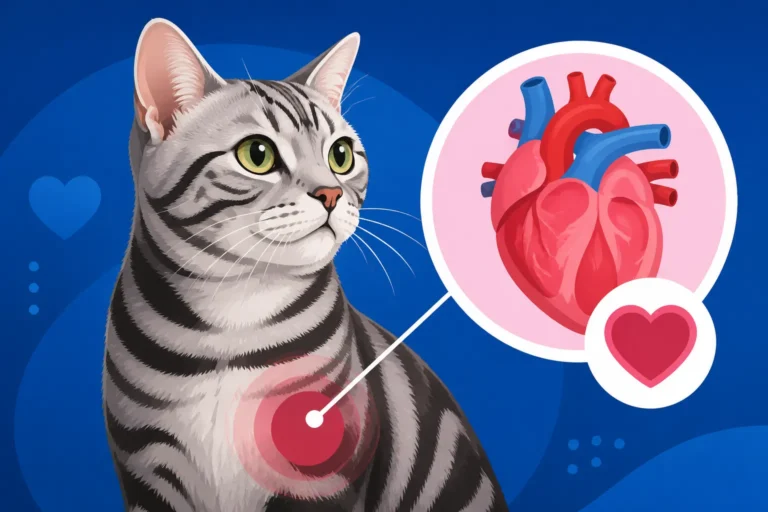
While an individual kitten's health is paramount, understanding the health of its parents is equally, if not more, important for a purebred American Shorthair. This is where you delve into the genetic health of the lineage. A conscientious breeder will have screened their breeding cats for known hereditary conditions relevant to the breed. For American Shorthairs, this primarily includes screening for hypertrophic cardiomyopathy (HCM). You should be provided with documentation of these screenings for both the mother and the father.
For HCM, this means echocardiogram results performed by a board-certified veterinary cardiologist. These reports should clearly state the date of the scan, the name of the cardiologist, and the findings – ideally, that the parents were "clear" or "negative" for HCM. While it's important to remember that a clear scan doesn't guarantee a kitten will never develop HCM, it significantly reduces the risk, especially when breeders consistently screen their lines. Without this documentation, you have no way of knowing what genetic predispositions your kitten might carry. You might also ask What an American Shorthair Breeder Should Have Screened for a deeper dive into the specifics of these tests.
Navigating the Realities of Kitten Paperwork
While the ideal scenario involves receiving a comprehensive packet of health documents, the reality can sometimes be a bit different. Not all breeders operate with the same level of transparency or thoroughness, and sometimes, even well-intentioned individuals might have incomplete records. Understanding these variations and knowing what red flags to look for can protect you and your future American Shorthair.
Understanding the Spectrum of Breeders
The "breeder" landscape is vast, ranging from highly ethical, dedicated individuals who are passionate about the American Shorthair breed to backyard breeders or even accidental litters. The amount and quality of health paperwork you receive often directly correlate with where on this spectrum your kitten comes from. Reputable, registered breeders, who are often members of breed clubs like the CFA (Cat Fanciers' Association), adhere to strict codes of ethics. These codes usually mandate comprehensive health screening, meticulous record-keeping, and detailed sales contracts. They understand that transparency builds trust and contributes to the long-term health of the breed.
In contrast, backyard breeders or individuals selling kittens from unexpected litters might have very little, if any, formal health documentation. They might only be able to tell you verbally that the kitten "seems healthy" or has "had its first shots." While these kittens can certainly be healthy and loving pets, the lack of verifiable records means you're taking a much bigger gamble on their genetic history and early care. It's a significant difference from purchasing an American Shorthair where you know the parents were screened for conditions like HCM, reducing the chance of heartbreak down the line. It really comes down to whether you prioritize a lower initial cost or the assurance of a documented health background.
Identifying Red Flags in Missing or Incomplete Records
When you're reviewing the health paperwork, or lack thereof, certain situations should raise immediate red flags. If a breeder is vague about vaccination dates, can't provide the name of their veterinarian, or claims the kitten is "too young" for certain treatments that should have already occurred, proceed with extreme caution. Another warning sign is if they refuse to show you the health records of the parents, especially for critical breed-specific screenings. For instance, if they can't provide echocardiogram results for the breeding pair, it's a huge red flag given the prevalence of HCM in some cat breeds. You might want to understand more about Why HCM Survived in the American Shorthair.
Similarly, be wary of breeders who offer a health guarantee that seems too good to be true, or one that has so many loopholes it's practically worthless. A legitimate guarantee should be clear, concise, and offer a tangible recourse if a problem arises. If the breeder pressures you to take the kitten without all the promised paperwork, or if they seem annoyed by your questions regarding health records, it’s a strong indication that they might have something to hide. Remember, you have every right to ask for and review all health documentation before committing to a purchase.
Key Health Records to Keep and Understand
Once you bring your American Shorthair kitten home, the responsibility for maintaining and understanding their health records falls to you. These documents will be vital for your veterinarian to provide the best ongoing care and will help you track your cat's health journey throughout its life. It's not just about the paperwork you receive; it's about what you do with it.
Initial Vet Check-Up and Follow-Up
The very first thing you should do upon bringing your new American Shorthair kitten home is to schedule an immediate vet check-up. Ideally, this should happen within 48-72 hours, as often stipulated in a breeder's health guarantee. This independent veterinary examination serves several crucial purposes: it confirms the kitten's current health status, allows your vet to establish a baseline, and validates the information provided by the breeder. Your vet will perform a thorough physical exam, checking for parasites, congenital abnormalities, and overall well-being. This is also the perfect time to discuss the kitten's current vaccination and deworming schedule and plan for any necessary follow-up shots or treatments.
After this initial check, your vet will create your own set of health records for your American Shorthair. This new file will include your kitten's weight, temperature, notes from the physical exam, and any diagnostics performed. You'll want to diligently keep track of this ongoing documentation. Each subsequent visit, vaccination, or treatment will add to this history, building a comprehensive picture of your cat's health. This is particularly important as your American Shorthair matures and progresses through its life stages, from kittenhood to Caring for an American Shorthair Past Twelve.
Understanding Your Kitten's Vaccination Schedule
The vaccination schedule provided by the breeder, and subsequently continued by your own vet, is fundamental to your American Shorthair's long-term health. Kittens receive initial immunity from their mother, but this wanes over time, making them vulnerable. A series of vaccinations, usually starting around 8 weeks of age and continuing every 3-4 weeks until about 16 weeks, is necessary to establish full protection. The core vaccines for cats typically cover feline panleukopenia (distemper), feline herpesvirus (rhinotracheitis), and feline calicivirus. Depending on your kitten's lifestyle (indoor vs. outdoor), your vet might also recommend non-core vaccines like feline leukemia virus (FeLV) or rabies.
It's important to understand not just that your kitten received shots, but when they received them and when the next boosters are due. Missing a booster can compromise the effectiveness of the entire series, leaving your American Shorthair vulnerable. Your vet will guide you through the initial series and then discuss the appropriate booster schedule for adult cats, which varies depending on the vaccine and your cat's risk factors. Keep these records in a safe, accessible place, as you’ll need them for boarding, grooming, or in case of an emergency. Knowing Which Vaccines an Indoor American Shorthair Actually Needs can help you have an informed discussion with your vet.
| Document Type | Why It's Important | What to Look For |
|---|---|---|
| Health Guarantee | Protects you against congenital/hereditary issues shortly after purchase. Shows breeder confidence. | Clear terms, specific timeframe, conditions for return/refund, signed by breeder. |
| Vaccination Records | Essential for preventing common feline diseases and planning future boosters. | Dates of administration, vaccine type (e.g., FVRCP, FeLV), vet's name/clinic stamp, next due date. |
| Deworming Records | Ensures kitten is treated for common parasites, crucial for healthy development. | Dates of treatment, product name used, any fecal test results. |
| Microchip Information | Vital for identification and reunion if your cat ever gets lost. | Microchip number, date of implantation, registration details (if done by breeder), instructions for transfer. |
| Parental Health Screens | Provides insight into genetic predispositions for breed-specific conditions like HCM. | Echo results for HCM from a board-certified cardiologist, dated, stating "clear" or "negative" for both parents. |
| Spay/Neuter Contract | Outlines agreement for future sterilization (often required for pet-only kittens). | Clear terms for sterilization, timeline, consequences if not followed. |
| Registration Papers | Proof of purebred lineage with a recognized cat registry (e.g., CFA, TICA). | Kitten's registered name, sire/dam's registered names, registration number, usually given after proof of spay/neuter. |
| Pedigree | Shows ancestral lineage, tracing back several generations. | Names of ancestors, titles, colors, registration numbers. Useful for understanding genetic background. |
Ensuring a Healthy Future for Your American Shorthair
Beyond the initial paperwork, your commitment to your American Shorthair's health is an ongoing journey. Proactive care, careful observation, and a good relationship with your vet are key to ensuring your beloved companion thrives for years to come. Understanding the long-term health picture for American Shorthairs can also help you anticipate future needs.
Long-Term Health Planning and Pet Insurance
American Shorthairs are generally known for being a healthy, long-lived breed, often enjoying a lifespan of 15 to 20 years. However, even the hardiest cats can face unexpected illnesses or injuries. This is why long-term health planning is so important. Regular veterinary check-ups are paramount, even for seemingly healthy cats. Your vet will monitor weight, dental health, and look for subtle changes that could indicate underlying issues. As they age, regular bloodwork and urinalysis become more critical to detect conditions like kidney disease or hyperthyroidism early on. Understanding Why an American Shorthair Still Needs a Yearly Heart Scan is especially relevant for this breed.
Considering pet insurance is a smart move for any cat owner, and especially for American Shorthairs, even with their good health reputation. While your American Shorthair is often a low anesthetic risk, any emergency can quickly become very expensive. Companies like Healthy Paws offer various plans that can help cover the costs of unexpected accidents, illnesses, surgeries, and even some diagnostic tests. Having insurance can alleviate the financial stress during a crisis, allowing you to focus solely on your cat's recovery. It's an investment in your peace of mind and your American Shorthair's access to the best possible care should a health issue arise.
Building a Strong Relationship with Your Veterinarian
Your veterinarian is your most important partner in ensuring your American Shorthair's health and longevity. From the moment you bring your kitten in for its first check-up, you're starting a relationship built on trust and communication. Don't hesitate to ask questions about anything that concerns you, whether it's about their diet, behavior, or any health records you received from the breeder. A good vet will take the time to explain things thoroughly and work with you to create a personalized health plan for your cat.
Open communication also means sharing any changes you observe in your cat's behavior or physical condition. Because American Shorthairs are typically quite stoic, they often hide signs of illness or pain, meaning subtle changes can be significant. Your vet relies on your observations to help them diagnose and treat potential issues. For instance, if your cat suddenly becomes thirstier than usual, or if you notice a change in their litter box habits, these are important details for your vet. Many pet insurance providers, including Healthy Paws, emphasize the importance of regular vet visits, not just for emergencies, but for maintaining overall wellness. The more you engage with your vet, the better equipped you'll be to provide a fulfilling and healthy life for your American Shorthair.
Disclaimer
Please note that this article provides general information and recommendations. It is not a substitute for professional veterinary advice. Always consult with a qualified veterinarian regarding your American Shorthair's specific health needs, diagnosis, and treatment. Health guarantees and specific paperwork requirements can vary by breeder, region, and national cat associations.