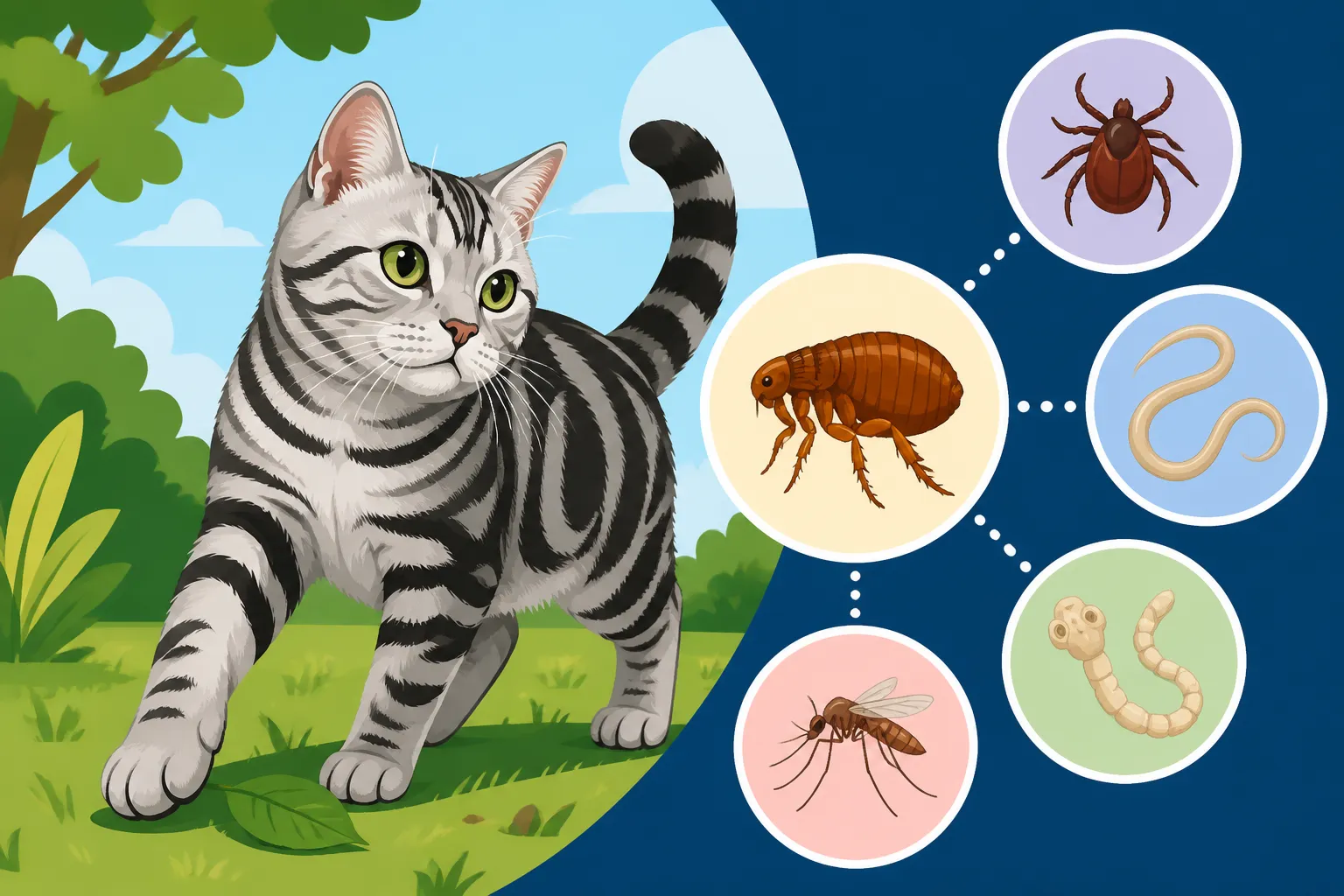
Which Parasites an Outdoor American Shorthair Picks Up
Allowing your beloved American Shorthair to explore the great outdoors is a wonderful way to enrich their lives, but it also opens them up to a hidden world of microscopic and not-so-microscopic dangers: parasites. It's a real concern for many cat parents, seeing their adventurous felines roll in the grass or stalk prey, knowing what invisible threats might be lurking. This guide will walk you through the most common parasites your outdoor American Shorthair might encounter, how to spot them, and what you can do to keep your furry friend safe and healthy.
The Reality of Outdoor Life: More Than Just Fresh Air
When your American Shorthair steps outside, they're entering an exciting, stimulating world, but also one filled with potential health hazards. While the fresh air and mental enrichment are undeniable benefits, it's crucial to acknowledge the trade-off, particularly regarding parasites that thrive in outdoor environments. It's not about fear-mongering, but rather about being prepared and proactive to protect your naturally robust companion.
The Lure of the Outdoors for an American Shorthair
American Shorthairs are well-known for their balanced temperament, intelligence, and natural athleticism. They were originally bred to be working cats, excellent mousers with a strong prey drive, and they carry that heritage even today. For many American Shorthair owners, letting their cat explore outdoors seems like a natural extension of their instincts, providing ample mental and physical stimulation that an indoor-only existence might not fully replicate. The thrill of the hunt, the feel of grass under their paws, and the endless array of scents can be incredibly enriching for a cat that still possesses so much of its ancestral working spirit. They often excel at stalking, chasing, and pouncing, fulfilling a deep-seated need to hunt.
However, this inherent desire to patrol their territory and engage with their environment also means they're constantly interacting with other animals, soil, vegetation, and potential hosts for various parasites. It’s a double-edged sword: natural behavior that brings joy but also introduces risks that indoor cats largely avoid. We often celebrate their independent spirit, but that independence in an outdoor setting comes with a responsibility to understand and mitigate the dangers they face.
Why Outdoor Exploration Means Exposure
The outdoor environment is a bustling ecosystem, teeming with life, including many organisms that rely on other animals to complete their life cycles. Every blade of grass, every patch of soil, every stray leaf can harbor parasite eggs or larvae. Other animals, both domestic and wild, play a significant role in transmitting these parasites. From squirrels and mice that carry fleas and tapeworms to raccoons and opossums that shed worm eggs in their feces, the natural world is a constant source of potential infection.
Even a quick roll in the dirt or an innocent rub against a bush can pick up external parasites like fleas or ticks. Drinking from puddles or hunting and consuming small prey can introduce internal parasites. Cats, by their very nature, are meticulous groomers. While this keeps their coats pristine, it also means they can easily ingest parasite eggs or larvae that have landed on their fur during their outdoor adventures. This self-grooming behavior, combined with their hunting instincts, makes them particularly susceptible to a wide array of parasitic invaders. Understanding this constant exposure is the first step in formulating a comprehensive prevention plan.
Unseen Invaders: Common External Parasites
When your American Shorthair comes back inside after an adventure, they might not be alone. External parasites are a pervasive problem for outdoor cats, causing everything from mild irritation to serious health issues. These critters live on your cat's skin and coat, feeding on blood or skin cells, and they can be notoriously difficult to get rid of once they've established a foothold.
Fleas: The Persistent Pests
Fleas are probably the most common external parasite that outdoor American Shorthairs pick up. These tiny, reddish-brown insects are champions at jumping, easily transferring from other animals (like neighborhood stray cats, dogs, or even wildlife like rabbits and rodents) or from infested environments (like tall grass, shady areas under bushes, or even other people's yards) onto your cat. Once on your American Shorthair, they quickly make themselves at home, biting to feed on blood.
The signs of fleas are often obvious: intense itching, scratching, biting, or licking at their fur, especially around the base of the tail, groin, and neck. You might even see "flea dirt" – tiny black specks that look like pepper – on their fur, which are actually flea feces containing digested blood. If you comb your cat with a fine-toothed flea comb, you might spot the fleas themselves or the flea dirt. Beyond the discomfort, fleas can lead to more serious problems. Some cats develop Flea Allergy Dermatitis (FAD), an allergic reaction to flea saliva that causes severe itching, hair loss, and skin infections from constant scratching. Fleas can also transmit other parasites, like tapeworms, if ingested during grooming. Regular flea prevention is non-negotiable for outdoor cats. Many owners wonder How Often an Outdoor American Shorthair Needs Flea Treatment.
Ticks: Tiny Hitchhikers with Big Problems
Ticks are another significant concern for American Shorthairs who roam outdoors, especially in wooded or grassy areas. Unlike fleas, ticks don't jump; they wait on vegetation for a host to brush by, then crawl on. Once attached, they burrow their mouthparts into the skin and feed on blood. They can range in size from tiny poppy seeds to engorged grapes, depending on their species and how long they've been feeding.
Ticks can transmit a variety of diseases, although the risk level varies by geographic region and tick species. While Lyme disease is less common in cats than in dogs, other tick-borne diseases like anaplasmosis and cytauxzoonosis (especially dangerous in the southern US) can be serious. It’s crucial to check your American Shorthair thoroughly after every outdoor excursion, paying close attention to areas like around the ears, between the toes, under the legs, and around the neck. You might ask, Whether Ticks Reach an American Shorthair Through That Coat, and the answer is a resounding yes, even with their relatively short, dense fur. If you find a tick, remove it carefully with fine-tipped tweezers, grasping it as close to the skin as possible and pulling straight up without twisting. Dispose of it properly to prevent re-infestation.
Mites: Microscopic Menaces
While not as visible as fleas or ticks, various types of mites can also infest an American Shorthair, especially those that spend time outdoors. Ear mites (Otodectes cynotis) are incredibly common, particularly in young cats or those who interact with other animals. They live in the ear canal, causing intense itching, head shaking, and dark, waxy debris that resembles coffee grounds. Left untreated, ear mite infestations can lead to painful ear infections.
Other mites, like sarcoptic mange mites (Sarcoptes scabiei) or demodectic mange mites (Demodex cati), are less common but can cause severe skin irritation, hair loss, and scabbing. These are usually picked up through direct contact with an infested animal. While American Shorthairs generally have robust skin health, an outdoor lifestyle certainly increases their exposure. Your vet can diagnose mites through a skin scraping or ear swab and prescribe appropriate treatments, which usually involve medicated ear drops or topical/oral medications. Early detection is key to preventing widespread discomfort and secondary infections.
Hidden Threats: Internal Parasites and Their Dangers
Beyond the visible external pests, outdoor American Shorthairs are also vulnerable to a range of internal parasites, often referred to as worms. These unwelcome guests live inside your cat's body, primarily in the intestinal tract, and can cause digestive upset, nutrient deficiencies, and in severe cases, more serious systemic health issues. The very behaviors that make outdoor life enriching – hunting, exploring, and socializing – are also what make them susceptible.
Roundworms: The Most Common Culprits
Roundworms (Toxocara cati) are arguably the most prevalent internal parasite in cats, and outdoor American Shorthairs are highly susceptible. Cats can contract roundworms in several ways: by ingesting infective eggs from contaminated soil or feces, by eating infected prey animals like rodents or birds, or even from their mother's milk as kittens. The adult worms live in the small intestine, feeding on digested food.
Common signs of a roundworm infestation include a pot-bellied appearance (especially in kittens), vomiting, diarrhea, weight loss despite a good appetite, and sometimes even seeing spaghetti-like worms in vomit or feces. These worms steal vital nutrients from your cat, which can lead to dull coats, stunted growth in younger cats, and overall poor health. The good news is that roundworms are relatively easy to treat with deworming medication prescribed by your veterinarian. Preventing ingestion of contaminated soil and avoiding hunting small prey are ideal, but in practice, regular deworming is the most effective approach for outdoor cats.
Hookworms: Silent Bloodsuckers
Hookworms (Ancylostoma tubaeforme) are another common intestinal parasite, though often less noticeable than roundworms. These tiny worms attach to the lining of the small intestine and feed on blood, which can lead to anemia, particularly in kittens or heavily infested adult cats. American Shorthairs can pick up hookworms by ingesting larvae from contaminated soil, or by the larvae directly penetrating their skin, especially through their paws. They can also become infected by eating infected prey.
Signs of hookworms can include weight loss, poor coat quality, bloody or tarry stools (due to the intestinal bleeding they cause), and pale gums due to anemia. In severe cases, particularly in kittens, hookworms can be life-threatening. Because of their small size and the way they feed, early detection through a fecal exam is critical. Your veterinarian will typically prescribe an anthelmintic medication to eliminate the hookworms, and follow-up fecal exams are often recommended to ensure complete eradication. Regular deworming, especially for outdoor cats, is vital for managing this silent threat.
Tapeworms: The Lingering Legacy of Fleas and Prey
Tapeworms (Dipylidium caninum and Taenia taeniaeformis) are long, segmented worms that reside in the small intestine. Unlike roundworms or hookworms, cats don't directly ingest tapeworm eggs from the environment. Instead, they get tapeworms by ingesting an intermediate host that carries the tapeworm larvae. The most common way for an outdoor American Shorthair to contract Dipylidium caninum is by eating an infected flea during grooming. This is a powerful reminder of how interconnected parasite prevention is; effective flea control directly reduces the risk of this type of tapeworm.
The other common tapeworm, Taenia taeniaeformis, is acquired when cats hunt and ingest infected rodents, rabbits, or birds. Given that How Often an American Shorthair Brings Prey Indoors can be quite frequent for an outdoor cat, this is a significant risk factor. The most noticeable sign of tapeworms is the presence of small, rice-like segments (proglottids) around your cat's anus, in their feces, or on their bedding. These segments, which contain tapeworm eggs, can sometimes be seen wiggling. While tapeworms rarely cause severe illness in adult cats, they can lead to anal itching, scooting, mild weight loss, or an unkempt coat. Treatment involves a specific deworming medication that kills tapeworms, and again, consistent flea control is key to preventing re-infestation.
Heartworms: A Less Common but Devastating Threat
While more commonly associated with dogs, heartworms (Dirofilaria immitis) can also affect cats, including outdoor American Shorthairs. Heartworms are transmitted by mosquitoes. When an infected mosquito bites a cat, it deposits infective larvae into the bloodstream. These larvae mature and travel to the heart and pulmonary arteries, where they can cause severe respiratory and cardiovascular problems.
In cats, heartworm disease often presents differently than in dogs. Cats are generally considered "atypical hosts," meaning fewer worms typically develop, and they don't live as long. However, even a small number of worms can be devastating, leading to a condition known as Heartworm Associated Respiratory Disease (HARD), which mimics asthma or allergic bronchitis. Symptoms can include coughing, difficulty breathing, vomiting, lethargy, and sudden collapse or death. Diagnosis can be challenging in cats, and unfortunately, there is no approved treatment for heartworm disease in felines. Prevention is therefore paramount for any cat at risk, especially those spending time outdoors in mosquito-prone areas. Monthly preventive medications are available and highly recommended by veterinarians.
Beyond the Itch: Zoonotic Risks and Your Family
The thought of your cat picking up parasites is concerning enough for their health, but it's vital to remember that some of these parasites can also be transmitted to humans. This concept, known as zoonosis, means that protecting your American Shorthair from parasites isn't just about their well-being; it's also about safeguarding the health of everyone in your household, especially children and those with compromised immune systems.
Sharing More Than a Home: Parasites and Human Health
When your outdoor American Shorthair brings parasites into your home, whether they are fleas jumping off the carpet or microscopic worm eggs shed in the litter box, the risk of human exposure increases. For example, roundworm eggs, if ingested by humans (often through accidental contact with contaminated soil or litter, then hand-to-mouth transfer), can hatch and migrate through the body, causing a condition called visceral larva migrans. This can lead to symptoms ranging from mild abdominal pain to more serious issues if larvae reach organs like the liver, lungs, or eyes (ocular larva migrans), potentially causing vision problems.
Tapeworms, particularly the flea-borne Dipylidium caninum, can also infect humans, most commonly children, if they accidentally ingest an infected flea. While usually mild, it can still cause digestive upset. Even external parasites like fleas can bite humans, causing itchy welts, though they rarely live on human hosts long-term. Understanding these potential risks underscores the importance of a rigorous parasite prevention program for your outdoor American Shorthair, not just for them, but for the entire family. Many pet owners choose pet insurance, like plans offered by Healthy Paws, to help manage the costs of comprehensive preventative care and unexpected parasite-related illnesses.
Protecting the Vulnerable: Children and Immunocompromised Individuals
Children are particularly susceptible to zoonotic parasite infections because they often play closer to the ground, put their hands in their mouths, and may not always practice diligent hand hygiene. A child playing in a sandbox or garden where an outdoor cat has defecated could inadvertently pick up roundworm eggs. Therefore, consistent litter box hygiene and ensuring outdoor play areas are kept clean and free of animal waste are crucial.
Immunocompromised individuals, such as the elderly, those undergoing chemotherapy, or people with certain medical conditions, are also at higher risk of more severe illness from zoonotic parasites. For these individuals, even a mild infection can become a serious health concern. This highlights why an effective parasite control strategy for your outdoor American Shorthair is not merely a routine pet care task but a public health measure. Regular vet visits for your American Shorthair, including fecal exams to check for internal parasites, are key components of this strategy. Having a plan with your vet and a reliable pet insurance provider like Healthy Paws can help ensure consistent and affordable care.
Preventive Measures: Keeping Your Outdoor Explorer Safe
Given the myriad of parasites an outdoor American Shorthair can encounter, prevention is truly the best medicine. A consistent, multi-faceted approach is necessary to keep your adventurous feline safe and minimize the risks to your household. This isn't a one-and-done task; it's an ongoing commitment that requires diligence and regular veterinary guidance.
Regular Parasite Control Regimens
The cornerstone of parasite prevention for any outdoor cat is a consistent regimen of deworming and flea/tick control. There are many effective products available, ranging from monthly topical "spot-on" treatments to oral medications. Your veterinarian is the best resource for recommending the most appropriate products for your American Shorthair, taking into account their lifestyle, your geographic location (which parasites are prevalent locally), and any other health considerations. Many of these products are broad-spectrum, meaning they target multiple types of parasites, simplifying the prevention process.
For instance, some monthly preventatives protect against fleas, ticks, heartworms, and several common intestinal worms. Adhering strictly to the recommended dosing schedule is paramount; skipping doses can leave your cat vulnerable. While your cat may naturally bring you things, and you're unsure How to React When an American Shorthair Brings You Something, always consider it a potential sign of hunting success and thus, exposure to parasites. Remember that even with the best prevention, regular veterinary check-ups are essential, typically at least once a year, where your vet can perform physical exams and discuss your cat's specific risk factors.
Environmental Management and Hygiene
While medication is vital, managing your cat's environment can also significantly reduce parasite exposure. Keeping your yard tidy by mowing grass regularly and removing leaf litter can reduce areas where fleas and ticks thrive. Discouraging wildlife (such as raccoons, opossums, and stray cats) from your property can also help, as these animals often carry and shed parasite eggs and larvae. Securing trash cans and removing outdoor food sources can deter unwanted visitors.
Inside the home, regular vacuuming, especially in areas where your American Shorthair spends a lot of time, can help remove flea eggs and larvae. Promptly scooping the litter box is crucial, as fresh feces are less likely to contain infective parasite eggs, which often require a few days to become infectious. Using a large, easily accessible litter box, such as the kind that suits a square built American Shorthair, can encourage good hygiene. Always wash your hands thoroughly after handling litter or gardening, particularly if you're dealing with areas your cat has access to.
Considering a Controlled Outdoor Environment
For some American Shorthair owners, especially those living in areas with high parasite loads or significant safety risks, providing a controlled outdoor environment might be the best compromise. Catios (enclosed outdoor patios for cats) offer your American Shorthair the sensory richness of the outdoors – fresh air, sunshine, bird watching – without direct exposure to parasites, traffic, or fights with other animals.
While Whether a Catio Satisfies an American Shorthair's Drive might vary for individual cats, it can significantly reduce their risk of picking up fleas, ticks, and internal worms from ingesting prey. For example, an outdoor American Shorthair might come home with Which Injuries an Outdoor American Shorthair Comes Home With, alongside parasites, increasing the total health risk. Catios allow them to safely observe birds and insects without being able to hunt and consume them, thus preventing the transmission of tapeworms from prey. This option offers a fantastic way to strike a balance between allowing your American Shorthair to enjoy the outdoors and protecting them from its inherent dangers.
When to Seek Help: Recognizing the Signs of Infestation
Even with the most diligent preventive measures, outdoor American Shorthairs can occasionally pick up parasites. Knowing what to look for and when to contact your veterinarian is crucial for prompt diagnosis and effective treatment, minimizing discomfort for your cat and preventing further spread. Don't hesitate if you suspect an issue; early intervention is always best.
Spotting External Parasite Indicators
External parasites often give themselves away through visible signs or changes in your cat's behavior. The most common indicator is excessive scratching, licking, or biting at their fur. If you notice your American Shorthair constantly grooming a particular area, or if they suddenly develop scabs, red patches, or hair loss, it's time for a closer inspection. Flea dirt (those tiny black specks resembling pepper) is a strong sign of fleas. You can often see it by parting your cat's fur or wiping a damp paper towel over their coat – if the specks turn reddish-brown, it's flea feces.
For ticks, it’s about physically finding them. After your American Shorthair has been outside, run your hands over their entire body, paying special attention to warmer, hidden areas like under the chin, behind the ears, in the armpits, and between the toes. You'll feel small bumps if a tick has attached. Remember, a cat with a healthy, dense coat can still harbor these parasites. If you're unsure what you're seeing, or if your cat is displaying significant discomfort, a visit to your vet for a professional examination is always warranted.
Identifying Internal Parasite Symptoms
Internal parasites can be a bit more subtle, as they're not visible on the outside, but they do cause noticeable changes in your cat's health and bodily functions. Watch for digestive upset: vomiting, diarrhea, or changes in stool consistency (e.g., bloody or unusually soft stools). Weight loss, despite your American Shorthair maintaining a good appetite, can be a red flag, as worms steal nutrients. A dull or unkempt coat, lethargy, or a pot-bellied appearance (especially in kittens) are also signs that internal parasites might be at play.
The most definitive sign of intestinal worms is seeing them in your cat's vomit or feces. Roundworms look like small pieces of spaghetti, while tapeworm segments resemble grains of rice, sometimes moving, especially around the anus. If you notice any of these signs, collect a fresh stool sample if possible and contact your vet immediately. It's often helpful to keep pet insurance, such as a plan from Healthy Paws, to help cover the costs of diagnostic tests and treatments when these issues arise.
The Importance of Fecal Exams and Vet Visits
Because many internal parasite eggs are microscopic, the most reliable way to diagnose an infestation is through a fecal examination performed by your veterinarian. They will examine a small sample of your cat's stool under a microscope to identify the presence of eggs or larvae from various types of worms. This is why annual vet visits and bringing a fresh fecal sample are so important for outdoor American Shorthairs, even if they appear healthy. How Regularly a Healthy American Shorthair Still Needs Checking includes these crucial preventative screenings.
A comprehensive veterinary visit allows your vet to assess your cat's overall health, discuss their lifestyle, and recommend the most appropriate parasite prevention plan. They can also perform necessary blood tests, if indicated, to rule out other issues, including less common but serious parasites like heartworms. Never attempt to self-diagnose or self-treat a parasitic infection; over-the-counter dewormers can be ineffective, or worse, harmful if not used correctly or if the wrong parasite is targeted. Your vet has the expertise to correctly identify the parasite and prescribe a safe and effective treatment plan, ensuring your American Shorthair gets the best care possible.
| Parasite Type | Mode of Transmission (Outdoor Cat) | Common Symptoms | Prevention & Control | Zoonotic Risk |
|---|---|---|---|---|
| Fleas | Contact with infested animals/environment | Intense itching, scratching, "flea dirt," skin irritation, hair loss, FAD | Monthly topical/oral preventatives, environmental cleaning | Can bite humans |
| Ticks | Crawling onto cat from vegetation | Attached, engorged parasites; potential for lameness, fever, lethargy (tick-borne disease) | Monthly topical/oral preventatives, regular body checks | Rare human transmission of specific diseases |
| Ear Mites | Direct contact with infested animals | Head shaking, ear scratching, dark waxy debris in ears, ear infections | Ear mite treatment, regular ear cleaning, avoid contact with infested animals | No |
| Roundworms | Ingesting contaminated soil/feces, infected prey (rodents, birds) | Pot-belly, vomiting, diarrhea, weight loss, visible worms in stool/vomit | Regular deworming, discourage hunting, good hygiene | Yes (Visceral/Ocular Larva Migrans) |
| Hookworms | Ingesting contaminated soil/feces, skin penetration, infected prey | Weight loss, bloody/tarry stools, anemia, lethargy | Regular deworming, discourage hunting, good hygiene | Yes (Cutaneous Larva Migrans) |
| Tapeworms | Ingesting infected fleas or infected prey (rodents) | Rice-like segments around anus/in stool, anal itching, mild weight loss | Flea control, regular deworming (specific for tapeworms), discourage hunting | Yes (if infected flea is ingested) |
| Heartworms | Bites from infected mosquitoes | Coughing, difficulty breathing, vomiting, lethargy, sudden collapse | Monthly heartworm preventatives | No |
Disclaimer
Please remember that this article is intended for informational purposes only and is not a substitute for professional veterinary advice. Always consult with a qualified veterinarian for any health concerns or before making any decisions about your American Shorthair's care, diet, or treatment plans.