What a Brown Tabby American Shorthair Is
A brown tabby American Shorthair is a pedigreed cat with a warm brown coat and darker tabby markings—not a separate breed or simply any brown-striped cat. That distinction can be confusing when a shelter cat looks remarkably similar. This guide explains the coat pattern, the American Shorthair features to look for, and what paperwork can actually confirm breed identity.
What brown tabby means on an American Shorthair
Brown describes the coat color, not a separate breed
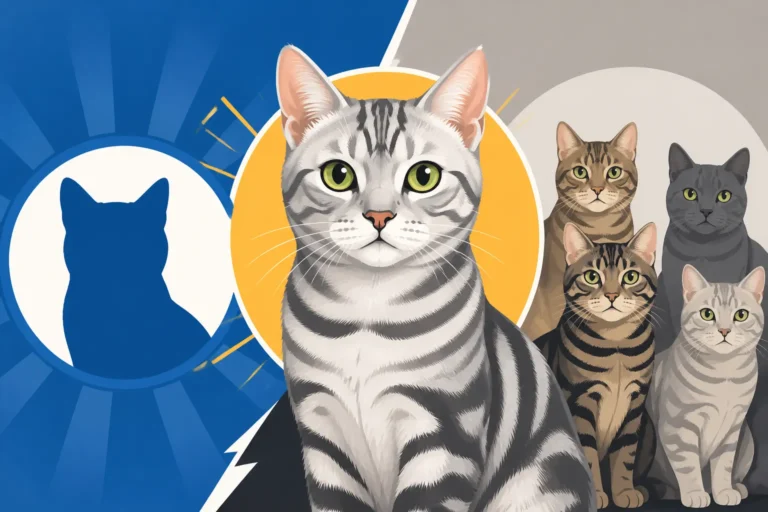
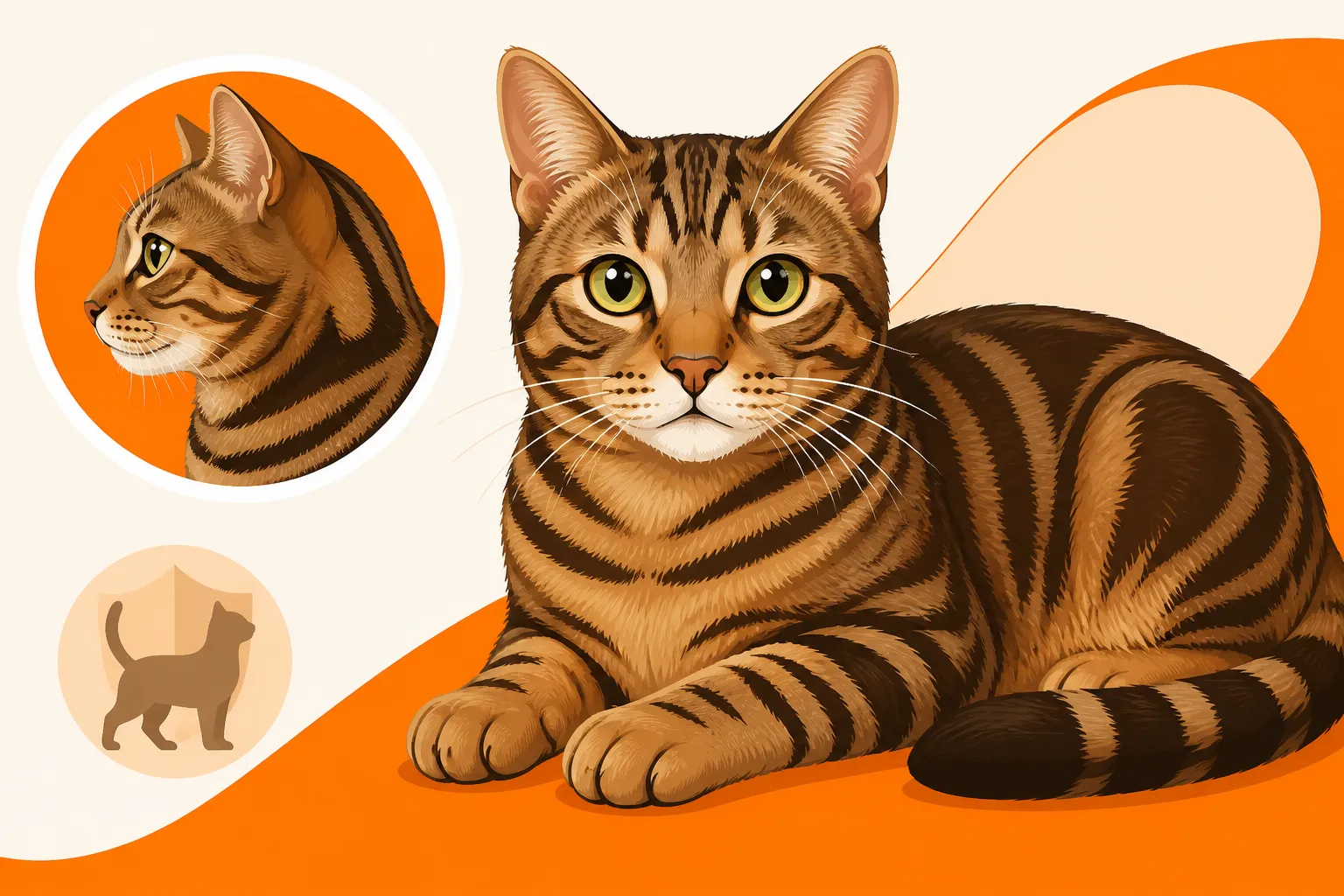
“American Shorthair” names the breed; “brown tabby” describes a coat color and pattern. A brown tabby American Shorthair typically has a warm brown or tawny background with darker, often black, markings. The exact shade and contrast can vary from cat to cat.
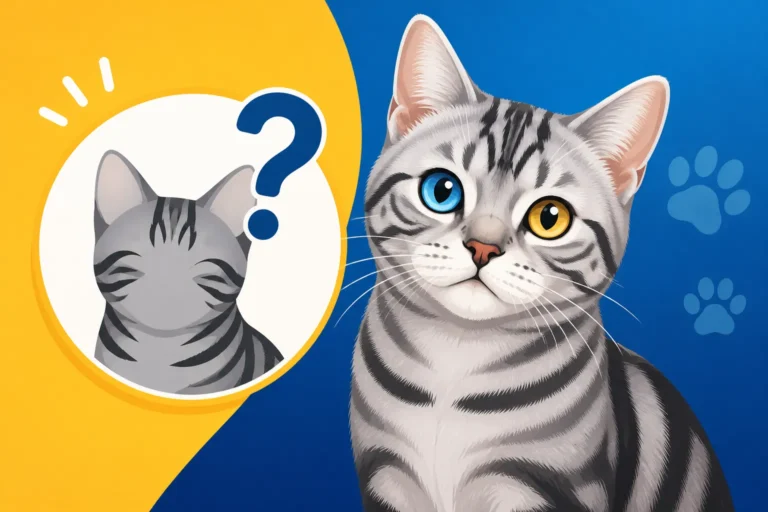
The word tabby refers to a pattern, not a breed. Tabby cats commonly have lines around the eyes, markings on the face, and an “M” shape on the forehead. Their bodies may show broad swirls, narrow stripes, or another tabby arrangement. The outline and clarity of the markings can differ, even among cats with the same general color description.
Brown tabby is one of the coat varieties associated with the breed, alongside many other colors and patterns. It isn’t an indication that the cat is more or less of an American Shorthair, and it does not tell you whether the cat has a particular temperament. For a wider look at the range, see Which Colors an American Shorthair Comes In.
The pattern can be classic, mackerel, or another tabby type
A classic tabby pattern has broad, curved markings along the sides, often forming a “bullseye” or marbled effect. The back and shoulders may also have darker lines or bands. If you see wide swirls rather than lots of narrow stripes, the cat may be described as a brown classic tabby. What a Classic Tabby American Shorthair Is explains this pattern in more detail.
A mackerel tabby usually has narrower stripes running down the sides, giving the pattern a more vertically striped appearance. The stripes may be broken or uneven rather than looking like perfectly spaced lines. For a closer comparison, read What a Mackerel Tabby American Shorthair Is.
A coat’s pattern is easiest to assess in good natural light. Indoor lighting can make warm brown fur look darker or flatter, while a phone camera may exaggerate contrast or shift the color. If you’re trying to describe a cat accurately, note both the background color and the shape of the markings instead of relying on a photo alone.
| Feature | Brown tabby American Shorthair | What it tells you |
|---|---|---|
| Brown background | Warm brown or tawny tones are common | Describes the coat color |
| Dark markings | Often black or very dark brown | Helps define the tabby pattern |
| Face markings | May include forehead lines and an “M” shape | A common tabby feature, not proof of breed |
| Side pattern | May show broad swirls or narrower stripes | Helps describe the tabby type |
| Pedigree records | Document lineage through a recognized registry | Supports breed identification |
How to recognize the breed beyond the coat
Look at the whole cat, not just its markings
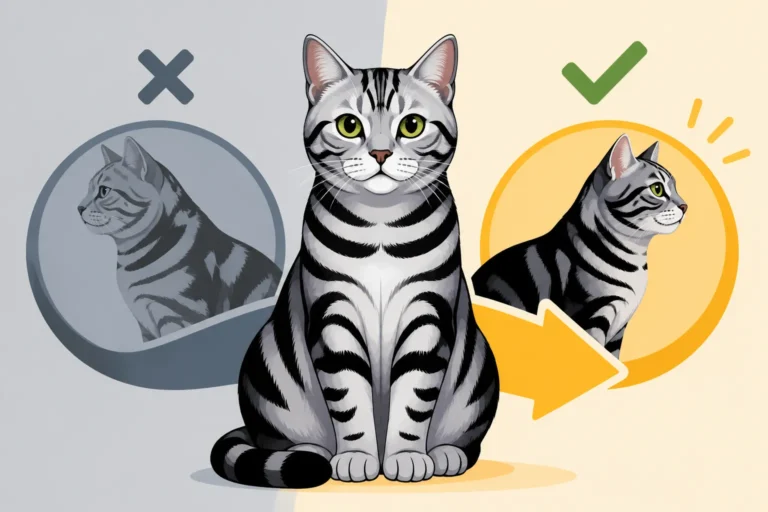
American Shorthairs are generally sturdy, muscular cats with a balanced, substantial build. They tend to have a broad chest, strong legs, a rounded head, and a muzzle that looks firm rather than delicate. Their short coat is dense and protective, not necessarily sleek or close-lying like a thin layer of velvet.
A brown tabby domestic shorthair may share many of these features. That’s not surprising: domestic shorthairs come in an enormous range of colors and body types, and some look very similar to pedigreed American Shorthairs. Coat color alone cannot distinguish the two. The breed standard describes a combination of features rather than a single unmistakable marking. See What the American Shorthair Standard Asks For for more on the expected overall type.
It can also be hard to judge a kitten’s adult shape. Young cats are still growing, and their proportions can change as they mature. Even in adult cats, individual differences are normal. A stocky appearance or round face may suggest a resemblance, but resemblance is not the same as documented ancestry.
A brown tabby pattern does not confirm pedigree
The most reliable way to establish that a cat is a pedigreed American Shorthair is to review its lineage documentation from the breeder or registry. Registration records and a pedigree trace the cat’s ancestry; a brown tabby coat does not. Responsible breeders should be willing to explain what their paperwork shows and how it connects to the kitten being offered.
This distinction matters if you are adopting or buying a cat. A shelter might describe a cat as an “American Shorthair mix” based on its appearance, but that description is not the same as documented pedigree. If the cat’s history is unknown, “brown tabby domestic shorthair” is often the more cautious description, even when the cat looks very much like the breed. What a Domestic Shorthair Is Next to an American Shorthair covers the difference between a coat description and breed identity.
People sometimes turn to DNA tests for an answer. A test may offer clues about ancestry, but it should not be treated as a replacement for registration records when confirming a pedigreed cat. Appearance-based guesses have limits, too. For more context, see How to Tell an American Shorthair From a Random Bred Tabby and Whether a DNA Test Tells an American Shorthair From a Moggy.
Coat care and everyday life with a brown tabby
The coat is short, but seasonal shedding still happens
A brown tabby American Shorthair usually needs straightforward coat care rather than elaborate grooming. A brief comb-through can lift loose hair and give you a chance to check the skin. Many owners find that shedding becomes more noticeable during seasonal coat changes, although indoor heating and lighting can make shedding feel less neatly seasonal.
You don’t need to brush every day if the coat is in good condition and the cat tolerates grooming only in short sessions. Start gently, especially if you have a kitten or an adult cat who has never enjoyed being handled with a comb. A few calm passes followed by a treat can work better than trying to finish a full grooming routine when the cat is already squirming.
If you shop for basic grooming supplies online, Chewy is one place people may look for combs or brushes. The best tool is the one that suits your cat’s coat and that you can use comfortably; a simple comb may be plenty. There’s more practical advice in How Little Combing an American Shorthair Actually Needs.
Keep an eye on more than loose fur
Grooming is also a handy opportunity to notice changes. Check for new lumps, irritated skin, painful spots, or a sudden increase in grooming or shedding. If your cat begins avoiding touch or develops an area of thinning fur, don’t assume it is just a normal coat change. A veterinarian can help work out whether a health or skin issue needs attention.
A dense short coat doesn’t make an American Shorthair immune to hairballs, skin irritation, or the practical effects of being overweight. If a cat struggles to reach parts of its back, that may be a reason to discuss mobility and weight with a veterinarian—not simply to brush harder. Grooming needs can also change as a cat gets older.
Some households add a grooming glove or soft brush to their supplies, perhaps while ordering food or litter. If you already use Chewy for pet essentials, you can compare basic options there, but a more expensive tool isn’t automatically a better fit. Watch your cat’s response: relaxed body language is a useful sign that the pressure and pace are comfortable.
Choosing or identifying a brown tabby American Shorthair
Questions to ask a breeder
If you are looking for a pedigreed brown tabby American Shorthair, ask the breeder to show the kitten’s registration or pedigree information and explain which registry the records come from. Ask how the kitten is described in the litter’s paperwork and whether the coat is classified as brown tabby, brown classic tabby, or another specific pattern. Clear answers are more useful than a seller relying on a photo or a general claim that the kitten “looks purebred.”
You can also ask to meet the kitten and, when possible, see its mother and the home environment. A thoughtful breeder should be comfortable discussing the kittens’ socialization, routine veterinary care, and the traits they are selecting for. Breed identification and health questions are related parts of choosing a kitten, but a coat color is not a substitute for either good records or responsible care.
A very low-detail listing that uses “American Shorthair” as a label without explaining the documentation deserves careful questions. That doesn’t mean a cat with no papers is any less lovable or a poor companion. It simply means you should separate the cat’s value as a pet from what can be verified about its pedigree.
Questions to ask a shelter or rescue
When adopting, ask what is known about the cat’s background and how the organization arrived at its breed description. If the cat came in as a stray, its history may be unknown. A shelter may reasonably describe a cat as a brown tabby or note that it resembles an American Shorthair, but that appearance does not establish pedigree.
Try to focus on the qualities that matter for your home: the cat’s age, health information, energy level, comfort with handling, and response to children or other animals. A brown tabby domestic shorthair can be an excellent companion without having a registered family tree. If the match feels right, the coat label may become a small detail in the bigger picture.
If you are comparing supplies while preparing for a new cat, Chewy may be one convenient place to browse basics such as a carrier, litter, or grooming tools. Before buying anything, consider what the cat already uses and whether a sudden change might create stress. In particular, familiar food and litter can make the first days at home easier while the cat adjusts.
Separate appearance, paperwork, and personality
A brown tabby American Shorthair is best understood as the meeting point of three separate things: a documented breed, a particular coat color and pattern, and an individual cat with its own personality. The markings can help you describe the cat. The build may resemble the breed. The pedigree is what supports a claim about documented lineage.
That distinction keeps expectations realistic whether you are browsing breeder listings, meeting a rescue cat, or simply trying to name the handsome tabby already curled up on your sofa. Brown tabby is a recognizable, appealing coat pattern, but it does not guarantee a certain temperament or prove that a cat is pedigreed. If the cat is healthy, comfortable, and a good fit for your household, those everyday qualities matter far more than whether the paperwork uses the exact breed label you expected.
Disclaimer
This article is for general informational purposes only and does not constitute professional advice. Laws, prices and regulations vary by location and change over time. Consult a qualified professional for guidance on your specific situation.