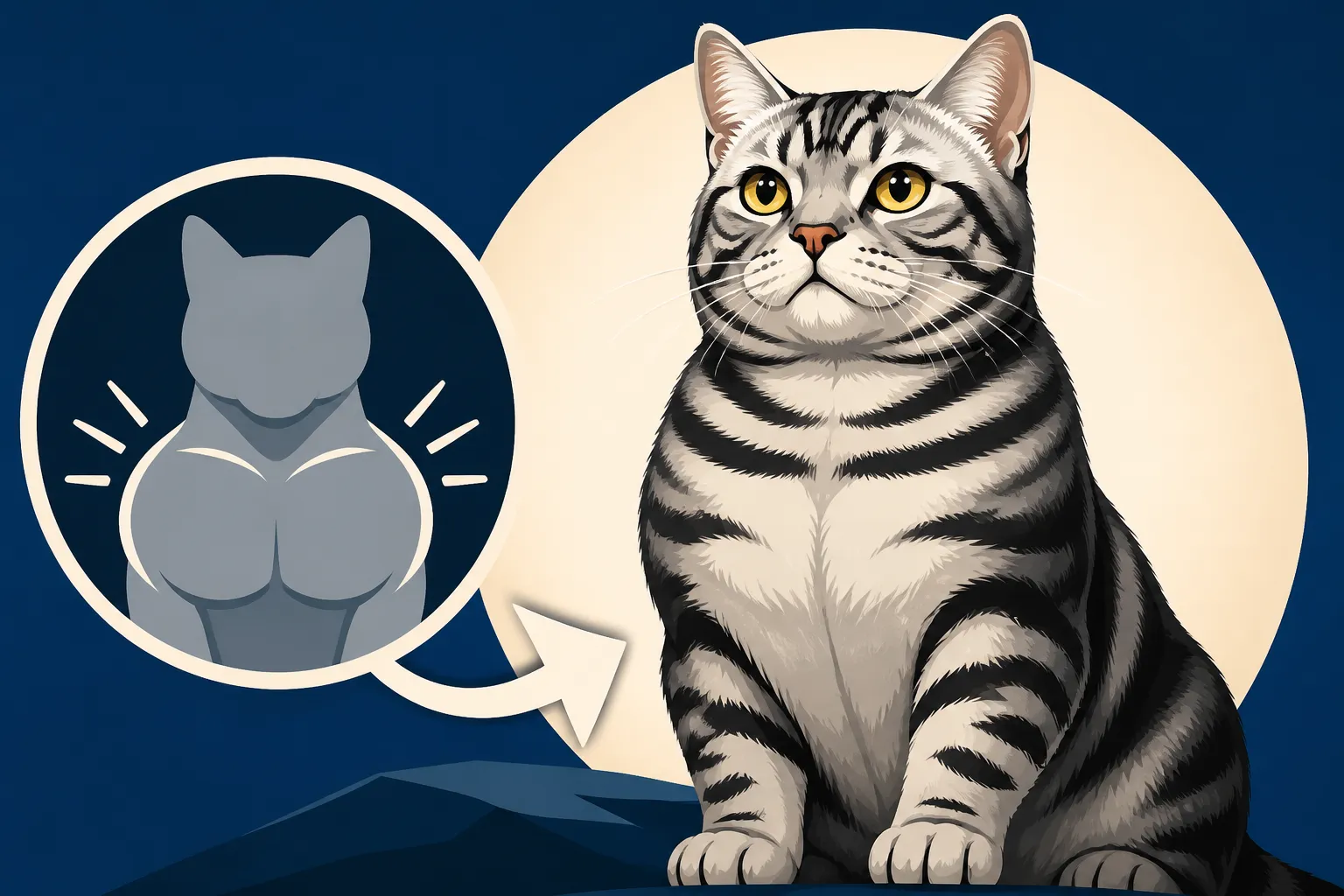
Why the American Shorthair Kept a Broad Chest
If you've ever admired an American Shorthair, you've probably noticed their distinct, sturdy build. One of their most defining physical characteristics, often commented upon by enthusiasts and owners alike, is their broad chest. This isn't just a pretty feature; it's a direct link to their historical role and speaks volumes about the breed's functional origins. This guide will delve into why this particular breed maintained such a robust chest, exploring the practical benefits it offered their ancestors and how it continues to shape the breed today.
The Ancestral Blueprint: Function Over Form
It's easy to look at a beautiful pedigree cat today and forget that many breeds, including our beloved American Shorthair, have roots in practical, hardworking roles. For centuries, before they were cherished show cats and family companions, their ancestors were crucial working animals. These were the cats that sailed on ships, protected settlers' grain stores, and patrolled farms and barns across North America. Their very survival depended on their physical prowess, and every aspect of their anatomy, including that broad chest, was honed for efficiency in their tough daily lives.
The Role of the Early American Shorthair Ancestors
Imagine the conditions these early cats faced. They weren't living lives of leisure; they were pest controllers, first and foremost. On ships, they dealt with rats and mice that could chew through ropes, contaminate food, and spread disease. On land, whether in bustling port cities or quiet rural homesteads, they were relied upon to keep vermin populations in check, safeguarding vital food supplies and preventing damage to property. This wasn't a casual job; it was a demanding, full-time commitment that required specific physical attributes to succeed. Their hunting wasn't just a game; it was their livelihood, and often, their meal ticket. The Mayflower Cats Behind the American Shorthair tells a fascinating story of these origins.
Survival of the Fittest: Why a Broad Chest Mattered
In such an environment, natural selection played a significant role. Cats with traits that made them better hunters, more resilient survivors, and more effective at their "job" were the ones most likely to thrive and pass on their genes. A broad chest wasn't just for aesthetics; it was a powerful functional advantage. It housed larger lungs and a strong heart, allowing for incredible stamina and explosive bursts of speed. This was vital for chasing down elusive prey, navigating challenging terrain, and enduring long days of patrol. Cats with weaker, narrower chests simply wouldn't have been as effective, and thus, less likely to contribute to the gene pool that eventually became the American Shorthair we know today.
The Muscular Powerhouse: Anatomy of the Broad Chest
To truly understand why the American Shorthair's broad chest is such a defining feature, we need to look a little closer at the anatomy itself. It's not just about a wide rib cage; it's about the intricate network of bones, muscles, and organs that work together to create this powerhouse of a physique.
Housing Vital Organs and Enhancing Respiration
The rib cage forms a protective fortress for the cat's most crucial internal organs: the heart and lungs. A broad chest provides ample space for these organs to develop fully and function optimally. Larger lungs mean greater lung capacity, allowing for more efficient oxygen intake and delivery to muscles. This is absolutely critical for a cat that might need to sprint, climb, or pounce with explosive force. Think about it: a cat needs to be ready to act at a moment's notice, whether it's scaling a tall hay bale to catch a mouse or darting through underbrush to evade a threat. Without the ability to take in enough oxygen quickly, they'd tire out fast. This ties directly into How Farm Work Shaped the American Shorthair, highlighting the practical demands that shaped their bodies.
The Foundation for Powerful Musculature
Beyond just the internal organs, a broad chest provides a solid base for the attachment of strong muscles that power the cat's forelegs and shoulders. These muscles are essential for a variety of activities vital to a working cat's life:
- Pouncing and striking: When an American Shorthair pounces, it's not just a cute leap; it's a powerful, calculated move. The strong chest and shoulder muscles provide the leverage and force needed to pin down prey.
- Climbing and jumping: Whether it was scaling fences, climbing into barn rafters, or leaping onto shelves, these cats needed robust upper body strength. A broad chest gives more surface area for the attachment of these powerful muscles.
- Stability and balance: A wider stance, supported by the broad chest and well-developed shoulder girdle, contributes to overall stability. This helps the cat maintain balance when navigating uneven surfaces or carrying prey.
The robust frame of the American Shorthair isn't an accident; it's a testament to centuries of functional necessity.
The Breed Standard and Modern Selection
While the initial development of the American Shorthair's broad chest was driven by natural selection and their working roles, modern breeders have played a crucial role in maintaining and refining this characteristic. When the breed was officially recognized and standards were established, the functional aspects of their build were carefully preserved.
Defining the Ideal American Shorthair Physique
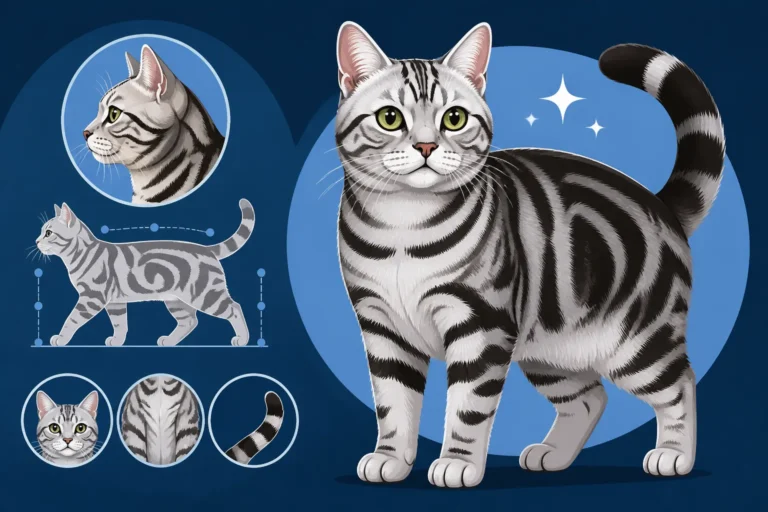
The breed standard for the American Shorthair specifically calls for a cat of medium to large size, well-muscled, and powerfully built. The chest is described as full, broad, and deep, often conveying a sense of strength and solidity. This isn't just about appearance; it's about honoring the heritage of the breed. Breeders understand that this robust build is what defines the American Shorthair as a true working cat, even if many never hunt a mouse in their lives. What an American Shorthair Looks Like by the Standard delves deeper into these specific requirements.
Let's look at some key physical attributes related to their chest:
| Feature | Description | Functional Advantage |
|---|---|---|
| Broad Chest | Wide and deep, allowing for ample lung and heart space. | Increased stamina, quick recovery, powerful movements. |
| Well-Muscled Shoulders | Strong, developed muscles across the shoulder blades. | Enhanced pouncing power, climbing ability, stability. |
| Sturdy Legs | Medium length, heavily boned, and muscular. | Support for heavy body, strong leaps, efficient running. |
| Compact Body | Solid, well-balanced, and powerful, often described as rectangular or "square." | Agile yet stable, able to maneuver quickly and efficiently. |
| Short, Dense Coat | Provides protection from elements without hindering movement. | Weather resistance, minimal snagging in underbrush. |
This commitment to the breed standard means that even today, responsible breeders prioritize these physical traits, ensuring that the broad chest continues to be a hallmark of the American Shorthair.
Avoiding Extremes While Preserving Type
One of the great things about the American Shorthair, particularly when compared to some other pedigreed breeds, is the focus on moderation and functionality. While some breeds have been selectively bred for extreme features that can sometimes lead to health problems, the American Shorthair standard emphasizes a well-balanced, natural look that supports good health and an active lifestyle. The broad chest is not an extreme; it's a perfectly proportioned feature that serves a real purpose. Breeders work to maintain this ideal, ensuring cats are robust without being overly cobby or heavy. This approach helps ensure that the traits that make the American Shorthair hardy and resilient are passed down through generations. You can learn more about how breeders ensure health in What an American Shorthair Breeder Should Have Screened.
Living with a Broad-Chested American Shorthair
Understanding the origins and purpose of your American Shorthair's broad chest isn't just academic; it has practical implications for their care, well-being, and even how you interact with them. This sturdy build means they have specific needs that you, as a loving owner, should be aware of.
Harnessing and Carriers
Finding the right harness or carrier for an American Shorthair can sometimes be a bit of a challenge due to their broad chest. Many standard harnesses are designed for more slender, tubular cats and might pinch or rub behind their front legs. You'll want to look for harnesses specifically designed for "broad-chested" or "stocky" breeds, often with adjustable straps that allow for a comfortable, secure fit around their deeper chest. When shopping, whether you're browsing online at a retailer like Chewy or visiting a local pet store, pay close attention to the sizing guides and measurement recommendations. Always measure your cat accurately around the widest part of their chest and behind their front legs. A well-fitting harness should allow two fingers to slip underneath comfortably, without being loose enough for them to slip out.
Similarly, when choosing a carrier, remember that a cat with a broad chest and muscular frame will need ample space to turn around and stand up comfortably. Don't go for the smallest option; invest in a carrier that provides plenty of room, especially in width and height, to accommodate their sturdy build. This is particularly important for vet visits or travel, as a cramped carrier can be a source of stress.
Exercise and Activity Needs
That broad chest isn't just for show; it's a testament to their need for activity. American Shorthairs, even those who have long retired from active pest control, retain a strong hunting drive. That powerful musculature needs an outlet. This means regular playtime that mimics the hunt sequence: stalking, chasing, pouncing, and "killing" the toy. Wand toys, laser pointers (with a final "catch" at the end to prevent frustration), and even puzzle feeders from places like Chewy that make them work for their food are excellent choices. How Much Simulated Hunting an American Shorthair Needs can give you even more ideas.
Providing vertical spaces like cat trees or shelves is also incredibly beneficial. Their strong build makes them excellent climbers, and giving them elevated vantage points satisfies their natural instinct to survey their territory. Without adequate physical and mental stimulation, a well-built American Shorthair can become bored or, worse, gain unhealthy weight, which puts undue strain on those strong joints and organs housed within that broad chest. Why an American Shorthair Stops Jumping to the Counter might offer further insights into how their physical capabilities evolve.
Health Considerations Related to Build
While the American Shorthair is generally a very healthy and robust breed, their solid build can present some considerations as they age. Their strong musculoskeletal system is fantastic when they're young and active, but like any robust animal, weight management becomes paramount. Extra weight on a broad-chested, well-boned frame can still lead to joint issues like hip dysplasia or exacerbate arthritis later in life. It's crucial to monitor their weight and ensure they maintain a lean, muscular physique throughout their lives. Why a Broad Chested American Shorthair Puts Weight Through Its Hips explains this in more detail.
Regular veterinary check-ups are always important, but paying attention to their mobility as they age, and discussing appropriate diet and exercise with your vet, can help keep that broad chest strong and healthy for years to come. Because their build supports a powerful cardiovascular system, it's also worth discussing heart health with your vet, although the American Shorthair is generally considered less prone to inherited heart conditions than some other breeds. For more on this, check out Why an American Shorthair Still Needs a Yearly Heart Scan.
The American Shorthair's broad chest is more than just a physical trait; it's a living piece of history, a testament to their heritage as capable, adaptable working cats. By understanding its origins and implications, you can better appreciate your sturdy companion and provide them with the best possible care, celebrating the magnificent, functional design that defines this remarkable breed.
Disclaimer
This article is for general informational purposes only and does not constitute professional advice. Laws, prices and regulations vary by location and change over time. Consult a qualified professional for guidance on your specific situation.