Where the First American Shorthairs Came Ashore
It’s a truly fascinating question, isn't it? When we look at the sturdy, self-possessed American Shorthair, it’s easy to imagine they’ve just always been here, part of the American landscape. But these incredible cats have a rich, untold history, a story of intrepid voyagers who didn't just walk onto a ship – they earned their passage, arriving on these shores long before they were ever called "American Shorthairs." Many cat lovers wonder about these foundational feline immigrants, and tracing their journey helps us truly appreciate the breed's resilient nature. This guide will take you back in time to explore precisely how and where the ancestors of today's American Shorthair first landed in the New World.
The Indispensable Ship's Cat: Earning Passage Across the Atlantic
Imagine a long, arduous sea voyage in the 17th or 18th century. Days turned into weeks, weeks into months, with nothing but the vast, unpredictable ocean surrounding you. Food supplies were precious, often stored in barrels and sacks, and the wooden hulls of the ships themselves were a labyrinth of cozy nooks and crannies. This was a paradise for vermin. Rats and mice weren't just a nuisance; they were a genuine threat, contaminating food, spreading disease, and even gnawing through ropes and structural timbers, jeopardizing the entire journey. This is where the cat, specifically the hardy, short-haired European domestic cat, became an utterly essential crew member.
These weren't the pampered house pets we know today. The cats that boarded these ships were selected for their tenacity, their hunting prowess, and their ability to survive in challenging environments. They were true working animals, their value measured in the number of rodents they kept at bay. Life aboard ship was anything but luxurious; space was cramped, conditions could be brutal, and comfort was a rare commodity. Yet, these felines, with their keen instincts and independent spirit, thrived in their role, making them indispensable companions for early European settlers. Their presence literally protected the viability of the mission, safeguarding food stores and preventing widespread illness among the human passengers and crew. Ships Carried the American Shorthair's Ancestors as Ratters vividly describes the critical role these cats played in maritime life.
Without these furry, four-legged pest controllers, the success of many colonial ventures would have been severely compromised. Sailors and colonists weren't bringing cats along for cuddles; they were bringing them for survival. The practical necessity of their hunting skills far outweighed any sentimentality. This constant exposure to a demanding, functional environment forged a lineage of cats built for purpose, a foundational trait that still defines the American Shorthair today.
Touching Down: Early Settlements and Feline Arrivals
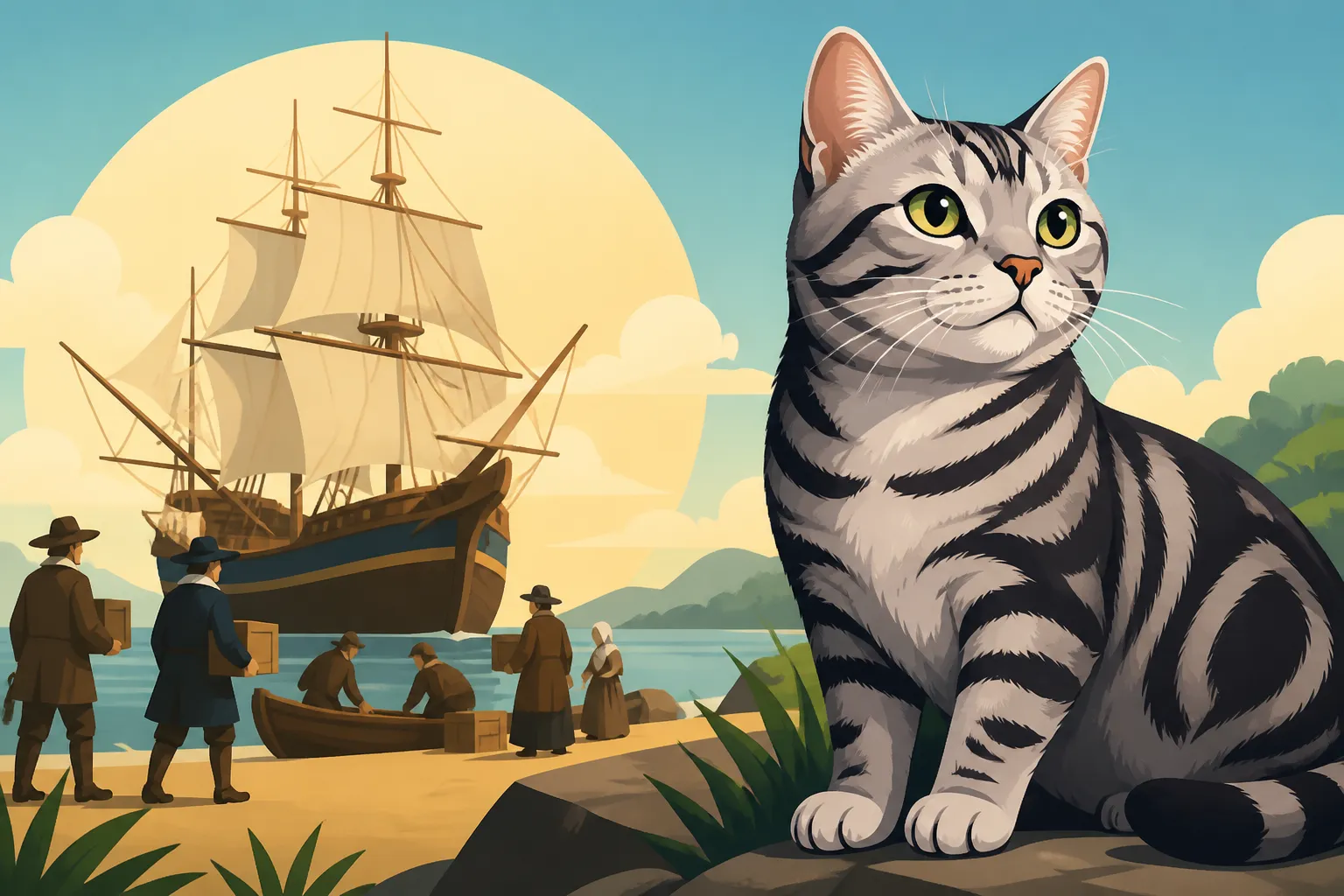
So, if these cats were aboard virtually every European vessel heading to the New World, where exactly did they first disembark? The answer isn't a single, definitive port but rather a collection of key colonial settlements that served as the initial landing points for settlers and, by extension, their essential feline companions. When ships like the Mayflower and countless others arrived from Europe, they typically sought out established or nascent harbors.
The major ports of early colonial America—places like Plymouth, Massachusetts; Jamestown, Virginia; and later New Amsterdam (which would become New York City)—were the primary gateways. It was here, upon stretching their sea legs after weeks or months at sea, that these cats would have stepped onto American soil for the very first time. They were not arriving as part of a grand breeding program, but as integral parts of settler households, ready to continue their vital work of pest control in a new, wild environment. It’s a remarkable thought: our modern American Shorthair traces its lineage back to these unheralded pioneers, who likely sniffed the foreign air of the new land with the same cautious curiosity as their human counterparts. The Mayflower Cats Behind the American Shorthair offers a glimpse into the earliest recorded feline voyages.
These early arrivals weren't about pedigree papers or show rings; they were about adapting and surviving. They were the very definition of "landrace" cats, their traits shaped by the demands of their environment rather than human-directed selection for appearance. As such, pinpointing one specific "first" arrival is impossible, but we can confidently say that wherever the first European colonists established a foothold, their ratting cats were right there with them, making their silent, indispensable contributions to the budding settlements.
Here’s a look at some of the earliest notable European settlements and the likelihood of feline arrival:
| Early Colonial Settlement | Year Founded (Approx.) | Primary European Origin | Likelihood of Cat Arrival | Typical Role of Cats |
|---|---|---|---|---|
| Jamestown, Virginia | 1607 | English | Very High | Pest control on ships, then in early settlements and farms. |
| Plymouth, Massachusetts | 1620 | English | Very High | Mousers for homes and granaries in the fledgling Puritan colony. |
| New Amsterdam (NYC) | 1624 | Dutch | Very High | Keeping goods safe in busy port warehouses and homes. |
| Boston, Massachusetts | 1630 | English | Very High | Essential for urban pest control in rapidly growing city. |
| Philadelphia, Pennsylvania | 1681 | English/Quaker | Very High | Protecting agricultural stores and city dwellings. |
These cats quickly dispersed into the rapidly expanding colonies, their genetic lines mingling and adapting to the diverse landscapes, from coastal towns to sprawling farms. Why Early Settlers Wanted an American Shorthair's Ancestors further elaborates on the pressing need for these feline workers.
From Wharf to Wilderness: Adaptation and Natural Selection
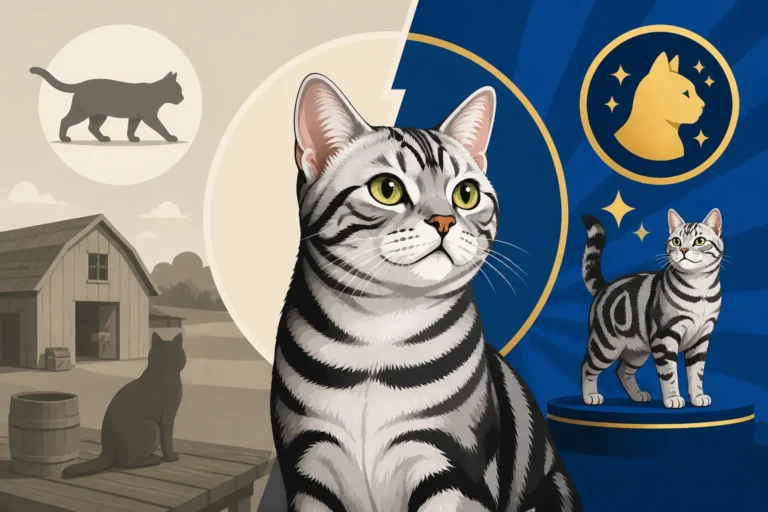
Once these intrepid cats disembarked, their work was far from over. In fact, it was just beginning. The New World presented a fresh set of challenges and opportunities for these adaptable felines. They exchanged the rocking deck of a ship for the unfamiliar scents and sounds of a vast, untamed continent. Forests teemed with wildlife, and burgeoning settlements provided a steady supply of rodents, along with the occasional snake or insect that needed managing. These cats rapidly moved into barns, granaries, and colonial homes, resuming their roles with quiet efficiency.
The environment in colonial America acted as a powerful natural selective force. Only the hardiest, most intelligent, and most skilled hunters would thrive and pass on their genes. Cats that were easily startled, less resilient to varying weather conditions, or ineffective at hunting would have struggled. This led to a reinforcement of the very traits we admire in the American Shorthair today: a robust, muscular build, a dense coat suited for various climates, keen senses, and an independent, resourceful nature. How Farm Work Shaped the American Shorthair explains how their utility on farms further solidified these physical and behavioral traits.
Their lives were still inextricably linked to their utility. There were no breeders carefully selecting for specific colors or patterns; survival and effectiveness were the primary drivers. This long period of natural selection and working life, spanning centuries, allowed the "type" of cat that would eventually become the American Shorthair to solidify. It wasn't about fancy looks; it was about getting the job done, whether that was clearing rats from a corn crib or protecting a settler's precious food stores from encroaching pests. Even today, you can find durable toys on Chewy that stimulate this ingrained hunting instinct, providing mental and physical enrichment for these clever cats.
The Evolution of a Type: From Working Cat to Recognized Breed
For hundreds of years, these cats simply were. They were "domestic shorthairs" or "house cats," valued for their practical contributions rather than their lineage. They were common, ubiquitous, and essential. As America grew and changed, so too did the role of these cats. While their hunting instincts never truly faded—and indeed, many American Shorthairs still love to "hunt" their favorite wand toy or catch an errant fly—their existence became less about pure survival and more about companionship. The American Shorthair Still Hunts, Whether You Want It To or Not, a trait rooted deeply in their history.
It wasn't until the late 19th and early 20th centuries that cat fanciers began to take a serious interest in preserving and promoting these native American felines. They recognized that these robust, well-adjusted cats, descended from generations of working animals, possessed a unique set of qualities that deserved to be celebrated as a distinct breed. Initially, they were often simply referred to as Domestic Shorthairs or Shorthaired Household Cats. It took a concerted effort to differentiate them from the general population of mixed-breed cats. Why the American Shorthair Was Called Domestic Shorthair Until 1966 sheds light on this naming journey.
The official name "American Shorthair" was adopted in 1966, a deliberate choice to distinguish this specific, pedigreed cat from its non-pedigreed counterparts and to proudly acknowledge its deep roots in American history. This designation marked a pivotal moment: the transition from a purely utilitarian animal to a recognized breed with a defined standard. This long, gradual process, from anonymous ship's cat to celebrated American Shorthair, underscores the breed's enduring legacy of health, adaptability, and amiable temperament. Whether a Landrace Origin Explains the American Shorthair's Health details how this natural development contributed to their robust health.
Today, while the American Shorthair may no longer be required to clear a ship of rodents or patrol a barn for mice, their heritage shines through. They remain healthy, hardy, and intelligent companions, often displaying that quiet self-reliance and keen observation that defined their ancestors. You can find everything from nutritious food to engaging puzzle feeders designed for their active minds on sites like Chewy, helping modern American Shorthairs thrive without having to hunt for their dinner. This enduring appeal is a testament to the incredible journey of those first feline pioneers who bravely stepped ashore centuries ago, laying the foundation for one of America's most beloved cat breeds. Their history is not just a tale of cats, but a woven narrative of resilience and the remarkable partnership between humans and felines in the building of a nation. How the American Shorthair's Type Has Lived in North America speaks volumes about their long tenure on this continent, and Which European Cats the American Shorthair Descends From completes the picture of their ancestral journey. What an American Shorthair Bred Only for Usefulness Turns Out Like highlights the positive outcome of this history of utility.
Disclaimer
This article is for general informational purposes only and does not constitute professional advice. Laws, prices and regulations vary by location and change over time. Consult a qualified professional for guidance on your specific situation.