How to Tell an American Shorthair From a Random Bred Tabby
It’s a common scenario: you see a beautifully marked tabby cat, perhaps with that classic swirled pattern, and immediately think, "Is that an American Shorthair?" The truth is, many people struggle to differentiate between a pedigreed American Shorthair and a random bred tabby, often lovingly called a "domestic shorthair." This guide is here to unravel that confusion, helping you understand the key distinctions that go far beyond just coat patterns and delve into history, physical traits, temperament, and even health considerations.
The Historical Divide: Pedigree Versus Common Ancestry
The fundamental difference between an American Shorthair and a random bred tabby lies in their origins and how their lineage is recorded. One has a meticulously tracked family tree, while the other embodies the freedom of natural selection over generations.
Tracing the American Shorthair's Purposeful Past
The American Shorthair isn't just any cat; it's a breed with a specific history, purpose, and documented development. Their ancestors were the working cats brought over from Europe on ships, valued for their ratting abilities, which were crucial for protecting valuable cargo and settlers' food stores. These were hardy, adaptable felines that thrived in the challenging environment of the New World. While they started as utilitarian companions, their consistent type and good nature eventually caught the eye of early cat fanciers.
By the late 19th and early 20th centuries, dedicated breeders began selectively breeding these robust cats, aiming to preserve and refine their desirable traits. This meant focusing on health, conformation to a specific physical standard, and a calm, adaptable temperament. The breed was initially known as the Domestic Shorthair, a name that unfortunately led to confusion with common household cats. This led to a significant change. In 1966, the breed was officially renamed the American Shorthair to clearly distinguish it as a pedigreed cat with a unique American heritage, separate from the general population of non-pedigreed domestic shorthairs. This formal recognition and the establishment of a breed standard mean that every registered American Shorthair can trace its lineage back through generations of documented ancestors, ensuring consistency in traits and temperament. You can explore this further in The Rename That Separated the American Shorthair From the Alley Cat.
The Unwritten History of the Random Bred Tabby
In contrast, a random bred tabby, often simply called a domestic shorthair, has a history that's largely unwritten, spanning countless generations of natural breeding. These cats are the product of chance encounters, genetic diversity, and survival of the fittest in neighborhoods, barns, and homes across the globe. They are magnificent animals, full of personality and often incredibly resilient, but they don't have a registered pedigree or a specific breed standard they were bred to meet.
Their genetic makeup is a wonderful mosaic, a blend of various ancestral lines that have intermingled freely over centuries. This means that while a domestic shorthair might look very much like an American Shorthair – especially if it has a classic tabby pattern – its appearance and temperament are simply a lucky roll of the genetic dice, not the result of deliberate selective breeding for specific traits. They carry the general characteristics of the feline species, but without the consistent genetic blueprint that comes from a closed studbook. Many domestic shorthairs possess the charm and athleticism that speak to their wilder roots, adapted perfectly to everyday life without human intervention in their breeding lines. They are truly unique individuals, a testament to the enduring success of the cat.
Physical Distinctions: More Than Just Stripes
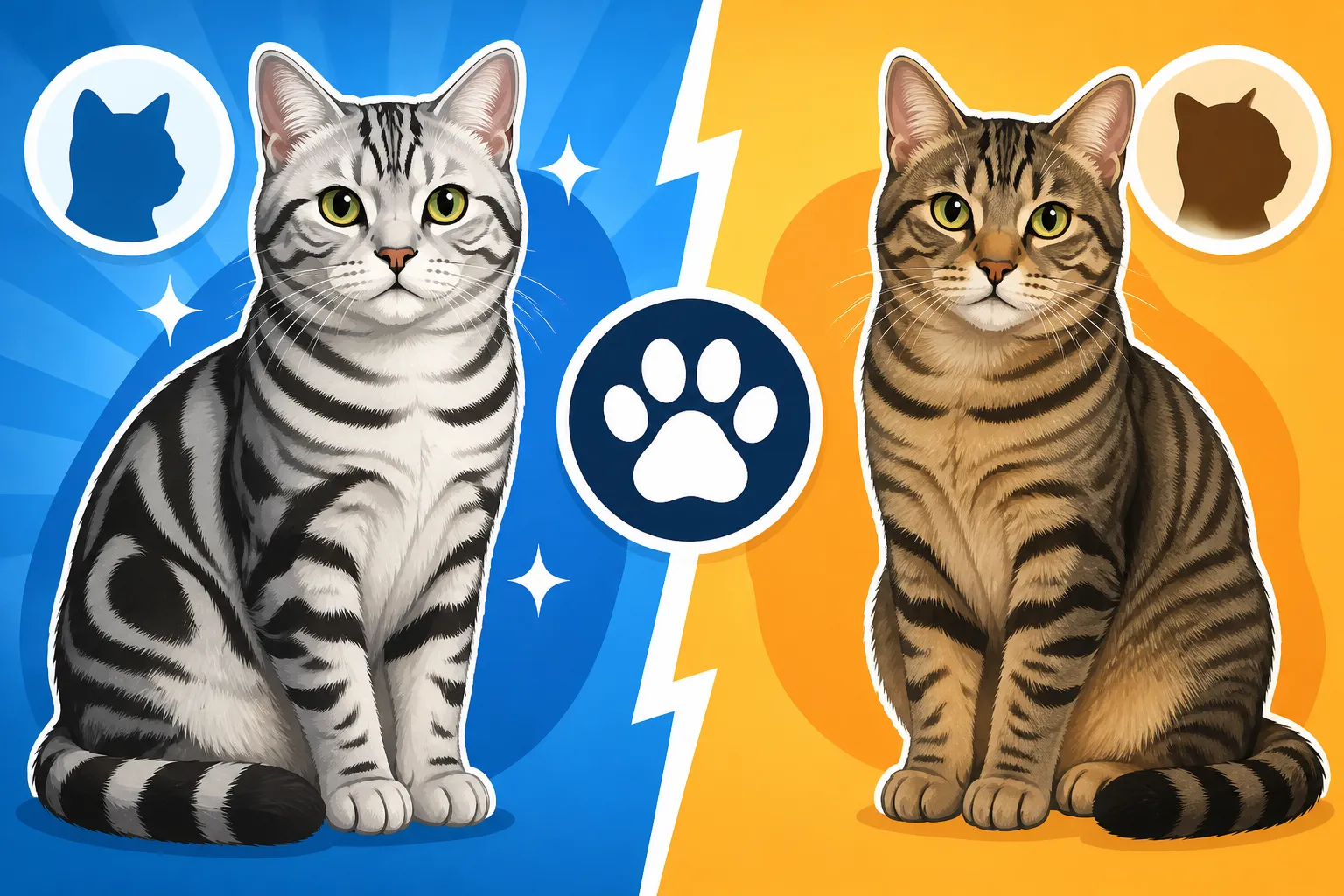
While both American Shorthairs and random bred tabbies can sport those beloved tabby patterns, there are specific physical markers that distinguish the pedigreed breed from its non-pedigreed lookalikes. It's about proportion, structure, and adherence to a defined standard.
The American Shorthair's Breed Standard Physique
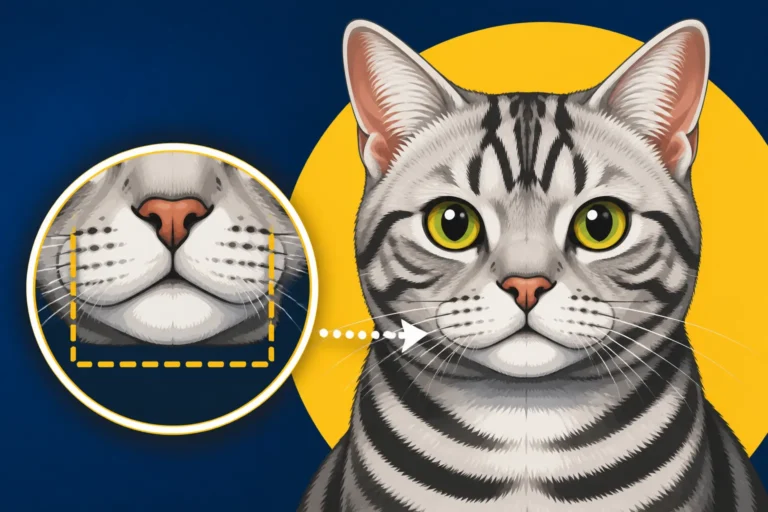
When you look at a truly pedigreed American Shorthair, you're observing a cat bred to a very precise standard. The ideal American Shorthair is a medium-to-large cat with a powerful, muscular build, often described as "cobby" or "stocky." They are meant to be robust and agile, retaining the physique that once made them excellent working cats. Their head is large, with full, rounded cheeks, and a distinctly square muzzle. This isn't just a cute feature; it’s a specific breed trait. Their eyes are large, wide-set, and can be various shades, often corresponding to their coat color, with copper or gold being common in silver tabbies.
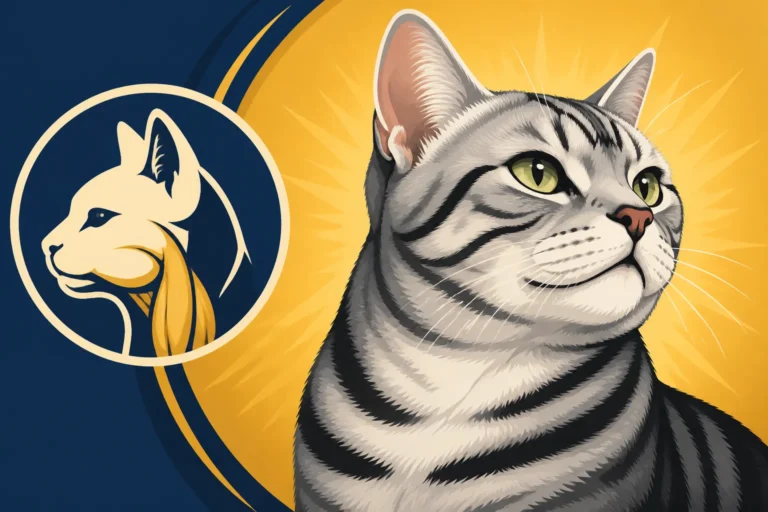
Their ears are medium-sized, slightly rounded at the tips, and set moderately apart. The chest is broad, and the legs are of medium length, sturdy and well-muscled, ending in round, firm paws. Their tail is medium in length, tapering to a blunt tip. The coat itself is short, dense, and even, feeling hard and resilient to the touch – a functional coat designed to offer protection from the elements, not just look pretty. It's this combination of specific physical attributes, all detailed in the breed standard, that sets them apart. A silver tabby American Shorthair, for instance, will exhibit a very clear, sharp tabby pattern, whether classic or mackerel, with excellent contrast and definition, a testament to generations of selective breeding. You can learn more about these specific traits in What an American Shorthair Looks Like by the Standard.
The Wonderful Variability of the Random Bred Tabby
Now, let's consider the random bred tabby. This is where the beauty of genetic diversity truly shines. While many domestic shorthairs might share a similar general appearance to an American Shorthair – a sturdy build, a round head, and a short coat – they won't consistently adhere to a specific breed standard. Their features are far more variable. You might find a domestic shorthair with a more slender body, a longer or shorter tail, a narrower head, or ears that are more pointed than rounded. Their eye color can be anything from green to blue to gold, often without a direct correlation to their coat pattern.
Their coat, while short, might not have the same dense, hard texture as a pedigreed American Shorthair; it could be softer, thinner, or less uniform. The tabby patterns themselves, while gorgeous, might be less defined, with less contrast between the markings and the ground color. You could encounter tabbies with subtle stripes, faded blotches, or even a complete absence of a clear pattern despite carrying the tabby gene. This is what makes a random bred cat so utterly unique. Each one is a one-of-a-kind creation, a living example of natural feline evolution, without the constraints or benefits of a human-designed breeding program. To truly understand the subtle yet crucial differences, it helps to read How to Tell an American Shorthair From a Tabby Moggy.
Temperament and Behavior: Nature Versus Nurture
While individual personality plays a huge role in any cat, the breed history and selective breeding of the American Shorthair have a notable influence on its general temperament, often making it more predictable than the vast array of personalities you'll find in random bred tabbies.
The Predictable Calm of the American Shorthair
The American Shorthair is renowned for its placid, adaptable, and easygoing nature. Bred for centuries as a working cat, they developed a self-sufficient yet friendly disposition. They aren't typically "lap cats" in the demanding sense, but they are often content to be near their human companions, perhaps sitting beside you on the sofa rather than directly on your lap. Their independence means they cope well with quiet periods at home and aren't prone to excessive separation anxiety. They are known for being exceptionally patient and tolerant, making them excellent companions for families with children or other pets. They generally adapt well to changes in routine or environment, which is a trait that has been subtly reinforced through generations of living in busy farm environments and then later, through selective breeding.
This breed’s quiet demeanor means they aren't overly vocal, preferring to communicate with soft chirps or trills rather than incessant meows. They retain a strong prey drive, a legacy of their mousing days, which manifests in a love for interactive play, but they are typically not destructive or overly energetic indoors if provided with proper enrichment. Think of them as the steady, reliable friends of the feline world. This inherent calm and adaptability is a hallmark of the breed, something breeders strive to maintain, ensuring that a registered American Shorthair kitten is likely to grow into a well-adjusted adult cat. To delve deeper into their suitability for various homes, check out Why an American Shorthair Fits Any Household or What an American Shorthair Pedigree Predicts About Temperament.
The Quirky Charm of the Unpredictable Tabby
A random bred tabby, on the other hand, is a true wild card when it comes to temperament. While many domestic shorthairs are incredibly affectionate, playful, and well-behaved, their personalities are as varied as their genetic backgrounds. Without a specific breed standard guiding their temperament, you might encounter a domestic tabby who is a complete cuddle bug, never wanting to leave your side, or one who is fiercely independent and prefers solitary adventures.
Their energy levels can range from lazy couch potato to a constantly active explorer, and their vocalizations can be anything from silent to highly communicative. Some domestic tabbies might be more timid or wary of strangers, while others embrace every new person with open paws. Their adaptability to new situations or other pets also varies widely, depending entirely on their individual experiences and inherent disposition. This isn't a flaw; it's simply the nature of non-pedigreed cats. When you adopt a random bred tabby, you're embracing a unique personality that will unfold over time, often full of delightful surprises and sometimes a few challenges that require patience and understanding. Each one is an individual marvel, and that's a huge part of their appeal.
Health and Lifespan: What a Pedigree Can (and Can't) Guarantee
One of the most significant arguments for choosing a pedigreed cat often revolves around health. While American Shorthairs are generally very healthy, it’s important to understand what "pedigree health" truly means compared to the general health profile of a random bred tabby.
Known Health Traits in the American Shorthair
American Shorthairs are celebrated for their robust health and longevity, a testament to their strong working cat lineage and careful breeding practices. They are known for being a relatively healthy breed with a long lifespan, often living into their mid-to-late teens, and some even reaching 20 years. This longevity is often a result of responsible breeders diligently screening their breeding cats for genetic conditions that could affect the breed. How Many American Shorthairs Reach Twenty highlights their impressive lifespans.
One of the few inherited conditions that American Shorthair breeders have traditionally watched for is hypertrophic cardiomyopathy (HCM), a common heart disease in cats. While not as prevalent as in some other breeds, reputable breeders perform regular cardiac screenings (echocardiograms) on their breeding stock to minimize its occurrence in future generations. This proactive approach helps ensure the health of kittens. Reputable American Shorthair breeders will usually provide health guarantees and documentation of health screenings for their kittens, offering a degree of predictability regarding the kitten's future health. Of course, no cat is entirely immune to illness, and environmental factors, diet, and general care still play a massive role in their overall well-being. But the breed's foundation and the commitment of breeders to health screening contribute to their reputation as a resilient and healthy cat. For more on specific health concerns, see Which Diseases the American Shorthair Actually Carries.
The Robustness and Risks of a Mixed Heritage Tabby
Random bred tabbies are often hailed for their "hybrid vigor" – the idea that a wider gene pool makes them inherently healthier and more resilient. And in many ways, this is true! With a diverse genetic background, they tend to be less prone to specific breed-related genetic diseases. They are generally robust animals, capable of living long, healthy lives. However, this doesn't mean they are immune to health issues. They are still susceptible to common feline ailments like kidney disease, hyperthyroidism, dental issues, and various cancers, just like any cat.
The main difference is the unpredictability. Without a known lineage, it's impossible to screen for potential genetic predispositions that might exist in their diverse family tree. This means that while they might not carry the same specific genetic risks as a pedigreed cat, they could still develop a myriad of health problems, and you won't have any prior warning from a health-tested parent. Moreover, random bred cats from less-than-ideal circumstances (like strays or cats from crowded shelters) might come with existing conditions or have been exposed to infectious diseases, requiring immediate veterinary attention. Their health is often more of a mystery, relying heavily on good nutrition, regular veterinary care, and a bit of luck to keep them thriving. Many domestic tabbies live wonderfully long and healthy lives, a testament to the fundamental hardiness of cats in general.
The Financial Investment: Initial Cost and Ongoing Care
The cost of acquiring a cat is often the first thing people consider, and here, the distinction between an American Shorthair and a random bred tabby is usually quite stark. However, it's crucial to remember that initial cost is just one piece of the puzzle; ongoing care costs can quickly outweigh any upfront savings.
The Price Tag of a Registered American Shorthair
When you decide to bring a registered American Shorthair into your home, you are generally looking at a significant initial investment. The price reflects the responsible breeding practices involved: the time, effort, and financial resources breeders dedicate to maintaining the breed standard, performing health screenings, providing optimal care for their breeding cats and kittens, and ensuring proper socialization. This includes the cost of genetic testing, echocardiograms, quality nutrition, veterinary check-ups for the queen and litter, registration fees, and sometimes show entries for the parent cats.
Reputable breeders will often include initial vaccinations, deworming, and sometimes spay/neuter costs in the kitten's price. They also provide comprehensive health records and a pedigree. What a registered American Shorthair kitten costs with papers will vary based on lineage, location, and the breeder's reputation, but it's typically a substantial sum compared to adopting a random bred cat. This initial cost isn't just for the cat itself; it's an investment in a predictable temperament, known health background, and a cat that adheres to specific breed characteristics. This predictability is a huge draw for many potential owners, justifying the higher initial outlay.
The Everyday Realities of Owning a Random Bred Tabby
Adopting a random bred tabby from a shelter or rescue organization is typically a much more budget-friendly option upfront. Adoption fees are usually nominal and often include a wealth of services: spay/neuter surgery, initial vaccinations, microchipping, and a preliminary health check. This makes adoption an incredibly cost-effective way to bring a companion animal into your life, especially when considering the vital services already provided. For example, a local animal shelter might offer comprehensive adoption packages that dramatically reduce initial veterinary expenses. You can learn more about this in What a Shelter Fee Covers on an American Shorthair Type Cat.
However, the ongoing costs of cat ownership are largely similar for both types of cats. All cats need quality food, fresh water, regular veterinary check-ups, preventative parasite control, enrichment toys, litter, and a comfortable environment. Whether you have a pedigreed American Shorthair or a domestic tabby, a good diet is paramount. Brands like Chewy offer a wide range of premium cat foods suitable for all felines, ensuring they get the nutrients they need regardless of their lineage. Accidents or illnesses can also happen to any cat, and those vet bills can add up quickly. Pet insurance is a wise consideration for any cat owner, as it can help mitigate the financial impact of unexpected health issues. While the initial purchase price might differ, the commitment to providing a loving, healthy home is the same for every cat, and the lifetime cost of care can be substantial for both.
Ultimately, the choice between an American Shorthair and a random bred tabby comes down to personal preference, budget, and what you're looking for in a feline companion. Both are wonderful, loving animals, each bringing their own unique charm and character to a home. The American Shorthair offers predictability and a documented heritage, while the random bred tabby provides a delightful element of surprise and the satisfaction of giving a home to a cat in need.
| Feature | American Shorthair | Random Bred Tabby (Domestic Shorthair) |
|---|---|---|
| Origin/History | Pedigreed breed, traced lineage, selective breeding since late 19th century to a standard. Originally working cats. | Mixed ancestry, result of natural breeding, varied genetic background over generations. |
| Name Meaning | A specific, recognized breed with a set standard. | Refers to any cat of mixed or unknown breed heritage with short hair. |
| Physical Appearance | Conforms to a breed standard: medium-large, muscular, round head, square muzzle, dense hard coat, specific eye/ear set. | Highly variable: can resemble an American Shorthair but features will not consistently match a breed standard. Diverse body types. |
| Coat Pattern | Tabby patterns (classic, mackerel, patched) are well-defined, with clear contrast. Many other colors exist. | Tabby patterns common, but can be less defined or varied. All colors and patterns are possible. |
| Temperament | Generally predictable: placid, adaptable, friendly, calm, tolerant, moderately active, not overly vocal. | Highly variable: can be anything from very affectionate to independent, shy to outgoing. Personality depends on individual genetics and experiences. |
| Health & Lifespan | Generally healthy with a long lifespan (15-20 years). Breeders screen for conditions like HCM, offering some health predictability. | Generally robust with "hybrid vigor," but health can be unpredictable due to unknown genetic history. Prone to general feline ailments. |
| Acquisition Cost | Higher initial investment from a reputable breeder. | Lower, often an adoption fee from a shelter which includes initial vet care. |
| Documentation | Comes with a pedigree, health certificates, and registration papers. | Typically no pedigree or formal registration beyond adoption records. |
| Where to Find | Reputable breeders registered with cat associations (e.g., CFA, TICA). | Animal shelters, rescue organizations, or found as strays. |
Disclaimer
This article is for general informational purposes only and does not constitute professional advice. Laws, prices and regulations vary by location and change over time. Consult a qualified professional for guidance on your specific situation.