Whether a Domestic Shorthair Can Become an American Shorthair
It’s a question that pops up in online forums and at casual get-togethers with cat lovers all the time: "My cat looks just like an American Shorthair! Can they be registered as one?" Many of us fall head over heels for a beautiful tabby from the shelter or found stray, and with their classic good looks, it's easy to assume they might share the esteemed lineage of a recognized breed. This guide will dive deep into the differences between a Domestic Shorthair and a registered American Shorthair, explaining why, in the vast majority of cases, a domestic cat can't simply "become" a pedigree.
The Core Difference: Pedigree Versus Random Bred
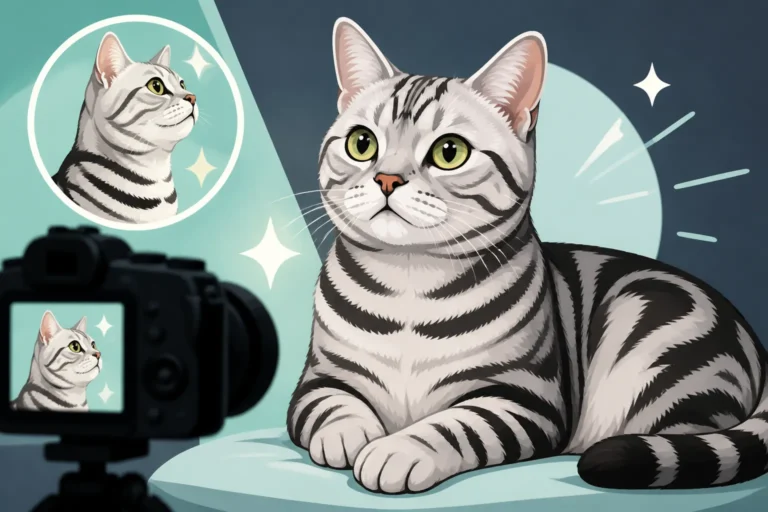
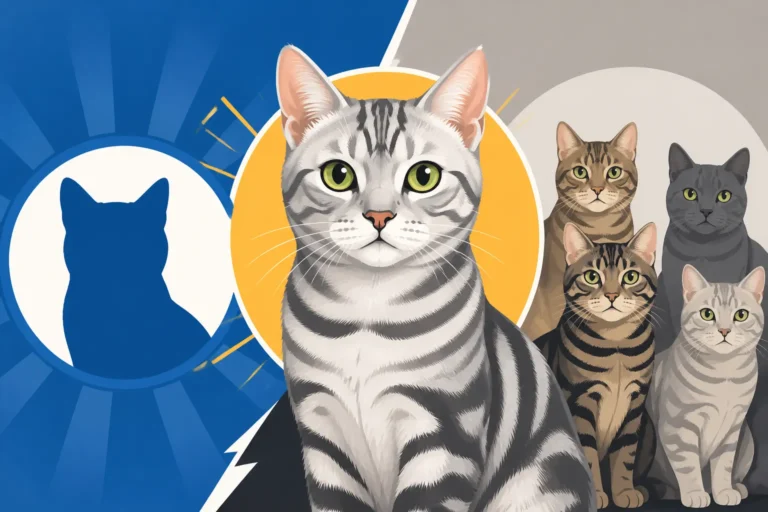
The confusion often stems from appearances. The American Shorthair, particularly the beloved silver tabby, has such an iconic look that many random-bred domestic cats naturally resemble them. But there's a world of difference between a cat that looks like a breed and a cat that is a breed. It's all about what's in their lineage, not just what's in their fur.
What Defines a Domestic Shorthair
Let's start with our wonderful Domestic Shorthairs (DSH), often affectionately called "moggies" or "alley cats." These are cats of mixed or unknown ancestry, and they represent the vast majority of our feline companions. Their genetic pool is incredibly diverse, a beautiful tapestry woven from generations of natural selection and chance encounters. They come in an astounding array of colors, patterns, sizes, and personalities, which is part of their charm.
Think of a DSH as a delightful surprise package. You might get a long, lean cat with a shy disposition, or a stocky, bold explorer. Their health is generally robust, having evolved without the intense selective breeding sometimes associated with specific breed traits. While they might carry genes for certain conditions, they aren't predisposed to the same breed-specific issues that purebreds can sometimes face. The greatest strength of the DSH lies in this genetic diversity, making them incredibly adaptable and often very hardy.
The Strict Standard of the American Shorthair
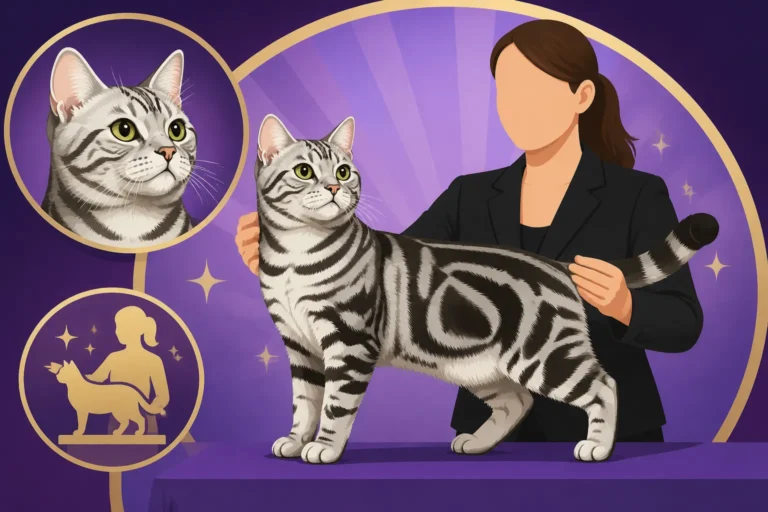
In stark contrast, the American Shorthair (ASH) is a pedigreed breed with a meticulously documented lineage. This means that every American Shorthair registered with a recognized cat association, like the Cat Fanciers' Association (CFA), has parents, grandparents, and often many generations beyond, that were also registered American Shorthairs. There's a written standard that describes exactly what an American Shorthair should look like, from the shape of its head and ears to the texture of its coat and the set of its eyes.
This standard isn't just for show; it's a blueprint that breeders strive to meet. It dictates their sturdy, well-muscled body, their broad chest, and their gentle, easygoing temperament. When you adopt a registered American Shorthair kitten, you're not just getting a cat that looks a certain way; you're getting a cat whose ancestors were carefully selected for generations to consistently produce those specific physical and behavioral traits. This predictability is a key reason why people seek out purebred cats. Want to know more about their specific characteristics? You might enjoy reading What an American Shorthair Looks Like by the Standard.
Why "Becoming" an American Shorthair Isn't Really a Thing
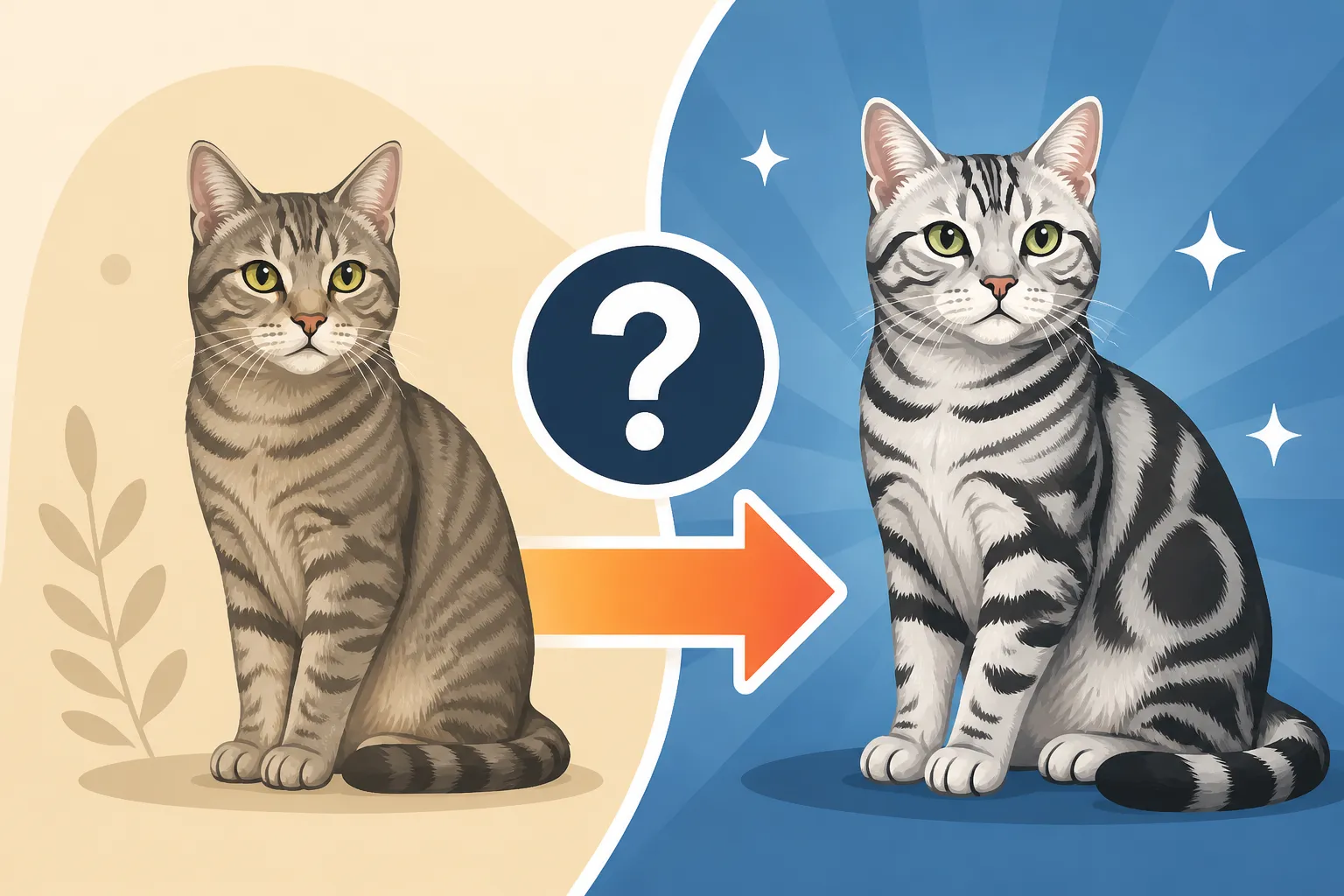
The idea of a Domestic Shorthair "becoming" an American Shorthair is a common misconception, but unfortunately, it’s not how breed registries work. The system is built on documented lineage, not just appearance.
The Role of Ancestry and Registration
For any cat to be considered a pedigreed American Shorthair, its parents must both be registered American Shorthairs, and they must be bred according to the rules of a recognized cat registry. When a litter of ASH kittens is born, the breeder registers them, and each kitten receives papers confirming its pedigree. This paperwork is the official proof of its breed status. Without this documented ancestry, a cat, no matter how perfectly it fits the visual description of an American Shorthair, cannot be registered as one.
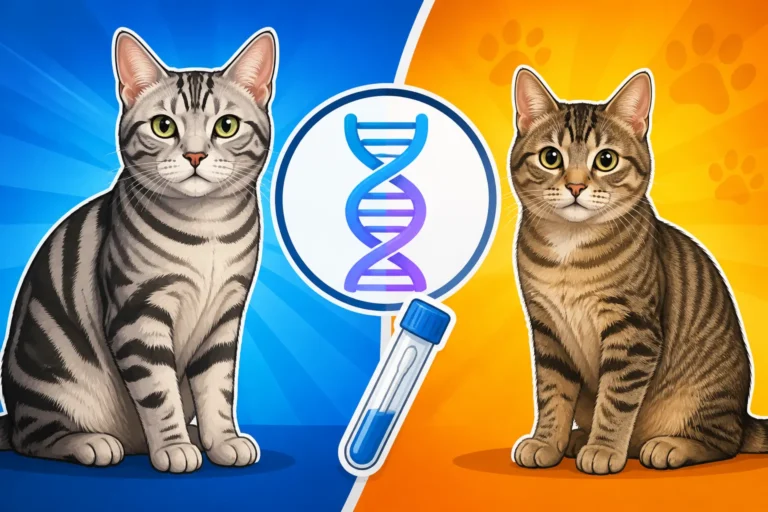
Imagine it like this: if you find a beautiful, shiny sports car on the side of the road, it might look exactly like a specific model from a famous manufacturer. But if it doesn't have the VIN, the title, and the factory records to prove its origin, it's just a car that resembles that model. It can't suddenly "become" the brand's registered vehicle. The same principle applies to cats. Whether Papers Are the Only Proof of an American Shorthair delves deeper into why this documentation is so crucial. Even a DNA test, while it can show genetic markers common to certain breeds, cannot, in most cases, turn a Domestic Shorthair into a registered American Shorthair. Whether a DNA Test Confirms an American Shorthair clarifies this point.
The Closed Stud Books and Breed Integrity
Cat registries maintain "closed stud books" for most established breeds, including the American Shorthair. This means that only cats whose parents are already registered within that breed can be added to the registry. This strict rule serves a vital purpose: maintaining breed integrity. It ensures that the specific traits, health standards, and temperament associated with the American Shorthair are preserved and consistently passed down through generations.
If registries allowed any domestic cat that looked like an American Shorthair to be registered, the breed's distinct characteristics would quickly become diluted and unpredictable. Breeders work incredibly hard to select for desired traits and screen out genetic health issues. Opening the stud books to unknown parentage would undermine these efforts and could introduce unforeseen health problems or temperament shifts into the breed. This practice ensures that when you choose a registered American Shorthair, you're getting a cat that conforms to the breed's established standards, which has benefits for health and temperament predictability.
The Path to "Proving" American Shorthair Status (If Applicable)
You might have heard whispers of a time when "foundation stock" could be registered without a full pedigree. It's true, but for the American Shorthair, that era is long, long past.
Examining the Grandfather Clause (Historical Context)
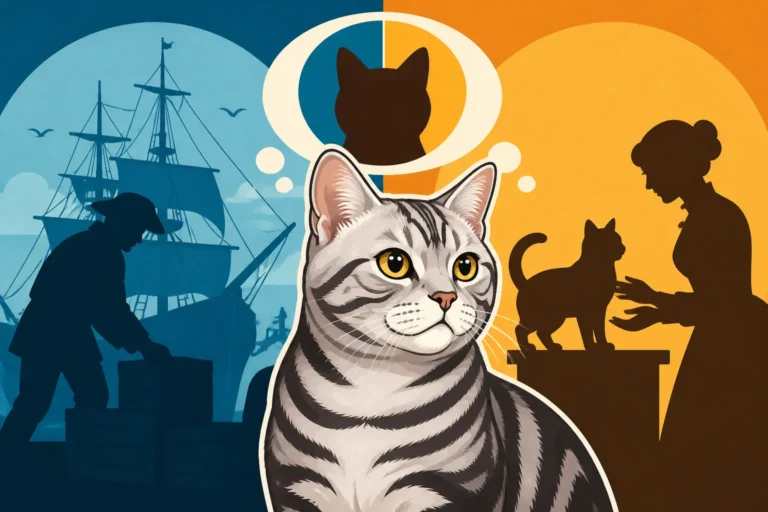
In the very early days of cat fancy, when breeds were first being established, registries sometimes allowed what was known as "foundation stock" or "grandfather clauses." This meant that domestic cats that met the physical standard of an emerging breed, but didn't have documented ancestry, could sometimes be accepted into the registry to help establish the breed's initial gene pool. This was especially relevant for breeds like the American Shorthair, which evolved from common working cats. For a period, these "natural" cats, if they embodied the ideal type, could be evaluated and, if approved, become part of the registered breeding program. This is partly why the breed was originally called the Domestic Shorthair before its name change in 1966, a move precisely to distinguish it from generic house cats. Why the American Shorthair Was Called Domestic Shorthair Until 1966 offers more context.
However, this practice has largely been phased out for well-established breeds like the American Shorthair. Their gene pool is now considered sufficiently broad and stable, and the stud books have been closed for many decades. So, while it's a fascinating piece of breed history, it's not a pathway available to your lovely domestic cat today, no matter how much they resemble an ASH.
The Importance of a Breeder's Paperwork
In the modern world of cat fancy, an American Shorthair's status is intrinsically tied to its breeder and the official paperwork. When you get a purebred American Shorthair, it should come from a reputable breeder who provides registration papers from organizations like the CFA or TICA. These papers detail the cat's name, its date of birth, its parents' names and registration numbers, and often a multi-generational pedigree chart.
Responsible breeders also conduct health screenings for their breeding cats, and these results should be part of the documentation you receive. For instance, the American Shorthair is generally a healthy breed, but ethical breeders will screen for conditions like hypertrophic cardiomyopathy (HCM) that can affect even robust breeds. This transparency and documentation are what truly define a pedigreed cat and offer peace of mind regarding its lineage and potential health predispositions. If a breeder can't provide these essential documents, then the cat, regardless of how "American Shorthair-like" it appears, is not a registered purebred. This is why Which Health Results an American Shorthair Breeder Must Show is so important to understand.
What If My Domestic Shorthair Looks Exactly Like an American Shorthair?
This is where the heartache and confusion often come in. You've got this gorgeous cat, perhaps a striking silver tabby, and everyone comments on how much they look like a purebred. It's natural to wonder!
The "Look-Alike" Phenomenon
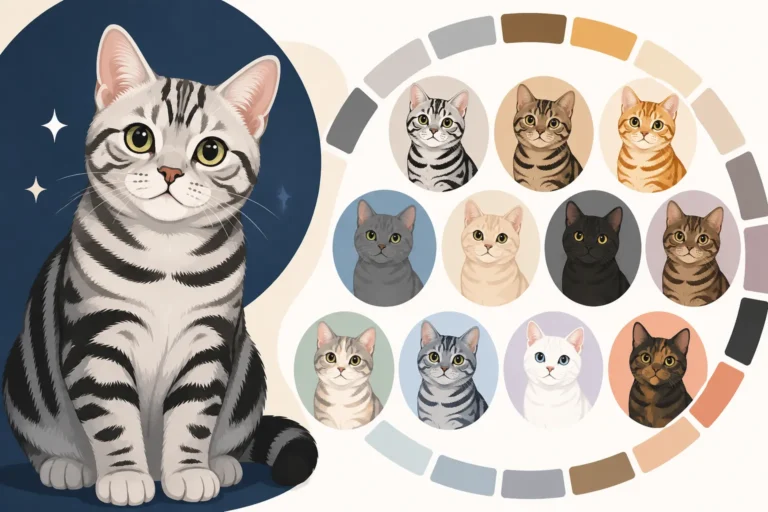
It's absolutely true that many Domestic Shorthairs bear an uncanny resemblance to the American Shorthair. This is especially prevalent with the classic "bullseye" or mackerel tabby patterns, and particularly the silver tabby coloration, which has become the iconic face of the American Shorthair breed. It makes perfect sense, too. The American Shorthair originated from these very domestic working cats that populated North America. They were selected for their sturdy build, good health, and pleasant temperaments – traits that many domestic cats still possess.
So, while your cat might have that broad head, muscular body, and stunning tabby pattern that perfectly matches the breed standard's description, without the documented pedigree, they are considered a Domestic Shorthair. It's an interesting quirk of cat genetics that a specific "look" can emerge so consistently across both random-bred and carefully bred populations. This is often the point of confusion for potential owners, making them ask How to Tell an American Shorthair From a Domestic Shorthair or How to Tell an American Shorthair From a Tabby Moggy.
Appreciating Your Cat for Who They Are
Ultimately, whether your cat is a registered American Shorthair or a Domestic Shorthair, their value as a loving companion is immeasurable. A cat doesn't need a pedigree to be cherished, healthy, or to bring joy into your home. The love and personality of a domestic shorthair are every bit as rich and rewarding as that of a purebred.
In fact, many DSH cats share the wonderful traits often attributed to the American Shorthair: a laid-back demeanor, a playful nature, and an affectionate, if sometimes independent, spirit. If you adopted your cat from a shelter, you've given a deserving animal a second chance, and that's a truly wonderful thing. Focus on providing them with a happy, healthy life, good nutrition (Chewy, for example, has a wide variety of cat foods to support any DSH's health needs, regardless of ancestry), and plenty of love, regardless of what their "official" status might be. After all, a cat's purr sounds the same whether it comes with papers or not!
The Value of a Pedigree American Shorthair
While a Domestic Shorthair cannot "become" an American Shorthair, there are compelling reasons why someone might choose to invest in a pedigreed ASH from a reputable breeder. It's not about status; it's about predictability and supporting ethical practices.
Predictability in Health and Temperament
One of the primary benefits of a pedigreed American Shorthair is the increased predictability you get concerning their health and temperament. Reputable breeders meticulously track genetic lines, conduct health screenings, and aim to breed out predispositions to certain conditions. While no cat is entirely immune to illness, having a known genetic history can help reduce the risk of inherited diseases. For instance, you can typically ask about the HCM status of the parents and grand-parents, something simply impossible with a domestic cat.
Similarly, the American Shorthair breed standard isn't just about looks; it also describes their calm, adaptable, and friendly temperament. Generations of selective breeding for these traits mean that an ASH kitten is more likely to grow into an adult cat with these desired personality characteristics. This can be incredibly valuable for families seeking a specific type of companion, perhaps one that is known to be good with children or other pets. What an American Shorthair Pedigree Predicts About Temperament and What an American Shorthair Pedigree Predicts About Health expand on this idea.
Supporting Ethical Breeding
When you purchase a registered American Shorthair from a responsible breeder, you're doing more than just buying a cat; you're supporting a system that aims for the betterment of the breed. Ethical breeders invest significant time, effort, and resources into:
- Health Screening: Performing veterinary checks, genetic tests, and regular health assessments on their breeding cats.
- Optimal Care: Providing excellent nutrition, a clean environment, and proper socialization for kittens.
- Breed Preservation: Working to maintain the physical and temperamental traits that define the American Shorthair, preventing extremes that could lead to health issues.
- Lifetime Support: Often offering advice and support to new owners throughout the cat's life.
This dedication ensures that the kittens they produce are healthy, well-adjusted, and truly represent the best of the American Shorthair breed. While the initial cost of a pedigree cat is higher than an adoption fee, you're paying for the breeder's expertise, the documented lineage, and the assurance of a cat bred with care and purpose. This is a stark contrast to the "backyard breeders" who often offer "purebred" cats without papers, effectively selling what is, in essence, a Domestic Shorthair at a purebred price, undermining the very system that protects these breeds.
Understanding What "American Shorthair Type" Really Means
When we talk about a Domestic Shorthair that "looks like" an American Shorthair, we're really talking about an "American Shorthair type" cat. It's a subtle but important distinction.
The Broad Genetic Pool of Domestic Shorthairs
The term "type" simply means that a cat possesses physical characteristics that align with a recognized breed standard, but without the documented lineage to back it up. Because the American Shorthair originated from the general population of domestic cats, many DSH cats naturally retained those hardy, medium-sized, short-haired traits. The tabby pattern, for example, is one of the most common and ancient cat coat patterns, so it's no surprise that countless domestic cats exhibit it, often with the same striking clarity you'd see in a pedigreed ASH. You might see a beautiful classic tabby or a clear mackerel pattern, and immediately think "American Shorthair!" This is the "type" at play.
This broad genetic pool is what makes domestic cats so resilient and varied. They are a testament to natural evolution, unconstrained by the specific aesthetic goals of selective breeding. They are perfect examples of what cat-kind can be without human intervention guiding their appearance or temperament. So, while your feline friend might look like a carbon copy of a show-winning American Shorthair, their genetic background is much more diverse, a beautiful mix of many different feline influences. Chewy offers a wide range of products perfect for domestic shorthair cats of all "types," from sturdy scratching posts to interactive toys that cater to their diverse personalities.
When to Embrace the "Type" and When to Seek a Pedigree
Knowing the difference between an "American Shorthair type" and a pedigreed American Shorthair helps you make informed decisions about finding your next feline companion.
If your primary goal is to provide a loving home to a cat in need, and you appreciate the unique charm and individuality of mixed-breed cats, then embracing an "American Shorthair type" from a shelter or rescue is a fantastic choice. You'll get a wonderful companion, often with a robust constitution, and the satisfaction of giving a home to a cat that truly needs one. Whether a Shelter Cat Can Match an American Shorthair explores this sentiment beautifully.
However, if you're looking for the predictability of specific physical traits, a guaranteed temperament, and a known health history that comes with generations of careful breeding, then seeking out a reputable American Shorthair breeder is the way to go. This choice is often driven by a desire for certain assurances, whether for showing, breeding, or simply wanting a family pet that will reliably fit a particular mold. Understanding What an American Shorthair Pedigree Guarantees will help clarify this decision. Both options lead to a fulfilling cat ownership experience, just through different paths.
| Feature | Domestic Shorthair (DSH) | American Shorthair (ASH) |
|---|---|---|
| Ancestry | Mixed or unknown; random bred. | Documented, multi-generational pedigree. |
| Registration | Cannot be registered as a breed. | Registered with cat associations (e.g., CFA, TICA). |
| Appearance | Highly variable; can resemble many breeds, including ASH. | Conforms strictly to a written breed standard for appearance. |
| Temperament | Variable, often adaptable and loving. | Predictably calm, friendly, and adaptable. |
| Health | Generally robust, diverse genetic pool. | Generally robust; screened for specific inherited conditions. |
| Cost | Often low adoption fees from shelters. | Higher purchase price from reputable breeders. |
| Predictability | Low predictability in specific traits. | High predictability in appearance, size, and temperament. |
| "Becoming" a Breed | No, cannot become a registered ASH. | Is born an ASH due to documented lineage. |
Disclaimer
This article is for general informational purposes only and does not constitute professional advice. Laws, prices and regulations vary by location and change over time. Consult a qualified professional for guidance on your specific situation.