What the American Shorthair Standard Asks For
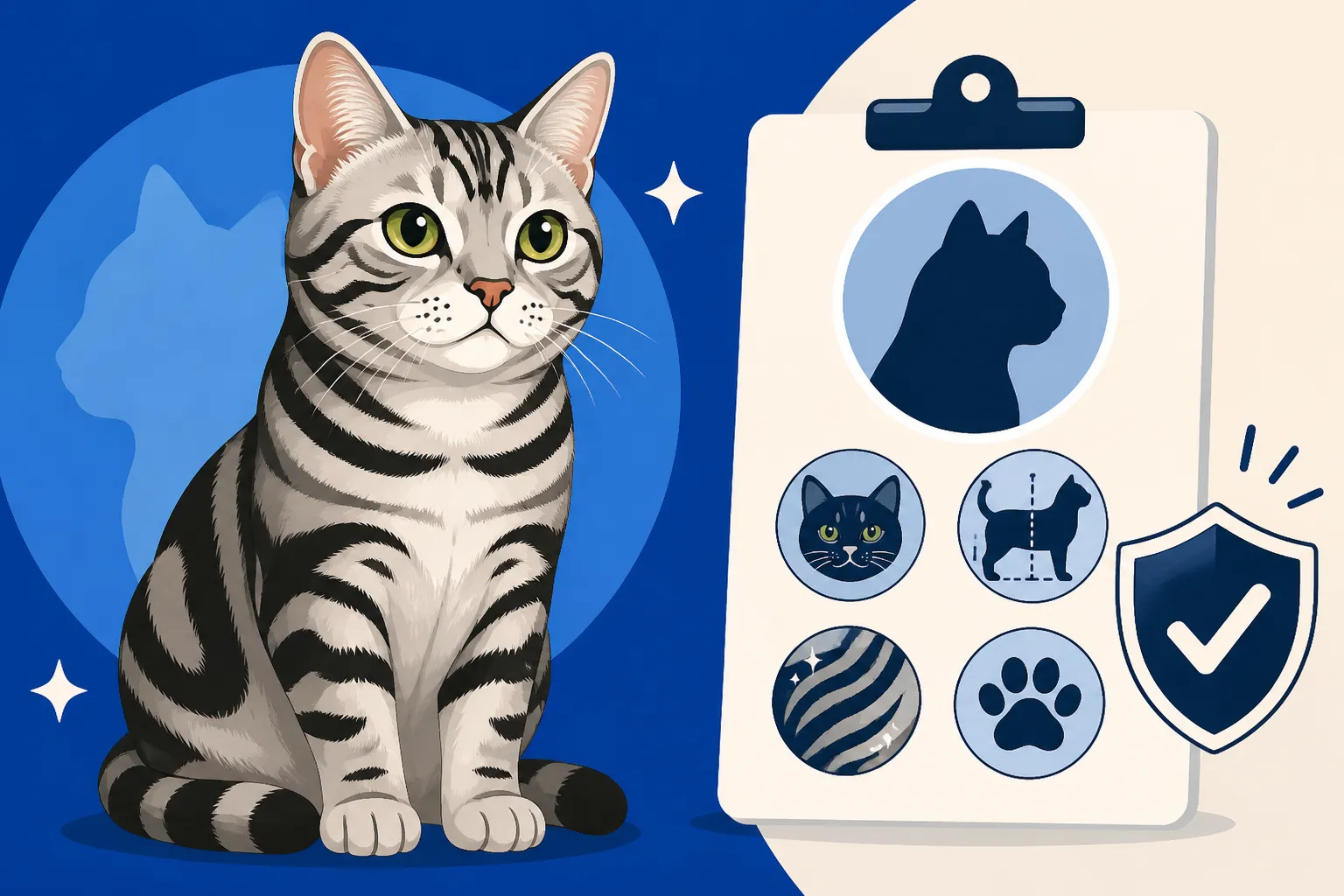
It’s a common scenario: you see a friendly, sturdy tabby cat and think, “That must be an American Shorthair!” But while many domestic shorthairs share a striking resemblance, a true American Shorthair is a pedigreed cat with specific traits defined by a breed standard. This guide is here to demystify what makes an American Shorthair truly an American Shorthair, delving deep into the official blueprint that guides breeders and ensures the integrity of this wonderful breed.
The Blueprint of Purity: Understanding the Breed Standard's Purpose
When you're looking at a purebred American Shorthair, you're looking at the culmination of generations of careful breeding, all aimed at upholding a specific set of characteristics. The breed standard isn't just some arbitrary list; it's a living document created by cat fancier associations like the CFA (Cat Fanciers' Association) to define the ideal representative of the breed. It describes everything from their physical appearance to their expected temperament.
More Than Just a Pretty Face: Why Standards Exist
The primary reason for a breed standard is to preserve the unique qualities of a specific breed. For the American Shorthair, this means maintaining the robust health, balanced conformation, and steady temperament that have made them beloved companions for centuries. Without a standard, breeders might make choices that inadvertently dilute desirable traits or, worse, introduce health issues. It acts as a consistent reference point, ensuring that an American Shorthair bred in one part of the country looks and acts much like one bred in another.
Beyond preservation, the standard also serves as a guide for ethical breeding practices. It encourages responsible breeders to select cats that embody the best of the breed, focusing on characteristics that contribute to a long, healthy life. This commitment to the standard is what differentiates a pedigreed American Shorthair from a random-bred cat, even if they share similar markings or a general build. It's about a consistent genetic lineage aimed at producing predictable, high-quality offspring.
The American Shorthair's Unique Heritage in the Standard
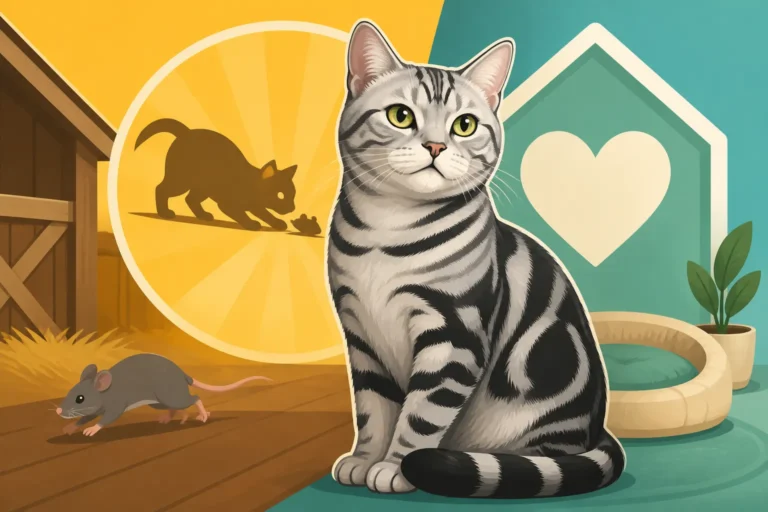
What makes the American Shorthair standard particularly interesting is how deeply it reflects the breed's working-class roots. Unlike many breeds developed for purely aesthetic or exotic traits, the American Shorthair evolved primarily as a practical mouser on farms and ships. This heritage is woven into every aspect of its standard, from its powerful build to its easygoing nature. The standard doesn't call for extreme features or fragile structures; instead, it emphasizes a cat built for function and durability.
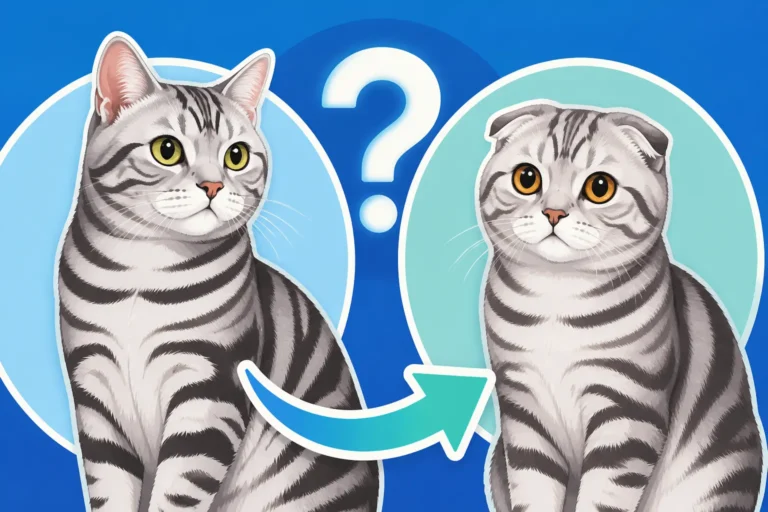
This focus on utility means that the ideal American Shorthair is a harmonious blend of strength, agility, and good health. It's a cat designed to thrive, not just to look a certain way. The standard avoids exaggerations that could compromise health or function, a stark contrast to some breeds where extreme physical traits, while visually striking, can sometimes lead to welfare concerns. Understanding this historical context helps us appreciate why certain traits are prioritized in the American Shorthair standard. It’s also a key factor in How an American Shorthair Differs From a Domestic Shorthair.
Head and Expression: The Face of a Classic Hunter
The head of an American Shorthair isn't just about good looks; it's a testament to its lineage as a skilled hunter. Every feature, from the curve of its skull to the strength of its jaw, plays a role in defining its classic "all-American" appearance and practical capabilities. The standard meticulously describes these features to ensure consistency and type across the breed.
The Iconic Head Shape: Broad and Balanced
The American Shorthair's head is described as being slightly longer than it is wide, with a full-cheeked appearance. It should have a rounded forehead that transitions smoothly into a moderate nose length. This isn't a flat-faced cat, nor is it one with an extremely long muzzle. Instead, it’s a perfectly balanced, pleasingly rounded shape that exudes strength and confidence. Imagine a classic cat face, and you're likely picturing something very close to the American Shorthair.
The gentle contours and well-developed chin are also critical components of the standard. These features contribute to an overall impression of robustness and good health. A head that is too narrow, too short, or overly long would be considered a deviation from the ideal. Breeders strive for that perfect harmony, knowing that the head often sets the tone for the entire animal's conformation. For more specific details, you might want to read What Shape an American Shorthair's Head Should Be.
Eyes and Ears: Alertness and Intelligence
The eyes of an American Shorthair are a window into its calm and intelligent nature. The standard calls for large, wide-set eyes that are round to almond-shaped, with a slight slant on the upper lid. They should be clear, bright, and expressive, conveying alertness without being overly intense. The color of the eyes is also important, always complementing the coat color, a detail we'll explore further when we discuss coat patterns.
Their ears are medium in size, set well apart, and have slightly rounded tips. They shouldn't be too large or too small for the head, maintaining that sense of balance. The placement is also crucial; they are not set high on the head like some other breeds, nor are they too low. This combination of eye and ear placement gives the American Shorthair its characteristic open, friendly, and observant expression, a look that perfectly suits its adaptable personality.
Muzzle and Jaws: Built for the Job
Perhaps one of the most functional aspects of the American Shorthair's head, harking back to its mousing days, is its muzzle and jaw structure. The standard specifically asks for a square muzzle, which is quite distinctive. This strong, broad muzzle provides ample space for powerful jaws and teeth, essential tools for its historical role as a rodent catcher. The bite should be level, or a scissors bite, ensuring efficient chewing and a strong grip.
A weak or pointed muzzle would be considered a fault, as it deviates from the breed's working heritage. The strength of the jawline and chin contributes significantly to the overall powerful appearance of the head, giving the cat a formidable yet gentle look. This anatomical design isn't just for show; it's a direct link to the breed's past effectiveness. It truly showcases Why an American Shorthair's Muzzle Is Square.
Body and Structure: A Study in Utility and Strength
When you meet an American Shorthair, you’re immediately struck by its solid, athletic build. This isn't a delicate cat; it's a powerhouse, bred for durability and functionality. The breed standard meticulously outlines a body that is a testament to its working origins, emphasizing strength, balance, and moderation.
The Medium-to-Large, Muscular Frame
The American Shorthair is celebrated for its medium-to-large size and impressive musculature. Males are typically larger and more heavily built than females, but both sexes should exude a sense of power without being cobby or chunky. The body should be substantial, with a broad chest and shoulders that convey strength. This is not a lithe, slender cat; it's a cat built to patrol and pounce, much like a well-conditioned athlete.
The standard emphasizes a "square" build, meaning the body is proportionate and well-balanced. Every part flows smoothly into the next, creating a harmonious and functional physique. There should be no extremes in length or girth; instead, the emphasis is on a well-rounded and substantial form. This robust construction is key to its health and longevity. It's about a cat that looks and is strong and healthy. Why an American Shorthair Is Built Square further elaborates on this defining characteristic.
Legs and Paws: Strength and Agility
To support its muscular body, the American Shorthair requires strong, well-boned legs. The standard specifies legs of medium length, which are neither too short to impede movement nor too long to appear gangly. They should be straight and strong, contributing to the cat's overall stable posture. These are the legs of a cat that can jump, climb, and run with ease, reflecting its active nature.
The paws are another important detail: they should be round and full, with firmly knit toes. This provides a stable base for movement and good traction. Whether climbing a cat tree or navigating household furniture, these paws are built for grip and agility. The pads should be thick and resilient, ready for any surface, further highlighting the breed’s practical design. When looking for appropriate accessories for their active lifestyle, many owners check Chewy for sturdy scratching posts and engaging toys.
Tail: Proportionate and Tapering
The American Shorthair's tail might seem like a minor detail, but the standard gives it due attention as it contributes to the cat's overall balance and aesthetic. It should be medium in length, proportionate to the body, neither excessively long nor unusually short. Starting wide at the base, it should taper gradually to a rounded tip.
A tail that is too thin, too bushy, or kinked would be considered a fault. The tail acts as a counterbalance, aiding in agility and balance, especially during those characteristic jumps and turns associated with its hunting instincts. This simple yet important feature ensures that the American Shorthair moves with grace and stability, completing the picture of a perfectly balanced and functional feline. For a deeper dive, consider What an American Shorthair's Tail Should Look Like.
Coat and Color: Practicality and Beauty
The American Shorthair's coat is another defining feature that speaks volumes about its history and purpose. It's not a flashy coat, but one built for function, durability, and ease of care. Alongside its practical attributes, the breed also boasts an impressive array of colors and patterns, offering something for every aesthetic preference.
The Short, Dense, Weather-Resistant Coat
The standard demands a short, thick, and hard coat for the American Shorthair. This isn't a plush, soft coat like some other breeds; instead, it should feel dense and somewhat stiff to the touch. This "hard" texture is critical because it provides excellent protection against the elements, a trait inherited from its outdoor ancestors who braved various weather conditions on farms and ships. The density of the coat ensures it's warm in winter and provides a barrier against moisture.
This low-maintenance coat is one of the breed's most appealing features for owners. It sheds seasonally but generally requires minimal grooming from humans, as the cat is quite adept at keeping itself tidy. The coat should lie smooth against the body and possess a natural, healthy sheen. It's a coat built for resilience, not delicate grooming routines. This aspect is thoroughly discussed in The American Shorthair's Coat Was Built for Weather, Not a Judge.
A Kaleidoscope of Colors and Patterns
While the physical structure of the American Shorthair is fairly consistent, the breed truly shines in the sheer variety of its coat colors and patterns. The standard accepts a vast spectrum, including solids, bi-colors, parti-colors, smokes, shaded, and of course, the ever-popular tabbies. Each color and pattern has specific criteria for clarity and distribution that breeders strive to achieve.
The classic tabby pattern, with its distinctive "M" on the forehead and swirling patterns on the sides, is arguably the most iconic. Within the tabby category, you'll find mackerel (narrow stripes), patched (patches of color), and ticked (bands of color on individual hairs). The Silver Tabby, with its striking black markings on a clear silver ground, is particularly famous and is often the image people conjure when they think of an American Shorthair. This beautiful variation has become so representative of the breed that many seek it out specifically, as highlighted in The Silver Tabby Is the American Shorthair People Pay For. You can find a wide range of colors listed in Which Colors an American Shorthair Comes In.
Eye Color Harmony
Just like a perfectly coordinated outfit, an American Shorthair's eye color should complement its coat color. The standard calls for clear, brilliant, and appealing eye colors that enhance the cat's overall expression. While gold or green eyes are very common, especially with tabby patterns, specific coat colors may call for different eye hues.
For instance, American Shorthairs with silver or blue coats often have green or blue-green eyes, while solid white American Shorthairs can even have blue or odd-colored eyes (one blue, one gold). This harmonious pairing ensures that the cat's face is both striking and true to its breed type. The eyes should always be alert and expressive, regardless of their color. If you're curious about all the pairings, you can explore Which Eye Colors an American Shorthair Has.
Temperament: The Heart of the American Shorthair
Beyond their physical attributes, the American Shorthair standard also touches upon temperament. This is a crucial element, as it dictates how well a cat integrates into a family and lives its daily life. The American Shorthair is renowned for its steady, adaptable, and affectionate nature, traits that have endeared it to countless owners.
The Docile, Adaptable Companion
The ideal American Shorthair temperament is described as easygoing, docile, and even-tempered. These are calm, gentle cats who are rarely ruffled by changes in their environment or the comings and goings of a busy household. They are intelligent and enjoy interacting with their human companions but are also perfectly content to entertain themselves or simply observe the world from a comfortable perch. This balance of independence and sociability makes them incredibly adaptable pets.
They are known for being affectionate without being overly demanding. An American Shorthair will often seek out your company, perhaps settling beside you on the sofa or following you from room to room, but they aren't typically "lap cats" in the intensely clingy sense. This makes them ideal for families who appreciate a companion but also have busy schedules. Their adaptability means An American Shorthair Fits Any Household, whether it's a bustling family home or a quieter single-person dwelling.
Retaining the Hunter's Instinct
Despite their domesticated nature, the American Shorthair standard acknowledges and implicitly requires the retention of their ancestral hunting instincts. This means an ideal American Shorthair is active, playful, and possesses a strong prey drive. Even as indoor cats, they need outlets for this natural behavior. You'll often see them stalking toys, pouncing on imaginary prey, or engaging enthusiastically with wand toys.
This innate drive doesn't translate into aggression; rather, it manifests as a need for engaging play that simulates the hunt sequence. Owners should be prepared to provide plenty of interactive play to keep their American Shorthair mentally and physically stimulated. Products from Chewy, like feather wands or crinkle balls, are often great choices for satisfying these natural urges. Embracing this aspect of their temperament is vital for their well-being. For more on this, check out The American Shorthair Still Hunts, Whether You Want It To or Not.
What the Standard Doesn't Ask For: Avoiding Extremes
One of the most admirable aspects of the American Shorthair breed standard is what it doesn't require. Unlike some other pedigreed cats, the standard actively promotes moderation and practicality, steering clear of any extreme features that could compromise the cat's health or quality of life. This deliberate approach is a testament to the breed's foundation as a robust, functional companion.
A Focus on Health Over Exaggeration
The American Shorthair standard does not ask for unusually short legs, overly flattened faces, or excessively long bodies. It doesn't promote extreme bone structures or fragile features that might lead to respiratory issues, joint problems, or dental complications. Instead, every aspect of the standard emphasizes a balanced, sturdy, and well-proportioned cat. This focus on natural form ensures that the American Shorthair remains a healthy and robust breed, true to its roots.
This commitment to avoiding exaggerations is a significant reason why the American Shorthair is generally considered a low-maintenance and healthy breed. Breeders adhering to the standard are, in effect, breeding for vitality and longevity, rather than chasing fleeting trends in appearance. It’s a breed where function truly dictates form, leading to fewer congenital issues and a higher overall quality of life for the cats. This philosophy is deeply ingrained and explains Why Function Left the American Shorthair Fewer Faults.
Why This Matters to Owners
For prospective and current American Shorthair owners, this focus on moderation and health is a huge benefit. It means that, generally speaking, American Shorthairs are less prone to the breed-specific health problems that plague some other pedigrees with more extreme characteristics. A sturdy build, for instance, helps distribute weight evenly, reducing strain on joints as the cat ages. Strong jaws and a well-formed head contribute to better dental health.
This emphasis on a naturally robust cat often translates into fewer veterinary visits for complex, breed-related conditions. While every cat needs routine care, an American Shorthair's chances of facing major structural or genetic health challenges are typically lower than breeds with more exaggerated features. This makes them not only wonderful companions but also a potentially more economical choice in terms of long-term healthcare costs. It's a contributing factor to Why an American Shorthair Costs a Vet Less Than a Persian over their lifespan.
| Feature | Standard Description | Purpose / Implication |
|---|---|---|
| Head Shape | Slightly longer than wide, rounded forehead, full cheeks. | Strength, intelligence, classic appearance. Supports strong jaws. |
| Eyes | Large, wide-set, round to almond, clear, brilliant, complementary color. | Alertness, good vision for hunting, expressive. |
| Ears | Medium size, set well apart, slightly rounded tips. | Balanced appearance, good hearing. |
| Muzzle/Jaws | Square muzzle, strong jaws, level or scissors bite. | Effective hunting and chewing, robust health. |
| Body | Medium-to-large, muscular, substantial, broad chest, "square" build. | Strength, agility, durability, good health, no fragile extremes. |
| Legs/Paws | Medium length, well-boned legs; round paws, firmly knit toes. | Support for active lifestyle, stability, agility. |
| Tail | Medium length, wide at base, tapering to rounded tip, proportionate to body. | Balance, agility, harmonious appearance. |
| Coat | Short, dense, hard texture, smooth, glossy. | Weather-resistant, protective, low maintenance. |
| Temperament | Easy-going, docile, intelligent, adaptable, affectionate but independent, active. | Ideal family pet, resilient, retains natural instincts. |
Disclaimer
This article is for general informational purposes only and does not constitute professional advice. Laws, prices and regulations vary by location and change over time. Consult a qualified professional for guidance on your specific situation.