How Long the American Shorthair Lives Against Other Pedigrees
It's completely normal to wonder how long your cherished feline companion will be by your side. When you've welcomed a pedigree cat like an American Shorthair into your home, you're not just getting a pet; you're often investing in a particular set of traits, including a reputation for good health and longevity. This guide aims to demystify the typical lifespan of the American Shorthair, comparing it with other well-known pedigrees, and exploring all the essential factors that contribute to a long, vibrant life for your furry friend.
Understanding the American Shorthair's Natural Longevity
The American Shorthair boasts a long history rooted in working conditions, which has inadvertently shaped them into one of the hardiest and most resilient cat breeds around. Their genetic makeup reflects centuries of natural selection rather than intensive human intervention for specific aesthetic traits.
A Legacy of Robust Health and Endurance
Imagine the cats that sailed on ships from Europe to North America, tasked with keeping rodent populations under control. These were not pampered show cats; they were survivors, bred by necessity for strength, intelligence, and a robust immune system. The American Shorthair descends directly from these hardy felines, a lineage that prioritized function and vitality above all else. This historical context means they carry fewer of the genetic predispositions to health issues that sometimes plague breeds developed more recently for specific looks or extreme features. They are, in many ways, the control group of the cat world, a benchmark for what a healthy cat should be. It's often said that Why Function Left the American Shorthair Fewer Faults, and this inherent sturdiness is a major contributor to their long lifespans. They simply weren't bred for anything that might compromise their health or ability to thrive.
Their strong, well-muscled bodies and sensible, moderate features are a testament to this functional breeding. There are no exaggerated facial structures that lead to breathing problems, no extremely long backs prone to spinal issues, and no overly delicate bone structures. This sensible design, honed by practical needs, translates directly into fewer congenital defects and a better overall foundation for health. This foundational health is a gift that American Shorthair owners benefit from, offering peace of mind that their cat isn't fighting against its own genetics from day one.
The Typical Lifespan Range for American Shorthairs
Given their incredible hardiness, it's no surprise that the American Shorthair generally enjoys a remarkably long life. On average, you can expect an American Shorthair to live anywhere from 15 to 20 years, with many individuals happily reaching or even surpassing the upper end of that range. This is often described as The Fifteen to Twenty Years the American Shorthair Was Given, a testament to their enduring vitality. Of course, this is an average, and individual experiences can vary, but it provides a wonderful benchmark for potential longevity.
Reaching the longer end of this spectrum often comes down to a combination of their excellent genetics and the quality of care they receive throughout their lives. A cat living indoors, provided with a balanced diet, regular veterinary check-ups, and a loving, low-stress environment, has the best shot at hitting those impressive senior years. It's a journey, not just a given, and dedicated ownership plays a huge role. For example, ensuring they maintain a healthy weight and receive proper dental care can prevent many age-related complications that might otherwise shorten their years.
While some cats might face unforeseen challenges, the inherent strength of the American Shorthair breed means that many of these challenges can be managed effectively, especially with early detection and intervention. Knowing this typical lifespan can help you plan for a long-term commitment, understanding that your American Shorthair is likely to be a cherished family member for many years to come, potentially seeing children grow into adults or being a steadfast companion through various life stages.
How American Shorthair Lifespans Compare to Other Popular Breeds
When considering a pedigree cat, one of the first questions many prospective owners ask is about lifespan. It's a natural concern, as you want as much time as possible with your beloved pet. The American Shorthair truly shines in this comparison, often outliving breeds with more extreme characteristics.
Versus the Persian and Other Brachycephalic Breeds
When you compare the American Shorthair to breeds like the Persian, the difference in expected lifespan can be quite striking. Persians, with their distinctive flat faces and long, flowing coats, are undeniably beautiful, but these very traits can unfortunately predispose them to a host of health issues that often shorten their lives. Their brachycephalic (flat-faced) skull structure can lead to respiratory problems, making breathing difficult, especially in warm weather or during exercise. They are also prone to dental issues due to jaw misalignment, and their deep facial folds require meticulous cleaning to prevent skin infections. Beyond that, Persians are also known for a higher incidence of Polycystic Kidney Disease (PKD), a genetic condition that can lead to kidney failure.
Consequently, while individual Persians can live long lives, their average lifespan tends to be shorter, often ranging from 12 to 15 years, and sometimes even less if severe health complications arise. This is where the American Shorthair's moderate, functional build truly stands out. Unlike the Persian, the American Shorthair's head shape is proportionate and allows for easy breathing, clear vision, and healthy teeth alignment. This absence of extreme features means they simply don't face the same constant physiological strain or higher risk of certain genetic diseases. Understanding How the American Shorthair's Lifespan Compares to a Persian's reveals a clear advantage in favor of the American Shorthair's naturally robust health.
Contrasting with Maine Coons and Larger Breeds
Moving on to another popular large pedigree, the Maine Coon, we again see the American Shorthair holding its own in terms of longevity. Maine Coons are magnificent, large, long-haired cats known for their gentle dispositions. They are generally considered a healthy breed with an average lifespan typically falling between 12 to 15 years, sometimes extending to 18 years for particularly robust individuals. While this is a respectable lifespan, it's often slightly less than the upper range seen in American Shorthairs.
Maine Coons, due to their larger size and specific genetics, can be prone to certain conditions. Hypertrophic Cardiomyopathy (HCM), a thickening of the heart muscle, and hip dysplasia are two notable concerns that can impact their quality and length of life. While diligent breeders screen for these conditions, they remain a part of the breed's health profile. In comparison, the American Shorthair, while also susceptible to HCM (as many breeds are, including mixed breeds), tends to have a lower incidence of severe hip dysplasia thanks to its balanced, medium-sized build. The difference in size and genetic predispositions means that comparing How the American Shorthair's Lifespan Compares to a Maine Coon's often highlights the American Shorthair's advantage in overall general health and a slightly longer potential lifespan, free from some of the challenges associated with extreme size.
Comparing to Siamese and Oriental Breeds
When we look at Siamese and other Oriental breeds, the comparison becomes a bit more nuanced. Siamese cats are known for their sleek, elegant appearance and distinctive vocalizations. They are often celebrated for their longevity, with many living into their late teens and even early twenties, placing them in a similar, if not sometimes slightly longer, bracket than the American Shorthair. Their slender, athletic builds contribute to their overall health and agility.
However, Siamese cats also have their own set of breed-specific health concerns, such as a higher predisposition to certain types of cancer (like mediastinal lymphoma) and a condition called amyloidosis, which can affect the liver or kidneys. While these conditions aren't universal, they represent specific genetic vulnerabilities within the breed. The American Shorthair, on the other hand, benefits from a broader genetic base due to its landrace origins, which generally dilutes the risk of any single breed-specific genetic disease becoming widespread. While Siamese can be exceptionally long-lived, the American Shorthair's general hardiness across a wider spectrum of potential health challenges often makes it a consistently robust choice, with fewer known critical breed-specific genetic conditions beyond general feline health issues.
Key Factors Influencing Any Cat's Lifespan
While genetics play a significant role, a cat's lifespan isn't solely predetermined. Many environmental and care-related factors contribute massively to how long and how well your American Shorthair lives. Proactive care and attention to daily needs can genuinely add years to your cat's life.
The Impact of Nutrition and Weight Management
Perhaps one of the most critical, yet often overlooked, factors in a cat's longevity is its diet and weight. Just like humans, what a cat eats directly impacts every bodily function, from organ health to immune system strength. Feeding a high-quality, species-appropriate diet provides the essential nutrients for growth, repair, and overall vitality. Cheap, filler-heavy foods can lead to long-term health issues, inflammatory responses, and nutritional deficiencies that subtly chip away at a cat's health over years. Ensuring your American Shorthair receives a balanced diet, rich in animal protein and appropriate fats, is a fundamental pillar of health.
Beyond the quality of food, portion control is paramount. American Shorthairs, with their mouser's instinct, often have hearty appetites, and if left to free-feed, can easily become overweight. This is a common struggle for owners because Obesity Is What Ending the American Shorthair's Job Cost It. Their ancestors had to hunt for every meal, burning significant calories. Our modern housecats, even with their robust build, don't have the same energy output but often retain that strong drive to eat. Obesity isn't just a cosmetic issue; it's a serious medical condition that significantly increases the risk of diabetes, arthritis, heart disease, certain cancers, and liver problems. Each of these conditions can drastically reduce a cat's lifespan and quality of life. In fact, research clearly shows How Many Years Extra Weight Takes Off the American Shorthair's Lifespan.
Managing your American Shorthair's weight isn't about deprivation; it's about providing the right amount of the right food to maintain an ideal body condition. This means working with your vet to determine the appropriate daily calorie intake and selecting foods that support their muscular frame without packing on unnecessary pounds. Regular weigh-ins at home or during vet visits can help you stay on track, allowing for adjustments before significant weight gain becomes a problem.
The Importance of Veterinary Care and Preventative Measures
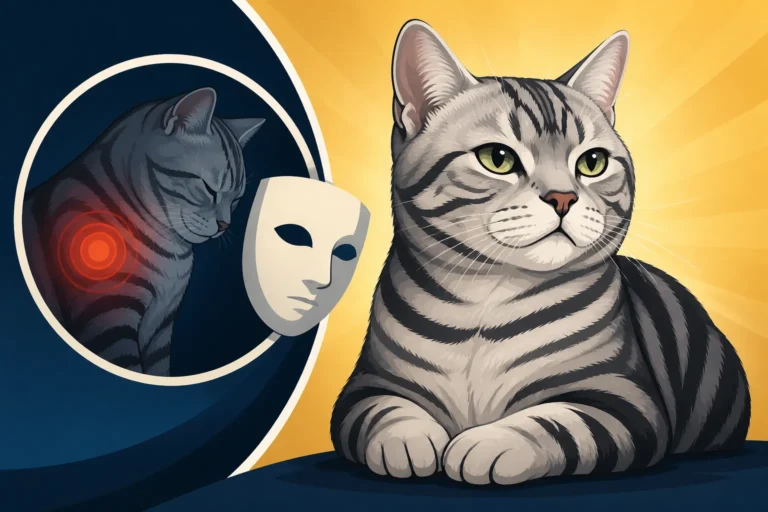
Consistent and thorough veterinary care is non-negotiable for maximizing your American Shorthair's lifespan. Annual check-ups, even for seemingly healthy cats, are crucial. Cats are masters at hiding illness, a survival instinct from their wild ancestors. By the time symptoms become obvious, a condition might be advanced and more difficult to treat. Regular vet visits allow for early detection of potential problems through physical examinations, blood work, and urine tests. Catching issues like kidney disease, thyroid problems, or dental infections in their initial stages can make a world of difference in their management and prognosis.
Beyond routine examinations, vaccinations protect your cat from common, often deadly, infectious diseases such as rabies, feline panleukopenia, and upper respiratory viruses. Regular deworming and flea/tick prevention are also vital, as parasites can transmit diseases and cause severe discomfort. Furthermore, for a pedigree cat, specific screenings for genetic conditions known to the breed are invaluable. For instance, while American Shorthairs are generally healthy, a yearly heart scan, or echocardiogram, is recommended for breeding cats and can be beneficial for pets, particularly as they age. This is because Why an American Shorthair Still Needs a Yearly Heart Scan, despite their overall robustness, due to the presence of Hypertrophic Cardiomyopathy (HCM) in the wider cat population. Investing in preventative care, including proper dental care, is far more effective and less stressful than reacting to an emergency. To help manage the costs of ongoing care and unexpected emergencies, many owners find pet insurance, like plans offered by Healthy Paws, to be an invaluable resource, ensuring they can always provide the best medical attention without financial strain.
Environmental Enrichment and Stress Reduction
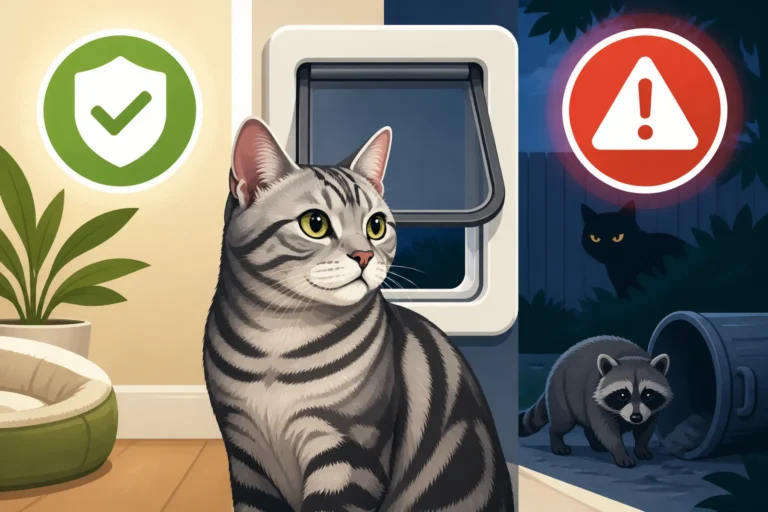
A cat's environment profoundly impacts its mental and physical well-being, directly influencing its lifespan. Indoor cats generally live longer than outdoor cats, largely due to protection from vehicular accidents, fights with other animals, exposure to infectious diseases, and parasites. However, simply being indoors isn't enough; the indoor environment must be enriching and stimulating to prevent boredom, stress, and behavioral problems.
American Shorthairs are naturally intelligent and active cats, descended from formidable hunters. Without adequate outlets for their instincts, they can become stressed, lethargic, or even destructive. Providing vertical space through cat trees or shelves, offering a variety of interactive toys, and engaging in daily play sessions that mimic the hunt sequence (stalk, chase, pounce, catch) are essential. Puzzle feeders that make them "work" for their food can also keep their minds sharp and prevent overeating. Furthermore, a stable, predictable home environment reduces stress. Cats thrive on routine. Sudden changes, excessive noise, or conflict within the household can lead to chronic stress, which suppresses the immune system and can exacerbate existing health conditions or even lead to new ones. A comfortable, secure retreat where your American Shorthair can relax undisturbed is also important for their sense of security.
Common Health Challenges and Lifespan in American Shorthairs
While the American Shorthair is celebrated for its robust health, it's not entirely immune to the health challenges that affect the wider feline population. Knowing what to look for and understanding the breed's predispositions allows owners to be proactive and ensure their cats receive the best possible care, potentially mitigating severe outcomes and extending their healthy years.
Addressing Cardiac Health: HCM in ASH
One of the most significant health concerns across many cat breeds, including the American Shorthair, is Hypertrophic Cardiomyopathy (HCM). This is a disease of the heart muscle where the walls of the heart's main pumping chamber (the left ventricle) become abnormally thick. This thickening makes it harder for the heart to pump blood effectively, leading to various complications, including congestive heart failure, blood clots, and sudden death. While its incidence is generally lower in American Shorthairs compared to some other breeds like Maine Coons or Ragdolls, it's still present. Indeed, HCM Is the One Inherited Disease the American Shorthair Kept from its broad genetic pool, underscoring the importance of vigilance.
The insidious nature of HCM is that it often presents without any outward symptoms in its early stages. Many cats appear perfectly healthy until the disease is quite advanced, or they experience a sudden, life-threatening event. This is why regular veterinary check-ups that include listening to the heart for murmurs are vital, and why specialized cardiac screening (echocardiograms) by a veterinary cardiologist is so important for breeding cats and can be a good proactive measure for pet owners, especially as their cat ages. If diagnosed, while there's no cure, medication can often help manage the symptoms, improve heart function, and extend a cat's comfortable life for several months or even years. Early detection allows for timely intervention, potentially delaying the progression of the disease and improving prognosis.
Joint and Musculoskeletal Concerns
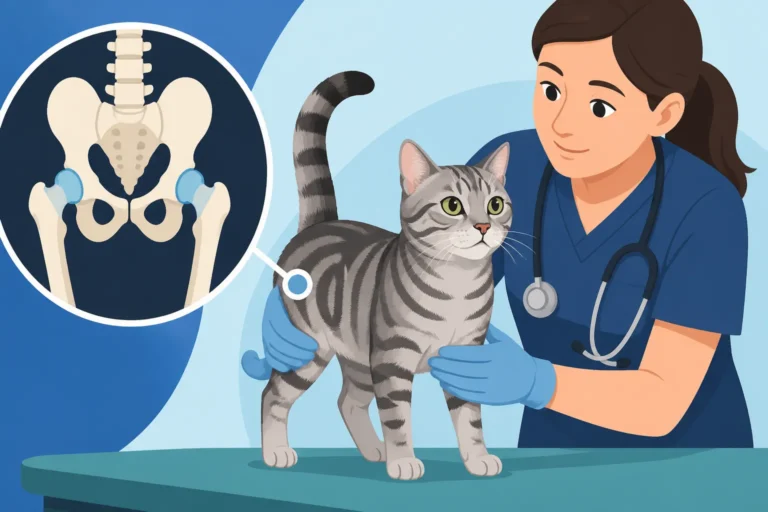
The American Shorthair's sturdy, muscular build, which contributes so much to its hardy nature, can also come with its own set of unique considerations, particularly concerning their joints. While generally agile, their solid, powerful frame, especially if they become overweight, places considerable stress on their hips and other joints over time. This can predispose them to conditions like arthritis as they age, and in some cases, even hip dysplasia, though it's much less common than in some dog breeds or even larger cat breeds. We often see that Why a Broad Chested American Shorthair Puts Weight Through Its Hips, meaning their strong physique can sometimes be a double-edged sword if not properly managed.
Symptoms of joint pain or musculoskeletal issues might be subtle in a stoic cat like the American Shorthair. You might notice a reluctance to jump to favorite spots, a slight stiffness after rest, or a change in their gait. As they age, it’s not uncommon for them to slow down, but distinguishing between normal aging and pain is crucial. Maintaining an ideal body weight is the single most effective way to protect their joints, reducing the load and preventing premature wear and tear. If arthritis is diagnosed, various treatments are available, including pain relief medications, joint supplements (like glucosamine and chondroitin), physical therapy, and even laser therapy, all aimed at improving comfort and mobility. Ensuring your cat remains active and preventing obesity are key strategies for supporting their strong frame throughout their life.
Dental Health and Its Systemic Effects
Dental disease is often called the "silent killer" in cats, and the American Shorthair is no exception to its widespread prevalence. It's a condition that many owners overlook because cats rarely show obvious signs of pain until the disease is severe. Periodontal disease, which includes gingivitis and periodontitis, is an infection and inflammation of the tissues surrounding the teeth. If left untreated, it can lead to painful tooth loss, abscesses, and, more critically, bacteria from the mouth can enter the bloodstream and travel to vital organs like the heart, kidneys, and liver, causing systemic damage and potentially shortening a cat's life.
It's a frustrating reality for many cat parents; you feed them the best food, get their vaccines, and still, teeth problems creep up. The reality is that almost all cats will develop some form of dental disease by the age of three if preventative measures aren't taken. While some breeds might be genetically predisposed to worse dental issues, the American Shorthair, like most cats, benefits immensely from proactive dental care. This includes daily tooth brushing, if possible, using enzymatic dental treats or water additives, and most importantly, regular professional dental cleanings under anesthesia at your vet. These cleanings allow the vet to thoroughly scale away plaque and tartar, probe for pockets of infection, and extract any irreparably damaged teeth. Prioritizing dental health isn't just about fresh breath; it's a fundamental part of maintaining overall systemic health and ensuring your American Shorthair lives a long, comfortable life free from chronic pain and infection.
Maximizing the Lifespan of Your American Shorthair
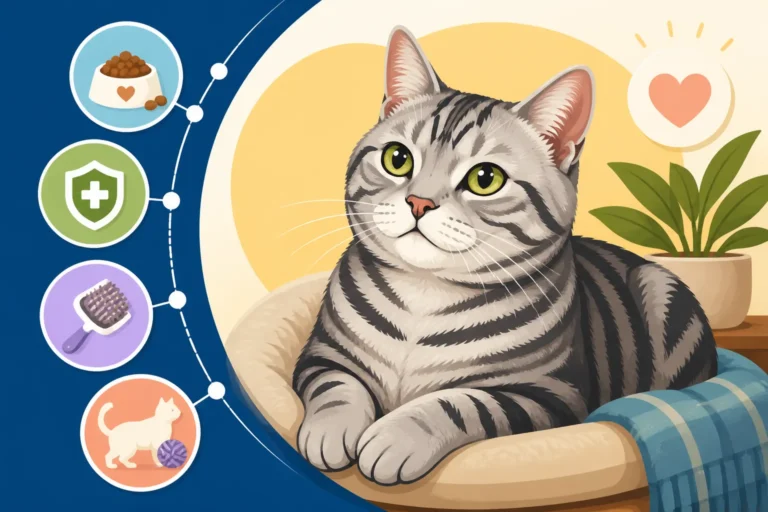
While American Shorthairs are inherently hardy, there's plenty you can do as an owner to ensure they not only reach their full lifespan potential but also enjoy those years in peak health and happiness. A comprehensive approach, starting from the day you bring them home, is key.
Proactive Care from Kittenhood to Senior Years
The journey to a long and healthy life begins early. Establishing a routine of proactive care from kittenhood sets the stage for lifelong wellness. This means consistent veterinary check-ups, ensuring all necessary vaccinations are up-to-date, and maintaining strict parasite control. Early socialization and proper training also contribute to a well-adjusted cat, reducing stress and behavioral issues that can indirectly impact health. Introducing good habits, like gentle handling and grooming, from a young age makes future care much easier.
As your American Shorthair matures, the focus shifts slightly, but consistency remains vital. Regular dental care, weight monitoring, and age-appropriate nutrition become increasingly important. When they reach their senior years, typically around 10-12 years old, their needs will evolve further. Caring for an American Shorthair Past Twelve requires even more vigilance. Senior cats benefit from more frequent vet visits (sometimes twice a year) to monitor for common age-related conditions like kidney disease, hyperthyroidism, and arthritis. Blood work, urine tests, and blood pressure checks become routine to catch any issues early. You might need to adjust their diet to a senior formula, provide softer bedding for their joints, or make their environment more accessible if mobility becomes an issue. This continuous, attentive care is what helps your American Shorthair gracefully navigate their later years.
Selecting a Reputable Breeder
If you're bringing home a purebred American Shorthair, the choice of breeder profoundly impacts your kitten's potential for a long, healthy life. A reputable breeder prioritizes the health and well-being of their breeding cats and their offspring above all else. They will conduct health screenings for genetic conditions known to affect the breed, even if those risks are low in American Shorthairs. For instance, while not as prevalent as in some other breeds, screening for Hypertrophic Cardiomyopathy (HCM) is a sign of a responsible breeder, as is understanding the health history of their breeding lines. They should be transparent about these test results and willing to share them with you.
A responsible breeder will also ensure their kittens are raised in a clean, stimulating environment, receive proper nutrition, and have their first vaccinations and deworming treatments before going to their new homes. They will provide health guarantees, offer ongoing support, and be knowledgeable about the breed's specific needs and potential health predispositions. Avoiding "backyard breeders" or pet stores that cannot provide detailed health histories and proper care records is crucial, as kittens from these sources are often more susceptible to genetic diseases and may start life with a weaker immune system, potentially shortening their lifespan or leading to costly health issues down the line.
The Role of a Loving and Stable Home Environment
Beyond diet and vet care, the emotional well-being of your American Shorthair contributes significantly to its physical health and longevity. A loving, stable, and predictable home environment reduces chronic stress, which can suppress the immune system and make a cat more vulnerable to illness. Cats thrive on routine, feeling secure when they know what to expect. This means consistent feeding times, regular play sessions, and a predictable schedule for your interactions.
Providing safe, personal spaces where your American Shorthair can retreat and feel secure is also vital. This could be a high perch, a cozy bed, or a quiet room. Consistent, positive interaction with family members strengthens their bond and ensures they feel cherished and integrated into the household. Even though American Shorthairs are known for their independent and adaptable nature, they still benefit immensely from a calm, affectionate home. A cat that feels safe, loved, and engaged is less likely to suffer from stress-related ailments, behavioral problems, or depression, all of which can indirectly impact their physical health. By nurturing their emotional well-being, you contribute to a happier, healthier cat who will be a treasured companion for many, many years.
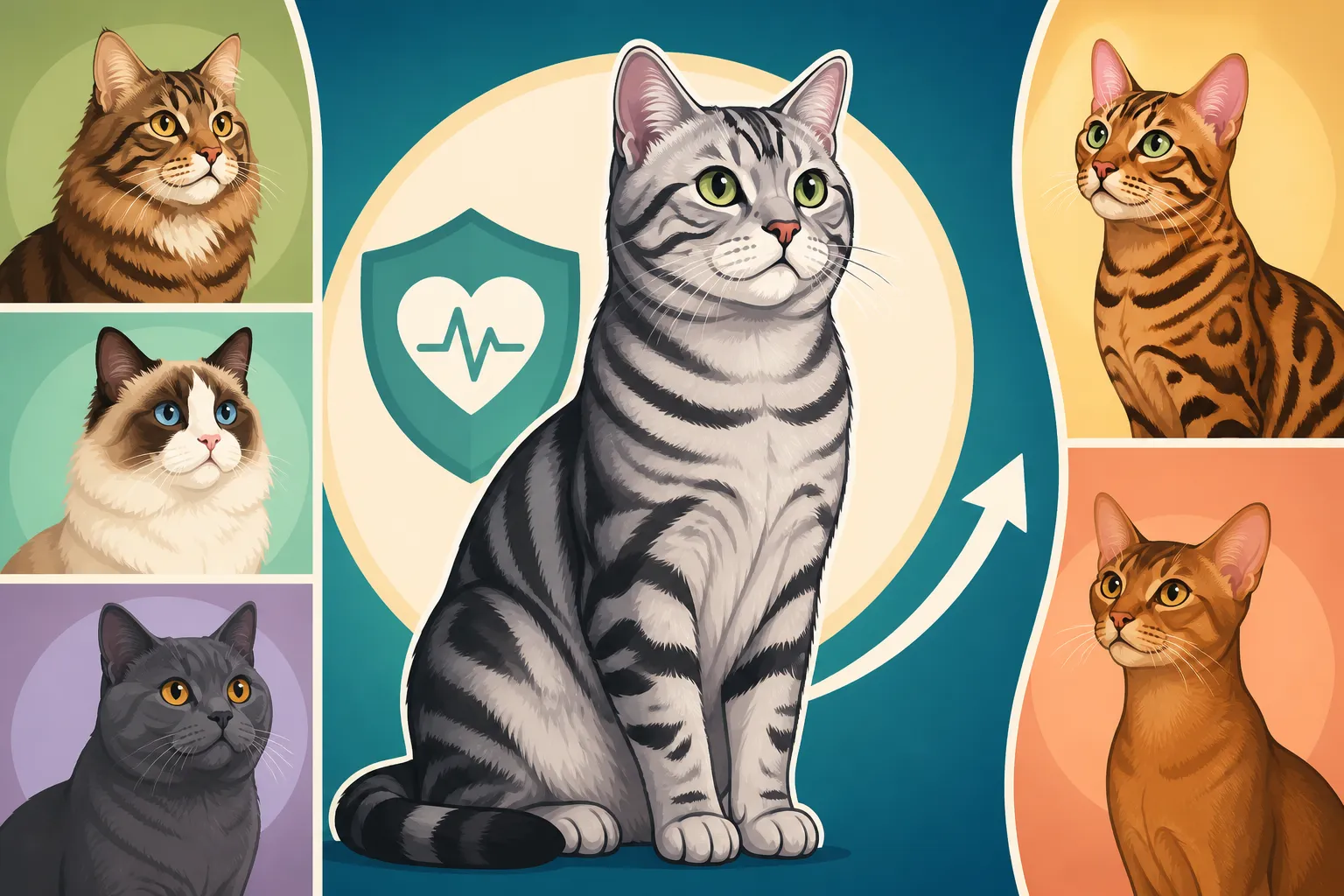
Here's a quick look at how the American Shorthair's expected lifespan generally stacks up against some other popular pedigrees:
| Breed | Average Lifespan (Years) | Key Health Considerations Often Impacting Lifespan |
|---|---|---|
| American Shorthair | 15-20 | HCM (low incidence), joint health (with obesity) |
| Domestic Shorthair (Moggy) | 12-18 | Varied, depends on genetic diversity |
| Persian | 12-15 | Brachycephalic issues (breathing, dental), PKD, HCM |
| Maine Coon | 12-15 | HCM, hip dysplasia |
| Siamese | 15-20+ | Amyloidosis, some cancers |
| Ragdoll | 12-17 | HCM, bladder stones |
| Sphynx | 12-14 | HCM, skin conditions, dental issues |
Disclaimer
Please remember that the information provided in this guide is for general educational purposes only and should not be considered a substitute for professional veterinary advice. Always consult with a qualified veterinarian for any health concerns or before making any decisions related to your cat's care and health.