Where the American Shorthair Comes From
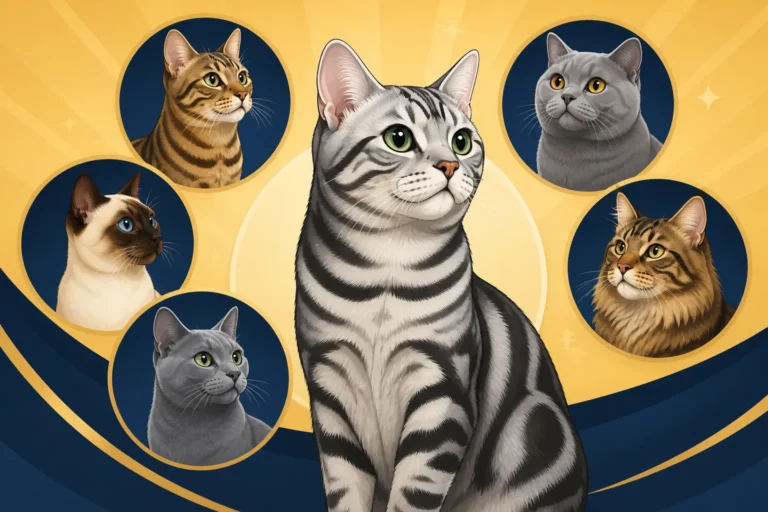
Many cat lovers gaze at their American Shorthair and see a familiar, comforting presence, a cat that embodies the quintessential feline. Yet, behind that calm demeanor and classic tabby pattern lies a rich, often overlooked history that stretches back centuries to the very founding of America. If you've ever wondered how these sturdy, adaptable felines came to be, you're not alone. This guide delves deep into the fascinating origins of the American Shorthair, tracing their journey from working cats on sailing ships to the beloved pedigreed companions we know today.
From European Shores to the New World: The Ancestors' Journey
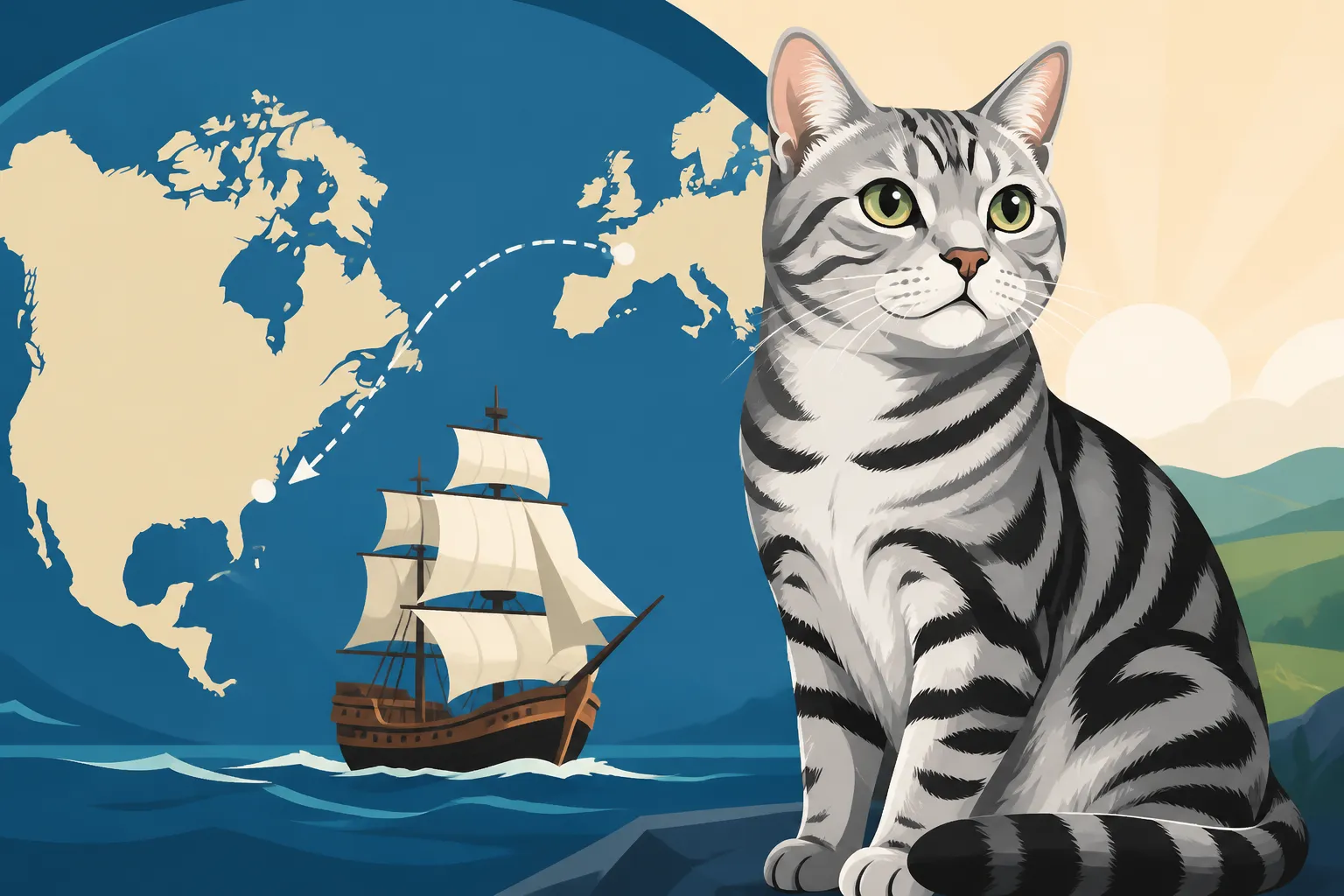
Before they were known as the American Shorthair, or even "Domestic Shorthairs," the ancestors of these resilient cats were practical, unsung heroes. Their story begins not in a cozy American home, but on the vast, often treacherous, Atlantic Ocean. They were vital members of any crew, tasked with a job that directly impacted survival, health, and cargo.
Stowaways and Companions: Why Cats Sailed the Seas
Imagine a wooden sailing ship, creaking under the weight of cargo, supplies, and hopeful settlers, making its arduous journey across the Atlantic. Such a vessel was a veritable buffet for a host of unwelcome guests: rats and mice. These vermin weren't just a nuisance; they were a profound threat. They gnawed through ropes, contaminated precious food and water supplies, and spread diseases that could decimate a crew or a colony before it even began. This is where the cat came in, not as a pampered pet, but as a critical piece of maritime equipment.
These were tough, no-nonsense cats, selected purely for their hunting prowess and ability to adapt to a harsh environment. They weren't chosen for fancy pedigrees or specific coat colors, but for their effectiveness at keeping the rodent population in check. They lived a hard life at sea, constantly alert, facing storms, limited resources, and the ever-present challenge of their quarry. It was a life that truly tested their mettle, ensuring that only the most robust and intelligent individuals survived to pass on their genes.
The Rodent Problem: Their Indispensable Role on Ships
The role of these early cats aboard ships truly cannot be overstated. Without them, voyages would have been far more perilous, if not outright impossible. Think of the supplies needed for months at sea or for establishing a new settlement: grains, dried meats, and other provisions were constantly at risk. A single rat infestation could ruin an entire ship's stores, leading to starvation and sickness. Ships Carried the American Shorthair's Ancestors as Ratters.
These cats were the ultimate form of biological pest control, silently patrolling the cargo holds and living quarters. Their keen senses and predatory instincts were perfectly suited to hunting in the dim, cramped spaces of a ship. They were quite literally saving lives and livelihoods, preventing disease outbreaks and ensuring that valuable cargo reached its destination intact. This intense selective pressure for efficient hunting and robust health is a foundational element in the genetic makeup of what would become the American Shorthair.
Arrival in America: Stepping Onto New Ground
When these ships finally reached the shores of the New World, these resilient feline "crew members" disembarked alongside their human companions. This was a critical moment for the future of the breed. They weren't just passengers; they were immigrants themselves, bringing their invaluable skills to a brand-new continent. As settlers began to establish farms and communities, the cats continued their vital work. The Mayflower Cats Behind the American Shorthair.
From the bustling docks of early settlements to the sparse clearings of the frontier, these cats dispersed, adapting to new environments and continuing their relentless battle against vermin. This was a land of opportunity for both humans and felines, but it was also a land that demanded self-sufficiency and hardiness. The cats that thrived were the ones best equipped to hunt, reproduce, and survive without constant human intervention, characteristics that would become hallmarks of the American Shorthair.
A Life of Labor: Forging the American Shorthair Type
Once on American soil, the cats' evolution continued, shaped by the practical needs of the pioneers and the unforgiving landscape. Their existence remained one of utility, where their ability to work directly contributed to the success and survival of their human families.
Farm and Frontier Life: Earning Their Keep
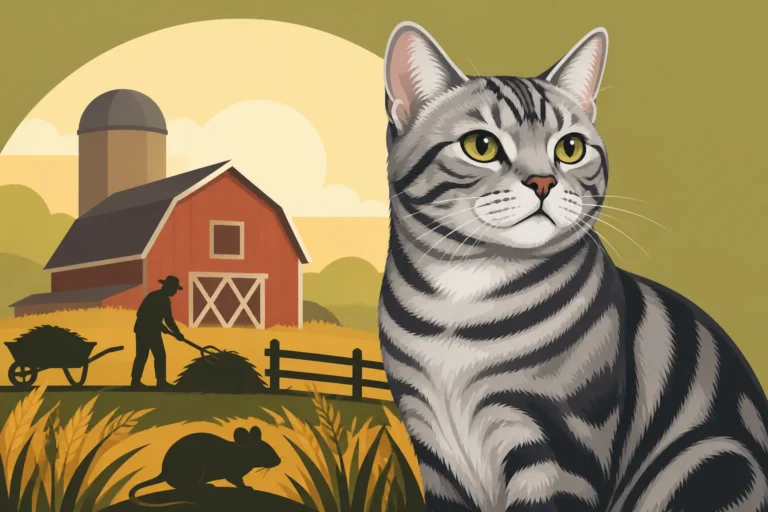
As the early American settlements grew into farms and homesteads, the cats naturally transitioned from ship duty to farm duty. Just as rats plagued ships, mice and other rodents were a constant threat to newly planted crops and stored grains. A cat that could keep the barn clear of pests was worth its weight in gold. Why Early Settlers Wanted an American Shorthair's Ancestors. This lifestyle reinforced their natural hunting instincts and physical prowess. They needed to be strong, agile, and intelligent to outwit cunning rodents and navigate varied terrains.
Life on a farm meant exposure to the elements, demanding a dense, weather-resistant coat and a sturdy constitution. These cats weren't just house pets; they were an integral part of the agricultural ecosystem, their presence directly impacting the harvest and the well-being of the family. This constant, demanding work environment ensured that the cats that thrived were those with superior health, keen instincts, and a rugged, practical build.
Natural Selection at Play: Surviving the Wilderness
The American frontier was no place for the weak. Natural selection was a powerful force shaping these cats. Only the fittest, smartest, and most adaptable individuals survived to breed, passing on traits that allowed them to thrive in a wild, untamed land. This meant developing robust immune systems, keen hunting skills, and a certain independence. They learned to navigate diverse landscapes, from dense forests to open fields, and to hunt a variety of small prey beyond just mice.
This period of natural selection, spanning centuries, is arguably the most critical in forming the fundamental characteristics of the American Shorthair. It instilled in them their remarkable hardiness, their strong musculature, and their innate intelligence. How Farm Work Shaped the American Shorthair. While domestic in their association with humans, their daily lives often mirrored those of truly wild animals, demanding constant vigilance and self-reliance. This rough-and-tumble upbringing meant that they were survivors, through and through, capable of fending for themselves when necessary.
Developing a Distinctive Look: The "Type" Emerges
Over generations, a consistent physical type began to emerge from this melting pot of European working cats. They weren't intentionally bred for specific aesthetics, but rather, their form followed their function. A sturdy, muscular build was advantageous for hunting and navigating varied terrain. A broad chest and strong jaws were perfect for grappling with prey. Their short, dense coats offered protection from the elements without being cumbersome for hunting in brush.
This functional selection resulted in a cat that was well-balanced, medium to large in size, with a powerful, athletic physique. They were characterized by a pleasingly rounded head, full cheeks, and medium-sized ears, reflecting a generalist, adaptable design. The classic tabby pattern, especially the mackerel and classic variations, became incredibly common, likely due to its camouflage benefits in varied outdoor environments. This "type" was so prevalent that it became the archetypal American cat, a familiar sight in barns, homes, and towns across the burgeoning nation.
The Call to Recognition: Early Days of the Breed
As America matured, so did its appreciation for its animals. By the late 19th and early 20th centuries, cat fancy was beginning to take hold, and people started looking at these common, working cats with a new, more appreciative eye.
From Working Cat to Pedigree: The Dawn of Cat Fancies
With the rise of formal cat shows and clubs in the late 1800s and early 1900s, people began to realize that these ubiquitous "barn cats" of America possessed a distinct beauty and consistent type. They weren't just random-bred moggies; they were a well-established, naturally occurring breed, perfected by centuries of life in North America. Enthusiasts and early breeders saw the value in preserving these hardy, good-natured felines. When Breeders Started Showing the American Shorthair.
The initial goal was not to change them or introduce exotic traits, but to recognize and refine the existing type. Breeders aimed to maintain their robust health, gentle temperament, and classic appearance. This was a significant departure from how many other breeds were developed, often through outcrossing and selection for extreme features. For these early American Shorthair proponents, the beauty was in their natural, unaltered form.
The "Domestic Shorthair" Era: A Name for a Familiar Face
In the early days of formal cat registry, these cats were simply known as the "Domestic Shorthair." This name reflected their widespread presence in American homes and farms, and their short, practical coats. However, this designation eventually became problematic. While accurate in its description, it failed to differentiate these pedigreed, carefully bred cats from any random, non-pedigreed short-haired cat found in a shelter or backyard. What the Breed Was Called Before American Shorthair.
This created confusion, as people often struggled to understand why a "Domestic Shorthair" would carry a price tag or a pedigree, when an identical-looking cat might be available for free. Breeders worked diligently to highlight the consistent type, predictable temperament, and verified health lineage that came with a pedigreed "Domestic Shorthair," distinguishing them from their non-pedigreed counterparts. It was a period of advocacy and education, trying to elevate the perception of a cat that was, ironically, too common.
Setting the Standard: What Breeders Sought
To formalize the breed, a written standard was essential. This document outlined the ideal physical characteristics that breeders aimed to maintain. It wasn't about creating something new, but about documenting and preserving the traits that had naturally evolved. Key characteristics included their medium-to-large size, powerful musculature, and well-balanced proportions. The head was described as large, with a full-cheeked, open expression and medium-sized, rounded ears.
Special attention was paid to the coat: it had to be short, dense, and hard, offering protection against weather. The eyes, often gold or green, contributed to their alert and intelligent expression. Temperament was also a crucial part of the standard, emphasizing their easy-going, adaptable, and affectionate nature – a direct reflection of their long history of coexisting peacefully with humans in various working environments. This standard became the blueprint for what an American Shorthair should be, guiding ethical breeding practices.
Establishing a Legacy: The Official American Shorthair
The journey from working cat to recognized breed culminated in a significant re-branding that solidified their place in the feline fancy and clearly defined their unique identity.
The Pivotal Name Change of 1966: A New Identity
The confusion caused by the generic "Domestic Shorthair" name finally led to a crucial decision by the Cat Fanciers' Association (CFA). In 1966, the breed was officially renamed the "American Shorthair." This change was monumental. It clearly distinguished the pedigreed breed from the vast population of non-pedigreed domestic shorthaired cats. Why the American Shorthair Name Changed in 1966. It celebrated their unique American heritage and emphasized that this was a distinct, recognized breed with a documented lineage and a specific set of characteristics.
This new name gave breeders a clearer identity to work with and helped the public understand that they were acquiring a cat with a predictable appearance, temperament, and health history. It was less about altering the cat itself and more about giving it the recognition and respect it deserved for its centuries of contribution to American life. The name "American Shorthair" became a badge of honor, signifying a truly American breed.
Solidifying the Breed Standard: What Defines Them
With their new name, the American Shorthair's breed standard continued to be refined, ensuring that breeders had clear guidelines for producing healthy, type-correct cats. The emphasis remained on a cat that was functionally sound and aesthetically pleasing, without exaggeration. The standard detailed everything from the shape of their eyes to the texture of their fur, all designed to reflect their working ancestry. What an American Shorthair Looks Like by the Standard.
Judges in cat shows look for a cat that embodies the essence of a hardy, well-proportioned feline, avoiding any extremes that might compromise their health or athleticism. This commitment to a balanced, natural look is one of the reasons the American Shorthair is often considered a "control group" in cat breeding – a benchmark of what a healthy, functional cat should be. Their robust structure, expressive face, and variety of accepted colors and patterns (especially the iconic tabby) are all part of what makes them so recognizable and beloved.
Preservation, Not Perfection: Maintaining the Original Traits
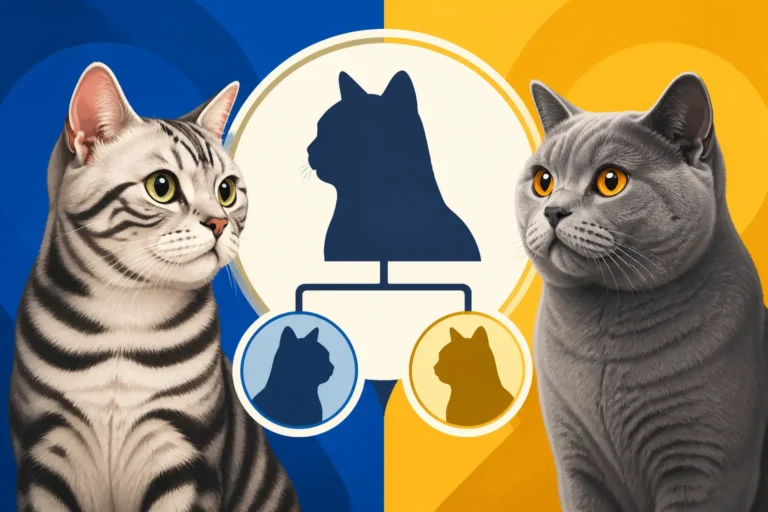
Unlike some breeds developed for increasingly dramatic features, the philosophy behind breeding the American Shorthair has always been one of preservation. The goal is not to create a "perfect" cat in the sense of an artificial ideal, but to maintain the robust health, natural appearance, and stable temperament that centuries of natural selection and working life bestowed upon their ancestors. How an American Shorthair Differs From a Domestic Shorthair. This dedication to preserving their original traits means that reputable breeders prioritize health and temperament above all else.
They are essentially living historical documents, embodying the traits that allowed cats to thrive alongside humans during the formative years of American society. This approach helps ensure that the breed remains fundamentally sound, avoiding many of the conformation-related health issues that can sometimes plague breeds selected for more extreme aesthetic qualities. It’s a quiet testament to their enduring legacy.
The Enduring Spirit: How Origins Shape Today's American Shorthair
The journey from a ship's ratter to a pedigreed household companion has left an indelible mark on the American Shorthair. Every aspect of their modern existence is subtly, or sometimes not so subtly, influenced by their industrious past.
Health and Hardiness: A Testament to Their Past
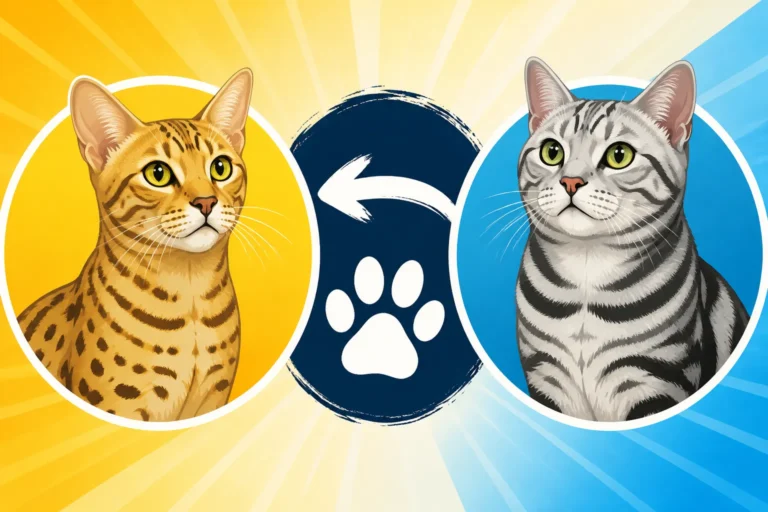
One of the most remarkable legacies of the American Shorthair's origins is their incredible health and hardiness. They are known for being a generally robust and long-lived breed, a direct result of generations of natural selection weeding out the weak. Whether a Landrace Origin Explains the American Shorthair's Health. They inherited strong immune systems and a practical, well-built physique that resists many common ailments. This doesn't mean they're immune to all health issues, of course, but their genetic foundation is remarkably sound.
This inherent vitality translates into fewer vet visits for congenital problems and a greater resilience against everyday illnesses. It's a comforting thought for owners, knowing that their companion descends from a lineage of survivors. This robust genetic pool is something breeders actively work to maintain, ensuring that the breed continues to embody the strength and vigor of its ancestors.
Temperament and Instinct: The Mouser Within
While most American Shorthairs today live a cushy indoor life, their core temperament and instincts are still very much tied to their working past. They are known for being intelligent, adaptable, and even-tempered, capable of handling a bustling household with calm dignity. They tend to be independent, but also deeply affectionate on their own terms, often preferring to be near their humans rather than constantly on a lap. How Undemanding an American Shorthair Really Is. This balance of independence and companionship makes them wonderful family pets.
Crucially, their hunting instinct remains strong. Even an indoor American Shorthair will exhibit classic stalking, pouncing, and "killing" behaviors during play. The American Shorthair Still Hunts, Whether You Want It To or Not. They love to chase wand toys, bat at crinkle balls, and solve puzzle feeders. Providing outlets for these innate behaviors is key to their happiness and well-being, channeling that ancient mousing drive into fun, interactive play.
A Beloved Companion: From Utility to Family Member
Today, the American Shorthair has moved beyond its utilitarian roots to become one of the most beloved pedigreed cat breeds. They are cherished not just for their classic good looks and robust health, but for their wonderful personalities. They integrate seamlessly into a wide variety of homes, adapting to families with children, other pets, or quiet single households. Their calm, adaptable nature, honed by centuries of coexisting with humans in challenging circumstances, makes them truly ideal companions.
Their history reminds us that even the most common and unassuming animals can have a profound and fascinating story. The American Shorthair is a living testament to the power of natural selection, the enduring bond between humans and felines, and the importance of preserving the best of nature's design. They are, in every sense, a truly American cat, embodying the spirit of resilience, practicality, and quiet strength.
Disclaimer
This article is for general informational purposes only and does not constitute professional advice. Laws, prices and regulations vary by location and change over time. Consult a qualified professional for guidance on your specific situation.