Whether an American Shorthair Needs Bedding at All
The question of whether an American Shorthair truly needs dedicated bedding is one that many devoted cat parents ponder. You see those adorable, plush beds at the pet store, or maybe a friend gushes about their cat's fancy orthopedic mattress, and you wonder if your own stoic, self-sufficient American Shorthair is missing out. The truth is, while they might not demand a velvet cushion with the same urgency as some more delicate breeds, understanding their unique history and natural instincts can help you create the most comfortable and enriching environment for your beloved companion. This guide will dive deep into the American Shorthair's inherent characteristics, explore their natural sleeping habits, and help you decide if specific bedding is a necessity, a luxury, or perhaps just a matter of personal preference for your feline friend.
Understanding the American Shorthair's Innate Comfort Needs
When we talk about an American Shorthair's comfort needs, it's crucial to look back at their origins. These aren't cats bred in climate-controlled catteries for generations to be pampered house pets from day one. Their lineage tells a story of resilience, adaptability, and an inherent toughness that sets them apart.
Their Ancestral Roots and Temperature Tolerance
The ancestors of the modern American Shorthair were, quite literally, working cats. They sailed across oceans, hunted vermin in barns and homes, and largely fended for themselves in varying climates. This isn't to say they enjoyed freezing temperatures or sweltering heat, but their physical makeup evolved to cope with a much wider range of environmental conditions than many highly specialized breeds. They weren't seeking out a soft, temperature-controlled bed because such luxuries simply didn't exist for them. Their comfort came from finding sheltered spots, whether that was a hayloft, a quiet corner of a ship's hold, or a sunny patch on a farmhouse porch. This history is why your American Shorthair often seems perfectly content sprawling on a cool tile floor in summer or finding a sunbeam to bake in during winter. Their instincts are geared toward seeking out practical comfort, not necessarily plush softness.
Think about the sheer variety of places these cats would have found themselves. From the chilly New England winters aboard a ship or in drafty colonial homes to the humid summers of the American South, their bodies were built for endurance. This deep-seated resilience means they often have a higher tolerance for ambient temperatures than we might expect, reducing the automatic "need" for heavily insulated bedding. They're more likely to simply relocate to a warmer or cooler spot in the house if they're uncomfortable, rather than shivering or panting in place.
The American Shorthair's Built-in Insulation: Their Coat
One of the most significant factors in their comfort is their remarkable coat. The American Shorthair boasts a dense, hard, and even coat that provides excellent protection against the elements. This isn't the soft, plush fur of a British Shorthair, nor the delicate single layer of a Siamese. Their coat is short but substantial, designed to be weather-resistant and offer a natural buffer against both cold and dampness. The American Shorthair's Coat Was Built for Weather, Not a Judge, and it does its job admirably.
In colder months, you might even notice that your American Shorthair's coat thickens slightly, giving them an extra layer of warmth. Why an American Shorthair's Coat Thickens for Winter is an evolutionary trait that served their ancestors well when facing harsh outdoor conditions. Conversely, as temperatures rise, their coat will thin out, allowing them to regulate their body temperature more effectively. How Well an American Shorthair Handles Heat and How Well an American Shorthair Handles Cold are testaments to this natural adaptation. This built-in insulation means they are rarely desperate for external heating or cooling mechanisms, and a simple blanket might be more for aesthetics or a preference for a familiar scent than a genuine thermal need.
Natural Denning Instincts Versus Modern Pet Beds
Despite their independent nature, American Shorthairs still carry a subtle instinct for denning, much like all felines. This doesn't necessarily mean burrowing into a soft cave bed, but rather seeking out enclosed, secure spaces where they feel safe and undisturbed. This might be under a bed, inside a cardboard box, or nestled between couch cushions. It's about security and privacy, not necessarily the specific material of a bed.
This denning instinct can sometimes manifest as an appreciation for a cat bed that offers sides or a hood, providing that sense of enclosure. However, they are equally likely to find this comfort in a laundry basket, an empty suitcase, or a high shelf where they can observe their territory from a secure vantage point. The key takeaway is that while they appreciate a safe spot, the "bedding" itself is often secondary to the location and the feeling of being protected. They don't have a genetic predisposition to need a memory foam mattress; they need a secure retreat.
Where Your American Shorthair Actually Prefers to Sleep
When it comes to sleep, American Shorthairs are pragmatic creatures. They prioritize safety, warmth (or coolness, depending on the season), and a good vantage point over plush luxury. Observing your cat's chosen snooze spots can tell you far more about their genuine needs than any marketing material for a pet bed.
The Appeal of High Ground and Hidden Nooks
Many American Shorthairs exhibit a strong preference for elevated sleeping spots. This instinct harks back to their days as hunters and survivalists, where high ground offered a superior view of potential prey and predators. A tall cat tree, a bookshelf, or even the back of a sofa often become prime napping locations. These spots not only provide a sense of security and control but also tend to be warmer due to rising heat, or cooler if near an open window with a breeze.
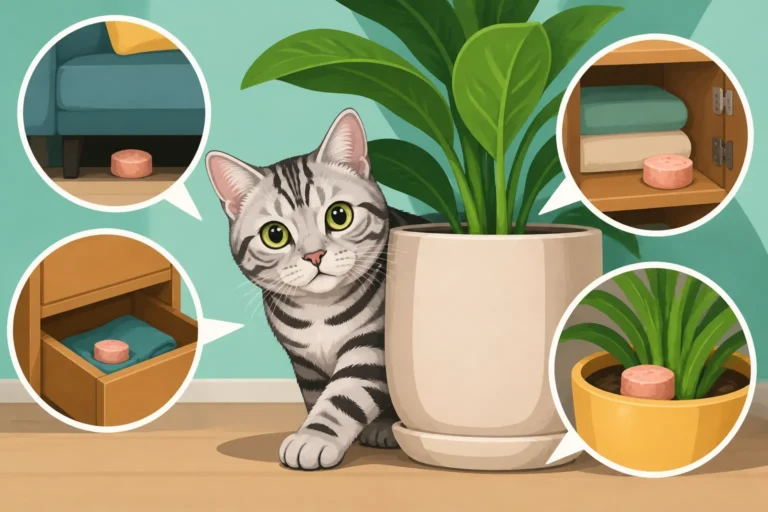
Hidden nooks are another favorite. Under beds, inside closets, or even deep within a pile of clean laundry offer a sense of concealment and safety. It's not about the softness of the surface so much as the feeling of being tucked away, out of the main thoroughfare of household activity. If you want to provide "bedding" in these areas, a simple, clean towel or a small blanket might be all that's needed to acknowledge their chosen spot, rather than investing in an elaborate bed they might ignore. Where an American Shorthair Chooses to Sleep often reveals their true comfort priorities.
The Comfort of Familiar Scents and Warmth Sources
Cats are highly scent-oriented creatures, and a familiar scent can be incredibly comforting. This is why they often gravitate towards your bed, a favorite armchair, or even your dirty laundry pile. These spots carry the comforting scent of their human family, creating a sense of security and belonging. This preference for familiar scents often overrides the need for a specially designed cat bed. A blanket that smells like you, or that has been used by them before, can be far more appealing than a brand new, unscented bed.
Beyond scent, American Shorthairs, like most cats, are masters of finding warmth. Sunbeams are irresistible, as are spots near a radiator, a heating vent, or even snuggled up against a warm human. In colder climates or during winter, you'll often find them seeking out these natural heat sources. This is where a simple, soft blanket strategically placed near a heat source might be more effective than a fancy bed in the middle of a cold room. They're looking for functional warmth, not necessarily a designated sleeping furniture piece. How Often an American Shorthair Sleeps on Your Bed is often a testament to their desire for your scent and warmth.
Observing Your Cat's Unique Preferences
Every American Shorthair, despite their common breed traits, is an individual. One might love burrowing under blankets, another might prefer a cool, exposed surface. The best way to determine if your cat needs or would appreciate specific bedding is to observe their current sleeping habits. Do they consistently choose one specific, soft spot? Do they ignore all the plush beds you've offered in favor of a cardboard box or a hard floor? How Much an American Shorthair Sleeps can be a significant portion of their day, so paying attention to where they choose to spend those hours is crucial.
If they often sleep on your couch, a throw blanket that can be easily washed might be the perfect compromise – offering them a familiar, soft surface that also protects your furniture. If they prefer high places, ensuring a sturdy cat tree with platforms large enough for their robust frame is more important than the material of the bed itself. Ultimately, your American Shorthair will tell you what they prefer through their actions, not through words (though they are masters of subtle communication!).
Factors That Might Influence a Need for Dedicated Bedding
While American Shorthairs are generally quite robust, certain life stages and environmental conditions can indeed make dedicated bedding a more beneficial addition to their lives. It's about adapting to their changing needs over time.
Age, Health, and Joint Comfort Considerations
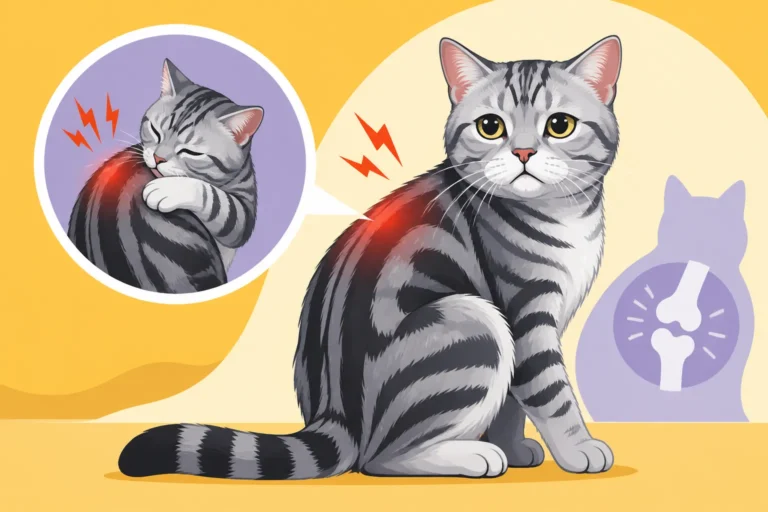
As our beloved American Shorthairs age, their needs evolve. Just like humans, senior cats can develop arthritis, joint stiffness, or other discomforts that make hard surfaces less appealing. An older cat might struggle to jump to their favorite high perch or find a cool tile floor too jarring on their joints. Caring for an Old American Shorthair involves anticipating these changes. This is where an orthopedic cat bed, often found on sites like Chewy or Amazon, can make a real difference. These beds are designed to support joints and relieve pressure points, offering a much more comfortable resting surface for aching bodies.
Even younger cats with certain health conditions, like recovering from an injury or surgery, might benefit from softer, more supportive bedding. Cats who are losing weight due to illness might also appreciate extra padding to prevent pressure sores. It's not about pampering, but about providing genuine relief and support. How an Old American Shorthair Shows Its Joints Hurt often starts subtly, so having a softer option available preemptively can be a thoughtful gesture.
Indoor Environment: Temperature, Drafts, and Flooring
The ambient conditions of your home play a huge role in your American Shorthair's comfort. If you live in an older home with drafts, or keep your thermostat set lower in winter to save on energy bills, your cat might genuinely appreciate a warmer sleeping spot. While their coat provides good insulation, a continuous draft can be uncomfortable for anyone. In such scenarios, a cozy, enclosed bed or even a self-warming pet mat (available from retailers like Amazon) can provide much-needed warmth without relying on electricity.
Conversely, if you live in a warm climate or your home tends to be quite warm, a bed that is breathable or even features a cooling gel pad might be preferred over a thick, plush option. Also consider your flooring: a hard tile or wood floor might be perfectly fine for a healthy adult cat, but it could become less comfortable for a senior cat with stiff joints, or a very young kitten who needs more warmth. Providing options caters to their natural drive to regulate their own temperature and seek out comfortable surfaces.
Providing Options Without Overdoing It
The key to meeting your American Shorthair's bedding needs is providing thoughtful options without going overboard. You don't need to buy every type of bed on the market, but having a few different surfaces available in various locations can allow your cat to choose what suits them best at any given moment. This might include:
- A comfortable throw blanket on the sofa or a favorite chair.
- A sturdy cat tree with soft platforms.
- A simple, enclosed cat bed in a quiet corner.
- A window perch with a soft cushion for sunbathing and bird-watching.
Consider what your cat already gravitates towards and try to enhance those areas. If they love to sleep on your bed, a cozy blanket for them there is perfect. If they prefer the top of the dresser, perhaps a soft mat to make it even more inviting. The goal is to facilitate their natural preferences, not to force them into a bed they won't use. Even something as simple as a designated, comfortable cushion that smells familiar can make a big difference in their sense of security and well-being.
The Different Forms of "Bedding" and Their Practicality
When we talk about "bedding" for cats, it's not always the traditional dog-bed-shaped item we envision. For an American Shorthair, "bedding" can take many forms, some of which they choose themselves, and others we might provide. Understanding the practicality of each type can help you make wise choices.
Traditional Cat Beds: Pros and Cons
Traditional cat beds come in all shapes, sizes, and materials, from plush donuts to structured caves.
- Pros: They offer a dedicated space for your cat, can be easily cleaned, and come in styles that complement your home decor. Many offer good insulation and support. For specific needs, like an elderly cat with arthritis, orthopedic options are invaluable. You can find a huge variety of these beds from retailers like Chewy or Amazon.
- Cons: The biggest con is often whether your American Shorthair will actually use it. Many cats prefer their own chosen spots (the laundry basket, a sunny floor patch) over a fancy new bed. They can also take up floor space and might need regular washing. Some materials might be too warm for summer or not appealing to a cat who prefers a cooler, harder surface.
It's a gamble whether your American Shorthair will adopt a traditional cat bed as their own. Some take to them instantly, especially if they offer an enclosed, secure feeling. Others will sniff it once and then continue their routine of napping on your favorite sweater. If you do introduce one, consider placing it in a location your cat already favors, or one that offers the safety or warmth they seek.
Blankets, Cushions, and Human Furniture: The Unofficial Beds
For many American Shorthair owners, the most successful "bedding" is often whatever their cat adopts on their own from existing household items. A soft throw blanket draped over a chair, a spare cushion from the guest room, or even a strategically placed towel can become your cat's favorite spot.
- Pros: These options are usually already in your home, making them cost-effective. They often carry familiar human scents, which cats find comforting. They are versatile, easily moved, and typically machine washable. If your cat likes to sleep on your furniture, a dedicated blanket offers a washable barrier.
- Cons: They might not offer specific orthopedic support for older cats. They can sometimes look a bit messy, depending on how your cat arranges them. They also don't provide the structured enclosure that some cats appreciate.
Many American Shorthairs are perfectly content with these "unofficial" beds. They value the familiarity and the comfort of being near their people or in their preferred territory. If your cat already has a favorite spot on the sofa, simply placing a soft, washable blanket there might be the most effective and least stressful way to provide comfort.
Heated Beds and Other Specialty Options
For specific circumstances, specialty bedding can be a game-changer.
- Heated Beds: These are fantastic for senior cats who struggle with joint pain, cats recovering from illness, or any cat in a very cold environment. They provide consistent, gentle warmth that can soothe aches and help maintain body temperature. However, they require an electrical outlet and careful placement to ensure safety. Always choose a reputable brand from a pet supply store like Chewy or Amazon.
- Cooling Mats: In contrast, for American Shorthairs in hot climates or who tend to overheat, cooling mats can provide relief. These often contain gel that activates with pressure, or simply offer a cool, smooth surface.
- Window Perches: While not strictly a bed, a window perch with a soft, washable cushion combines the American Shorthair's love for high vantage points with a comfortable resting spot. This can be especially enriching for indoor cats, giving them a stimulating "outdoor" view.
Ultimately, whether your American Shorthair needs bedding is highly individual. Their robust nature and ancestral instincts mean they are less dependent on elaborate beds than some breeds. However, thoughtful provision of options, especially as they age or if your home environment is challenging, can significantly enhance their comfort and well-being. Pay attention to your cat, and they'll show you exactly what they consider the most luxurious sleeping arrangement.
| Type of "Bedding" | Key Benefits for American Shorthair | Potential Drawbacks | Best Use Case |
|---|---|---|---|
| Traditional Cat Bed | Dedicated space, good insulation/support, easy to clean, orthopedic options for seniors. | May be ignored, takes up space, might be too warm in summer. | Senior cats, cats needing security/enclosure, complementing decor. |
| Blankets/Cushions | Cost-effective, familiar scents, versatile, washable, protects furniture. | Lacks orthopedic support, can look messy, no structured enclosure. | General comfort, familiar scent, protection for furniture, easy warmth. |
| Heated Bed | Provides warmth for seniors, ill cats, or cold environments; soothes aches. | Requires electricity, potential safety concerns if not chosen carefully. | Older cats, cats recovering, cold homes/climates. |
| Cooling Mat | Offers relief in hot climates or for cats prone to overheating. | May not be universally accepted, not suitable for all seasons. | Hot weather, cats who seek cool surfaces. |
| Cat Tree/Perch with Cushion | Meets need for high vantage points, provides exercise, comfortable resting spot. | Requires space, may need assembly, only offers one specific type of comfort. | Active cats, indoor cats, those who love to observe their territory. |
Disclaimer
This article is for general informational purposes only and does not constitute professional advice. Laws, prices and regulations vary by location and change over time. Consult a qualified professional for guidance on your specific situation.