How to Keep an Indoor American Shorthair Cool in Summer
Summer can bring a wave of worry for us cat parents, especially when you have a beloved American Shorthair who might seem robust but can truly struggle when the mercury climbs inside your home. That dense, practical coat, while wonderful for fending off chilly winds, isn't always a friend against stifling indoor heat. This guide is here to walk you through compassionate, effective strategies to ensure your indoor American Shorthair stays comfortable, healthy, and happy even on the hottest days.
Understanding Your American Shorthair's Unique Heat Challenges
It's easy to look at an American Shorthair and think, "Oh, they're so sturdy! They can handle anything." And while it's true that their heritage as working cats gave them an incredibly resilient build and a coat designed for function over frills, that doesn't mean they're immune to the dangers of overheating, especially when confined indoors during summer. Their past often involves being out in barns or on ships, where there might have been a breeze, or at least more space to seek shade than a typical living room offers.
The American Shorthair's Coat and Climate Control
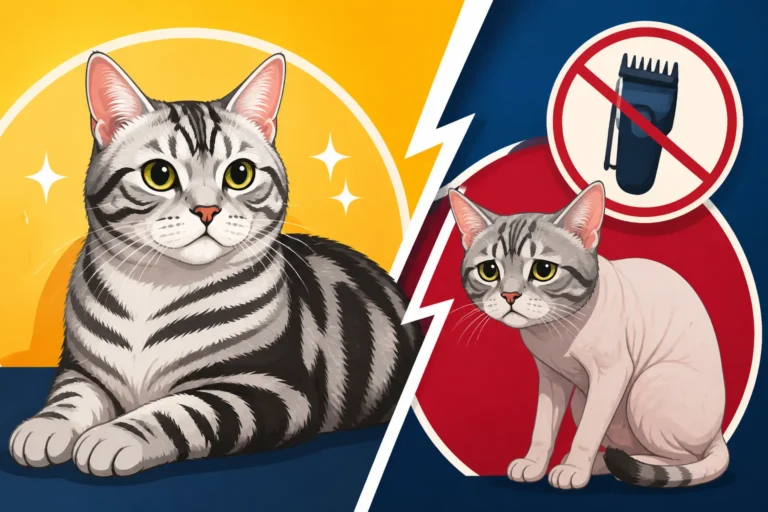
The American Shorthair's coat is often described as hard, dense, and protective. It's a double coat, meaning they have a coarser outer layer of guard hairs and a softer, insulating undercoat. In nature, this undercoat thickens dramatically in winter for warmth and sheds out in summer to help them stay cooler. However, for our pampered indoor companions, this natural cycle can be disrupted by constant indoor temperatures, and the coat, while shedding, can still trap heat against their bodies. They're not like some sleek, single-coated breeds that radiate heat easily.
Think about it this way: their coat was originally built for weather, for enduring changing conditions outdoors, not for sitting in a stagnant, warm living room. While they do shed their undercoat heavily in the spring and early summer – you've probably noticed it comes off in handfuls! – the remaining coat still acts as a barrier. This is why you'll see internal links like The American Shorthair's Coat Was Built for Weather, Not a Judge and An American Shorthair Sheds Twice a Year and Asks Nothing Else popping up in discussions about their grooming needs; it highlights the practical nature of their fur. They rely on other mechanisms, like panting (which isn't efficient for cats and is a sign of distress), sweating through paw pads, and seeking cool surfaces, to regulate their temperature. When those options are limited, they struggle.
Why Indoor American Shorthairs Need Extra Help
Our indoor American Shorthairs don't have the luxury of finding a cool patch of damp earth under a bush, or stretching out on a breezy porch. Their entire world is within your walls, which can quickly become an oven if not managed properly. Factors like poor ventilation, direct sunlight streaming through windows, and even just the ambient heat generated by electronics can add up. They might seem placid, but even a calm cat can be silently suffering.
Many American Shorthairs are quite large and muscular, with a solid build. This body mass can also contribute to them feeling the heat more intensely. A smaller, leaner cat might cool down quicker, but a hefty American Shorthair needs more deliberate cooling strategies. Their quiet, self-sufficient nature, which often means they don't complain much, can also be a disadvantage here. They might not vocalize their discomfort as dramatically as some other breeds, making it vital for us to proactively create a cool environment for them.
Creating a Cool and Comfortable Home Environment
The good news is, there's a lot you can do to transform your home into a summer sanctuary for your American Shorthair. It doesn't always require blasting the air conditioning, which can be costly and isn't always an option. Many effective strategies focus on passive cooling and smart management of your indoor space.
Strategic Use of Fans and Air Circulation
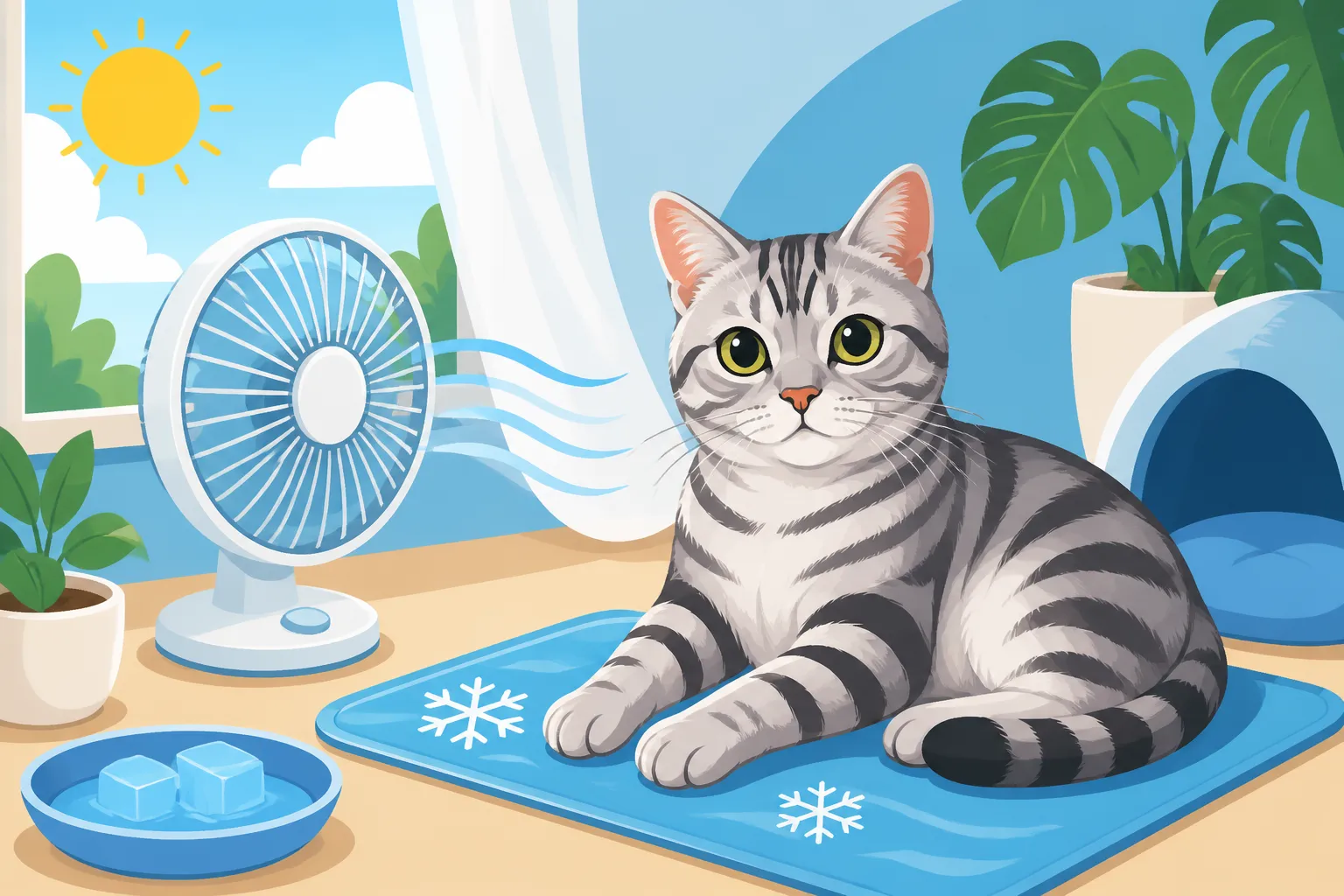
While a fan might not feel like much on its own when the air is thick with humidity, it can make a significant difference in creating air movement, which helps dissipate heat from your cat's fur. Position oscillating fans in areas where your cat likes to rest, but make sure they aren't blowing directly into your cat's face constantly, as this can be irritating. Instead, aim for general air circulation in the room.
Consider placing a shallow bowl of ice water in front of a fan. As the ice melts and the fan blows over it, it will create a slightly cooler, more humid breeze, mimicking a natural evaporative cooler. This simple trick can noticeably drop the localized temperature. Also, think about cross-ventilation. If you have windows on opposite sides of the house, opening them slightly during cooler parts of the day (early morning or late evening) can create a natural airflow, pushing warm air out and drawing cooler air in. Just be sure any open windows are securely screened to prevent adventurous escapes.
Blocking Out the Sun's Heat
One of the biggest culprits for a hot indoor environment is direct sunlight. Those beautiful sunny windows can turn your home into a greenhouse. Get into the habit of closing blinds, curtains, or shades on windows that receive direct sunlight during the hottest parts of the day. This simple act can reduce indoor temperatures by several degrees.
For windows that face south or west, especially, you'll notice a huge difference. Heavy, light-colored curtains are particularly effective at reflecting solar radiation. If you're out during the day, make sure these are closed before you leave. Your American Shorthair might enjoy lounging in a sunbeam during cooler months, but in the summer, they need shade. Create shaded zones in their favorite spots by pulling down a blind or positioning a piece of furniture to block the sun.
Providing Cooling Spots and Surfaces
Cats are naturally drawn to cool surfaces when they're hot. You'll often find them stretched out on tile floors, in bathtubs, or even in laundry sinks. We can capitalize on this instinct by deliberately providing these cool spots.
- Cooling Mats: These are fantastic! You can find pressure-activated cooling mats online or at pet stores like Chewy. They contain a gel that stays cool without refrigeration and automatically recharges. Place one in a quiet corner where your American Shorthair likes to nap.
- Ceramic Tiles or Stone Slabs: If you have extra ceramic tiles from a home improvement project or even a large, smooth stone, you can place these in a designated cooling area. Keep them in the coolest part of the house, maybe even refrigerate them briefly before placing them down (just ensure they're not too cold).
- Elevated Beds: An elevated pet bed allows air to circulate underneath, preventing heat from building up where your cat is resting. This is especially helpful if your American Shorthair usually sleeps on carpet or a plush bed that insulates heat.
- Damp Towels: A slightly damp, cool towel draped over a chair or placed on the floor can be a temporary cooling station. Some cats love to lay on these, while others prefer to rub against them. Just make sure it's only damp, not soaking wet, to avoid mildew or chilling your cat too much.
Hydration and Dietary Adjustments
Keeping your American Shorthair hydrated is paramount during summer. Just like us, they need more fluids when it's hot, and dehydration can quickly lead to more serious health issues. Their historical role meant they were quite self-sufficient, but modern indoor life requires our active input for their hydration.
Encouraging Water Intake
Cats, by nature, don't have a very strong thirst drive, often getting much of their moisture from their prey in the wild. This means we have to be proactive about making water appealing and accessible.
- Multiple Water Stations: Don't just have one water bowl. Place several bowls in different locations around the house. Some cats prefer ceramic, others stainless steel, some glass. Experiment to see what your cat prefers.
- Water Fountains: Many cats are fascinated by running water and will drink significantly more from a fountain. The movement and aeration keep the water fresh and enticing. Brands like Pioneer Pet or Catit offer great options available on Amazon. Ensure you clean the fountain regularly to prevent slime buildup.
- Fresh, Cool Water: Change the water frequently, at least twice a day. You can even add a few ice cubes to their water bowl to keep it refreshingly cool for longer. This is especially important if you're out of the house for an extended period.
- Bowl Placement: Place water bowls away from food bowls and litter boxes. Cats often don't like to drink water that's near their food, which they might associate with "contaminated" prey, or next to their toilet area.
How Much Water an American Shorthair Should Drink delves deeper into just how vital this is for their overall well-being.
Switching to Wet Food
If your American Shorthair typically eats kibble, summer is an excellent time to introduce or increase their wet food intake. Wet food is primarily water, and it's a fantastic way to boost their hydration without them even realizing it.
Even if your cat only eats wet food as a treat or a small portion of their diet, increasing that during the summer can make a big difference. Many pet food brands offer a wide variety of wet food options. Look for pâtés or shredded varieties that might be particularly appealing.
Table: Hydration Boosting Strategies for American Shorthairs
| Strategy | Description | Benefits |
|---|---|---|
| Multiple Water Bowls | Place bowls in different, quiet locations. | Increases accessibility, allows choice, encourages more frequent drinking. |
| Water Fountain | Provides circulating, fresh water. | Many cats prefer running water, which stimulates thirst. |
| Fresh, Cool Water | Change water frequently, add ice cubes. | More appealing taste, helps lower body temperature, discourages bacterial growth. |
| Wet Food Diet | Incorporate or increase canned/pouch wet food. | Significant source of hidden moisture, aids digestion. |
| Flavored Water/Broth | Offer small amounts of unsalted chicken/beef broth or tuna juice (water-packed). | Entices picky drinkers, adds electrolytes (use sparingly). |
| Water Away from Food/Litter | Position water bowls separate from eating and elimination areas. | Addresses natural feline instinct to avoid "contaminated" water sources. |
When considering diet changes, especially to fresh food, ensure any transition is gradual to avoid upsetting their stomach. Even simply adding a splash of water to their regular wet food can help. This also ties into the general advice of Feeding an American Shorthair That No Longer Hunts Its Food, as their appetite and hydration needs shift away from a fully self-reliant, prey-based diet.
Recognizing and Preventing Heat Stress
Despite our best efforts, sometimes the heat can still get to our cats. It's absolutely crucial to know the signs of heat stress and heatstroke in American Shorthairs, as early intervention can be life-saving. Remember, cats are naturally stoic creatures, and an American Shorthair, particularly given its history, might hide discomfort until it's quite advanced.
Signs of Heat Stress and Overheating
A cat suffering from heat stress won't always look dramatically ill at first. You need to be observant of subtle changes in behavior and physical signs.
- Panting: This is perhaps the most obvious sign, but it's important to understand that panting in cats is a serious red flag. Unlike dogs, cats don't pant efficiently to cool themselves, and it often indicates they're already quite distressed. If you see your American Shorthair panting heavily, especially with an open mouth, act immediately.
- Excessive Grooming: While grooming is normal, excessive, frantic grooming might be an attempt to cool down by applying saliva to their fur.
- Lethargy and Weakness: A cat that is usually active suddenly becoming very sluggish, unwilling to move, or showing signs of weakness could be overheating.
- Restlessness: Some cats may become agitated, pacing, and unable to find a comfortable spot, desperately trying to escape the heat.
- Drooling or Foaming at the Mouth: This is a more severe sign and indicates extreme distress.
- Bright Red or Pale Gums: Check their gums. If they are unusually red, or conversely, very pale, it can be a sign of heatstroke.
- Vomiting or Diarrhea: These can occur as the body tries to cope with severe heat stress.
- Stumbling or Lack of Coordination: In severe cases, heatstroke can affect the neurological system.
If you observe any of these symptoms, especially panting or drooling, it's an emergency. What an American Shorthair Shows Before Its Heart Fails can be helpful in understanding other serious signs, though the context here is heat rather than heart disease, the visible distress can appear similar.
Emergency First Aid and When to Call the Vet
If you suspect your American Shorthair is overheating, immediate action is critical.
- Move to a Cooler Spot: Immediately get your cat to the coolest part of your home. This might be a bathroom with tile, a cool basement, or even an air-conditioned car if necessary.
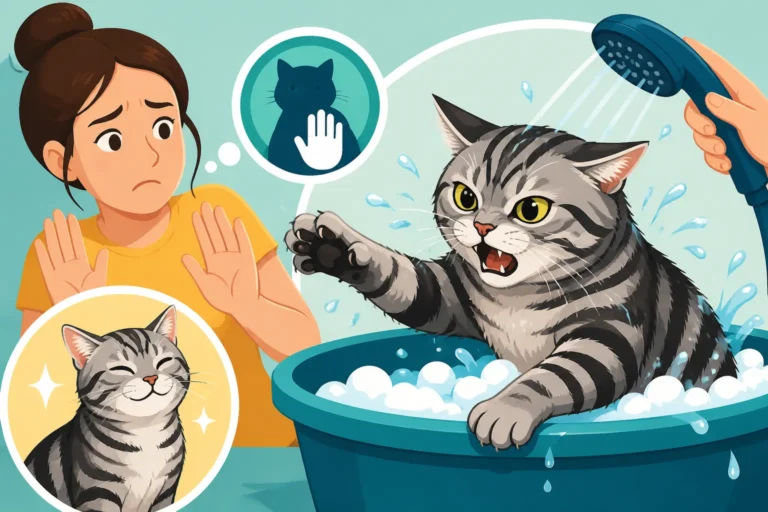
- Apply Cool Water: Gently apply cool (not ice-cold) water to their fur, especially on their ears, paws, and underarms. You can use a damp towel or sponge. Do not submerge them in water, as this can cause shock.
- Use a Fan: Direct a fan towards them to help with evaporative cooling.
- Offer Water: If they are conscious and willing, offer them small amounts of water to drink. Do not force them to drink.
- Call Your Vet: Even if your cat seems to improve, it's vital to call your veterinarian immediately. Heatstroke can have lasting effects, and internal damage may not be immediately apparent. They can advise you on the next steps, which will likely involve an emergency visit.
Never give your cat human medications or try extreme cooling methods like ice baths. Slow, gentle cooling is key. For more routine care, knowing How Regularly a Healthy American Shorthair Still Needs Checking can help you maintain their overall health and catch potential problems before they become emergencies, but acute heatstroke requires immediate, specific action.
Preventative Measures for Future Hot Days
Prevention truly is the best medicine when it comes to heat stress.
- Regular Brushing: Brush your American Shorthair regularly, especially during shedding seasons. This helps remove loose undercoat, which can trap heat. While their short coat doesn't usually mat, a good comb like a Furminator (available on Amazon) can help remove excess fur. How Little Combing an American Shorthair Actually Needs highlights that they're generally low-maintenance, but in summer, a little extra attention can go a long way.
- Avoid Hot Spots: Don't leave your cat in rooms that get excessively hot, such as sunrooms or unventilated bathrooms, particularly when you're not home.
- Never Leave in a Car: This one is a no-brainer, but it bears repeating: never, ever leave a pet in a parked car, even for a few minutes, even with the windows cracked. Temperatures inside a car can skyrocket to dangerous levels in minutes.
- Consider a "Cool Room": If you have a room with consistent air conditioning or one that stays naturally cooler, designate it as your American Shorthair's retreat during heatwaves.
- Monitor Vulnerable Cats: Older cats, overweight cats, and those with underlying health conditions (like heart disease) are more susceptible to heat stress. Pay extra attention to these individuals. Caring for an American Shorthair Past Twelve offers great insights into the needs of senior cats, who are particularly vulnerable to environmental changes. What Extra Weight Does to an American Shorthair's Working Frame also emphasizes why obesity compounds heat risk.
By understanding your American Shorthair's needs, proactively creating a cool environment, ensuring they're well-hydrated, and knowing how to respond to emergencies, you can help them navigate summer safely and comfortably.
Disclaimer
This article is for general informational purposes only and does not constitute professional advice. Laws, prices and regulations vary by location and change over time. Consult a qualified professional for guidance on your specific situation.