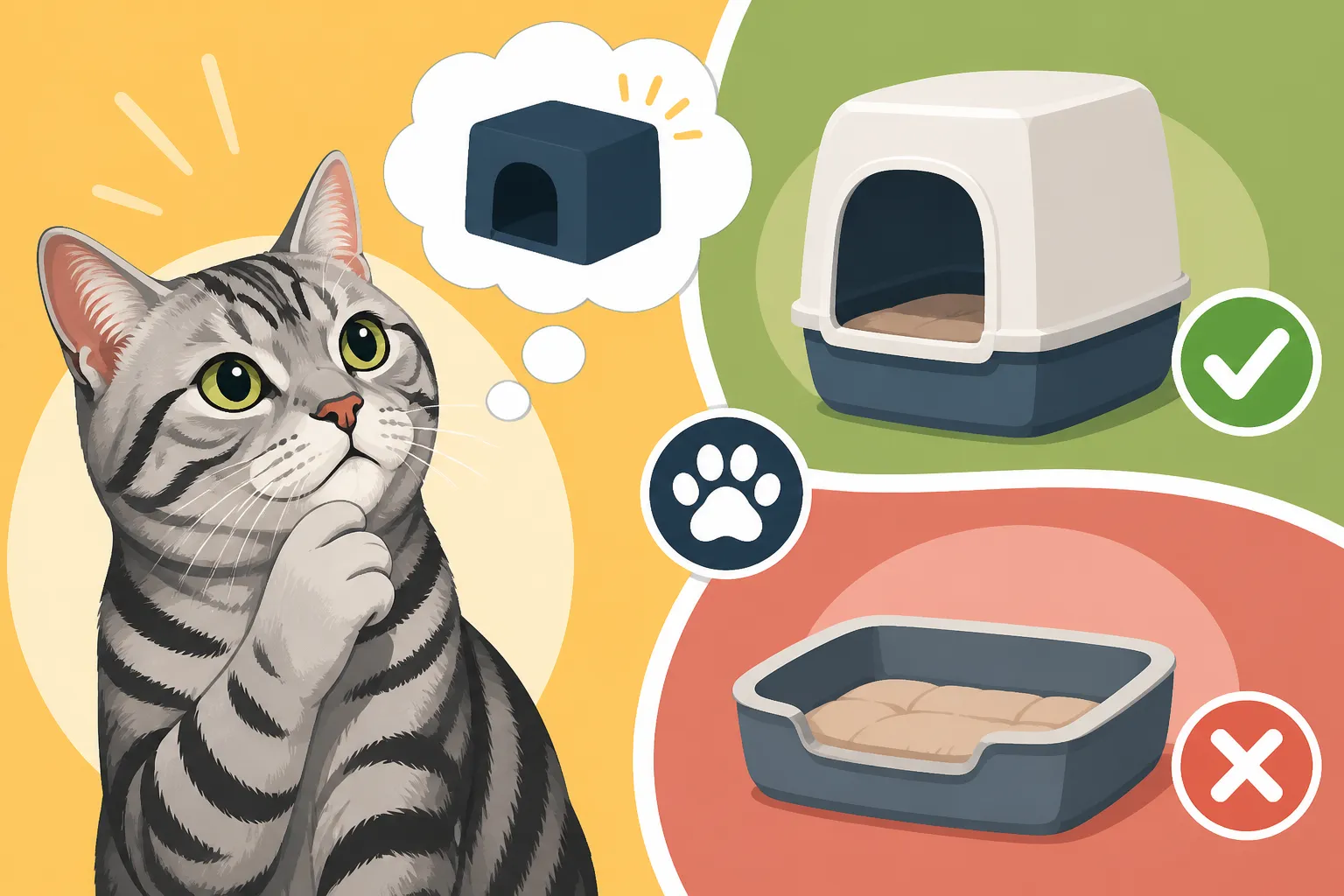
Whether a Covered Box Suits an American Shorthair
It's a common dilemma, isn't it? You love your American Shorthair, but you might not love the sight or smell of their litter box. We all want a clean, tidy home, and the idea of a covered litter box often pops up as the perfect solution to hide unsightly waste and contain odors. But what seems like a simple convenience for us can sometimes be a source of quiet distress for our feline companions, especially a sturdy, independent breed like the American Shorthair. This guide is going to take a deep dive into whether a covered litter box truly suits your American Shorthair, looking at their unique needs, instincts, and how to tell if you've made the right choice for them.
Understanding Your American Shorthair's Instincts and Needs
Before we even consider the practicalities of a covered litter box, it's crucial to understand the very essence of your American Shorthair. These aren't just any cats; they're descendants of working cats, bred for centuries to be self-sufficient, intelligent, and keenly aware of their surroundings. Their instincts run deep, and those instincts play a significant role in their litter box preferences.
The American Shorthair's Natural Instincts for Elimination
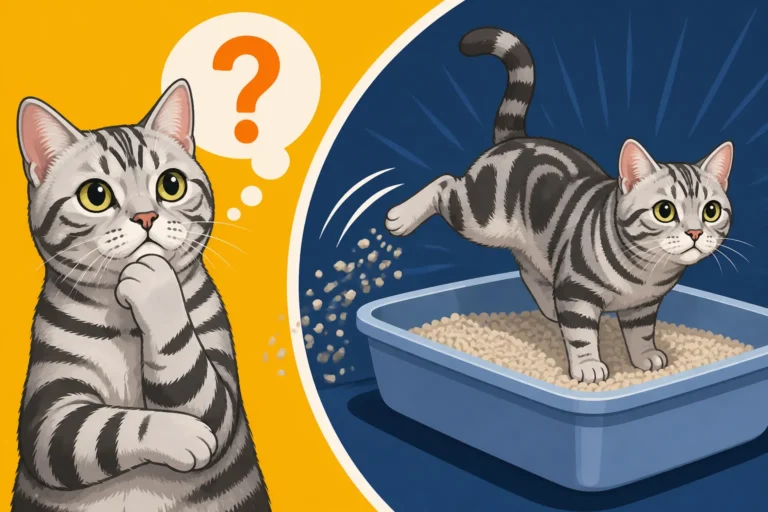
Imagine your American Shorthair's ancestors, the ships' cats and barn cats who protected harvests and provisions. Their survival depended on discretion. When they relieved themselves, they did so in a place where they felt safe, and they meticulously buried their waste. This wasn't just about tidiness; it was a fundamental survival instinct to hide their scent from predators and prey alike, ensuring their territory remained secure.
This deeply ingrained habit means that your modern American Shorthair, even in the safety of your living room, still seeks a sense of security and space when using their litter box. A confined, covered box can go against this primal need for an unobstructed escape route and clear sightlines. They are naturally self-reliant creatures; Why an American Shorthair That Hunted Alone Stayed Quiet is a testament to their independent nature. They don't typically make a fuss or complain loudly, which means we, as their human companions, need to be extra observant of their subtle cues. If a box feels like a trap or too enclosed, they might quietly start to avoid it, rather than protesting with a loud meow.
Size and Build Considerations for the American Shorthair
Let's be honest, American Shorthairs are magnificent, substantial cats. They are not delicate, petite creatures. They have a strong, muscular build, often described as a "square" frame, that serves their working cat heritage well. They need plenty of room to stretch, dig, turn around comfortably, and assume a natural squatting position when doing their business. This isn't just about being able to fit into the box; it's about being able to use it properly and comfortably.
A standard covered litter box, which might seem spacious enough for a smaller, more dainty breed, can feel incredibly cramped for a fully grown American Shorthair. Imagine trying to use a tiny restroom on an airplane – it's functional, but certainly not comfortable! If your cat feels squished, unable to properly turn around, or finds their head hitting the lid as they try to dig, it can lead to discomfort and, eventually, an aversion to the box. We've talked before about Why an American Shorthair Is Built Square, and that strong frame truly necessitates ample space for all their activities, including their bathroom breaks. Choosing a box that accommodates their size is paramount to preventing stress and accidents outside the litter tray.
The Pros and Cons of Covered Litter Boxes for American Shorthairs
Okay, so we've established that the American Shorthair has certain natural tendencies and a physical presence that influences their litter box needs. Now, let's get down to the nitty-gritty of why covered boxes are so appealing to us, and why they might not always be the best fit for them. It's a balance, and understanding both sides helps us make informed decisions.
Benefits for the Human Owner
Let's be real: most of us consider covered litter boxes for a few very understandable reasons that benefit us directly. We're living with our cats, and we want our homes to be pleasant for everyone.
First and foremost, odor control is usually at the top of the list. A covered box, by its very design, traps odors inside. This can be a huge relief for sensitive noses, especially in smaller living spaces. You might feel like you can go a little longer between scoops, or that the general ambiance of your home is improved, and that's a valid desire. We all want our homes to smell fresh, not like a cat's bathroom.
Secondly, litter containment is a massive plus. American Shorthairs are diligent diggers when they use the box, a carryover from their natural instincts. This often means a fair amount of kicked-out litter ending up on your floor. A covered box or a top-entry box acts as a barrier, keeping those granules where they belong, reducing the dreaded "litter tracking" problem. This means less sweeping and vacuuming for you, which is a definite win in terms of household chores.
Finally, there's the aesthetic appeal and perceived privacy for the cat. Many covered boxes are designed to look more discreet, blending into home decor better than an open pan. From a human perspective, we often assume that giving our cat a "private little room" for their bathroom is a kind and thoughtful gesture. We think it offers them a quiet sanctuary. While this intention is good, as we'll discuss, the cat's interpretation might be quite different.
Potential Drawbacks for Your American Shorthair
While the benefits for owners are clear, the downsides for your American Shorthair can be significant, even if they're not immediately obvious to us. Remember, American Shorthairs are stoic and adaptable, but they can still experience stress from their environment.
The biggest issue for the cat inside a covered box is often air quality and odor buildup. While the lid traps odors for our benefit, it also traps them inside for your cat. Imagine using a portable toilet that hasn't been cleaned in a while. That's essentially what a covered box can feel like to a cat, whose sense of smell is far more acute than ours. Ammonia from urine can quickly build up, creating an incredibly unpleasant and even unhealthy environment for them. This noxious air can deter them from using the box, or even contribute to respiratory irritation over time.
Another significant concern is the feeling of being trapped or vulnerable. Cats are both predator and prey by nature. They instinctively want to have a clear escape route when they're in a vulnerable position, such as when they're eliminating. A covered box, with only one entrance/exit, can make them feel cornered. This goes against their core need for security. If there's another pet in the house, a child, or even just a sudden noise, they might feel trapped, unable to make a quick exit. This can lead to anxiety and a reluctance to use the box, as they don't feel safe.
Difficulty monitoring health is another crucial drawback. As responsible cat owners, we should be routinely checking our cat's litter box habits. Changes in frequency, volume, or consistency of urine and feces can be early indicators of serious health issues, such as urinary tract infections, kidney disease, or even diabetes. With a covered box, it's much harder to quickly glance in and assess what's happening. Why a Straining American Shorthair Needs Within Hours highlights just how quickly a urinary blockage, especially in a male cat like Why a Male American Shorthair's Urethra Blocks First, can become an emergency. Being able to easily monitor their habits can be life-saving.
Finally, cleaning challenges can inadvertently harm your cat's experience. Covered boxes, with their various nooks, crannies, and lids, can be more cumbersome to clean thoroughly. This means that even with regular scooping, residual odors and bacteria can build up faster, leading to a less hygienic environment for your fastidious American Shorthair. If the box isn't impeccably clean, your cat will likely notice and may seek more appealing (and inappropriate) places to relieve themselves.
Making the Right Choice: Factors to Consider for Your American Shorthair
So, how do you navigate this tricky terrain? It's not about making a blanket statement that covered boxes are inherently "bad." It's about understanding your individual American Shorthair and tailoring their environment to their specific needs. Our cats are part of our family, and their comfort is paramount.
Observing Your Cat's Individual Preferences
While American Shorthairs share many breed traits, each cat is still an individual with their own quirks and preferences. The absolute best way to know if a covered box suits your cat is to observe them carefully. Start by offering a choice. If you currently have an open box, consider introducing a covered one alongside it. Let your cat vote with their paws.
Watch for any subtle changes in behavior. Do they hesitate before entering the covered box? Do they bolt out quickly? Do they sniff around the edges of the box, or perhaps even eliminate right next to it, rather than inside? These are all clear signals that they're not comfortable. Remember, American Shorthairs are known for their quiet demeanor; Why an American Shorthair Makes So Few Demands means they often won't vocalize their displeasure loudly. Instead, their actions speak volumes. Any deviation from their normal, calm litter box routine should be taken seriously.
Litter Box Location and Type of Litter
Even if your American Shorthair seems to tolerate a covered box, its placement and the type of litter you use can make a world of difference. The location should always be quiet, easily accessible, and provide a sense of security without being hidden away in a dark, scary corner. Placing a covered box in a high-traffic area or a laundry room with noisy appliances might amplify their feeling of being trapped or startled.
When it comes to litter, this is where the air quality issue inside a covered box becomes even more pronounced. Scented litters, while designed to mask odors for us, can be absolutely overwhelming and irritating for your cat's sensitive nose, especially in an enclosed space. Opt for unscented, dust-free litters with a fine grain. Many reputable brands, available on platforms like Chewy or even in bulk through Amazon, offer excellent unscented options. Clumping clay litters or silica gel litters tend to manage odor effectively without added fragrances. The goal is to provide a clean, neutral-smelling environment that encourages consistent use.
Finally, a quick note on quantity: the general rule of thumb is one litter box per cat, plus one extra. For an American Shorthair household, especially if considering covered boxes, offering variety might be even more important. How Many Litter Boxes an American Shorthair Needs is a great article to dive deeper into this topic, ensuring your cat always has a clean, accessible option.
Alternatives and Modifications
If you're really struggling with the idea of an open litter box but your American Shorthair isn't thriving with a covered one, there are compromises and alternatives to consider.
One popular option is a top-entry litter box. These boxes have an opening on the top rather than the side, requiring your cat to jump in. They are fantastic at containing kicked-out litter and often look more discreet than a standard open pan. For an agile American Shorthair, jumping in is usually no problem. However, they can still trap odors, and some cats might not enjoy the feeling of having to jump down into an enclosed space, even if it offers more vertical room. They might still feel a lack of an escape route.
Often, the simplest and best solution for a large, active American Shorthair is an extra-large open litter box. Forget the standard sizes; go big! The more space they have to maneuver, dig, and feel secure, the happier they will be. You can find robust, spacious litter pans from various pet supply retailers, including online on Amazon. A large, high-sided storage tote can even be repurposed into an excellent, affordable extra-large litter box, offering plenty of room without the claustrophobia of a lid. What a Box Wide Enough for an American Shorthair Costs might surprise you, but it's a worthwhile investment in their comfort.
Lastly, if you already have a covered box and suspect it's the problem, try a simple modification: remove the lid. Just for a few days, or even permanently. You might be amazed at how quickly your American Shorthair's litter box habits improve. The slight increase in visible litter is a small price to pay for a happier, healthier cat. Regardless of the box type, daily scooping is non-negotiable. A clean box is a happy cat, period.
Troubleshooting and Transitioning
Even with the best intentions, you might find that the covered litter box you chose isn't working out for your American Shorthair. It's not a failure; it's an opportunity to learn and adjust. Recognizing the signs of discomfort and knowing how to make a graceful transition back to what works is key to maintaining your cat's well-being and preventing long-term behavioral issues.
Signs Your American Shorthair Dislikes the Covered Box
Since American Shorthairs are typically stoic, they won't always give you obvious, dramatic signs that they're unhappy. They are masters of subtle communication. However, if your cat is displaying any of the following behaviors, it's a strong indicator that their covered litter box is causing them stress or discomfort:
- Eliminating outside the box: This is the most glaring sign. Whether it's right next to the box, on a bathmat, in a houseplant, or on your laundry pile, accidents outside the box are almost always a communication of dissatisfaction with the box itself, its location, or their physical comfort.
- Hesitating or rushing into/out of the box: Watch their body language. Do they pause at the entrance, seemingly reluctant to go in? Do they dash out immediately after finishing, without their usual meticulous covering routine? This suggests anxiety or a desire to escape the confinement quickly.
- Scratching outside the box: Instead of digging in the litter, they might scratch at the walls or floor around the box, mimicking the burying motion without actually getting in. This is a clear sign of displeasure with the substrate or the environment within the box.
- Increased anxiety or stress around the litter area: Are they more watchful, ears twitching, or appearing tense when approaching the box? Do they seem to avoid the area altogether, holding their bladder or bowels for longer than usual? This can lead to serious health problems like urinary tract infections or constipation.
- Changes in their vocalization or general demeanor: While American Shorthairs are not overly vocal, if you notice an increase in quiet, frustrated meows, or if a generally placid cat becomes more withdrawn or irritable, it could be a symptom of underlying stress related to their litter setup. Why a Withdrawn American Shorthair Should See a Vet is always a good read, as subtle behavioral changes can indicate deeper issues.
Tips for Introducing a Covered Box (If You Must)
If you have a specific, compelling reason to try a covered box – perhaps a dog who raids open litter boxes, or very limited space – and you're determined to make it work, here's how to introduce it with the least amount of stress for your American Shorthair:
- Introduce Gradually: Never just swap out their old box. Place the new covered box next to their current, preferred open box. This allows them to explore it on their own terms, without feeling forced.
- Start with the Lid Off: For the first few days or even a week, keep the lid off the covered box. This allows your cat to get used to the base and the location without the confinement. Once they are consistently using the base, you can try placing the lid on, but monitor them closely.
- Ensure Proper Size: As we discussed, an American Shorthair needs ample room. If you are going covered, invest in the largest model you can find. A tall, wide box is far better than a compact one.
- Positive Reinforcement: When your cat uses the new box, offer praise, a gentle head scratch, or even a small treat. Healthy cat treats can be a great way to create a positive association with the new setup. Never scold them for not using it, as this will only create negative associations and fear.
- Maintain Impeccable Cleanliness: This is crucial. With a covered box, odors and waste build up faster from your cat's perspective. Scoop multiple times a day, and perform full litter changes more frequently than you might with an open box.
When to Revert to an Open Box
Ultimately, your American Shorthair's comfort, health, and happiness should be the guiding factors. If you've tried to introduce a covered box and your cat is showing any of the signs of aversion mentioned above, it's time to graciously back off.
Don't wait for the problem to escalate to persistent accidents around the house. Cat behaviorists universally agree that an open, spacious, and meticulously clean litter box is almost always preferred by cats. A slightly less aesthetically pleasing open box is a small compromise compared to a stressed-out cat who develops behavioral problems or, worse, serious health issues like chronic urinary tract infections or blockages due to holding their urine. Their health is paramount.
If you find yourself in this situation, simply remove the lid or replace the covered box with a large, open pan. Clean any accident spots thoroughly with an enzymatic cleaner to eliminate residual odors that might attract your cat back to the inappropriate spot. If issues persist even after switching back to an open box, a vet visit is always recommended to rule out any underlying medical conditions. American Shorthairs are hardy, but like all cats, they can suffer from various ailments, and changes in litter box habits are often the first visible symptom.
No matter your choice, providing a clean, comfortable, and safe elimination environment is one of the most fundamental aspects of caring for your beloved American Shorthair.
| Feature | Covered Litter Box | Open Litter Box |
|---|---|---|
| Odor Control (Human) | Excellent, traps odors inside the box | Minimal, odors can dissipate into the room |
| Litter Containment | Excellent, reduces tracking and kicked litter | Fair, litter can be kicked out and tracked |
| Aesthetics | Often more discreet, blends with decor | Can be an eyesore for some owners |
| Air Quality (Cat) | Poor, can trap ammonia and unpleasant odors | Excellent, allows for good air circulation |
| Sense of Security (Cat) | Can feel like a trap, limited escape routes | Open sightlines, clear escape routes, feels safer |
| Monitoring Health | Difficult to observe elimination habits | Easy to monitor changes in waste and frequency |
| Cleaning Ease | Can be more cumbersome to clean thoroughly | Easy to scoop and clean |
| Size & Comfort (ASH) | Often too cramped for larger breeds like ASH | Ample space for ASH to dig, turn, and squat |
| Acceptance by Cat | Varies, many cats dislike confinement | Generally preferred by most cats |
Disclaimer
This article is for general informational purposes only and does not constitute professional advice. Laws, prices and regulations vary by location and change over time. Consult a qualified professional for guidance on your specific situation.