How Often an American Shorthair’s Paws Should Be Checked
It’s easy to overlook our cats’ paws, isn't it? They're often hidden, seemingly resilient, and our stoic American Shorthairs rarely complain, leading us to believe everything is fine. But those seemingly tough little pads and claws are vital to your cat's well-being and deserve regular attention. This guide will help you understand just how often you should be checking your American Shorthair’s paws and what signs to look for to ensure they stay healthy and comfortable throughout their long, happy life.
Why Your American Shorthair's Paws Need Regular Scrutiny
For an American Shorthair, those paws are more than just feet; they’re tools, sensors, and crucial components of their robust, working-class heritage. They use them for hunting (even if it's just the dust bunny under the sofa), climbing, exploring, and keeping their balance. Neglecting their paw health can lead to a host of issues that, due to their famously calm and undemanding nature, they might hide until problems become severe.
The Silent Suffering of a Stoic Breed
American Shorthairs are champions of quiet independence. They aren't generally the type to yowl dramatically over a minor discomfort, which is a wonderful trait for a calm companion but can be a double-edged sword when it comes to detecting health problems. A tiny cut, a hidden splinter, or an ingrown nail might cause significant pain, yet your cat might just subtly shift their weight, become a little less active, or just slightly alter their gait without you ever realizing the extent of their discomfort. This stoicism means that by the time you notice a limp or a visible wound, the underlying issue might have been bothering them for quite some time, and it highlights why proactive paw checks are so important. It’s a bit like wondering Why a Limp in a Stoic American Shorthair Is Never Minor; often, by the time they show obvious signs, things are already quite advanced.
Paws as Indicators of Overall Health
Think of your cat's paws as miniature mirrors reflecting their overall health. Changes in paw pads, nail growth, or even the condition of the fur between their toes can indicate systemic issues. For example, overly dry or cracked paw pads might signal dehydration or nutritional deficiencies. Excessive licking or chewing of paws could point to allergies, pain, or even anxiety. Swelling or tenderness could be an infection, an injury, or in older cats, an arthritic flare-up. By regularly examining their paws, you're not just looking for paw-specific problems; you're gaining insight into their broader health status, allowing you to catch potential issues early.
What to Look For During an American Shorthair Paw Check
A thorough paw check goes beyond a quick glance. It involves a systematic examination of each component of the paw, from the tips of their claws to the spaces between their toes. Knowing what's normal will help you spot what's not, ensuring you can address any concerns promptly.
Nail Condition and Length
One of the most common issues we see in indoor cats, American Shorthairs included, is overgrown claws. In the wild, or even in their barn cat days, their claws would be naturally worn down by hunting, climbing trees, and traversing rough terrain. Indoor life drastically reduces this natural wear. Overly long claws can get snagged on carpets, furniture, or even grow into the paw pad itself, causing immense pain and potential infection.
When checking their claws, look for:
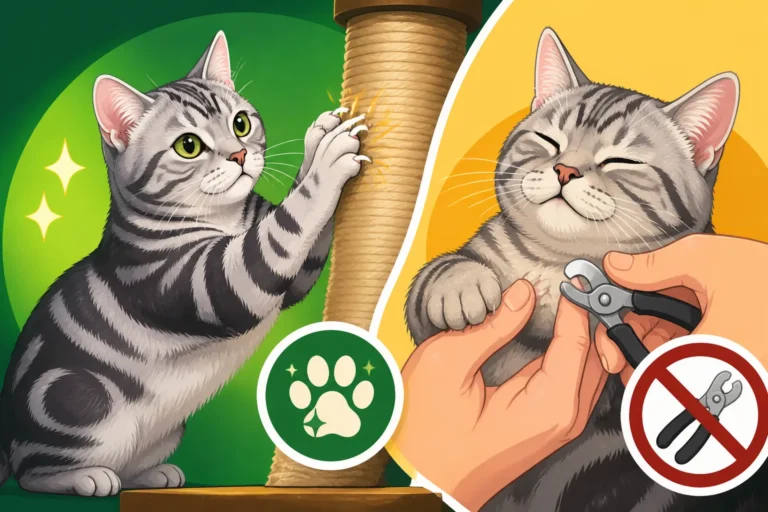
- Length: Are they extending beyond the paw pad when your cat walks? Can you hear them clicking on hard floors? If so, they’re too long and need a trim. For guidance, check out How to Cut the Claws of an American Shorthair That Uses Them.
- Breakage or Splitting: Healthy claws are strong. If you notice any chips, cracks, or splits, it could be a sign of trauma or, less commonly, a nutritional issue.
- Ingrown Claws: This is particularly painful. Carefully examine each claw, especially the dewclaws (the ones on the inner side of their front legs, higher up), to ensure they haven’t curled around and started to grow into the soft paw pad. This is an immediate vet visit situation, as it's very painful and prone to infection.
- Color and Texture: While colors vary, look for any discoloration, thickening, or brittleness that seems unusual.
Paw Pads: Softness, Texture, and Integrity
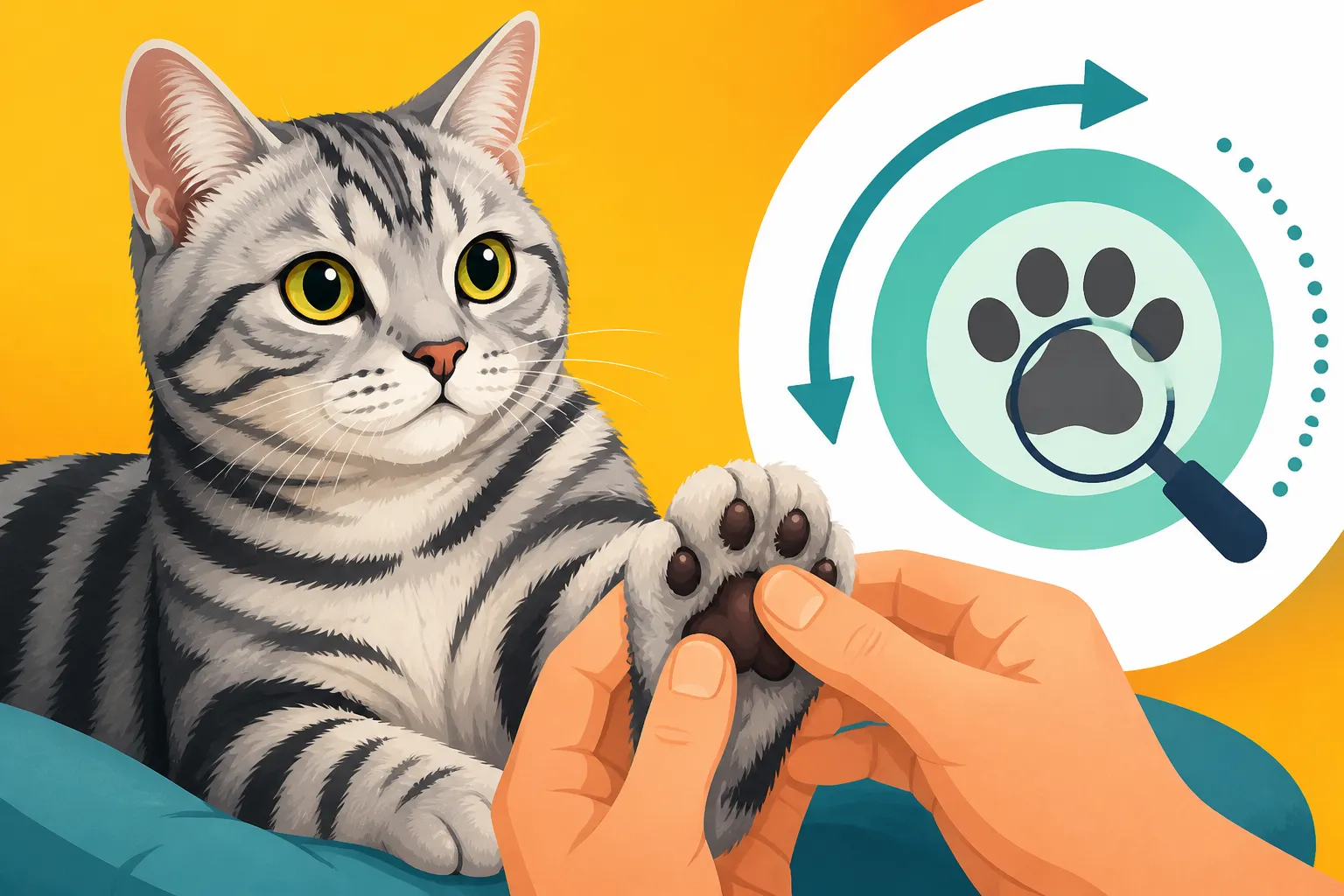
Your American Shorthair’s paw pads are designed for cushioning and traction. They should be relatively soft, supple, and free from cuts, cracks, or excessive dryness. The color can range from pink to black, often matching their fur color.
During your check, gently press and feel each pad:
- Cuts, Scrapes, or Punctures: Even indoor cats can step on small, sharp objects. Check for any wounds, however tiny. These can quickly become infected if not cleaned.
- Cracks or Dryness: While some dryness is normal, deep cracks or excessive flakiness can be uncomfortable and prone to infection. This could be environmental (e.g., walking on very hot or cold surfaces, though less common for indoor cats) or a sign of an underlying health issue. You might consider a pet-safe paw balm, readily available on sites like Chewy or Amazon, especially in drier climates.
- Swelling or Redness: Any puffiness, warmth, or noticeable redness in one or more pads could indicate inflammation, infection, or an allergic reaction.
- Foreign Objects: Tiny bits of litter, burrs (if they've been outside), or other debris can get embedded in the pads, causing irritation and pain.
Fur Between the Toes and Toe Health
The fur between your American Shorthair’s toes is surprisingly important. It provides extra cushioning and helps with temperature regulation. However, it can also trap debris or become matted.
Examine the fur and the spaces between the toes:
- Matted Fur: Long tufts of fur can get matted, pulling on the skin and causing discomfort. These need to be carefully trimmed.
- Litter, Debris, or Ice: Even if your cat is indoors, litter can get stuck. If your American Shorthair has outdoor access, grass seeds, burrs, or even small pieces of ice in winter can become lodged, causing irritation or cuts. Which Injuries an Outdoor American Shorthair Comes Home With often includes paw issues.
- Redness or Irritation: Excessive licking in these areas, coupled with redness, can be a sign of allergies, fungal infections, or pain stemming from a deeper issue.
- Growths or Bumps: While less common, occasionally you might find small cysts, warts, or even cancerous growths between the toes. Any new lump or bump should be brought to your vet's attention.
| Paw Area | What to Look For | Potential Issues | Action |
|---|---|---|---|
| Claws | Overgrown, broken, split, ingrown | Snagging, pain, infection, discomfort | Trim regularly, vet for ingrown/serious breaks |
| Paw Pads | Cuts, cracks, dryness, swelling, redness | Injury, infection, allergies, systemic health issues | Clean wounds, paw balm, vet for swelling/redness |
| Between Toes | Matted fur, debris, redness, growths | Irritation, infection, allergies, masses | Trim fur, remove debris, vet for persistent redness/growths |
How Often to Check Your American Shorthair's Paws
The frequency of paw checks for your American Shorthair isn't a one-size-fits-all answer; it depends heavily on their lifestyle, age, and any existing health conditions. However, a general routine will serve most cats well.
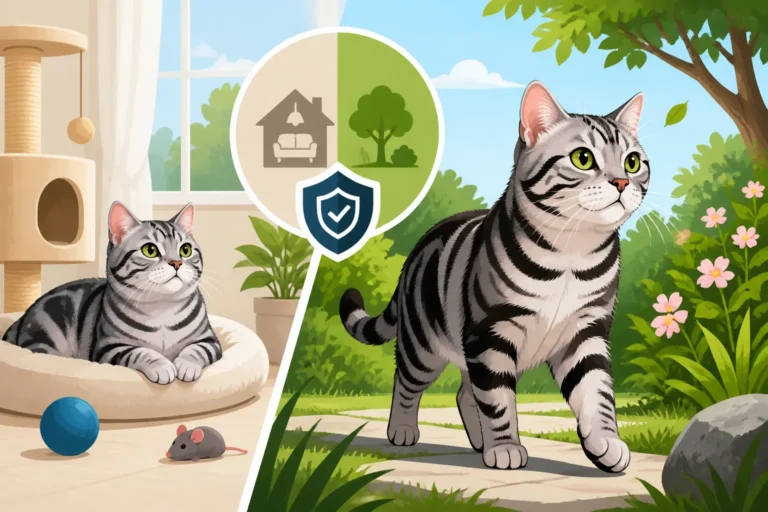
For Indoor American Shorthairs: Monthly is a Must
For the average indoor American Shorthair, a thorough paw check once a month is a good baseline. This regular schedule allows you to stay on top of nail growth, which can creep up surprisingly fast, and catch any minor irritations before they escalate. An indoor cat might not face the same environmental hazards as an outdoor one, but they can still get litter stuck, snag a claw on furniture, or develop dryness from indoor heating. This monthly check can be integrated into a regular grooming session or cuddle time, making it less of a chore and more of a bonding experience.
Consider increasing frequency:
- If you notice them licking or chewing their paws more than usual.
- If they seem reluctant to jump or use their scratching post.
- If they've recently had an injury or surgery that might affect their mobility.
- As they age, paw issues like arthritis become more common. Caring for an American Shorthair Past Twelve will involve more frequent checks.
For Outdoor American Shorthairs: Weekly, if Not More
If your American Shorthair has outdoor access, their paws are exposed to a far greater range of potential hazards. From rough terrain, hot pavement, icy surfaces, thorns, broken glass, to encounters with other animals, the risks are significantly higher. Therefore, an outdoor American Shorthair needs their paws checked much more frequently – ideally weekly, and sometimes even daily after particularly adventurous outings.
After any significant outdoor excursion, especially if you know they've been walking on rough ground or through dense foliage, a quick visual inspection and gentle feel of their paws should be paramount. Look for embedded debris, fresh cuts, or any signs of irritation immediately upon their return. This proactive approach can prevent minor scrapes from turning into painful infections. This increased vigilance is part of What an Outdoor American Shorthair Needs That an Indoor One Does Not.
Special Considerations: Kittens, Seniors, and Health Conditions
Certain life stages or health situations demand even more frequent paw examinations.
- Kittens: American Shorthair kittens are bundles of boundless energy and curiosity. They're still learning about their environment and can get into all sorts of mischief, sometimes stepping on things they shouldn't. Their nails also grow quickly. Brief, gentle paw checks a couple of times a week can help them get accustomed to the handling and allow you to keep an eye on their rapidly developing paws.
- Senior Cats: As American Shorthairs age, their joints can stiffen, their claws might become more brittle, and their ability to groom themselves effectively can diminish. Arthritis in the toes can make them sensitive to touch. Older cats are also more prone to issues like overgrown or ingrown claws if they're not using scratching posts as much. Daily or bi-weekly gentle checks can become essential to maintain their comfort and mobility. Caring for an American Shorthair Past Twelve emphasizes this kind of diligent care.
- Cats with Health Conditions: If your American Shorthair has a chronic condition like diabetes, autoimmune disease, or a history of allergies, their paws may require more frequent scrutiny. For instance, diabetic cats can be prone to infections or nerve damage that might manifest in their extremities. Cats with allergies often over-groom their paws, leading to skin irritation. Your vet might advise a specific schedule based on their individual needs.
Making Paw Checks a Positive Experience
For some cats, having their paws handled is an instant nope. But with patience, positive reinforcement, and a gentle approach, you can turn paw checks into a routine that your American Shorthair tolerates, and maybe even enjoys. Remember, consistency is key, and starting early with kittens makes a huge difference.
Desensitization and Positive Reinforcement
The goal here is to associate paw handling with good things. Don't just grab their paw out of the blue. Start slowly, in a calm environment when your cat is relaxed, perhaps curled up on your lap.
- Start with gentle touches: Begin by just stroking their leg. If they tolerate that, offer a small, high-value treat, like a tiny bit of cooked chicken or a lickable paste.
- Move to the paw: Gradually work your way down to touching their paw. Just a light touch at first, then release and treat. Repeat this several times.
- Individual toes: Once they're comfortable with general paw touching, try gently separating one toe. Treat. Repeat with other toes.
- Extend the time: Slowly increase the duration of the paw handling. Hold their paw for a few seconds, then release and treat.
- Simulate a full check: Once they're relaxed, you can start gently pressing on each paw pad and examining the claws, always followed by a reward.
- Consistency: Practice these short sessions daily or every other day. It's better to do several short, positive sessions than one long, stressful one.
If your cat shows signs of stress (tail flicking, flattening ears, trying to pull away), stop immediately and try again later, starting at an earlier, more tolerable step. Never force the issue, as this can create a negative association that's hard to break.
The Right Tools for the Job
Having the correct tools on hand makes the process smoother and safer for both you and your cat.
- Cat-Specific Nail Clippers: These come in various styles (scissor-style, guillotine-style). Choose one you're comfortable with and that's sharp. Dull clippers can crush the nail, causing pain. You can find excellent options on Chewy or Amazon.
- Styptic Powder: This is a must-have. Accidents happen, and sometimes you might cut the quick (the pink part of the nail that contains blood vessels and nerves). Styptic powder quickly stops bleeding and provides relief.
- Bright Light: A good light source helps you clearly see the quick, especially on darker nails.
- High-Value Treats: As mentioned, these are crucial for positive reinforcement.
- Gauze or Cotton Balls: For cleaning any minor cuts or applying solutions.
- Pet-Safe Paw Balm: For dry or cracked pads.
- A Familiar, Comfortable Spot: Choose a quiet area where your cat feels secure, perhaps on your lap or a favorite blanket.
When to Seek Professional Help
Even with diligent home checks, there are times when a veterinary professional is needed. Don't hesitate to contact your vet if you notice:
- Persistent Limping or Favoring a Paw: Even if you can't see an obvious injury, pain needs investigation.
- Severe Swelling, Redness, or Pus: These are signs of infection that require medical attention.
- Deep Cuts or Punctures: Especially if they're bleeding heavily or you suspect something is deeply embedded.
- Ingrown Claws: These are usually too painful for you to handle at home and need professional trimming and often antibiotics.
- Unusual Growths or Lumps: Any new mass on the paw pads or between the toes should be examined by a vet to rule out more serious conditions.
- Excessive Licking or Chewing: If this behavior is continuous and you can't identify a cause, it warrants a vet visit. It could be allergies, pain, or even behavioral.
- Changes in Nail Texture or Color: These could indicate underlying health issues that need diagnosis.
Remember, your American Shorthair may try to hide their pain, so always err on the side of caution. Regular vet check-ups, which include a general physical examination, are also vital, as detailed in posts like How Regularly a Healthy American Shorthair Still Needs Checking. By staying vigilant with paw care, you're not just protecting their feet, you're safeguarding their overall health and ensuring they can continue to patrol their territory and enjoy life comfortably for years to come.
Disclaimer
This article is for general informational purposes only and does not constitute professional advice. Laws, prices and regulations vary by location and change over time. Consult a qualified professional for guidance on your specific situation.