When a Vet Moves an American Shorthair to Light Food
It can be incredibly disheartening to watch your beloved American Shorthair, a cat known for its robust and active build, start to pack on the pounds. You might notice them slowing down, struggling to jump as high as they once did, or just generally looking a bit more "cushy" around the middle. When these changes become clear, and perhaps you've tried adjusting portion sizes without much success, your veterinarian might step in with a recommendation: moving your American Shorthair to a "light" food. This guide will walk you through exactly why and when this shift happens, what it entails, and how to make the transition a smooth one for your furry family member.
Understanding Weight Gain in American Shorthairs
It’s easy to feel like you’re doing something wrong when your cat gains weight, but the truth is, American Shorthairs are particularly susceptible to it. Their historical role and inherent genetics, combined with modern lifestyles, often create a perfect storm for creeping pounds.
Why Their Instincts Work Against Them Indoors
Imagine your American Shorthair's ancestors: muscular, agile cats who spent their days patrolling barns, ships, and farms, constantly hunting for prey. They were working cats, earning their keep by keeping rodent populations in check. This lifestyle required a significant number of calories and a metabolism primed for bursts of energy and sustained activity. They ran, stalked, pounced, and climbed, burning off every meal.
Fast forward to today, and most American Shorthairs live comfortable, indoor lives. They still have that strong, innate hunting drive, but the physical exertion required to fulfill it has largely vanished. They might chase a feather toy for a few minutes, but it's a far cry from a full day's work. This means their bodies are still wired to consume and store energy like their working ancestors, but their daily energy expenditure is drastically reduced. It's a fundamental mismatch between their genetic programming and their domesticated reality. Their robust appetite, a trait that served them well when food was scarce and hunting was constant, now works against them in an environment where food is readily available and requires no effort to obtain. How Many Calories an Indoor American Shorthair Burns is often a lot less than we think!
Identifying the Signs of Weight Creep
Because American Shorthairs are naturally sturdy and well-muscled, it can sometimes be a little tricky to spot weight gain in its early stages. They don't always look obviously round like some other breeds. Instead, you might notice more subtle changes. One of the clearest indicators is when you can no longer easily feel their ribs when you run your hands along their sides. You should be able to feel them with light pressure, not see them, but also not have to press hard to locate them. Their "waist" – the indentation behind their ribs when viewed from above – might start to disappear, making them look more like a solid rectangle.
Another tell-tale sign is the development of a 'primordial pouch' – a flap of skin and fat that hangs from their belly. While many cats, including American Shorthairs, have a small primordial pouch naturally, if it becomes very pronounced and swings noticeably when they walk, it's often a sign of excess weight. Observe their behavior: are they less inclined to jump onto high surfaces like counters or cat trees? Do they seem to tire more easily during play? Are they having trouble grooming certain areas, particularly their lower back? All of these can be indicators that your American Shorthair is carrying more weight than is healthy. You can learn more about assessing this in How to Spot Weight Gain on a Square Built American Shorthair.
The Health Risks of Carrying Extra Pounds
Weight gain in cats isn't just about aesthetics; it's a serious health concern that can dramatically impact their quality of life and lifespan. Just like in humans, obesity in American Shorthairs can lead to a host of medical problems. One of the most common and concerning is diabetes mellitus, where their bodies become resistant to insulin, leading to dangerously high blood sugar levels. This requires daily insulin injections and strict dietary management.
Excess weight also puts immense strain on their joints, especially their hips and knees. Given the American Shorthair's naturally broad and muscular build, adding extra weight exacerbates this, often leading to or worsening conditions like arthritis. This can cause chronic pain, reduce mobility, and make simple activities like grooming or using the litter box difficult. Overweight cats are also more prone to urinary tract issues, including bladder stones, and have an increased risk during anesthesia for any necessary medical procedures. They can develop What Extra Weight Does to an American Shorthair's Working Frame including a greater propensity for various inflammatory conditions and even certain types of cancer. It's truly a silent threat to their well-being.
The Vet's Role: When and Why Light Food is Recommended
So, you've noticed some changes, or maybe your annual vet check-up flagged a concern. Your veterinarian plays a crucial role in assessing your American Shorthair's weight and guiding you toward a healthier path.
The Initial Assessment: What a Vet Looks For
When you bring your American Shorthair in for a weight concern, your vet won't just glance at them and make an assumption. They'll perform a thorough physical examination, starting with a precise weight measurement. They’ll also conduct a body condition score (BCS), which is a standardized system (often on a 1-5 or 1-9 scale) to assess your cat's fat reserves and muscle mass. This involves palpating their ribs, spine, and waist to determine if they are underweight, ideal weight, or overweight/obese.
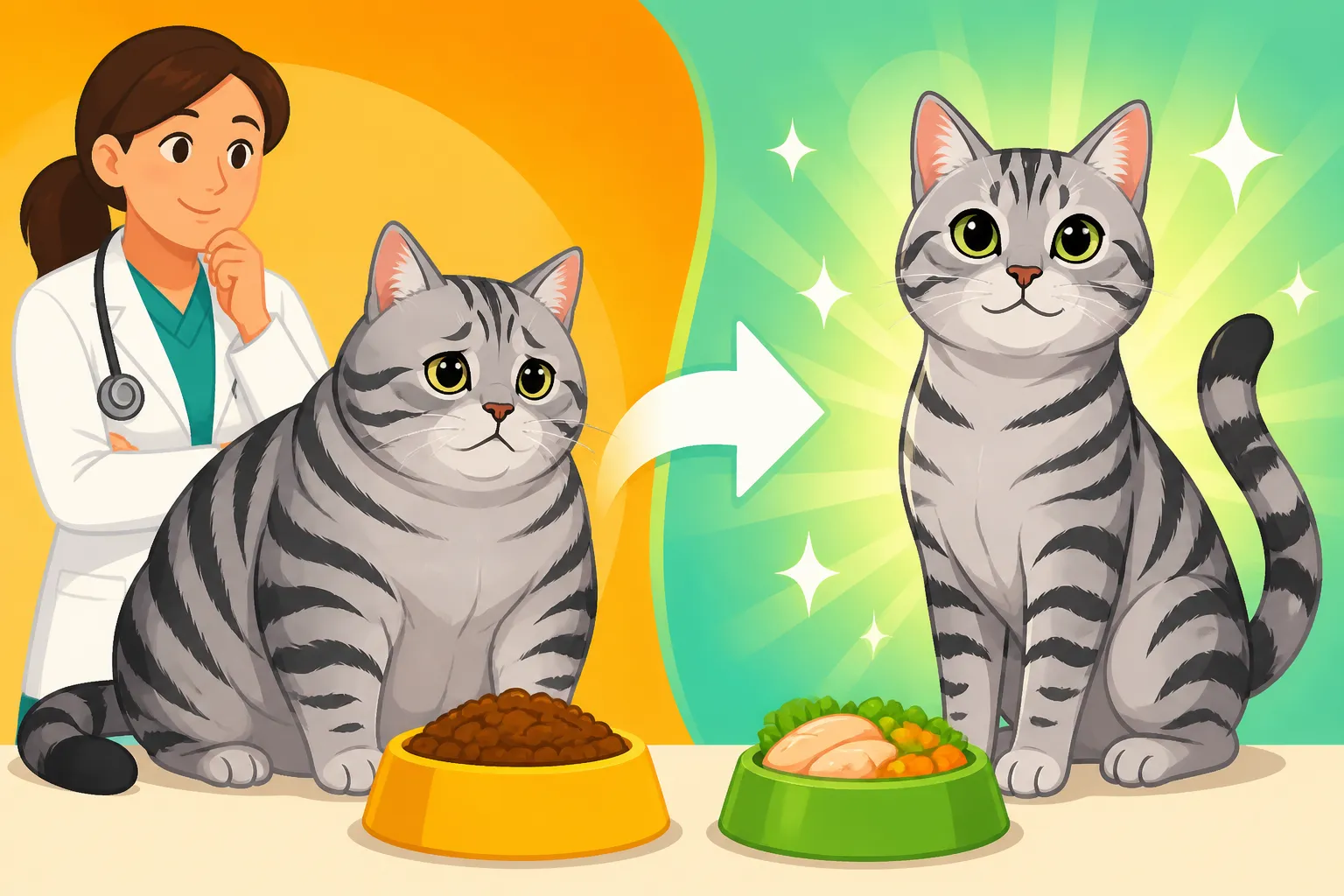
Beyond the physical exam, your vet might recommend blood tests and a urinalysis to rule out any underlying medical conditions that could be contributing to weight gain, such as hypothyroidism (though less common in cats than dogs) or other metabolic issues. They'll also ask you detailed questions about your cat's diet, including what they eat, how much, how often, and any treats they receive. Don't be shy about being honest! It's vital information. Based on this comprehensive assessment, if obesity or significant overweight is confirmed and no other medical causes are found, the vet will discuss a weight loss plan, which very often includes a switch to a "light" or weight-management food. This initial consultation is critical for How a Vet Builds an American Shorthair's Weight Loss Plan that is tailored specifically for your cat.
The Rationale Behind Light Food
"Light food," also known as weight-management or reduced-calorie food, is specifically formulated to help cats lose weight safely and maintain a healthy weight thereafter. The primary goal is to reduce calorie intake without sacrificing essential nutrients or leaving your cat feeling constantly hungry.
Typically, light foods achieve this by:
- Lowering Fat Content: Fat is calorie-dense, so reducing it significantly lowers the overall calorie count.
- Increasing Fiber Content: Fiber helps your cat feel fuller for longer, which is crucial for preventing begging and overeating. It also aids in digestion and promotes satiety, making the diet more sustainable.
- Maintaining High Protein: It’s essential to keep protein levels adequate (or even slightly higher) in a weight-loss diet for cats. Cats are obligate carnivores, and sufficient protein helps maintain lean muscle mass during weight loss. Losing muscle alongside fat can be detrimental to their metabolism and overall health.
- Adding L-Carnitine: Some light foods include L-Carnitine, an amino acid derivative that helps the body utilize fat for energy, potentially aiding in fat loss while preserving muscle.
The vet's rationale for suggesting light food is to provide a controlled, nutritionally balanced way to reduce calorie intake, which is the cornerstone of any effective weight loss program. It takes the guesswork out of trying to reduce portions of regular food, which can sometimes lead to nutritional deficiencies if not carefully managed.
Prescription vs. Over-the-Counter Options
When it comes to light foods, you’ll generally find two main categories: prescription diets and over-the-counter (OTC) options. Understanding the difference is key to following your vet's recommendations.
Prescription Weight-Loss Diets: These foods are specifically formulated for clinical weight loss and are only available through a veterinarian. Brands like Purina Pro Plan Veterinary Diets, Royal Canin Veterinary Diet, and Hill's Prescription Diet are common examples. They are rigorously tested and designed to provide a very precise caloric intake with specific macronutrient ratios (high protein, controlled fat, high fiber) to promote safe and effective weight loss. They often have higher fiber content and specific ingredients to enhance satiety and metabolic function. Your vet might recommend a prescription diet if your American Shorthair is significantly overweight or obese, or if they have other concurrent health issues that need careful dietary management. These diets are typically more potent and designed for active weight reduction.
Over-the-Counter (OTC) "Light" or "Weight Management" Foods: Many pet food brands offer “light,” “healthy weight,” or “weight control” formulas that you can purchase at pet stores or online retailers like Chewy or Amazon. These are generally lower in calories than their standard adult formulas, often achieved by reducing fat and sometimes increasing fiber. They can be a good option for American Shorthairs who are only slightly overweight, or as a maintenance diet after they've reached their ideal weight on a prescription diet. However, they vary widely in their actual caloric density and nutritional profiles. It’s crucial to read the labels carefully and, ideally, discuss any OTC option with your vet to ensure it meets your cat's specific needs and calorie targets. Fresh, portion-controlled meals tailored to weight goals can also be an effective strategy if your vet approves.
The choice between prescription and OTC will depend on your cat's individual needs, the severity of their weight problem, and your vet's expert opinion.
Transitioning Your American Shorthair to Light Food
Switching your American Shorthair's food isn't just about opening a new bag; it requires a thoughtful, gradual approach to ensure their digestive system adapts well and they accept the new diet.
Gradual Introduction for Digestive Health
Cats can be notoriously finicky eaters, and their digestive systems are sensitive to sudden changes. Rushing the transition can lead to an upset stomach, vomiting, diarrhea, or even a complete refusal to eat the new food. This is the last thing you want when trying to help them lose weight.
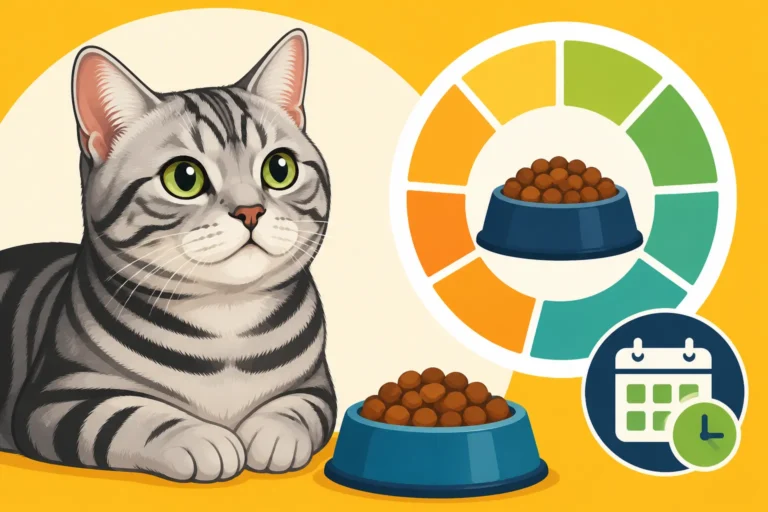
The key is a slow, gradual introduction over 7-10 days, or even longer for particularly sensitive or stubborn cats. Here’s a typical timeline:
- Days 1-2: Mix 75% of their old food with 25% of the new light food.
- Days 3-4: Adjust the ratio to 50% old food, 50% new food.
- Days 5-6: Move to 25% old food, 75% new food.
- Days 7-10: Transition to 100% new light food.
Monitor your American Shorthair closely during this period. Watch for any signs of digestive upset (vomiting, diarrhea, constipation) or a lack of appetite. If you notice any issues, slow down the transition further, staying at the current ratio for a few extra days until their system settles. Patience is truly a virtue here, and it will save you a lot of stress (and potential vet visits) in the long run.
Portion Control and Feeding Schedules
Once your American Shorthair is on the new light food, the battle isn't over. Portion control is absolutely paramount. Light food is only effective if given in the correct amount. Your veterinarian will provide a specific daily calorie target and tell you exactly how much of the new food to feed based on your cat's ideal weight and their individual metabolism. It's usually a surprisingly small amount, which can be a shock if you're used to free-feeding or larger portions.
- Weighing is Key: Do not rely on measuring cups alone. Invest in a digital kitchen scale (easily found on Amazon) to accurately weigh out each meal. This precision ensures you're sticking to the prescribed calorie limit.
- Divide and Conquer: Instead of one or two large meals, consider breaking the daily allowance into three or four smaller meals throughout the day. This can help keep your cat feeling more satisfied and manage hunger pangs. For example, a small breakfast, a mid-day snack (if someone is home), dinner, and a small portion before bed. This strategy helps mimic their natural hunting patterns of smaller, more frequent "catches." How Much to Put Down for an American Shorthair at Each Meal can vary greatly depending on the food's caloric density.
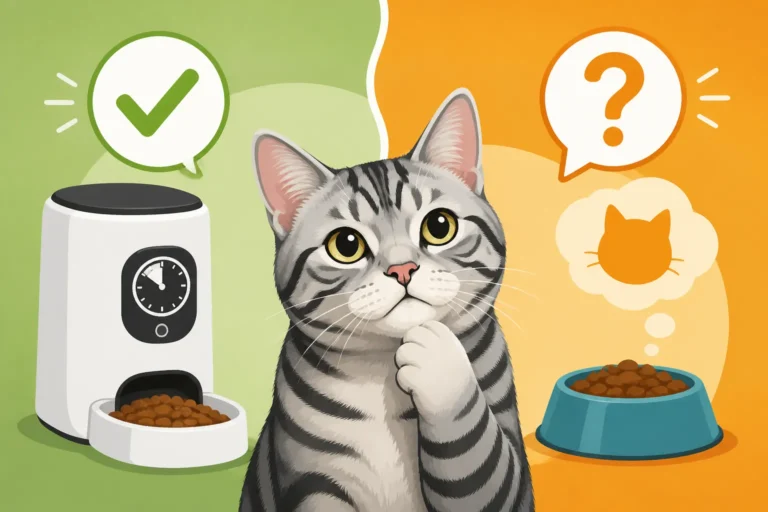
- Timed Feeders: If you're not home all day, a timed automatic feeder can be a lifesaver. It dispenses measured portions at set times, preventing your cat from consuming their entire daily allowance in one go and creating a consistent feeding schedule.
Remember, every calorie counts. If you're also feeding wet food, factor those calories into the daily total.
Hydration and Enrichment
Beyond the food itself, maximizing hydration and enriching mealtime can significantly support your American Shorthair's weight loss journey.
Hydration: Water is crucial for overall health and can play a role in satiety. Increased fiber in light foods also means your cat needs plenty of water to prevent constipation.
- Multiple Water Sources: Offer several water bowls in different locations around the house.
- Water Fountain: Many cats prefer fresh, moving water, so a cat water fountain might encourage them to drink more.
- Wet Food Inclusion: If your light food is dry kibble, consider incorporating a veterinary-approved wet light food. Wet food has a high moisture content, which boosts hydration and can also help your cat feel fuller due to its volume.
Enrichment: American Shorthairs, with their hunting instincts, benefit immensely from mental and physical stimulation, especially around mealtime. This makes them "work" for their food, burning calories and satisfying their innate drive.
- Puzzle Feeders: These toys require your cat to use their paws or nose to extract kibble, slowing down eating and engaging their minds. They come in various difficulty levels and can be found at pet stores or online at Chewy.
- Food Scatter: Instead of putting all their kibble in a bowl, scatter small portions around a clean room or hide them in safe, accessible places. This turns mealtime into a "hunt" and encourages movement.
- Interactive Play Before Meals: A short, vigorous play session with a wand toy right before a meal can tap into their natural hunt-eat sequence, making them more satisfied after they've "caught" their dinner. Play That Finishes the Hunting Sequence for an American Shorthair is a great way to help them burn calories and feel fulfilled.
These strategies not only aid in weight loss but also contribute to your American Shorthair's overall well-being and happiness, turning a potentially frustrating dietary change into a positive experience.
Beyond the Bowl: Holistic Weight Management
Switching to light food is a fantastic first step, but true, sustainable weight management for your American Shorthair is a holistic endeavor. It involves lifestyle adjustments, consistent monitoring, and an understanding of when to seek further veterinary guidance.
Increasing Activity Safely
For an American Shorthair, who once spent their days actively hunting and patrolling, simply reducing food isn't always enough. They need to move! Increasing their physical activity safely and enjoyably is crucial for burning calories, building muscle, and boosting their metabolism.
- Scheduled Play Sessions: Dedicate at least two 10-15 minute play sessions daily using interactive toys like wand toys with feather attachments or fishing pole-style toys. These mimic prey movement and tap into their natural hunting instincts. Make sure they get to "catch" the toy at the end of the session to feel satisfied.
- Climbing Opportunities: American Shorthairs love to survey their territory from high vantage points. Provide sturdy cat trees, shelves, or catio access to encourage climbing and jumping, which are great forms of exercise.
- Leash Training: For some American Shorthairs, leash training can be a wonderful way to explore the outdoors safely and get more exercise. Start slowly, introducing the harness in short increments before attempting walks.
- Puzzle Toys for Treats: Even small, healthy treats can be given in a puzzle toy to make your cat work for them, adding to their daily activity. Always factor treat calories into their daily total.
Remember, consistency is key. Daily activity is far more beneficial than sporadic bursts of energy.
Monitoring Progress and Adjusting the Plan
Weight loss is rarely a linear journey, and it requires regular monitoring and adjustments. Your vet will likely want to see your American Shorthair for regular weigh-ins, perhaps every 2-4 weeks initially.
- At-Home Weigh-Ins: You can also weigh your cat at home. Weigh yourself, then weigh yourself holding your cat, and subtract the difference. Track these weights in a journal or on an app.
- Body Condition Score: Continue to periodically assess their body condition yourself, feeling for their ribs and checking their waistline.
- Communication with Your Vet: Share your observations with your vet. Are they losing weight too quickly (which can be dangerous, potentially leading to fatty liver disease)? Are they not losing weight at all? Is their energy level improving? Based on their progress, your vet may adjust the calorie target, recommend a different light food, or suggest further diagnostics. How Many Months an American Shorthair's Weight Plan Runs can vary, but patience and persistence are key. It's often a commitment for several months or even longer.
This ongoing dialogue ensures the weight loss plan remains effective and safe for your unique American Shorthair.
Addressing Underlying Issues
While diet and exercise are the mainstays of weight management, sometimes there's more to the story. If your American Shorthair is struggling to lose weight despite a diligent diet and activity plan, or if they suddenly gain a lot of weight, it's crucial to revisit the vet to rule out underlying medical conditions.
Conditions such as:
- Thyroid Issues: Though less common in cats, hypothyroidism can lead to weight gain.
- Cushing's Disease: Another rare but possible hormonal imbalance.
- Medication Side Effects: Some medications can cause weight gain as a side effect.
- Fluid Accumulation: In very rare cases, what looks like weight gain could be fluid retention due to heart or kidney issues.
Your vet might recommend additional diagnostic tests like blood panels, urine tests, or imaging to investigate these possibilities. It's always better to be thorough and ensure that you're addressing the root cause of the weight problem, not just its symptoms. Your vet is your best partner in navigating these complexities and ensuring your American Shorthair receives the most appropriate care.
Here’s a quick comparison of typical light cat food versus regular adult cat food:
| Feature | Regular Adult Cat Food | Light / Weight Management Cat Food |
|---|---|---|
| Calories | Moderate to High | Lower |
| Fat Content | Moderate | Lower (often significantly) |
| Protein Content | Moderate to High | High (to preserve muscle mass) |
| Fiber Content | Low to Moderate | High (for satiety and digestion) |
| L-Carnitine | Usually Absent | Often Added |
| Purpose | Maintenance of healthy weight | Weight loss and weight maintenance |
| Availability | Pet stores, grocery, online | Vet clinics, specialized pet stores, online with vet guidance |
Ultimately, helping your American Shorthair achieve and maintain a healthy weight is one of the most loving things you can do for them. It might feel like a big undertaking, but with your vet's guidance, the right food, and consistent effort, you'll be giving them the gift of a longer, happier, and more active life.
Disclaimer
This article is for general informational purposes only and does not constitute professional advice. Laws, prices and regulations vary by location and change over time. Consult a qualified professional for guidance on your specific situation.