How Much an American Shorthair Enjoys Being Combed
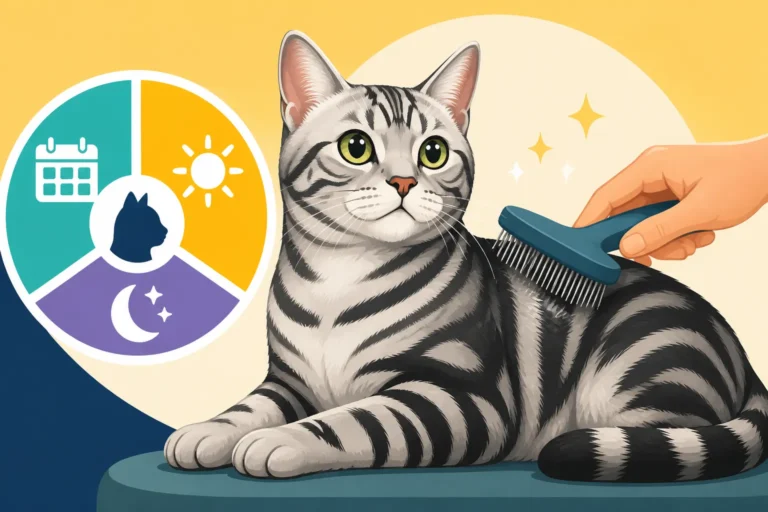
One of the biggest misconceptions about American Shorthair cats is that their short, dense coat means they don't really need much grooming, and therefore, they don't have strong opinions about it. Many owners assume a quick once-over is all it takes, or they mistakenly believe their self-sufficient feline simply tolerates the comb. But the truth is, your American Shorthair has very distinct preferences when it comes to being combed, and understanding these can transform a necessary chore into a deeply bonding and enjoyable experience for both of you. This guide will help you decipher those subtle signals and create a grooming routine that your American Shorthair truly looks forward to.
The American Shorthair's Unique Coat and Its Combing Philosophy
Let's be honest, when you think of cats that need combing, images of long-haired beauties like Persians or Maine Coons usually spring to mind. Their luxurious locks demand daily attention to prevent mats and tangles. The American Shorthair, on the other hand, boasts a short, hard, dense coat that often feels stiff to the touch, built for practicality rather than showy elegance. This is a working cat's coat, designed to protect them from the elements and shed water, which historically meant it was exceptionally good at self-maintenance.
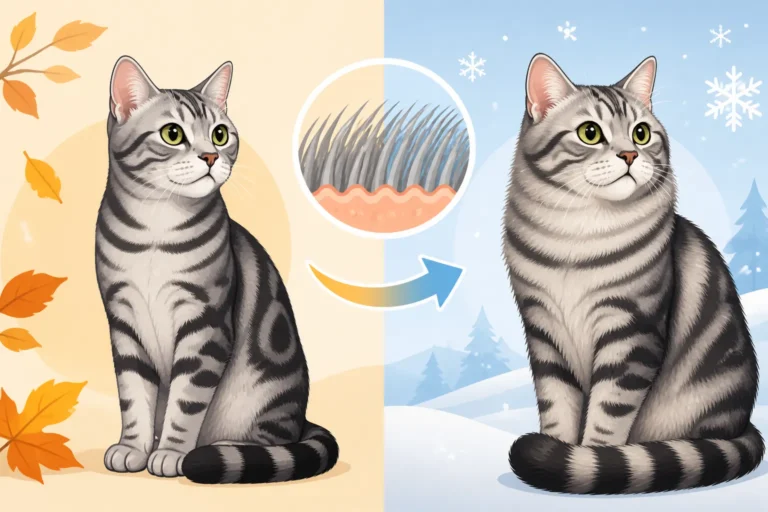
However, "self-maintaining" doesn't mean "no maintenance," especially in a modern indoor environment. While their wilder ancestors might have managed with only their tongues and the occasional brush against a tree, our pampered house cats benefit immensely from human assistance. Their coat, while short, does shed, sometimes quite profusely, particularly during seasonal changes. An American Shorthair Sheds Twice a Year and Asks Nothing Else delves into these shedding patterns. Removing loose hair prevents hairballs, keeps their skin healthy, and reduces the amount of fur tumbleweeds rolling across your floor. The question isn't if they need combing, but how they experience it.
The dense undercoat of an American Shorthair, while not as plush as a British Shorthair's, still requires attention. This undercoat can trap dead hair, dander, and even environmental debris. When left uncombed, this can lead to skin irritation, dullness, and a less comfortable cat. While your American Shorthair may seem stoic, they often appreciate the sensation of a good comb stimulating their skin and helping to loosen those stubborn hairs that their tongue just can't quite reach. It's a primal satisfaction, tapping into their natural grooming instincts but with the added bonus of your gentle touch.
Reading Your American Shorthair's Signals: Do They Love or Loathe the Comb?
Understanding your American Shorthair's feelings about being combed is all about observing their body language and listening to their subtle cues. Unlike a dog who might wag its tail enthusiastically, a cat's signs of pleasure or displeasure can be much more nuanced. Some American Shorthairs truly adore the sensation, purring loudly, kneading their paws, and leaning into the comb strokes. Others might simply tolerate it with a quiet patience, while a few might make it very clear they'd rather be doing literally anything else.
Signs of Enjoyment and Relaxation
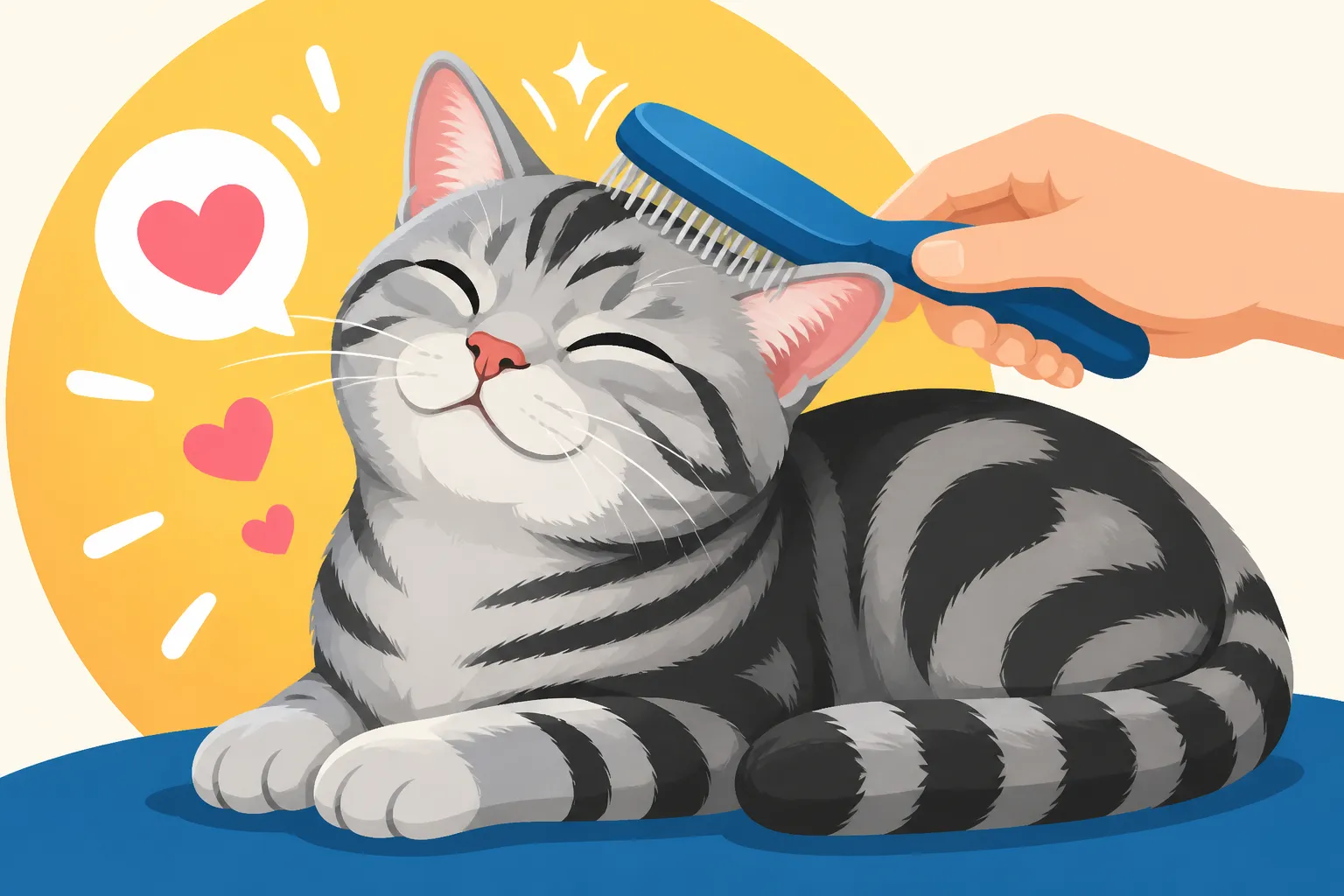
When your American Shorthair is truly enjoying a combing session, their body language will tell a clear story. You might notice a relaxed posture, perhaps even rolling onto their side to offer you better access to their belly (a huge sign of trust!). Their tail will likely be relaxed or gently swaying, not twitching in agitation. The most obvious indicator is often a deep, rumbling purr, sometimes accompanied by soft "mews" or trills. They might knead their paws on the air or on your lap, a sign of contentment learned from kittenhood. Their eyes might close partially, or they might gaze at you with soft, dilated pupils, indicating pleasure. Pay attention to how they lean into the comb, guiding your hand to their favorite spots, like along their spine, behind their ears, or under their chin. These are the moments when you know you've hit the sweet spot, and the comb is providing genuine comfort and satisfaction.
Identifying Discomfort or Dislike
Conversely, if your American Shorthair is not enjoying the experience, they will also communicate this, sometimes subtly, sometimes not so subtly. Early signs of discomfort include a tensing of the body, a tail that begins to twitch back and forth, or flattened ears. They might try to move away, duck their head, or give you a quick lick-and-turn, which is often a polite way of saying "I'm done." If you persist, these signals can escalate. You might see their pupils dilate rapidly, their fur ripple, or their tail lash more aggressively. A low growl or a hiss is a definite "stop now" signal, and ignoring it can lead to a scratch or bite. It's crucial to respect these boundaries. Pushing a cat past its comfort level can create negative associations with grooming, making future sessions much harder. Knowing How Little Combing an American Shorthair Actually Needs might reassure you that shorter, more pleasant sessions are often better than long, stressful ones.
| Behavior Signal | Interpretation (Likely) | Action for Owner |
|---|---|---|
| Loud purring, kneading | Enjoyment, relaxation | Continue gently, observe for continued pleasure |
| Leaning into comb | Favorite spot, wants more | Focus on that area, maintain gentle pressure |
| Relaxed body/tail | Comfortable, trusting | Keep session going as long as cat allows |
| Ears flattened/back | Unease, apprehension | Slow down, lighten pressure, switch areas |
| Tail twitching/lashing | Irritation, annoyance | Pause, reassess, offer a treat, consider stopping |
| Trying to move away | Wants to end session | Respect decision, try again later or keep it short |
| Growling/hissing | Strong displeasure, warning | Stop immediately, allow cat to disengage |
| Skin rippling | Sensitivity, overstimulation | Adjust pressure, use a different comb, move on |
Crafting a Positive Combing Routine for Your American Shorthair
Making combing an enjoyable experience for your American Shorthair isn't just about avoiding conflict; it's about building a positive ritual that strengthens your bond. It requires patience, the right tools, and a consistent approach. Remember, the goal is for your cat to associate the comb with good things, not stress.
Choosing the Right Tools and Setting the Scene
The type of comb you use can significantly impact your American Shorthair's enjoyment. Their short, dense coat benefits from specific tools. A metal comb with both fine and wide teeth, often called a "greyhound comb," is excellent for working through the fur and detecting any mats or tangles before they become serious. A rubber grooming mitt or a curry brush can also be fantastic, as the rubber nubs massage the skin while gathering loose hair, a sensation many cats find incredibly pleasurable. Brands like Chewy and Amazon offer a wide array of options, so you can experiment to find Which Comb Suits an American Shorthair's Hard Coat best. For removing dead undercoat, a specialized de-shedding tool can be incredibly effective, but use it sparingly and gently, as some cats find the pulling sensation too intense.
Once you have your tools, set the scene. Choose a quiet time when your cat is relaxed, perhaps after a nap or a meal. Avoid high-traffic areas or times when there's a lot of noise or activity. A comfortable lap, a soft blanket on a table (if your cat tolerates being on a surface), or even a designated "grooming spot" where they feel secure can make all the difference. Start with short sessions, just a minute or two, gradually increasing the duration as your cat becomes more accustomed and comfortable. The idea is to leave them wanting more, not dreading the next time the comb comes out.
The Art of Gentle Introduction and Positive Reinforcement
Introducing the comb should always be a gradual process, especially if your cat is new to it or has had negative experiences in the past. Start by simply letting your American Shorthair sniff and investigate the comb. Place it near them, reward curiosity with a treat. Then, gently touch their favorite spots (like their cheeks or under their chin) with the comb, not even brushing yet. If they respond positively, offer a high-value treat, perhaps a small piece of cooked chicken or a lickable treat. The key is small steps and positive associations.
When you do start combing, use light, gentle strokes. Follow the direction of hair growth. Pay close attention to your cat's reactions. If they flinch or show signs of discomfort, ease up on the pressure or move to a different area. Focus on the areas they seem to enjoy most first, building trust before tackling more sensitive spots. As you comb, speak to them in a calm, soothing voice. Use praise and continue to offer treats frequently during and immediately after the session. This creates a powerful link between the comb, your touch, and delicious rewards. The goal is to make every session a mini-celebration, a moment of connection rather than a test of wills. For kittens, How to Introduce Combing to an American Shorthair Kitten provides more specific advice.
Common Combing Conundrums and How to Overcome Them
Even with the best intentions, you might run into a few bumps on your combing journey. It's okay! Every cat is an individual, and sometimes their preferences are stronger than we anticipate. The important thing is not to get discouraged but to adjust your approach with empathy and persistence.
Dealing with Mats and Tangles (Rare but Possible)
While American Shorthairs are generally low-mat cats, it's not impossible for them to develop small mats, especially in areas like behind their ears, under their "armpits," or around their hind legs if they're older or overweight and can't groom themselves effectively. When an Old American Shorthair Needs Help Grooming details some of these challenges. If you encounter a mat, resist the urge to pull or yank, as this will only cause pain and further cement a negative association with the comb. Instead, try to gently work it out with your fingers first. You can use a little cornstarch or specialized dematting spray to help loosen the hairs.
For stubborn mats, use the fine teeth of your metal comb and gently tease the mat apart, working from the outside edges inwards. Hold the fur at the base of the mat to prevent pulling on the skin. If the mat is too tight or your cat is in pain, it's best to consult your vet or a professional groomer. They have specialized tools and techniques to remove mats safely without stressing your cat. Never try to cut out a mat with scissors, as it's incredibly easy to accidentally cut your cat's skin.
Overcoming Resistance and Fear
If your American Shorthair is resistant or fearful of the comb, it often stems from a previous negative experience, or perhaps they just haven't been properly introduced to it. The key here is patience and very, very slow desensitization. Start by simply having the comb visible in the room, then place it near their food bowl or favorite sleeping spot (but not so close that it interferes with their comfort). Reward them for simply tolerating its presence. Gradually, you can move to touching them with the comb, then very quick, light strokes, always pairing it with a high-value treat.
Some cats respond better if they are held gently by another person during initial sessions, making sure they feel secure, not restrained. You might also try a different type of comb – sometimes the material or the feel of the bristles can make a big difference. For example, some cats detest the static electricity generated by plastic combs and prefer metal or rubber. Consistency is vital; short, positive interactions every day or two are far more effective than long, infrequent, and stressful battles. Remember, your cat is not "being difficult" on purpose; they are communicating their feelings, and it's our job to understand and respond kindly.
Maintaining Enjoyment Over the Years
As your American Shorthair ages, their needs and preferences might change. An older cat might have arthritis, making certain positions uncomfortable. Their skin might become more sensitive, or they might develop lumps and bumps that need careful navigation. Caring for an American Shorthair Past Twelve touches on these changes. It's important to continue observing their body language and adjust your combing routine accordingly. Gentle strokes with a soft rubber brush might be preferred over a more aggressive de-shedding tool. Older cats may also appreciate the extra stimulation and massage that combing provides, especially if their natural flexibility for self-grooming has decreased.
The joy an American Shorthair takes in being combed can fluctuate throughout their life. What they loved as a kitten might not be their favorite as an adult, and their preferences can shift as they enter their senior years. By staying attuned to their signals, using the right tools, and approaching each session with a loving and patient attitude, you can ensure that combing remains a cherished bonding experience, reinforcing the trust and affection you share with your wonderful American Shorthair.
Disclaimer
This article is for general informational purposes only and does not constitute professional advice. Laws, prices and regulations vary by location and change over time. Consult a qualified professional for guidance on your specific situation.