Where an American Shorthair’s Shed Hair Ends Up
If you're an American Shorthair owner, you know the struggle: you love your cat fiercely, but sometimes it feels like they're just a walking, purring fluff factory. You sweep, you vacuum, you lint roll, and yet, the cat hair persists, clinging to everything and seemingly materializing out of thin air. This guide is here to shed some light on the mysterious journey of your American Shorthair's shed hair and help you understand where it all goes, so you can better manage it and keep your home feeling clean and cozy.
The Invisible Journey Begins: Where Hair First Lands
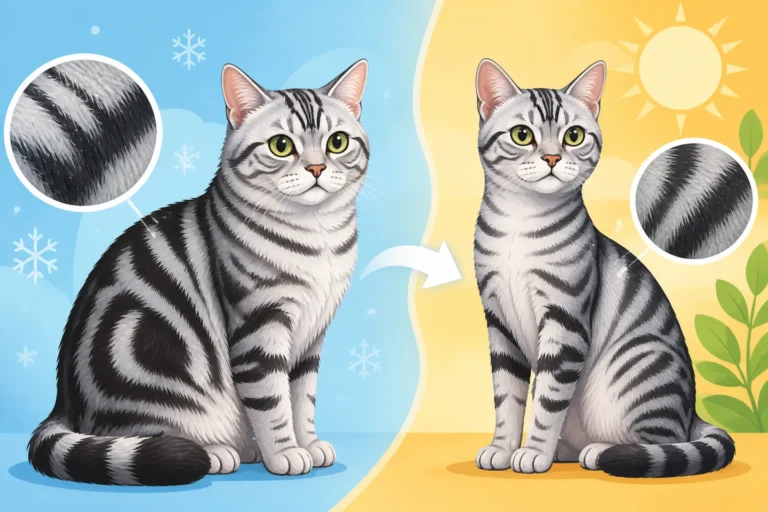
It's a common misconception that all shed hair simply falls directly to the floor. While some certainly does, the reality is far more dynamic. Your American Shorthair's sturdy, short coat, which was originally built for functionality and protection rather than show, sheds primarily when the seasons change, but a certain amount is always being replaced. An American Shorthair Sheds Twice a Year and Asks Nothing Else, but even outside of those major "blows," there's a constant, albeit lighter, release of fur. This means that hair begins its journey in many places, not just directly beneath your cat.
Your Furniture: The Ultimate Hair Magnet
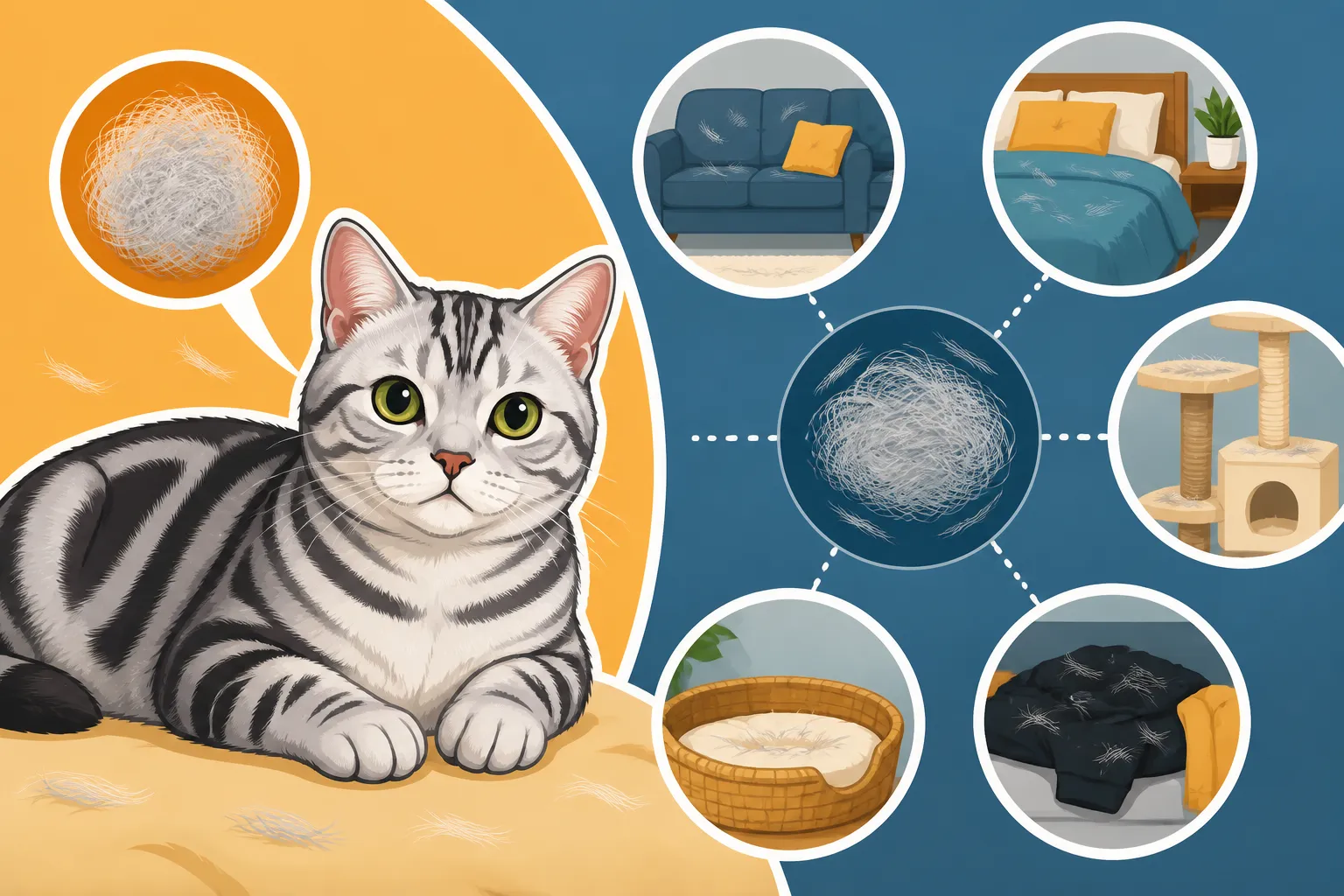
Let's be honest, our sofas, armchairs, and beds are often the first and most obvious collection points for shed American Shorthair hair. Your cat loves to nap, stretch, and generally exist on these comfortable surfaces, leaving behind a fine dusting of fur that weaves itself into the fabric fibers. This isn't just about static electricity; the tiny barbs on each hair strand act like microscopic anchors, locking them into upholstery. A dark sofa against a silver tabby American Shorthair is a stark reminder of this phenomenon. It's a never-ending battle, but one we willingly fight for our furry overlords.
Consider a sunny afternoon: your American Shorthair, perhaps a handsome brown tabby, is basking on your favorite velvet armchair. As they shift, groom, or even just breathe, loose hairs are gently released. The texture of the velvet, with its many loops and fibers, is practically designed to trap these hairs. Before you know it, what started as a pristine seating area now sports a subtle, feline-patterned overlay. Even a quick pat from you can dislodge more hair, sending it airborne for a moment before it settles back down or attaches to your clothes.
Your Clothes: An Unwanted Accessory
Ah, the classic "cat hair as fashion statement." It's almost impossible to live with an American Shorthair and not carry a piece of them with you everywhere you go. This isn't just from cuddling; hair transfers from furniture, from brushing past your cat, or even just from the ambient air. Dark clothing, especially wools and fleeces, are particularly prone to collecting fur, making you look like you've just wrestled a cat – which, let's be fair, many of us do on a daily basis.
Imagine getting ready for an important meeting, meticulously choosing your outfit. You give your American Shorthair a quick head scratch on your way out, or perhaps you just sat on the sofa for five minutes while tying your shoes. Suddenly, your dark blazer is covered in fine, silver tabby hairs. It feels like magic, but it's just physics and the sheer pervasiveness of shed fur. Lint rollers become an essential part of your daily routine, akin to brushing your teeth, a small price to pay for the companionship of a What an American Shorthair Looks Like by the Standard.
The Air and Surfaces: A Constant Circulation
Beyond the obvious spots, cat hair becomes truly ubiquitous by circulating through the air in your home. It's lighter than you think, especially the finer undercoat hairs, and can float on air currents, settling on surfaces you'd never expect. Bookshelves, countertops, window sills, and even inside your electronics can become dust traps, creating a fine film of feline fairy dust. Whether Central Heating Keeps an Indoor American Shorthair Shedding is a real concern, as forced air systems can exacerbate this distribution.
Think about the dust bunnies that seem to appear out of nowhere under your bed or in forgotten corners. A significant portion of these are composed of cat hair, mixed with skin flakes (dander), dust mites, and other household debris. Every time you open a door, walk across a room, or even just breathe, you create air currents that lift and redistribute these microscopic hairs. They adhere to surfaces due to static electricity, clinging to plastic appliances or the screens of your devices, leaving a subtle, fuzzy reminder of your cat's presence.
The Science of Spread: How American Shorthair Hair Travels
It's not enough to know where the hair lands; understanding how it gets there helps us better combat the pervasive fluff. The American Shorthair, with its dense, resilient coat, is a master at distributing its shed hair throughout its territory, often without even trying. This natural dispersion is part of why their coat works so well in the wild, but a bit less conveniently in your living room.
Static Electricity and Surface Tension
Cat hair, like human hair, can develop a static charge, especially in dry environments or when rubbing against certain materials. This static charge is a powerful force, allowing individual hairs to literally jump onto nearby surfaces. If you've ever petted your American Shorthair and felt a slight tingle, or seen their fur stand on end, you've witnessed static in action. This is one of the primary mechanisms by which hair escapes the cat and adheres to clothes, furniture, and even walls.
Imagine your American Shorthair has just woken from a long nap on a synthetic blanket. As they stretch and roll, their fur rubs against the fabric, building up an electrostatic charge. When they hop off, stray hairs, now similarly charged, are drawn to anything with an opposing charge – your woolen socks, the curtains, or even the paint on the wall. This sticky attraction makes removal challenging, as simple brushing often isn't enough to break the electrical bond. This is also why some grooming tools specifically claim to reduce static cling, offering a small respite in the daily battle.
Air Currents and Ventilation Systems
Your home's air circulation plays a huge role in the journey of shed hair. Air conditioning, heating vents, open windows, and even just people walking through a room create subtle breezes that lift and carry loose hairs. These hairs can then travel significant distances, settling in rooms far from where your American Shorthair actually spends its time. This explains why you might find cat hair in a guest bedroom your cat never enters.
Consider your HVAC system: it's designed to move air throughout your home, and with that air, it carries any lightweight particles suspended within it, including cat hair and dander. While air filters capture some of this, many hairs are too fine to be fully trapped and simply get recirculated. This constant movement means that even if your American Shorthair prefers one specific spot, its hair will inevitably find its way into every nook and cranny of your home. It's a reminder of their pervasive presence, even when they're not physically in the room.
Gravity and Movement: The Simple Truth
Of course, the simplest explanation is often the most profound: gravity. Hair falls. When your American Shorthair grooms itself (and Why an American Shorthair Grooms Itself Better Than You Can is a testament to their fastidiousness), the loosened hairs often fall directly to the floor. When they shake, roll, or jump, more hair is dislodged and released. Your own movements, and those of other people and pets in the household, also physically transfer hair from one surface to another.
Think of your American Shorthair doing a dramatic full-body stretch on the rug. Each movement dislodges dozens, if not hundreds, of tiny hairs. They drift down to the carpet, becoming embedded in the fibers. Then, you walk by in your socks, and some of those hairs transfer to your socks, only to be deposited later in the kitchen. It's a never-ending cycle of deposition and redistribution, a testament to the fact that wherever you go, a little piece of your American Shorthair is likely to follow.
The Impact of Persistent Hair: More Than Just Annoyance
While a bit of cat hair is a given for any feline owner, the sheer volume and omnipresence of American Shorthair hair can lead to a few practical challenges beyond just aesthetics. Understanding these impacts can help motivate consistent cleaning and grooming routines.
Allergies and Respiratory Irritation
For many people, cat hair itself isn't the primary allergen; rather, it's the dander (microscopic skin flakes) and dried saliva that cling to the hair. When this dander-laden hair becomes airborne, it can trigger allergic reactions, leading to sneezing, itchy eyes, and even asthma in sensitive individuals. The constant circulation of hair in the home can make it a challenging environment for those with cat allergies. How Often an American Shorthair Sets Off Allergies often depends more on the individual's sensitivity than the breed itself, but hair distribution is a key factor.
Imagine a guest with mild cat allergies visiting your home. Even if your American Shorthair is tucked away in another room, the shed hair carrying dander has traveled everywhere. They might sit on a sofa that looks clean, but the invisible allergens are still embedded in the fibers or floating in the air, leading to a runny nose and itchy eyes. Consistent cleaning, especially targeting areas where hair collects, can significantly reduce the allergen load and make your home more comfortable for everyone.
Clogged Filters and Appliance Issues
From your HVAC system to your vacuum cleaner, shed cat hair can wreak havoc on household appliances. Air filters quickly become laden with fur, reducing efficiency and potentially leading to higher energy bills or even system breakdowns. Vacuum cleaner brushes and belts can get tangled with long strands of hair, diminishing their effectiveness and requiring frequent cleaning.
Consider the filter in your dryer. After every load of laundry, you pull out a thick mat of lint, and a good portion of that is likely American Shorthair hair that clung to your clothes. Now imagine that happening in your furnace filter, or wrapping around the rotating brush of your stick vacuum. Over time, this buildup can cause motors to overheat or components to fail. Regularly checking and cleaning these filters and parts isn't just about cleanliness; it's about maintaining your home's infrastructure and avoiding costly repairs down the line.
Hairballs and Digestive Health
This one is a direct impact on your American Shorthair. When grooming, they inevitably ingest a significant amount of their own shed hair. While a cat's digestive system is designed to handle some hair, excessive ingestion can lead to hairballs, which are regurgitated masses of fur. In more severe cases, hair can accumulate in the digestive tract, leading to blockages that require veterinary intervention.
You might hear your American Shorthair making that tell-tale hacking sound, signaling an impending hairball. This is a normal, albeit unpleasant, part of cat ownership. However, if hairballs become frequent or your cat struggles to pass them, it can indicate a problem. How Often a Shorthaired American Shorthair Brings Up Fur can vary, but regular brushing is your first line of defense, reducing the amount of loose hair available for ingestion and keeping their digestive system running smoothly.
Managing the Fluff: Practical Solutions for American Shorthair Owners
Dealing with a shedding American Shorthair is a continuous task, but with the right tools and routines, you can significantly reduce the amount of hair in your home. It's about proactive care and smart cleaning, creating a cleaner environment for both you and your beloved feline.
Consistent Grooming is Key
The most effective way to manage shed hair is to remove it directly from your cat before it has a chance to spread throughout your home. Regular brushing, especially during peak shedding seasons (typically spring and fall), is crucial. The American Shorthair's coat is relatively low maintenance, but consistent grooming still pays dividends.
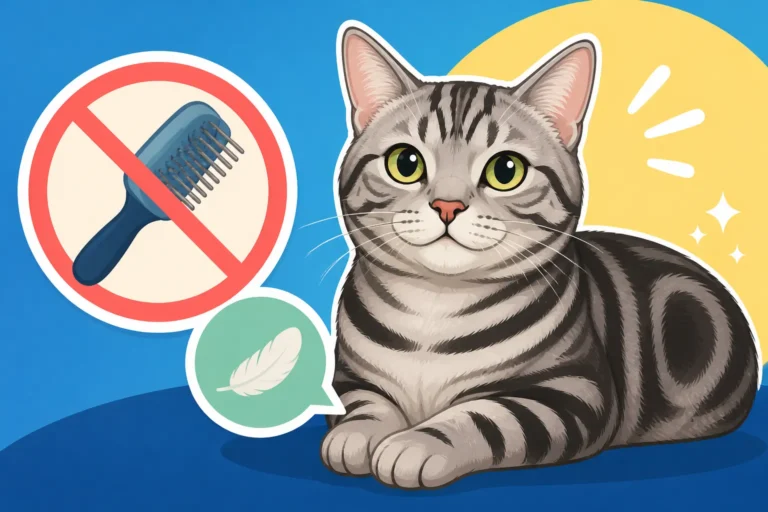
Using a good quality brush, like a slicker brush or a deshedding tool, can make a world of difference. Aim for a few minutes of brushing every day or every other day. You'll be amazed at how much hair you can collect, preventing it from ending up on your furniture or floors. Think of it as intercepting the hair at the source. Many owners swear by specific deshedding tools you can find on Amazon or Chewy, which are designed to reach through the topcoat and remove the loose undercoat that causes the most trouble. It's a bonding experience, too! The One Grooming Tool an American Shorthair Owner Buys is often a rubber curry brush or a fine-toothed comb to tackle that dense but manageable coat.
Strategic Cleaning Practices
Beyond grooming, a targeted cleaning routine is essential. You'll want to focus on areas where hair accumulates most, and use tools specifically designed to pick up pet hair.
Vacuuming with Purpose
Invest in a good quality vacuum cleaner with strong suction and attachments designed for pet hair. Regular vacuuming, ideally every few days, will prevent hair from building up and becoming deeply embedded in carpets and rugs. Pay special attention to areas where your American Shorthair sleeps or spends a lot of time. Many modern vacuums feature specialized pet hair attachments that work wonders on upholstery, pulling out trapped fur that other tools miss.
For hard floors, a vacuum with a soft brush roll or a robot vacuum can be incredibly helpful. Robot vacuums, readily available from retailers like Amazon, can run daily, picking up the constant shedding before it forms visible clumps. This consistent, low-effort cleaning can drastically reduce the overall hair burden in your home. Remember to empty the canister frequently, as pet hair can quickly fill it up!
Lint Rollers and Rubber Gloves
For quick clean-ups on clothes and furniture, lint rollers are your best friend. Keep them strategically placed around your home – near the door, next to the sofa, and in your laundry room. For larger areas of upholstery, a simple damp rubber glove can be surprisingly effective. The slight stickiness of the rubber will grab onto hairs and pull them out of fabric fibers, allowing you to easily gather them up.
Imagine your dark slacks are covered in hair just before you leave. A quick pass with a lint roller, perhaps one you bought in a multi-pack from Chewy, can make all the difference. For that stubborn pile of fur on the cat tree, put on a rubber dish glove and wipe it down. The hair clings to the glove, and you can simply rinse it off under the faucet or peel it into the trash. It’s a low-tech, high-impact solution that many cat owners swear by.
Air Purification and Home Maintenance
Finally, don't forget about the air quality in your home. Air purifiers with HEPA filters can capture airborne hair and dander, reducing allergens and improving overall air cleanliness. Regularly changing your HVAC filters is also vital for keeping hair from circulating throughout your home.
Placing an air purifier in the room where your American Shorthair spends the most time can significantly reduce the amount of airborne hair and dander. These devices actively pull air through their filters, trapping fine particles before they settle on surfaces or are inhaled. Also, make it a habit to check and replace your furnace filter every month or two, especially during shedding seasons. This simple maintenance step not only helps reduce cat hair but also keeps your heating and cooling system running more efficiently.
Conclusion: Living Harmoniously with a Shedding Shorthair
Living with an American Shorthair means living with a certain amount of cat hair – it's just part of the deal with these wonderful, low-maintenance companions. Their ancestral role as working cats meant they needed a coat that could handle various conditions, and part of that resilience is its natural shedding cycle. While you can't eliminate shedding entirely, understanding where the hair ends up and implementing consistent grooming and cleaning strategies can make a significant difference in keeping your home tidy and comfortable. Embrace the fluff, but also arm yourself with the tools to manage it effectively.
Disclaimer
This article is for general informational purposes only and does not constitute professional advice. Laws, prices and regulations vary by location and change over time. Consult a qualified professional for guidance on your specific situation.