When an American Shorthair Kitten’s Adult Coat Arrives
It's a common question among new American Shorthair owners: you've brought home that adorable, fluffy kitten, but when does it truly start to look like the robust, dignified American Shorthair you admired? That soft, downy kitten coat is charming, but it's just a temporary phase. This guide will walk you through the fascinating transformation your American Shorthair kitten undergoes as it sheds its baby fluff and grows into the resilient, protective adult coat it was born to wear.
The Early Days: Understanding the American Shorthair Kitten Coat
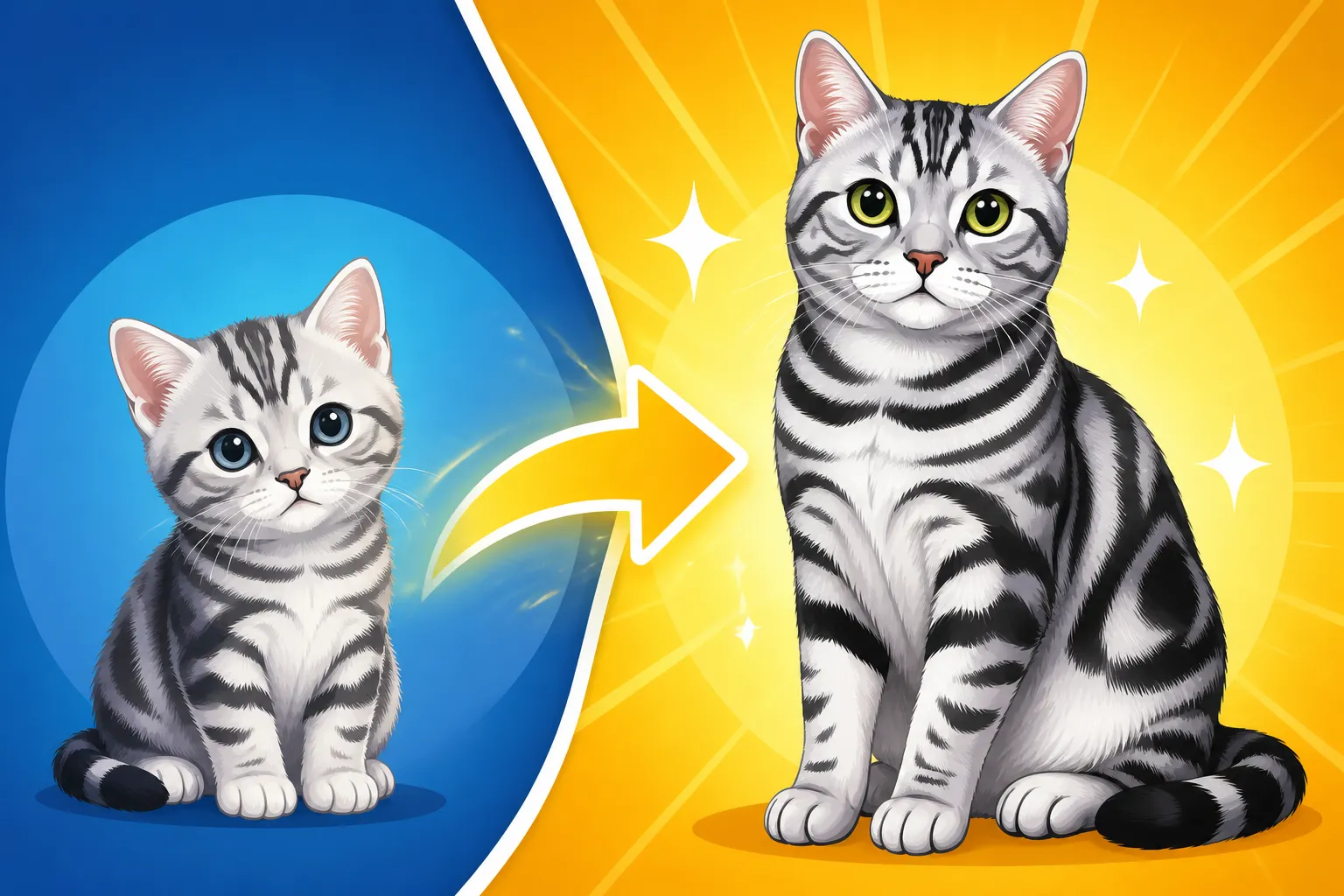
When you first bring home an American Shorthair kitten, you're greeted by a bundle of soft, fine fur. This "kitten coat" is inherently different from the adult coat that will eventually replace it. It's typically much softer, less dense, and might not show the vibrant patterns or colors with the same clarity as an older cat. Think of it as their baby blanket – cozy and comfortable, but not built for the long haul.
This kitten coat serves its purpose in early life, providing warmth and a degree of protection while their immune system develops and they grow rapidly. However, it lacks the signature hard, dense texture and weather-resistant qualities that define the mature American Shorthair. It's a sweet reminder of their youth, but it's not what makes the breed legendary for its ruggedness.
Why Kitten Coats are Different
The primary difference lies in the individual hair shafts and their density. A kitten's fur is generally thinner, with fewer guard hairs, which are the coarser, protective outer hairs that characterize an adult American Shorthair's coat. The undercoat, which provides insulation, is also less developed in a kitten. This is why they feel so incredibly soft to the touch, almost like velvet.
Their patterns, while visible, might appear somewhat muted or less defined than they will later become. A classic silver tabby kitten, for instance, might have a lovely pattern, but the contrast and sharpness of the black markings against the silver background will intensify significantly as they mature. This early coat is all about rapid growth and basic protection, not the specialized functionality of the adult coat.
The General Timeline for Coat Transition
The transition from kitten fluff to adult coat doesn't happen overnight; it's a gradual process. Generally, you'll start to notice significant changes in your American Shorthair's coat around 4 to 6 months of age. This is often when the kitten coat begins to thin out and the new, stiffer guard hairs start to emerge. The process continues, with the adult coat becoming more prominent and denser over the next several months.
By the time your American Shorthair reaches about 10 to 12 months old, you'll see a distinct difference. However, their coat, much like their overall physical development, won't be fully mature until they are closer to two or even three years old. It's part of the patient joy of watching these wonderful cats grow into their full potential, both in size and appearance. When an American Shorthair Reaches Full Size is a similar journey.
The Great Shed: When the Adult Coat Begins to Emerge
Around that 4-6 month mark, many American Shorthair owners might notice an increase in shedding. Don't panic! This is a completely normal and healthy part of the transition. Your kitten isn't losing its fur due to illness; it's making way for its impressive adult coat. This period of increased shedding can sometimes feel a bit overwhelming, especially if you're not expecting it, but it's a clear sign that their body is doing exactly what it's supposed to do.
This initial shedding phase is crucial for the development of their protective adult coat. It's essentially a natural shedding cycle on fast-forward, allowing the softer, less functional kitten hairs to be replaced by stronger, more resilient ones. It's a testament to the breed's natural, self-sufficient heritage, where the coat was designed for utility rather than just aesthetics.
What to Expect During the Shedding Phase
During this transition, you'll likely find more kitten fluff around the house, on your clothes, and maybe even on your furniture. The texture of their fur will also start to change. You might notice areas where the fur feels coarser and thicker, particularly along their back and sides, as the tougher guard hairs push through. The soft, downy feel of the kitten coat will gradually give way to a noticeably harder, denser texture. What Makes an American Shorthair's Coat Hard Rather Than Soft is a good read for understanding this texture.
The colors and patterns of their fur will also begin to intensify. If you have a tabby, those stripes and swirls will become sharper and more vivid. The contrast will improve, making their markings truly stand out. It's a wonderful transformation to witness, as your kitten's true American Shorthair identity starts to shine through. Be patient, and remember this is all part of them growing up.
Supporting Coat Health During Transition
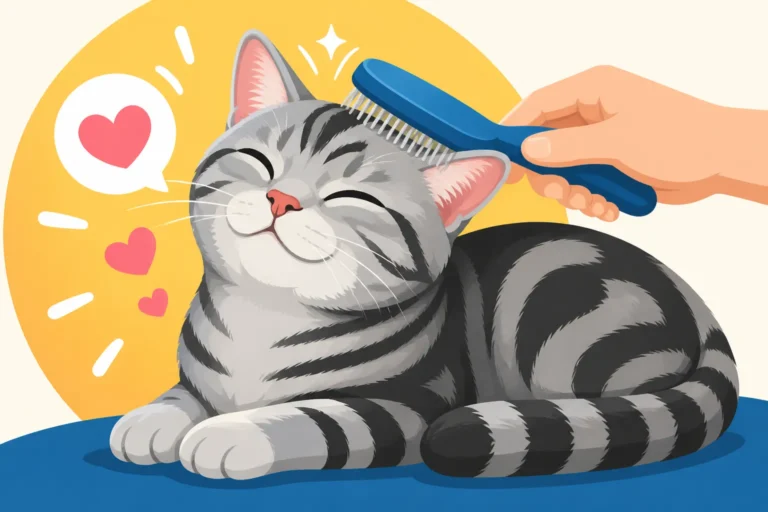
While this is a natural process, you can certainly help your kitten through it. Regular grooming becomes even more important during this shedding phase. A good, soft brush or a grooming glove can help remove loose kitten hairs, preventing them from ending up all over your home and reducing the chance of hairballs. Companies like Chewy offer a wide selection of brushes suitable for a short-haired cat.
Good nutrition is also paramount. A high-quality diet rich in essential fatty acids, like omega-3 and omega-6, supports healthy skin and coat development. Look for cat foods that list real meat as the first ingredient. Foods with fresh, human-grade ingredients can contribute to a lustrous coat. This nutritional support helps ensure the new adult coat grows in strong and healthy, ready to provide the best protection. What an American Shorthair Kitten Should Eat goes into more detail on diet.
Here's a quick comparison of kitten versus adult coats:
| Feature | American Shorthair Kitten Coat | American Shorthair Adult Coat |
|---|---|---|
| Texture | Soft, fine, downy, fluffy | Hard, dense, coarse, resilient |
| Density | Less dense, lighter | Very dense, thick, protective |
| Guard Hairs | Few, underdeveloped | Abundant, stiff, prominent |
| Undercoat | Thin, provides basic insulation | Thick, insulating, weather-resistant |
| Pattern Clarity | Muted, less defined | Sharp, vivid, high contrast |
| Primary Function | Warmth, rapid growth | Protection, insulation, durability |
| Onset of Change | Around 4-6 months | Gradually develops until 2-3 years |
The Fully Formed Adult Coat: A Mark of the Breed
Once your American Shorthair has gone through this transition, usually reaching its full glory between two and three years of age, you'll see the truly distinctive adult coat. This isn't just a pretty coat; it's a highly functional one, perfectly suited to the breed's historical role as a working cat. The American Shorthair's Coat Was Built for Weather, Not a Judge emphasizes this point.
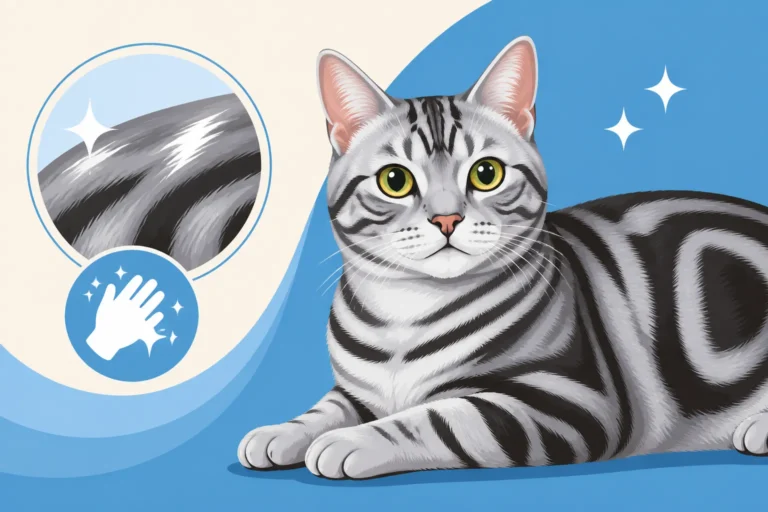
The adult American Shorthair coat is famously "hard" to the touch, meaning it's neither silky nor plush, but rather firm and springy. This texture, along with its remarkable density, is what provides natural water resistance and protection from the elements. It’s a double coat, featuring a dense undercoat for insulation and tough guard hairs that lie smoothly over the top, repelling moisture and dirt.
Characteristics of the Mature American Shorthair Coat
The mature American Shorthair coat boasts a remarkable texture and density. Run your hand over it, and you’ll notice a firm, somewhat stiff feel that springs back into place. This isn't a coat that mats easily or requires extensive grooming from you. It's designed to be self-maintaining, a testament to its practical, working cat ancestry. The density is such that it offers excellent insulation, helping the cat stay warm in colder temperatures and providing some relief in warmer climates too.
The patterns, whether a classic tabby, mackerel tabby, or one of the many other recognized colors, will be incredibly clear and well-defined. The depth of color, the crispness of the markings—these are hallmarks of a well-developed American Shorthair coat. This coat is not merely superficial; it's intrinsically tied to the breed's overall health and vitality, reflecting their robust nature.
Seasonal Changes and Lifelong Care
Even after the adult coat has arrived, it will continue to experience seasonal changes. You'll likely notice heavier shedding periods twice a year, typically in spring as they lose their winter undercoat, and in fall as they prepare to grow a denser one for colder months. How an American Shorthair's Coat Thickens Toward Winter further explains this natural adaptation. This seasonal "blow" is normal and a sign of a healthy coat regulating itself.
To help manage these seasonal sheds and maintain overall coat health, continue with regular brushing. A simple rubber curry brush or a short-toothed metal comb, easily found on Amazon or Chewy, is usually all you need. Brushing not only removes loose hair but also distributes natural oils, keeping the skin healthy and the coat shiny. While the American Shorthair is quite self-sufficient in grooming, a little help from you, especially as they get older, goes a long way. How to Introduce Combing to an American Shorthair Kitten and What a Comb for an American Shorthair Costs offer practical advice for this.
Factors Influencing Coat Development and Health
While genetics lay the foundation for your American Shorthair's coat, several other factors can significantly influence how it develops and its overall health throughout their life. It's not just about waiting for nature to take its course; you play an active role in supporting their best possible coat. Understanding these influences can help you ensure your cat looks and feels their absolute best.
Everything from their daily diet to their living environment, and even their stress levels, can manifest in the condition of their fur. A dull, sparse, or excessively shedding coat can sometimes be an early warning sign that something in their care routine might need a tweak. It’s about more than just aesthetics; a healthy coat often reflects a healthy cat.
Nutrition and Diet's Role
The quality of your American Shorthair's diet is arguably the most significant factor in the health and appearance of their coat. Proteins are the building blocks of hair, so a diet rich in high-quality animal protein is essential. Look for foods where meat is the first ingredient, and avoid excessive fillers. Essential fatty acids, particularly omega-3s and omega-6s, found in fish oils or flaxseed, are crucial for skin health and a shiny, lustrous coat. Many premium cat foods specifically formulate their meals to include these beneficial nutrients.
A deficiency in certain vitamins or minerals can lead to a dull, dry, or brittle coat, or even excessive shedding. Always ensure your cat has access to fresh water, as hydration also plays a key role in skin and coat health. If you're concerned about your cat's coat, discussing their diet with your veterinarian is always a wise first step.
Environmental and Stress Factors
An American Shorthair's coat, designed for outdoor utility, is quite adaptable, but extreme environmental conditions or high stress levels can still impact its condition. For example, living in a consistently dry indoor environment, especially with central heating in winter, can sometimes lead to drier skin and a less supple coat. Providing humidifiers or simply ensuring they have good hydration can help counteract this.
Stress can also manifest in a cat's coat. A stressed cat might groom excessively, leading to bald patches or skin irritation, or they might neglect their grooming, resulting in a dull, unkempt appearance. American Shorthairs are generally Why a Self Reliant American Shorthair Rarely Panics Alone and adaptable, but significant changes in their environment, routine, or household dynamics can cause stress. Ensuring a stable, enriching environment for your American Shorthair is key, as a calm cat is often a healthy cat with a beautiful coat.
Grooming Habits and Routine
While American Shorthairs are excellent self-groomers, your regular input, even if minimal, makes a difference. Regular brushing, especially with a tool like a de-shedding brush during heavy shedding periods, can remove dead hair before it becomes a problem. This helps prevent hairballs and keeps their coat looking tidy and healthy. Brushing also stimulates the skin, promoting blood flow and distributing natural oils that keep the coat conditioned. You can find excellent grooming tools on Amazon for various coat types.
The frequency of brushing depends on the individual cat and the time of year, but a weekly brush is often sufficient for most American Shorthairs outside of their major shedding seasons. Introducing grooming to your American Shorthair kitten early on, making it a positive experience with treats and gentle handling, will set them up for a lifetime of accepting and even enjoying these sessions. The Fifteen to Twenty Years the American Shorthair Was Given means establishing good habits early on can support their health for a very long time.
Disclaimer
This article is for general informational purposes only and does not constitute professional advice. Laws, prices and regulations vary by location and change over time. Consult a qualified professional for guidance on your specific situation.