What Outdoor Access Adds to an American Shorthair’s Care
Deciding to let your American Shorthair venture outdoors is a monumental decision, one fraught with anxieties for any loving cat parent. You want them to experience the joy of fresh air and explore their natural instincts, but the thought of the added risks and care requirements can be truly daunting. This guide will walk you through precisely what changes when your American Shorthair gains outdoor access, outlining the critical adjustments you'll need to make to their nutrition, grooming, health, and overall care routine to keep them safe and thriving in their expanded world.
The Fundamental Shift: From Indoor Sanctuary to Outdoor Realm
The moment your American Shorthair steps outside, their world dramatically expands, and with it, the scope of your responsibilities as their caregiver. It's not just a change of scenery; it's a fundamental shift in their environment and the challenges they face daily. What was once a controlled, predictable indoor setting becomes a vast, unpredictable outdoor realm, brimming with both stimulation and potential hazards. This transition requires a complete re-evaluation of your cat care philosophy.
Redefining "Care" When the World Becomes Their Territory
When your American Shorthair only knew the four walls of your home, "care" primarily revolved around providing a safe, clean environment, consistent food, fresh water, and engaging playtime. Now, with outdoor access, "care" takes on an entirely new dimension. It extends beyond your property lines and encompasses everything your cat might encounter. You're no longer just managing their immediate physical needs; you're mitigating the risks of an entire ecosystem. This can feel overwhelming, like you're suddenly responsible for every blade of grass, every car, and every other creature in a five-block radius.
It means thinking about potential toxins from neighbors' gardens, the behavior of other animals, and even the weather patterns in a way you never had to before. Your cat's territory, which used to be your living room, now potentially spans multiple yards and streets. This expansion of their perceived territory means an expansion of yours as well, in terms of vigilance and proactive planning. It's about empowering them to be a cat while simultaneously shielding them from the unforeseen dangers that come with that freedom.
The Double-Edged Sword: Benefits and Burdens of Outdoor Freedom
Granting your American Shorthair outdoor access truly is a double-edged sword. On one side, there are undeniable benefits. Your cat gets to engage their deep-seated hunting instincts, explore new scents and textures, and enjoy natural sunlight and fresh air. This can lead to a more stimulated, contented, and physically active cat, fulfilling their inherent drive as the natural hunters they are. You might notice a reduction in certain indoor behavioral issues simply because they have a natural outlet for their energy and curiosity. This is particularly true for a breed like the American Shorthair, whose ancestors were working cats, adept at managing pests and patrolling their territory. You can learn more about Why Letting an American Shorthair Outside Is a Real Decision.
However, the burdens are equally significant, if not more so. The risks multiply exponentially. Your cat is exposed to traffic, fights with other animals, parasites like fleas and ticks, and potentially dangerous diseases. The peace of mind you once had knowing your cat was safe indoors is replaced by a constant hum of worry whenever they're out of sight. It shifts the entire dynamic of care from a purely nurturing role to one that includes significant risk management and continuous monitoring. This added stress on you, the owner, is a very real part of what outdoor access adds to their care.
Navigating the New Nutritional Landscape
When your American Shorthair starts exploring the great outdoors, their nutritional needs are going to change. It's not as simple as just putting out the same food and hoping for the best. Their activity levels often increase dramatically, and they might encounter other food sources – not all of them good. This requires a much more thoughtful approach to their diet.
Increased Caloric Needs for the Adventurous Hunter
An American Shorthair that spends time outdoors is typically far more active than its indoor counterpart. They're patrolling territories, chasing insects, climbing trees, and generally burning a lot more calories. Think about it: an indoor cat might nap for hours, but an outdoor cat is constantly on alert, moving, and engaging with its environment. This heightened activity level means their caloric intake needs to increase significantly to maintain a healthy weight and energy level. You can't just free-feed or give them the same portion size you used to.
You'll need to observe their body condition closely. Are they looking leaner? Are their ribs more prominent? You might need to gradually increase their food portions or switch to a more calorie-dense food specifically formulated for active cats. Consulting with your veterinarian is crucial here, as they can help you determine an appropriate feeding strategy and monitor for any unintended weight loss. This isn't just about satisfying hunger; it's about providing the fuel for their adventurous spirit and preventing them from becoming underweight and vulnerable. A high-quality food with fresh, tailored nutrition could be beneficial, but always check its specific nutritional analysis against your cat's needs.
The Risk of Found Food and Unwanted "Supplements"
The downside of outdoor exploration is the potential for your American Shorthair to find and consume things they shouldn't. This can range from harmless but nutritionally unbalanced scraps left by sympathetic neighbors to truly dangerous items like rodenticides, antifreeze, or decaying animal carcasses. They might also supplement their diet with prey they catch, like mice, birds, or insects. While this satisfies their natural hunting drive, it also introduces risks. Which Parasites an Outdoor American Shorthair Picks Up from ingesting prey is a serious concern, as are potential secondary poisonings if their prey has consumed toxins.
This "found food" can throw off their carefully balanced diet and introduce parasites or illnesses. It means you can't always be sure exactly what your cat has eaten that day. Therefore, it becomes even more critical to ensure that the food you do provide is of the highest quality and consistently available, making it more appealing than whatever mysterious morsels they might unearth. This diligence at home helps to counteract the unpredictable nature of their outdoor diet.
Hydration Strategies for the Roaming Cat
While outdoor cats may find natural water sources like puddles or sprinklers, relying on these can be risky. These sources might be contaminated with chemicals, parasites, or bacteria. Ensuring your American Shorthair stays adequately hydrated when they're out exploring means having multiple, clean water sources available inside your home. Even if they're spending a lot of time outside, they should always have easy access to fresh water the moment they return indoors.
Consider using cat water fountains, which can entice cats to drink more due to the circulating, fresh water. Placing multiple bowls in different locations around the house can also encourage more frequent drinking. On very hot days, or if your cat is particularly active, you might even consider adding a bit of plain, unsalted chicken broth to their water bowl as an extra incentive to hydrate. Staying hydrated is vital for kidney health, especially as cats age, and it becomes even more important when they're exerting themselves outdoors.
Grooming and Coat Maintenance in the Face of Nature
The American Shorthair's practical, weather-resistant coat, while low-maintenance indoors, faces entirely new challenges when exposed to the elements. What was once a simple brush now often becomes a necessary daily inspection. You'll quickly find that What an Outdoor American Shorthair Brings Home in Its Coat goes far beyond a few loose hairs.
Dealing with Dirt, Debris, and Tangled Tales
An American Shorthair that spends time outdoors is inevitably going to get dirtier. Their beautiful, dense coat, designed to protect them, also becomes a magnet for burrs, twigs, leaves, mud, and all sorts of environmental debris. After a romp in the bushes, you might find a surprising collection of nature tucked into their fur. This means a shift from occasional grooming to a more frequent, if not daily, routine.
You'll need a good quality comb and brush – perhaps a sturdy metal comb and a soft bristle brush. Regular brushing isn't just for aesthetics; it helps remove debris before it can mat or irritate the skin. Pay particular attention to their undercarriage, armpits, and behind the ears, as these are common spots for tangles and embedded items. While the American Shorthair's short coat rarely truly mats in the way a long-haired cat's would, debris can still cause uncomfortable snarls and pull on their skin. This proactive grooming helps prevent skin issues and ensures their coat remains healthy and functional.
The Increased Need for Parasite Protection
This is perhaps one of the most significant care additions for an outdoor American Shorthair. Fleas, ticks, and internal parasites like worms are rampant in outdoor environments. Your cat will be exposed to them through tall grasses, other animals, and even by ingesting prey. A robust, consistent parasite prevention plan is absolutely non-negotiable.
This means regular application of veterinary-approved flea and tick treatments, often monthly or every few months depending on the product and your local climate. You'll also need a regular deworming schedule, as outdoor cats are far more likely to pick up intestinal parasites. Brands like Chewy often carry a wide selection of these preventative treatments, but it's always best to discuss options with your vet to ensure you're using the safest and most effective products for your specific location and cat. Missing even one dose can leave your cat vulnerable, so consistency is key.
Monitoring for Injuries and Skin Irritations
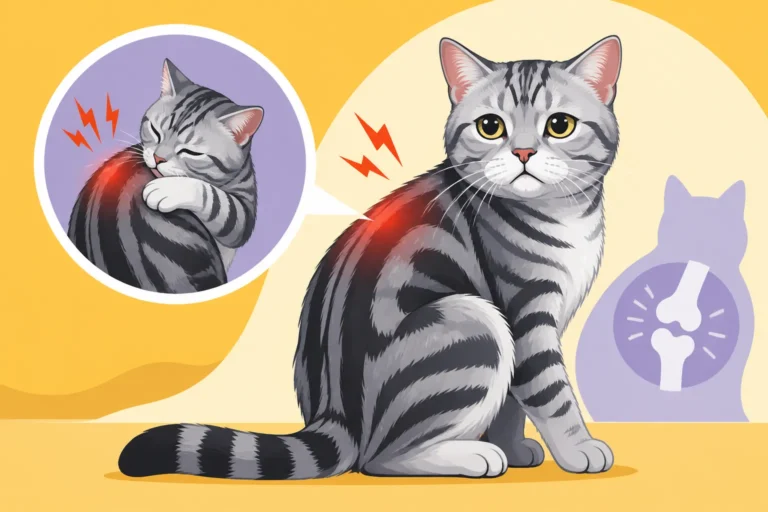
Outdoor life exposes your American Shorthair to countless opportunities for minor injuries and skin irritations. Scratches from thorns, scrapes from climbing, insect bites, or even small cuts from navigating rough terrain are common. They might also develop contact dermatitis from plants or chemicals. Daily grooming sessions are not just for detangling; they become crucial inspection times.
As you brush them, run your hands over their entire body. Feel for any new lumps, bumps, scabs, or areas of tenderness. Check their paw pads for cuts or embedded objects. Look for redness, swelling, or excessive licking in any area. The stoic nature of many American Shorthairs means they might hide discomfort, so your vigilant observation is paramount. Prompt attention to any injury, no matter how small, can prevent it from escalating into a more serious infection or problem. This constant monitoring becomes a vital part of their care. You'll get used to How Often an Outdoor American Shorthair Needs Checking Over.
Health and Veterinary Care for the Outdoor American Shorthair
The health profile of an outdoor American Shorthair is inherently different from that of an indoor cat. The exposure to other animals, potential environmental hazards, and the sheer unpredictability of the outside world necessitate a much more intensive and proactive veterinary care strategy. Your vet will become an even more crucial partner in keeping your adventurous companion safe and sound.
Expanded Vaccination Protocols and Disease Prevention
While indoor cats require core vaccinations, outdoor cats face a much wider array of infectious diseases. Crucially, this often includes the Feline Leukemia Virus (FeLV) vaccine. FeLV is transmitted through close contact, such as fighting, mutual grooming, or sharing food bowls, and is a significant risk for cats interacting with other felines outdoors. Similarly, the Feline Immunodeficiency Virus (FIV), while not preventable by vaccine, becomes a much higher risk due to potential cat fights. Whether an Outdoor American Shorthair Should Be FIV Tested is a critical conversation to have with your vet.
Your veterinarian will likely recommend a more comprehensive vaccination schedule and discuss specific risks pertinent to your geographical area, such as rabies, if not already mandatory. This isn't just about protecting your cat; it's also about preventing the spread of diseases within your local cat population. These expanded protocols mean more frequent vet visits for boosters and a higher cost investment in preventative healthcare.
The Urgent Importance of Regular Health Checks
Even if your American Shorthair seems perfectly healthy, annual (or even bi-annual for older outdoor cats) veterinary check-ups are non-negotiable. These visits allow your vet to thoroughly examine your cat, administer necessary vaccinations, and perform preventative screenings for parasites and other issues. For an outdoor cat, these check-ups are even more critical because they are exposed to so much more.
Your vet will be looking for subtle signs of illness or injury that you might miss, especially since American Shorthairs are known for their stoic nature. They can address concerns about parasite control, discuss local disease outbreaks, and ensure your cat is maintaining a healthy weight despite their outdoor adventures. Regular blood work and fecal exams become routine tools in catching potential problems early, before they become serious. This proactive approach to health can literally be a lifesaver for your outdoor explorer.
Managing Traumatic Injuries and Abscesses
Unfortunately, traumatic injuries are a real and ever-present risk for outdoor cats. Car accidents are a tragic possibility, and How Road Traffic Shortens an Outdoor American Shorthair's Life is a grim reality that many owners face. Beyond traffic, fights with other cats or animals are common, leading to bites, scratches, and often, painful abscesses. These abscesses occur when bacteria from a bite wound gets trapped under the skin, forming a pus-filled pocket that requires veterinary intervention to drain and treat with antibiotics. Which Injuries an Outdoor American Shorthair Comes Home With can range from minor scrapes to life-threatening trauma.
You need to be prepared for the possibility of emergency vet visits. Knowing your nearest emergency veterinary clinic and having a plan in place for transport is crucial. Early detection of a limping cat, a painful spot, or a sudden change in behavior can make a huge difference in the outcome. It means being extra observant when your cat comes back inside, giving them a thorough once-over, and not delaying a vet visit if something seems amiss.
Behavioral Considerations and Enrichment for the Outdoor Cat
An American Shorthair given outdoor access will naturally lean into their instincts more. This often leads to a happier, more fulfilled cat, but it also means acknowledging and managing their inherent behaviors in a way that respects both their needs and the safety of the wider environment. It’s about channeling their inner hunter and territorial defender responsibly.
Satisfying the Innate Hunting Drive
The American Shorthair was originally bred for its prowess as a mouser, and that strong hunting drive is still very much alive, even in pampered housecats. Outdoor access provides the ultimate outlet for this instinct. They'll stalk, chase, and hunt small prey, from insects to rodents and birds. While this is natural for them, it's a concern for local wildlife. How Much Wildlife an American Shorthair Takes can be surprising.
You can still provide indoor enrichment that simulates the hunt, even for an outdoor cat. Interactive toys, puzzle feeders, and regular playtime with wand toys can help satisfy some of this drive. This helps keep them stimulated and can sometimes reduce their predatory impact on outdoor wildlife. It's a delicate balance of allowing them to express their natural behaviors while being mindful of their impact on the local ecosystem. Consider toys available from large retailers like Amazon that mimic prey movement to keep their hunting skills sharp indoors too.
Territory Management and Social Dynamics
Outdoor American Shorthairs establish a territory, and they will defend it. This can lead to conflicts with other neighborhood cats. You might witness them chasing off intruders, or unfortunately, become involved in fights. These territorial disputes are a common source of injuries and stress for outdoor cats. While an American Shorthair is generally placid, they won't back down from defending their turf.
Understanding their territorial nature can help you manage potential conflicts. Providing secure, elevated resting spots in your yard, or even a catio, can give them a safe space from which to observe their territory without constant direct confrontation. It also means you need to be aware of the other cats in your neighborhood and understand the social dynamics at play.
The Fine Balance of Freedom and Safety
Allowing outdoor access is all about striking a fine balance between giving your American Shorthair the freedom to express their natural behaviors and ensuring their safety. This isn't an easy task, and it often involves making difficult choices. You want them to be happy, but you also want them to be safe from harm. The Risks an Outdoor American Shorthair Takes That an Indoor One Does Not are numerous and significant.
This balance might mean restricting their outdoor time to certain hours of the day (e.g., daytime only, avoiding dawn and dusk when prey activity and traffic can be higher), or supervising them during their excursions. Some owners opt for catios or enclosed outdoor spaces that offer fresh air and stimulation without the full risks of free-roaming. It's a continuous negotiation between their desires and your protective instincts, always striving to maximize their quality of life while minimizing danger.
Preparing Your Home and Lifestyle for an Outdoor American Shorthair
Making the decision to allow your American Shorthair outside involves more than just opening the door. It requires significant changes to your home environment, your daily routines, and even your emotional preparedness as an owner. This isn't a casual choice; it's a lifestyle adjustment for everyone involved.
Essential Outdoor Gear and Safety Measures
Just as you'd equip yourself for outdoor adventures, your American Shorthair needs specific gear and your property needs certain safety measures. A breakaway collar with ID tags and your phone number is absolutely essential. Even if your cat is microchipped, a collar provides immediate identification. Speaking of microchipping, ensuring your cat is microchipped and that your contact information is up to date with the registry is paramount. If they get lost or injured, this is often the fastest way for them to be reunited with you. Why a Roaming American Shorthair Must Be Chipped cannot be overstated.
Beyond personal identification, consider the safety of your yard. Are there any toxic plants? Is your fence secure enough to deter them from wandering too far, or prevent other animals from entering? Are there any dangerous chemicals stored where they could access them? Thinking about escape routes and potential hazards from your cat's perspective is vital. A catio, as mentioned earlier, is a fantastic way to offer secure outdoor access without the full range of dangers.
Creating a Hybrid Indoor/Outdoor Environment
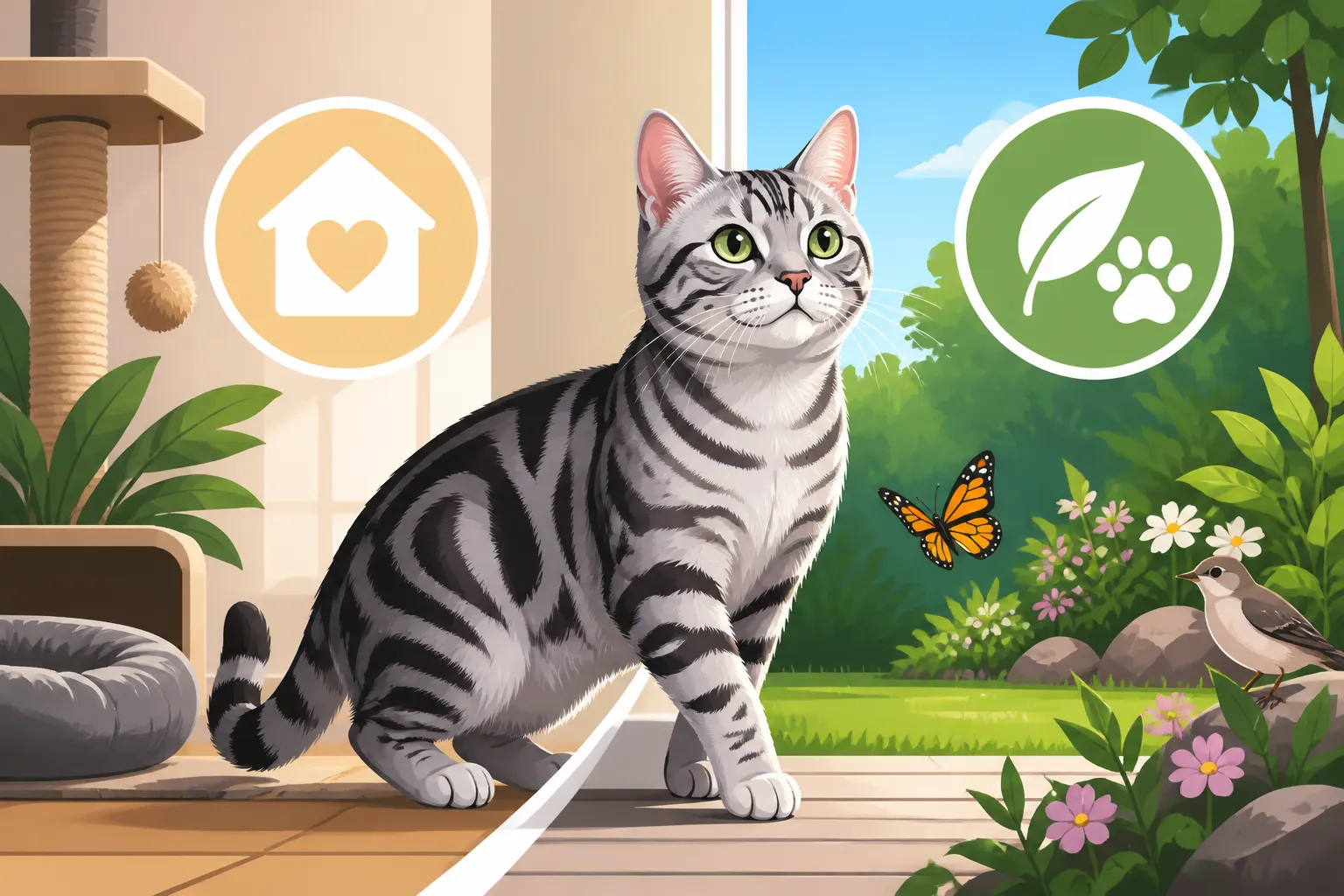
Most American Shorthairs with outdoor access still spend a significant amount of time indoors, especially at night or during inclement weather. Therefore, creating a seamless transition between their indoor sanctuary and their outdoor playground is key. This means ensuring their indoor environment remains a comforting, secure, and resource-rich space.
They should have designated safe spots, comfortable beds, access to fresh food and water, and plenty of mental stimulation indoors. A cat flap can provide them with the autonomy to come and go as they please, but this also requires you to be comfortable with the increased foot traffic of small creatures and dirt into your home. It's about designing a lifestyle that accommodates both their instinctual need for exploration and their domesticated need for comfort and security.
The Emotional Toll on Owners
Perhaps one of the most overlooked aspects of granting outdoor access is the emotional toll it takes on the owner. The constant worry about their safety – about cars, other animals, diseases, getting lost, or worse – can be immense. Every time they disappear for a longer stretch than usual, your heart can leap into your throat. This anxiety is a very real part of their care.
You might find yourself checking outside constantly, calling their name, or peering down the street. It's a level of emotional investment that far surpasses simply knowing they're safe within your home. It's important to acknowledge this emotional burden and develop coping strategies, whether that's installing GPS trackers on their collars, setting up outdoor cameras, or simply accepting that you've given them the best life you can, balancing freedom with risk. It's a deeply personal decision, and there's no shame in admitting the stress it can cause.
Comparison of Care Aspects: Indoor vs. Outdoor American Shorthair
Let's break down some of the key differences in care when considering an indoor versus an outdoor American Shorthair. This table highlights how your responsibilities shift with outdoor access.
| Care Aspect | Indoor American Shorthair | Outdoor American Shorthair |
|---|---|---|
| Nutrition | Controlled portions, consistent diet, weight management. | Increased calories needed, risk of "found food," careful hydration. |
| Grooming | Occasional brushing, minimal debris, basic paw checks. | Daily brushing, debris removal, wound checks, mud/dirt management. |
| Parasite Control | Less frequent deworming, moderate flea/tick risk. | Monthly flea/tick, regular deworming, constant vigilance. |
| Vaccinations | Core vaccines (FVRCP, Rabies), FeLV often optional. | Core vaccines, FeLV essential, possible FIP/FIV testing. |
| Vet Visits | Annual check-ups, preventative care. | Annual/bi-annual check-ups, emergency visits more likely. |
| Injuries/Illness | Lower risk of trauma, less exposure to infectious disease. | Higher risk of trauma (fights, cars), more infectious disease risk. |
| Enrichment | Relies heavily on owner interaction, toys, vertical space. | Natural hunting, exploration, but still needs indoor stimulation. |
| Safety Concerns | Household hazards (chemicals, ingestion), falls. | Traffic, predators, toxins, other animals, getting lost. |
| Identification | Microchip recommended. | Microchip and breakaway collar with ID tags essential. |
| Owner Stress | Generally lower, predictable environment. | Higher, constant worry about safety. |
This comparison underscores the extensive additions to care that come with an outdoor American Shorthair. It's a commitment that requires dedication, vigilance, and a deep understanding of their evolving needs in a much larger, more unpredictable world.
Disclaimer
This article is for general informational purposes only and does not constitute professional advice. Laws, prices and regulations vary by location and change over time. Consult a qualified professional for guidance on your specific situation.