Whether a Food Motivated American Shorthair Raids the Counter
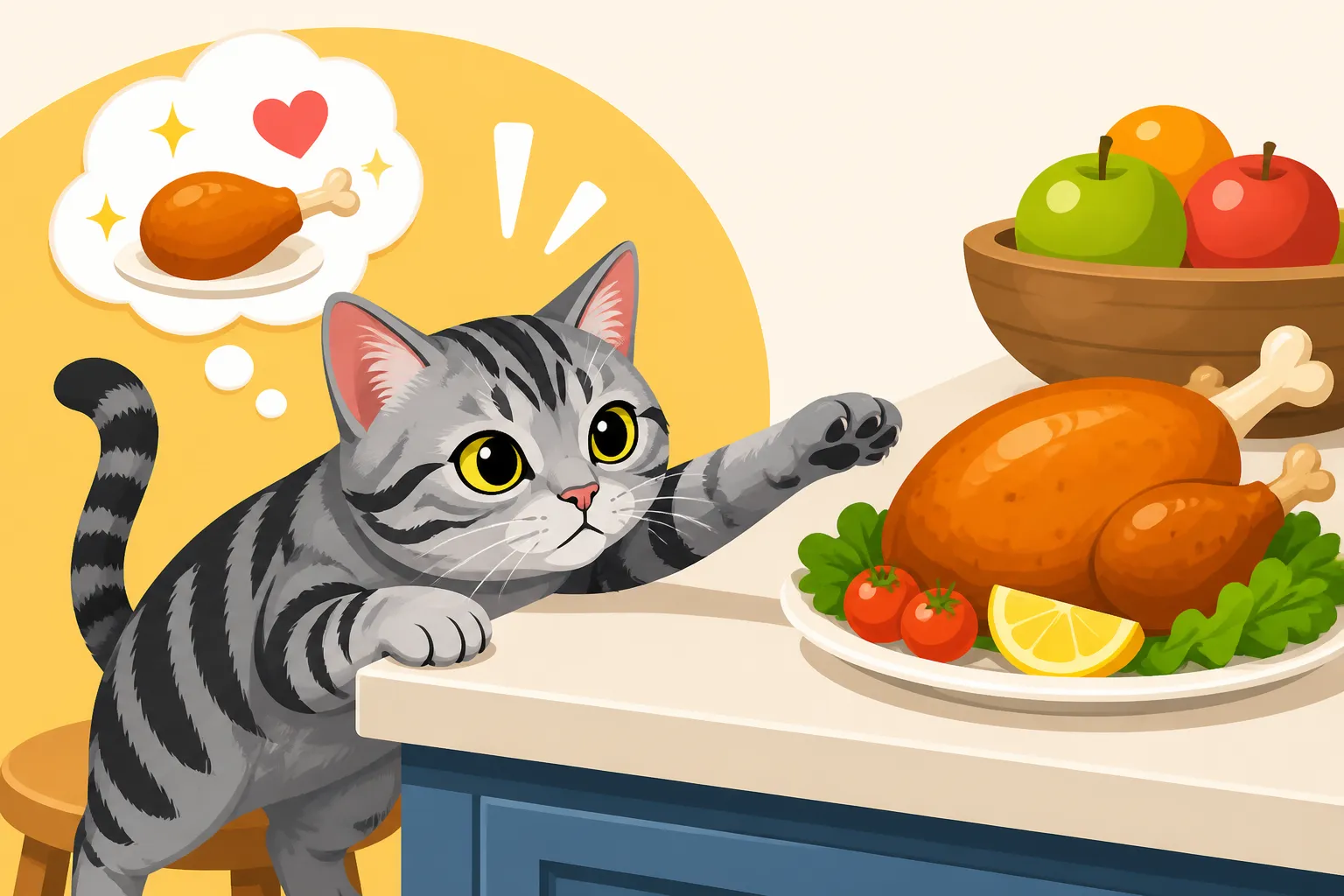
It's incredibly frustrating when you bring home a new American Shorthair, or even when your long-time companion suddenly decides that your kitchen counters are fair game for exploration, especially if they're particularly food-motivated. You might feel like you're constantly playing a game of whack-a-mole, shooing them off only for them to reappear seconds later, eyeing your dinner. This guide is here to help you understand why your American Shorthair might be counter-surfing and, more importantly, how you can gently but effectively discourage this behavior.
Understanding the American Shorthair's Deep-Seated Food Drive
Many cat owners assume their furry friends are just being mischievous when they jump onto counters, but with an American Shorthair, there's often a much deeper, instinctual reason behind their food-seeking behaviors. These cats, unlike some of their more "designer" counterparts, retain a strong connection to their working-class ancestors, and that includes a powerful drive to find and secure food.
A Legacy of Hunting for Every Meal
Think about the history of the American Shorthair. Their ancestors weren't lounging on velvet cushions; they were working cats, earning their keep on farms, ships, and in colonial homes by keeping rodent populations in check. Every meal was a result of their own efforts. They had to hunt, scavenge, and be opportunistic to survive. This wasn't just a hobby; it was a matter of survival, deeply embedding a strong hunting and food-gathering instinct into their genetic makeup.
Even though your pampered American Shorthair probably has a bowl overflowing with delicious food twice a day, that ancient programming doesn't just vanish. They still possess that innate drive to seek out resources, and food is, of course, the most primary and rewarding resource of all. It’s why you might notice your American Shorthair still has a keen interest in anything that smells remotely edible, or why they might be fascinated by even the tiniest crumb on the floor. It's not necessarily that they're starving; it's that their instincts tell them to investigate and secure any potential food source. When you leave a plate of cooling cookies on the counter, their brain screams "opportunity!" in a way that many other breeds might not experience as intensely. This primal drive is a key reason Why an American Shorthair That Hunted for Meals Takes What It Finds.
The Allure of Human Food and Leftovers
Let's be honest, human food often smells and tastes incredibly appealing, even to us! Imagine that appeal multiplied for a cat with an exquisite sense of smell, especially one whose historical job was to sniff out prey. The rich fats, the savory proteins, the complex aromas of our cooked meals – it's a sensory explosion for them. Their regular cat food, while nutritious, simply can't compete with the novelty and intensity of a freshly roasted chicken or a slice of cheese.
Beyond the scent, there's the excitement of the "forbidden." Cats are curious creatures, and if a surface is generally off-limits, it often becomes even more intriguing. If an American Shorthair, driven by that strong food instinct, manages to get a successful "score" from the counter just once – even a tiny piece of dropped food – they will remember it. That single positive reinforcement is often all it takes for them to associate the counter with potential rewards, turning it into a regular patrol route. They’re not being spiteful; they're simply being efficient. Why work harder when the good stuff is right there for the taking?
Why Counter-Surfing Becomes a Problem
While it might seem endearing or just a minor nuisance at first, an American Shorthair's habit of raiding the counters can lead to some significant issues, both for their health and for the overall peace in your home. It’s important to understand these risks to fully appreciate why it's a behavior worth addressing firmly but kindly.
The Risks of Ingesting Unsuitable Foods
This is, without a doubt, the most critical concern. Many human foods are simply not safe for cats, and some can even be deadly. Onions, garlic, chives, and leeks, even in powdered form, can cause damage to their red blood cells. Chocolate, while less commonly appealing to cats than dogs, can be toxic. Grapes and raisins can lead to kidney failure. Alcohol, even in small amounts, is highly dangerous. Cooked bones can splinter and cause internal damage or blockages, and excessive fats or highly seasoned foods can lead to severe gastrointestinal upset, pancreatitis, or other serious health problems.
The anxiety of not knowing what your cat might have ingested from the counter is a burden no pet parent wants to carry. A quick trip to the counter for a "snack" can escalate into an emergency vet visit, which can be stressful, scary, and expensive. Imagine your beloved companion suddenly lethargic, vomiting, or showing signs of pain, all because they snatched something they shouldn't have. This kind of event can quickly reveal What an Emergency Visit Costs an American Shorthair Owner. Even less severe incidents, like a night of vomiting and diarrhea, are unpleasant for everyone involved and can certainly disrupt their well-being.
Damage to Property and Household Harmony
Beyond the health risks, a counter-surfing American Shorthair can cause a surprising amount of chaos. They might knock over delicate dishes, smash glasses, or send a precious vase tumbling. Plants, candles, or other household items can become collateral damage in their quest for a treat or simply in the act of navigating the elevated surface. The mess left behind – spilled liquids, scattered food, broken items – adds to your daily chores and can be incredibly frustrating.
Constant vigilance quickly wears you down. You might find yourself dreading mealtimes, or always feeling like you need to "cat-proof" the kitchen before leaving the room for even a moment. This ongoing battle can strain the relationship you have with your American Shorthair. You might start to feel annoyed or resentful, leading to sharp "no's" or shooing gestures that, while understandable, don't foster a positive environment. Your cat, in turn, might become stressed by the constant reprimands, potentially leading to other behavioral issues. A harmonious home relies on clear boundaries and mutual understanding, and counter-surfing definitely throws a wrench into that.
Practical Strategies to Deter Counter-Surfing
So, what can you actually do to stop this behavior? The good news is that with consistency, patience, and a bit of creativity, you can definitely curb your American Shorthair's counter-surfing habits. It involves a mix of prevention, redirection, and making the counters inherently unappealing.
Environmental Management and Removal of Temptations
The absolute golden rule for stopping counter-surfing is astonishingly simple yet incredibly difficult for many of us: leave nothing on the counters, ever. Seriously, nothing. Not even a cooling cookie sheet, a forgotten grocery bag, or a dirty dish. If there's nothing rewarding up there, the motivation to jump diminishes significantly. This includes food items, but also things like keys, toys, or shiny objects that might pique their curiosity and lead to an accidental knock-off while they're exploring.
Make it a habit to immediately clean up crumbs and spills after cooking or eating. A tiny speck of food might seem insignificant to you, but to a highly food-motivated American Shorthair, it's a treasure map. Invest in secure, cat-proof food storage containers for your pantry, and ensure your trash cans have tight-fitting lids that can't be easily knocked over or opened. Think like a cat: if I were hungry and curious, what would tempt me? Then, remove or secure it. For persistent counter-surfers, you can also consider some safe, non-harmful deterrents. Double-sided sticky tape, applied to the edges of the counter, creates an unpleasant texture under their paws without causing pain. Some cats are also deterred by crinkly aluminum foil placed strategically on the counter, as they dislike the sound and feel. For something a little more high-tech, motion-activated air canisters, often found on Amazon, can deliver a harmless puff of air when triggered, startling your cat off the counter without you needing to be present. It's a bit like the counter itself is telling them "no."
Enrichment and Redirection for a Prey-Driven Cat
Remember that deep-seated hunting instinct we talked about? One of the best ways to combat counter-surfing is to provide appropriate outlets for that drive. If your American Shorthair is expending their energy and satisfying their instincts in approved ways, they'll be less inclined to go looking for trouble on the kitchen counters.
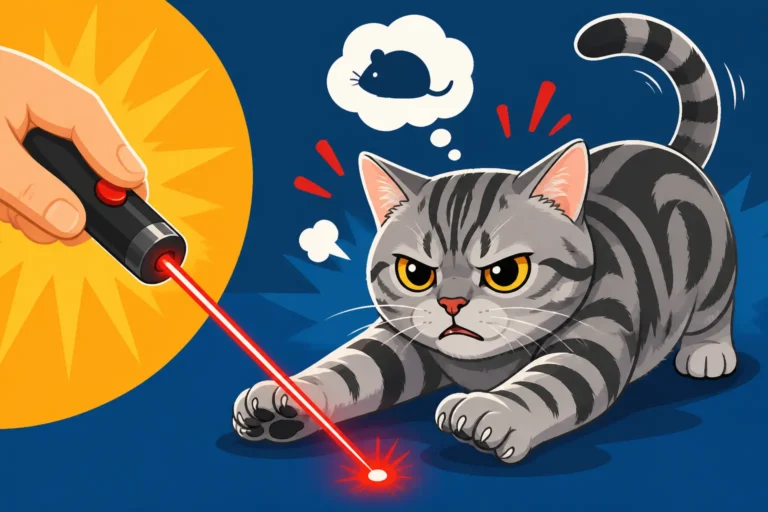
This means structured play sessions that mimic the hunt. Use wand toys with feathers or small plush animals that fly, dart, and hide, engaging their predator instincts. The key is to let them "catch" the toy at the end of the session, completing the hunting sequence and providing that satisfying conclusion. This kind of interaction is crucial for them, as Play That Finishes the Hunting Sequence for an American Shorthair helps fulfill their natural needs. Another fantastic tool is the puzzle feeder. Instead of simply putting their food in a bowl, make them "work" for it by using a puzzle toy or a slow feeder. There are many varieties available, from simple balls that dispense kibble to more complex mazes. This taps into their problem-solving skills and turns mealtime into a mental and physical challenge. Brands like Catit and Petsafe offer a range of options often available on Amazon, which can be excellent for redirecting that food drive. Engaging their minds and bodies with these tools can significantly reduce their desire to seek out illicit snacks. After all, Whether a Puzzle Feeder Satisfies an American Shorthair is often a resounding yes for these intelligent felines.
Also, consider vertical space. American Shorthairs love to observe their territory from a high vantage point. Provide attractive cat trees, shelves, or window perches that are more appealing than your kitchen surfaces. Ensuring How High an American Shorthair Needs to Get can make a difference in where they choose to spend their time. Finally, re-evaluate their feeding schedule. Free-feeding, where a bowl of food is always available, can actually make counter-surfing worse because it doesn't give them a sense of specific mealtimes. Instead, try feeding two to three portioned meals a day. This helps them understand when food is coming and gives you control over their calorie intake, validating Why a Bowl Left Down Ruins an American Shorthair. You might also want to consider higher protein, lower carbohydrate foods, as these can help a muscular American Shorthair feel fuller for longer. Understanding Which Protein Level Keeps an American Shorthair Muscular can guide your food choices.
What to Do When Prevention Fails (and How to Teach "Off")
Even with the best intentions and meticulous planning, your American Shorthair might still occasionally test the boundaries. It's important to have a plan for how to respond when you catch them in the act, focusing on consistency and positive reinforcement rather than punishment that could damage your bond.
Consistent Correction and Positive Reinforcement
If you catch your American Shorthair on the counter, the goal is to get them down without creating a stressful or scary experience. A calm, firm "Off!" followed by gently lifting them down and placing them on the floor is usually effective. The key word here is consistent. Every single time they jump up, they need to be removed. You might feel like a broken record, but repetition is how cats learn.
Once they are on the floor, if they stay there for even a moment, offer immediate positive reinforcement. This could be a small, low-calorie treat, a gentle stroke, or a quiet "Good cat!" The idea is to teach them that staying on the floor near the counter is the desired behavior that earns rewards, not being on the counter itself. You're not punishing them for being curious or food-motivated; you're redirecting that energy. Pay attention to their overall behavior throughout the day. Are they bored? Are they truly hungry between meals? Sometimes, an increase in interactive play or spreading out their daily food into more frequent, smaller portions (perhaps in puzzle feeders) can address the underlying motivation behind their counter-surfing. Remember, Why an American Shorthair Was Never Bred to Need You means they're self-reliant, so they might not overtly ask for play or food in the way a more demanding breed would, but their actions can tell you what they need.
Avoiding Punishment That Damages Trust
It's tempting, in the heat of the moment, to yell, clap loudly, or even use a water spray bottle when your cat jumps on the counter. While these methods might work in the short term, they have significant drawbacks. Cats are intelligent but they don't always connect the punishment to the act of being on the counter, especially if you are the one delivering the punishment. Instead, they often associate the negative experience with you. This can lead to fear, anxiety, and a breakdown of trust between you and your American Shorthair. They might simply learn to avoid the counter only when you are present, becoming stealthy counter-surfers the moment your back is turned.
The goal isn't to scare your cat off the counter when you're watching; it's to make the counter so unappealing that they choose not to go there, whether you're home or not. This is why passive deterrents like sticky tape or motion-activated air canisters can be more effective. The negative experience comes from the environment itself, not from you, preserving your role as their safe and loving caregiver. Focus on making the desired behavior (staying on the floor) more rewarding and the undesired behavior (counter-surfing) less appealing, rather than directly punishing them.
Here's a quick look at various deterrents to help you decide what might work best for your home:
| Deterrent Method | Pros | Cons | Effectiveness |
|---|---|---|---|
| Clear Counters | Safest, most fundamental, teaches long-term habit. | Requires unwavering consistency from all household members. | High (when consistently applied) |
| Double-Sided Sticky Tape | Non-toxic, provides an unpleasant tactile sensation. | Can be unsightly, may leave residue, needs frequent replacement. | Moderate to High (for cats sensitive to texture) |
| Crinkly Foil/Paper | Inexpensive, easy to implement. | Visually disruptive, some cats are not bothered by the noise/feel. | Low to Moderate (depends on individual cat) |
| Motion-Activated Air Canisters | Works when you're not home, startling but harmless. | Can be pricey, may over-startle very timid cats. | High (for immediate deterrence) |
| Puzzle Feeders | Redirects natural hunting drive, provides enrichment. | Doesn't directly deter counter-jumping, requires cat learning. | Indirectly High (reduces underlying motivation) |
| Dedicated Vertical Space | Offers an appealing alternative, fulfills climbing need. | Requires space for cat trees/shelves, not a direct deterrent. | Indirectly High (reduces overall counter appeal) |
Disclaimer
This article is for general informational purposes only and does not constitute professional advice. Laws, prices and regulations vary by location and change over time. Consult a qualified professional for guidance on your specific situation.